

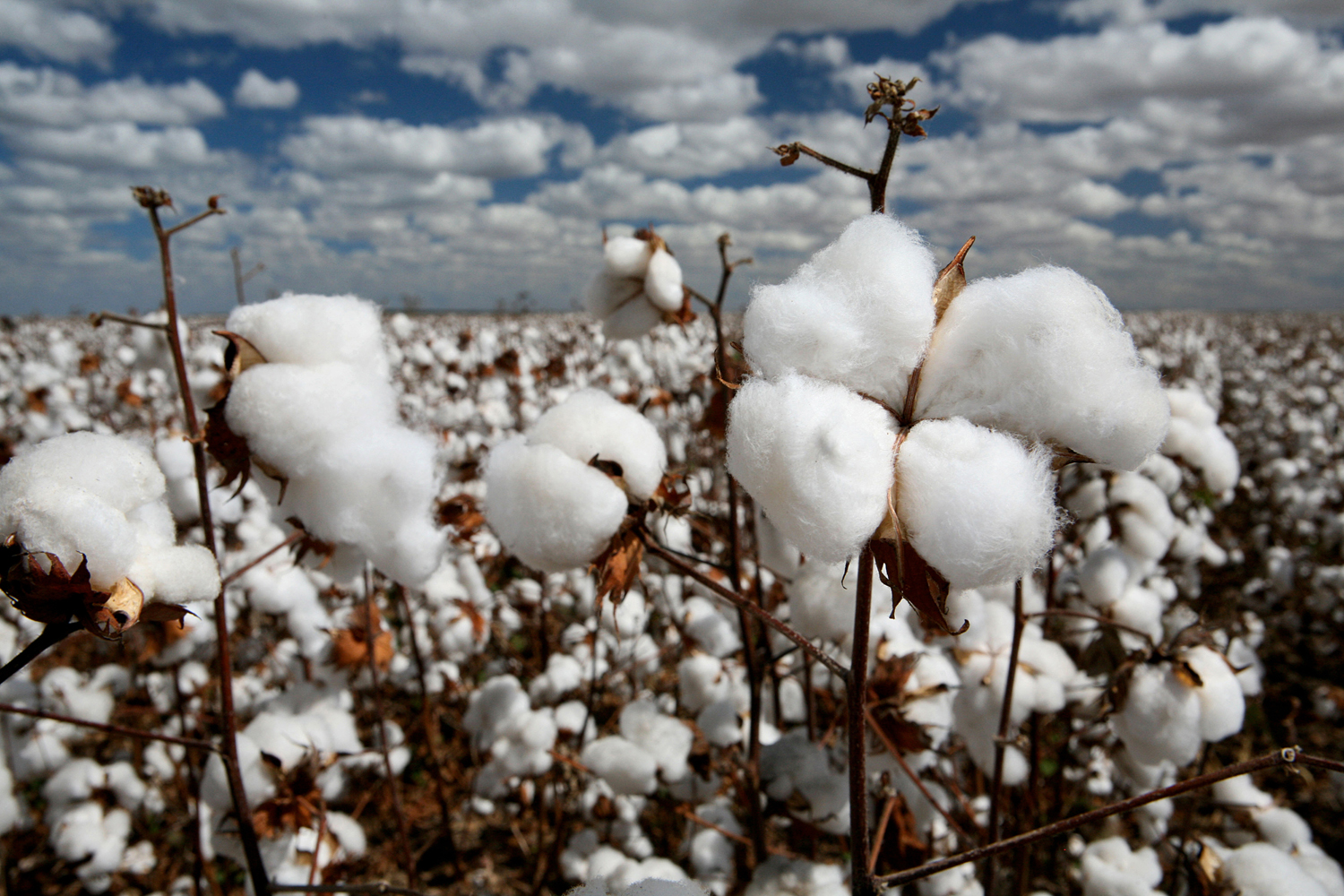
USA - S.C. farmers face wide insurance gap on flood losses
05.02.2016 336 views
South Carolina farmers facing steep losses from last year’s flood must await government action on financial assistance as the new Farm Bill and private crop insurance are not built to handle such a disaster, according to presenters at an event sponsored by the Clemson University Cooperative Extension Service.
“While politics may be distasteful for some, it is essential to survival,” S.C. Farm Bureau President Harry Ott said at the S.C. Cotton Growers annual meeting sponsored by Clemson Extension and the S.C. Cotton Board.
The 2014 Farm Bill eliminated direct, guaranteed payments and disaster assistance to farmers, which placed a heavy burden on private insurance coverage. Ott said that early estimates show insurance covering about one-third of the $370 million in crop losses stemming from October’s historic flood.
Clemson University agricultural economist Nathan Smith agreed, saying that costly insurance premiums prompt farmers to opt for higher deductibles, which reduces claims payments. Additionally, coverage is capped at 85 percent of a farmer’s planted acreage, and most farmers can only afford policies that cover between 65 and 75 percent, Smith said.
Any claims payments farmers do receive are based on market prices, which tend to be lower than the prices local growers actually would receive if they had crops to sell to local merchandisers and processors.
“When you factor all of that in, yeah, insurance is only going to cover about one-third to half of the loss,” Smith said.
The 2014 Farm Bill may not be much help either.
“It is not meant to handle the magnitude of the disaster we just had,” Smith said.
The 2014 Farm Bill replaced direct, guaranteed payments with the Agriculture Risk Coverage (ARC) or Price Loss Coverage (PLC) programs. While ARC and PLC may provide some revenue protection, payments are variable and uncertain and cotton is no longer covered under the program. Payments to farmers, for example, are based on average county revenue, which will be extremely low this year because of the drought and flood. Additionally, those payments are capped at 10 percent of county revenue, so payments to farmers will be low compared to the magnitude of individual losses, Smith said.
“The Farm Bill puts reliance on private insurance,” he said.
Farmers are likely experiencing issues with filing claims, meanwhile. In some cases, farmers are required to harvest crops to receive a claim based on crop appraisal, said Jeanne Lindsey, a senior risk management associate with the U.S. Department of Agriculture’s Risk Management Agency.
“I understand that was an issue for some producers because the ground was so wet they couldn’t even get in there to harvest,” Lindsey told attendees of the cotton meeting.
South Carolina cotton production dropped 72 percent last year, while peanut production was down 35 percent, according to initial estimated from the U.S. Department of Agriculture’s National Agricultural Statistics Service. Of 278,000 acres of cotton planted last year in South Carolina, just 124,000 acres were harvested and the per-acre yield was down 36 percent from 2014, federal data shows.
Direct crop losses from the flood amount to $329 million, according to analysis by the USDA, the Farm Service Agency and the S.C. Department of Agriculture. Farmers suffered another $46 million in losses because wet conditions prohibited them from planting winter wheat, vegetables and fruit.
Typically, insurance provides a buffer for farmers who have some crop to sell but less than a normal operating year, Ott said.
“But now many farmers have no crops to sell,” he said. “Insurance can’t fill that hole.”
He said government assistance is needed to keep some farmers in business.
Congress approved $300 million in disaster assistance for which South Carolina farmers could receive a share, Ott said, but state government must approve the release of that federal funding. Additionally, the S.C. Farm Bureau is working with state lawmakers to allocate some state assistance to farmers, but lawmakers have not yet approved it, Ott said.
In addition to presentations from Ott, Smith and Lindsey, growers heard about the latest in insect management from Clemson entomologist Jeremy Greene of the Edisto Research and Education Center and an overview of new cotton variety performance testing conducted by Mike Jones, the state cotton specialist and researcher at Clemson’s Pee Dee Research and Education Center.
Source - newsstand.clemson.edu
EVENTS

ScaleAgData Stakeholder Engagement Event
22.10.2024The ScaleAgData project is pleased to invite you to our second stakeholder event. Building on the discussions and connections formed during our first webinar, this event will focus on fostering collaboration among stakeholders, providing updates on our project’s progress, and outlining future opportunities for engagement.
RISK EVENTS

Moldova - May frosts caused heavy damage to fruit orchards
10.05.2026The first frosty nights of May have significantly worsened estimates of damage to Moldova's fruit sector from spring frosts. According to initial assessments by fruit market operators, between a quarter and a third of the country's total orchard area was seriously affected.
26.05.2026
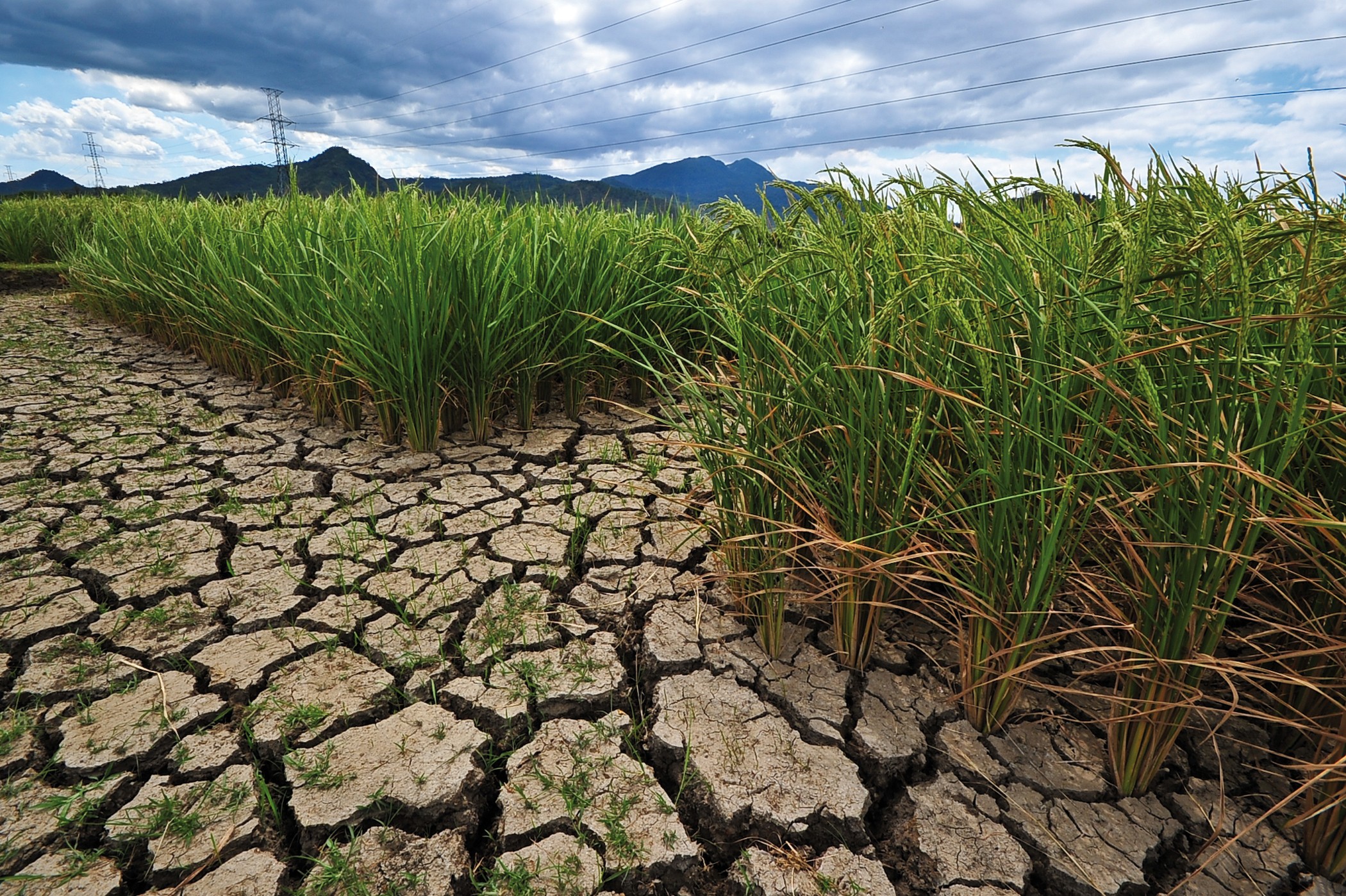
“Timac Agro Ukraine” launches crop insurance against drought
Timac Agro Ukraine, in collaboration with the insurance company PZU, has launched a crop insurance program against drought for farmers in five regions of Ukraine.
26.05.2026

Hansen announces "dialogue with the EIB on new agricultural insurance models"
Integrated European framework for climate resilience 'is on the way'.
26.05.2026
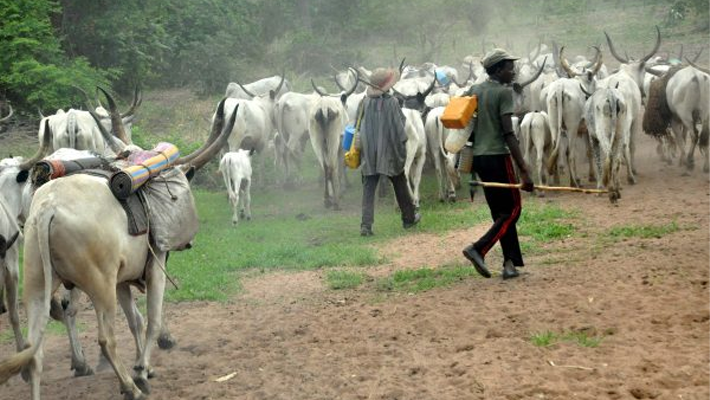
Nigeria - Oyo Steps up Enforcement Against Illegal Livestock Trading, Open Grazing
The Oyo State Government has stepped up enforcement against illegal livestock trading and open grazing, arresting offenders and impounding animals in parts of Ibadan during a fresh compliance operation.
26.05.2026
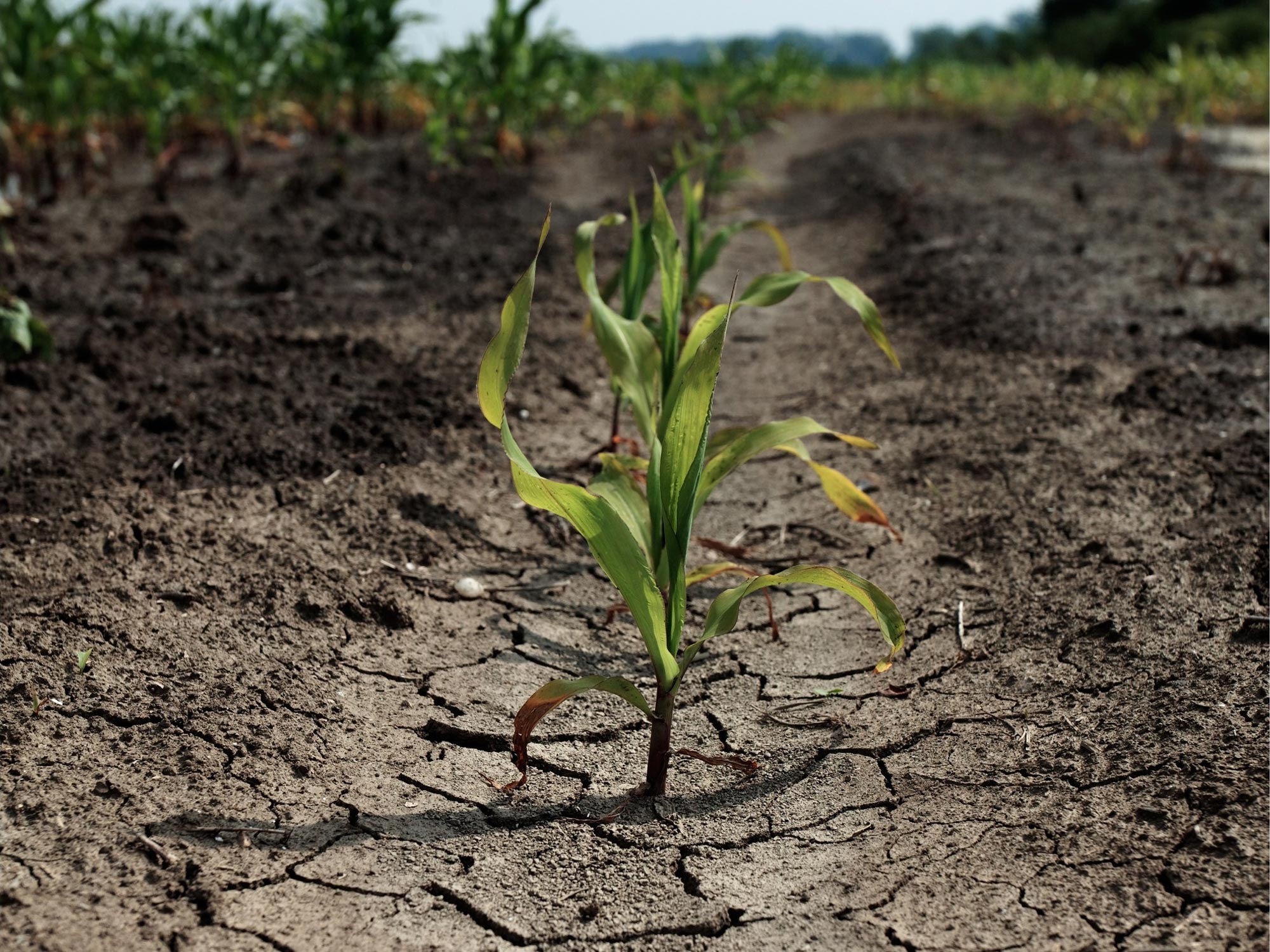
Philippines - Tacloban braces agri, health mitigation measures amid looming super El Niǹo
The City Government of Tacloban has intensified its preparations and mitigation measures as the threat of a possible Super El Niño continues to loom over several parts of the country, bringing concerns over prolonged dry spells, water shortages, and impacts on agriculture and public health.
26.05.2026
India - Punjab Govt Deploys 500 Teams for Special Girdawari as Rains Damage Wheat
In Punjab, to calculate the damage done to the standing crops in the fields due to the inclement weather for the last many days, the state government has formed teams of 500 officials from the agriculture department to assess losses.
26.05.2026
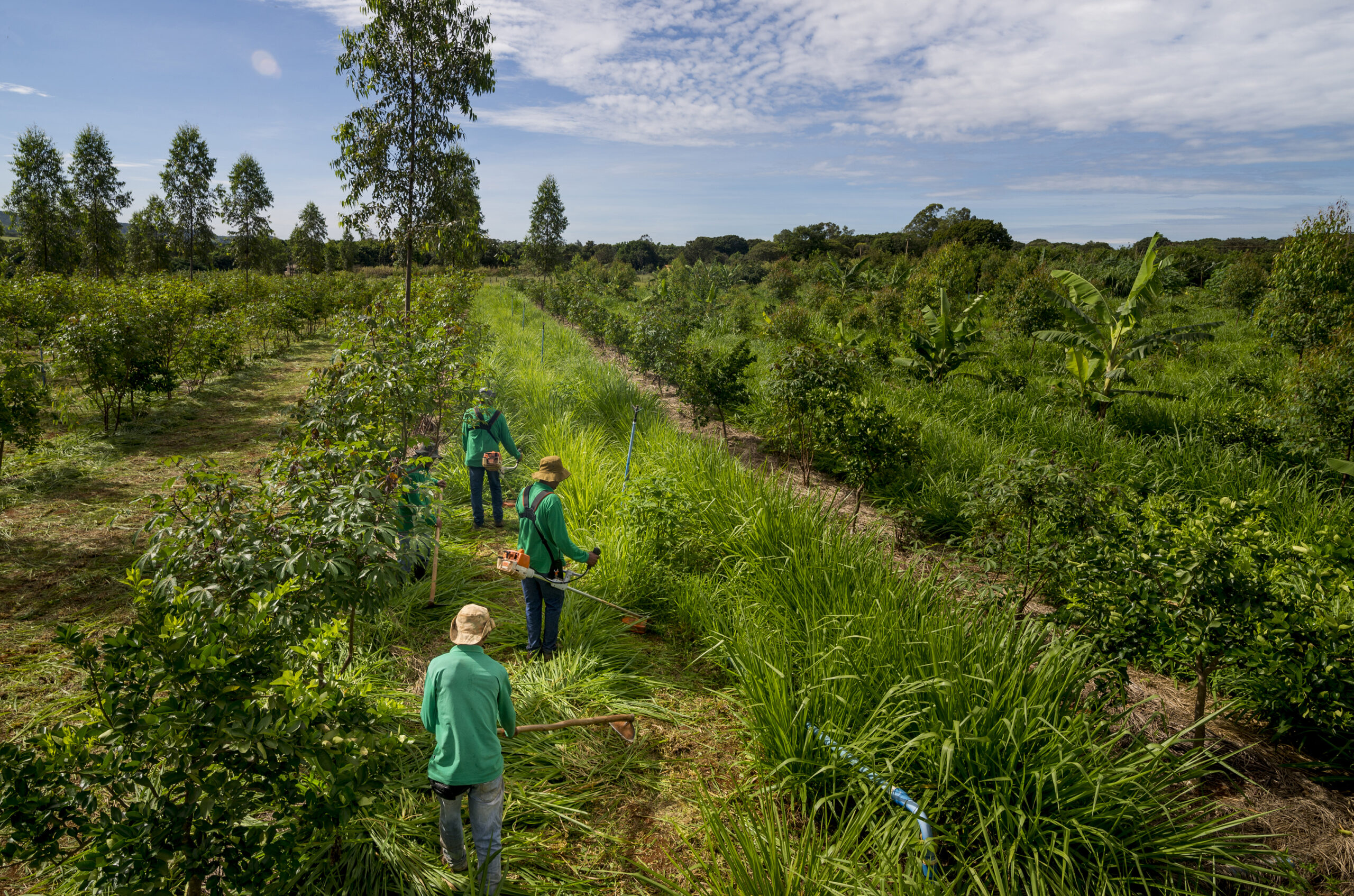
Brazil - Agricultural insurance plummets in Paraná, putting the sector at risk.
Cevio Alberto Mengarda, a soybean and corn producer in Marechal Cândido Rondon, in the western region of Paraná, followed in his father's footsteps in agriculture and today manages the family property.
25.05.2026
Algeria - CASH Assurances to diversify into agriculture insurance
CASH Assurances will launch agriculture insurance plans in June 2026, as part of its diversification strategy.
25.05.2026

U.S. specialty crop growers push for stronger Farm Bill support
Specialty crop growers in the U.S. are calling for stronger support measures in the 2026 Farm Bill, particularly around risk management, market access, and crop insurance.
