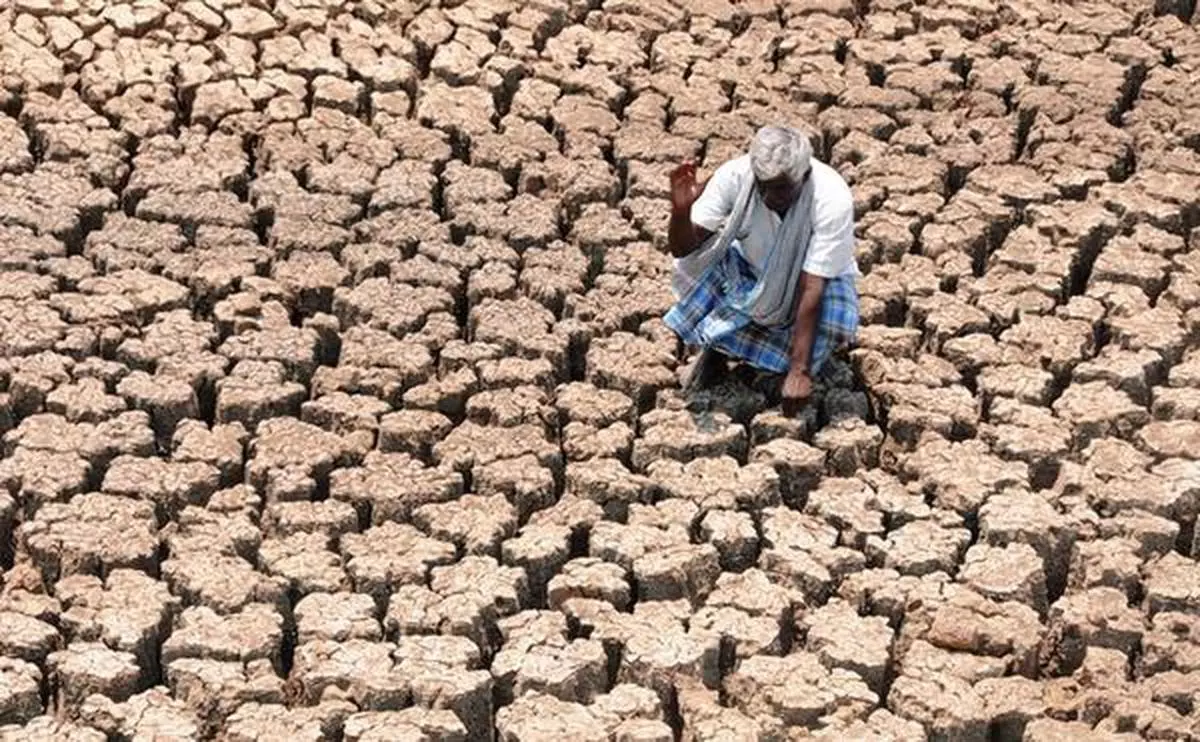
After a week of freezing temperatures, vegetable and citrus farmers across the state are assessing the damage, with widespread losses expected.
“It’s down, it’s beat, it’s withered, and it’s falling apart,” Dante Galeazzi, President and CEO of Texas International Produce Association told news organization Valley Central.
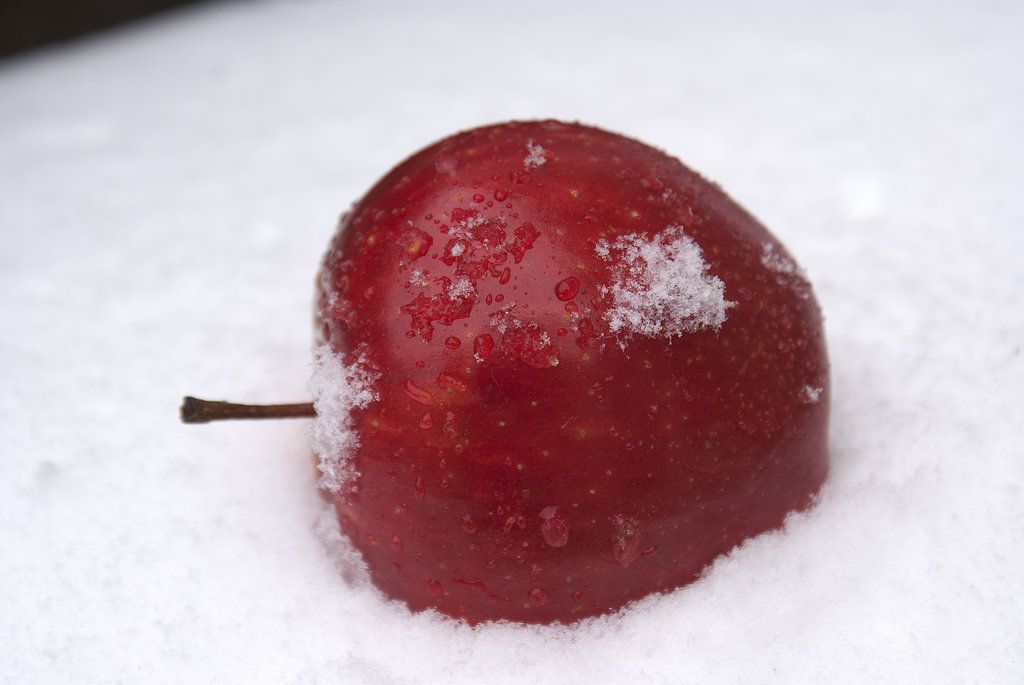
Last weekend, the Texas Citrus Mutual, reported losing 55% of grapefruit crops because of the arctic blast, with citrus industry losses estimated to be at least $300 million.
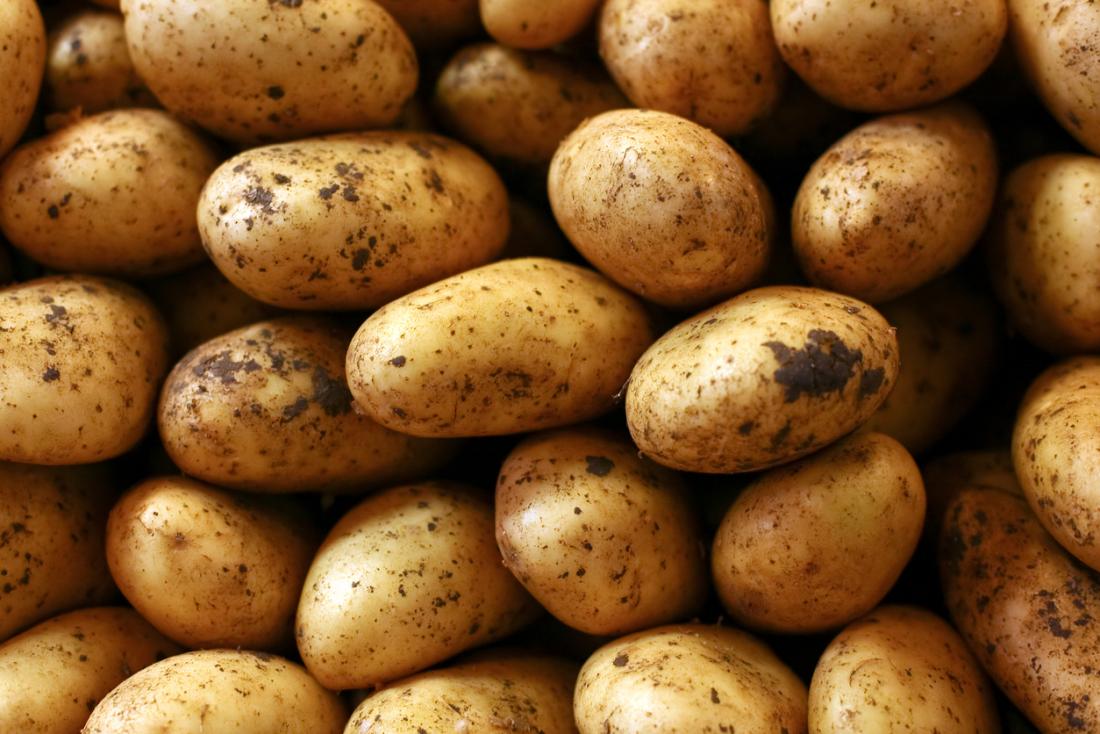
Out of more than 40 vegetable crops grown in the southern Rio Grande Valley, only three are hopeful to survive, onions, cabbage, and potatoes.
“It’s going to be a tough decision for them to decide. Do they go in and try and salvage a little bit or do they just put it all to plow?” said Galeazzi.
Farmers said it is too late to replant most crops, so they are looking at a second straight spring, where they are unable to harvest.
Prices likely to rise for consumers
Little Bear Produce in Edinburg grows, packs, and ships produce, normally it would be peak season. Now, they are plowing over damaged crops and said that more than 700 jobs are now in jeopardy.
“Those folks are suffering too through this time because now the work has dried up,” Bret Erickson, Director of Business Development, Little Bear Produce, was quoted as saying. “That’s their livelihood, and that’s how they put food on the table, and pay their bills. So, this hurts everybody in the community.”
Erickson said they are replanting what they can, Valley Central reported.
“Ultimately mother nature is going to dictate whether you’ve had a successful season or not, but we're resilient and we will most certainly come back stronger,” said Erickson.
The loss does not only economically impact farmers, but the general public too.
“As a consumer, you can expect that your fruit and vegetables are probably going to be a little more expensive over the next six to eight weeks, especially until we have supply from the next growing region,” said Galeazzi.
'Devastating' to have crops destroyed
Meanwhile, Sara Srubar from Srubar Farms said that more than 80 percent of her winter crop froze, Alice Echo-News Journal reports.
"The crops did okay the first part of the intense freeze from Sunday through Tuesday but for some reason, the last two days which were not as cold did them in," Srubar said.
Srubar Farms cultivates five to eight acres of land to grow produce and sells products throughout the Coastal Bend at the farmers' markets in Alice, Corpus Christi and Rockport. They grow 25 different vegetable varieties though only five survived after the winter storm: broccoli, brussels sprouts, red cabbage, carrots and beet crops.
"There is now a waiting period for the soil to warm up to start planting again in mid to late March," Srubar added. "There's going to be a lull because the young winter crops would have been producing throughout the spring and early summer."
"It's devastating to put all this work into something and have it destroyed, but what can you do?"
At F Stop Farm in Manor, that was everything. "We won't have harvestable produce for four weeks," farmer Ryan Farnau told Austin 360 on Sunday. "It's going to be tough. We're going to have to reset."
'A new way' needed of supporting local farmers
Erin Flynn, co-owner of Green Gate Farms, which has two properties - one in Bastrop and one in East Austin - said in a blog post on Thursday: "We had done everything right."
"We bought our supplies and seeds early as we anticipated COVID-induced scarcities, worked overtime prepping fields and planting, then spent countless hours preparing for the storm by covering, watering and mulching. We were as ready as you can be," he said.
But without crop insurance, the farmers are the ones who take the hit. To add more layers of protection for farmers, Flynn wants to see food hubs, preservation laws that protect farmland, farmer education funding, loan forgiveness for students who choose to be farmers, and mentoring programs for new farmers.
Without much produce to sell at markets, many farmers won't have income as they try to restart their crops. Some of them have community-supported agriculture programs, whose members paid for boxes that the farmers now won't be able to fill.
Farmers are left asking customers again to support them by buying their crops in the future.
"What we really need is a whole new way of supporting local farmers," Flynn said.
Source - https://www.freshfruitportal.com