

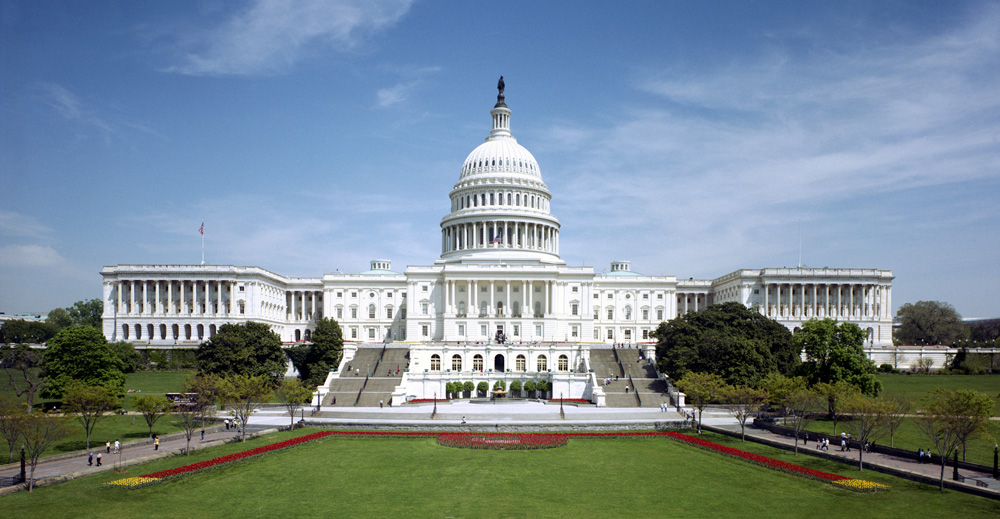
USA - Threats to federal crop insurance loom
26.11.2015 321 views
A deal that was expected to save crop insurance programs from $3 billion in cuts may now be in jeopardy.
According to the American Farm Bureau Federation (AFBF), Senate Minority Leader Harry Reid of Nevada and House Minority Leader Nancy Pelosi of California have indicated they were not part of the agreement House Ag Committee Chairman Mike Conaway announced at the end of October.
That agreement was supposed to save crop insurance from the cuts included in the Bipartisan Budget Act at a later time through an omnibus bill.
The deal appears to have been struck with retired Speaker John Boehner rather than current Speaker Paul Ryan.
After the announcement of a “deal” to save crop insurance, legislators introduced several bills in both the House and the Senate that would strip up to $24 billion from the crop insurance program.
If the bills are passed and crop insurance is cut, farmers and families across the nation will suffer the consequences.
“The last farm bill was over a year ago. Agriculture took about $23 billion in cuts. About the only thing we were going to be able to hold onto, they said, was crop insurance,” TFB President Russell W. Boening said in an interview with the TFB Radio Network. “Now, they’re coming back a year or so later and wanting to go into crop insurance—the one thing we had left, really. Congress cannot balance the federal budget on the back of the American farmer.”
Without crop insurance in 2011 and 2012, many farmers would have suffered much bigger losses. Some would have been forced out of the business altogether without a safety net.
“A blow like that doesn’t just hurt the farmer,” Boening said. “It hurts rural businesses. It hurts industries that depend on agriculture.”
Agriculture as a whole wouldn’t collapse immediately without crop insurance. But it would become much more volatile.
“Whenever you can’t take out deep losses like when you have a drought, the volatility gets to be much more severe,” Boening said. “You will lose operations. You will lose family farms.”
Some experts say that farmers should pay for their crop insurance without government subsidies.
Boening explains that would still create market volatility, which would eventually hurt the American economy.
“Farmers wouldn’t be able to afford it,” Boening said. “There’s no doubt about it. It’s marginal in some areas and on some crops already. If you had to pay the entire premium, you’d go without it. If you went without it, if you had a bad enough year, it would force you to close the doors. We would lose production that we desperately need to feed a hungry world.”
Losing production in one part of the U.S. would affect American agriculture as a whole-especially in difficult crop years. For example, when the Corn Belt suffers from too much or too little rain, the corn growers in Texas and across the South are very important.
Agriculture programs, as a whole, don’t take up much of the federal budget anymore. Proposed cuts to the programs that are left are just additional slashes to an already small piece of the pie.
“I try to explain to them what it costs them in tax money. You can get it down to the average taxpayer pays pennies a day for crop insurance,” Boening said. “I think if the average consumer and taxpayer really studied it, at the end of the day, they would agree it’s a good investment for them.”
Agriculture groups continue to meet with legislators in Washington, D.C. about the proposed cuts.
Source - http://www.porknetwork.com
EVENTS

ScaleAgData Stakeholder Engagement Event
22.10.2024The ScaleAgData project is pleased to invite you to our second stakeholder event. Building on the discussions and connections formed during our first webinar, this event will focus on fostering collaboration among stakeholders, providing updates on our project’s progress, and outlining future opportunities for engagement.
RISK EVENTS

Moldova - May frosts caused heavy damage to fruit orchards
10.05.2026The first frosty nights of May have significantly worsened estimates of damage to Moldova's fruit sector from spring frosts. According to initial assessments by fruit market operators, between a quarter and a third of the country's total orchard area was seriously affected.
26.05.2026
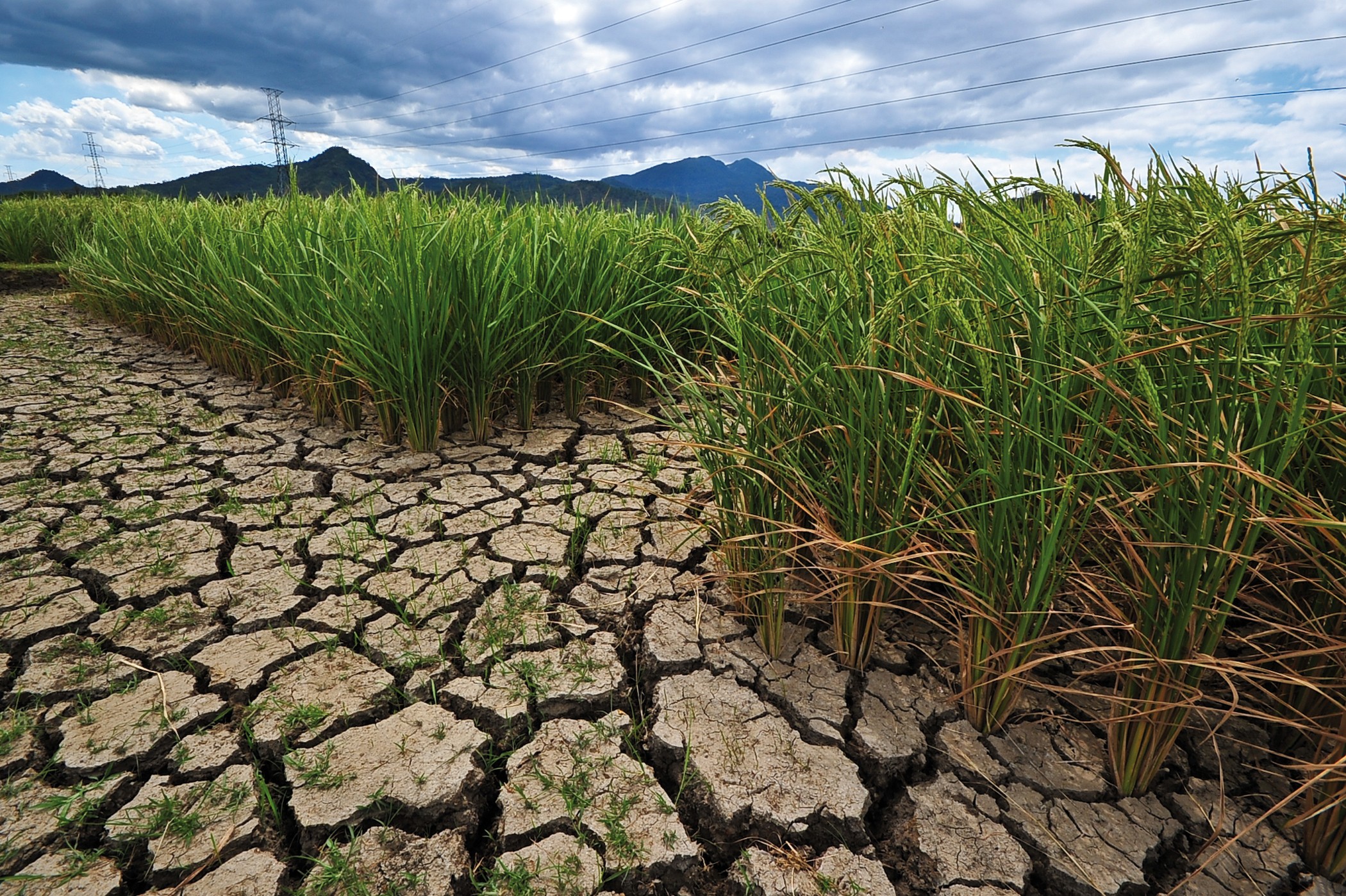
“Timac Agro Ukraine” launches crop insurance against drought
Timac Agro Ukraine, in collaboration with the insurance company PZU, has launched a crop insurance program against drought for farmers in five regions of Ukraine.
26.05.2026

Hansen announces "dialogue with the EIB on new agricultural insurance models"
Integrated European framework for climate resilience 'is on the way'.
26.05.2026
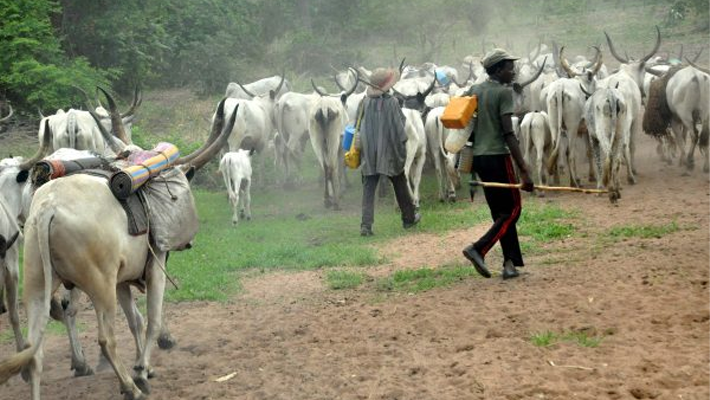
Nigeria - Oyo Steps up Enforcement Against Illegal Livestock Trading, Open Grazing
The Oyo State Government has stepped up enforcement against illegal livestock trading and open grazing, arresting offenders and impounding animals in parts of Ibadan during a fresh compliance operation.
26.05.2026
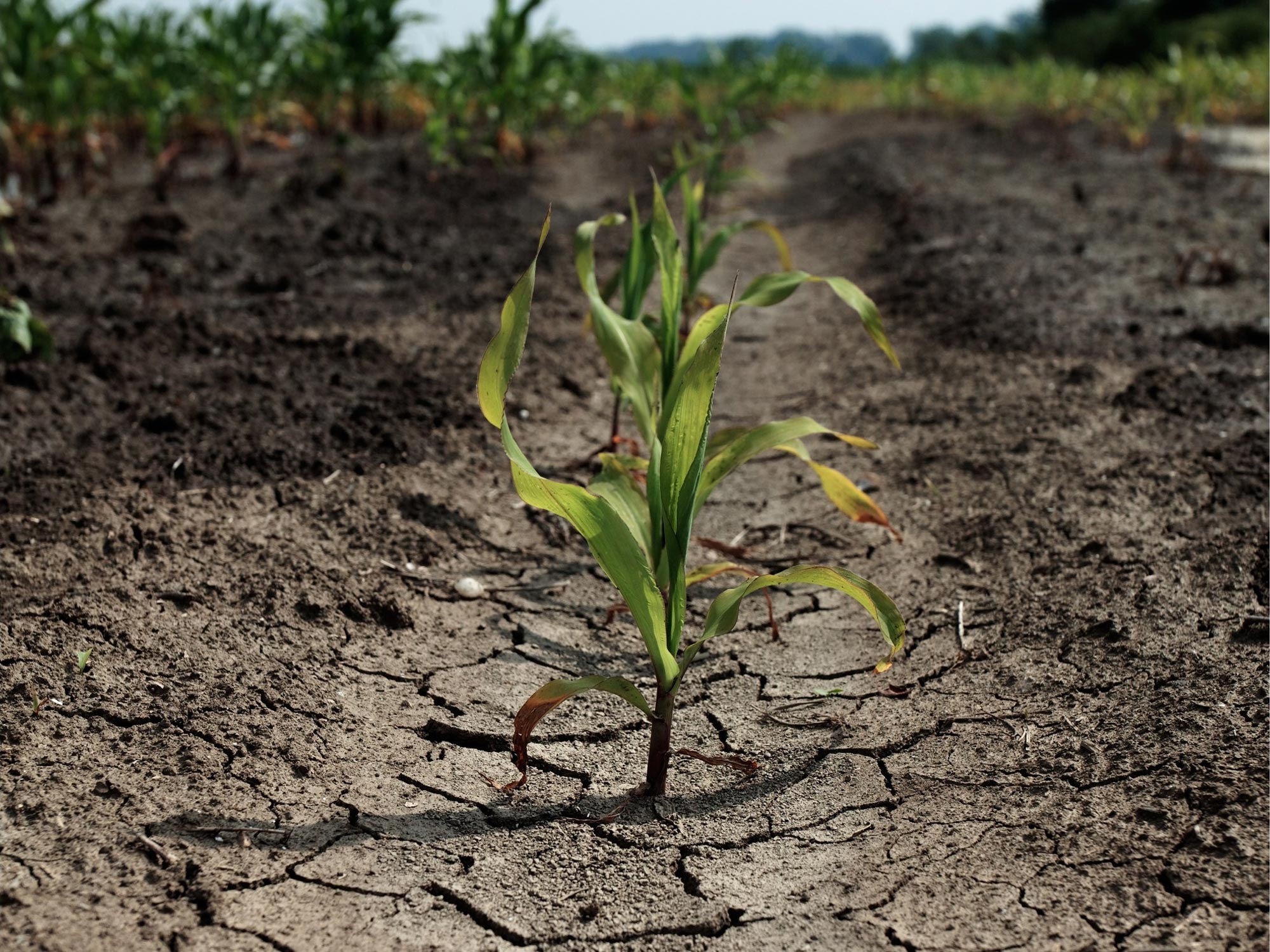
Philippines - Tacloban braces agri, health mitigation measures amid looming super El Niǹo
The City Government of Tacloban has intensified its preparations and mitigation measures as the threat of a possible Super El Niño continues to loom over several parts of the country, bringing concerns over prolonged dry spells, water shortages, and impacts on agriculture and public health.
26.05.2026
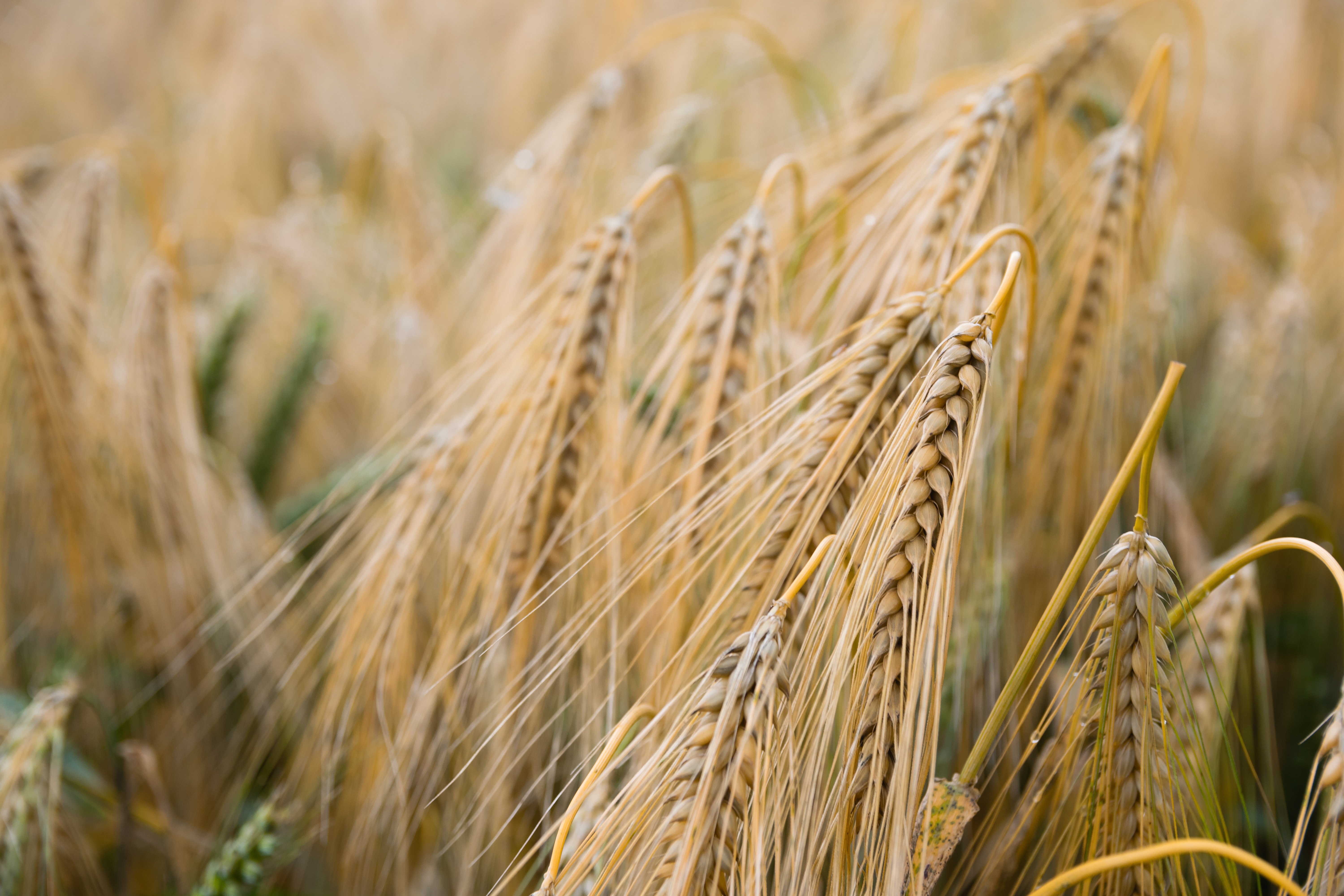
India - Punjab Govt Deploys 500 Teams for Special Girdawari as Rains Damage Wheat
In Punjab, to calculate the damage done to the standing crops in the fields due to the inclement weather for the last many days, the state government has formed teams of 500 officials from the agriculture department to assess losses.
26.05.2026
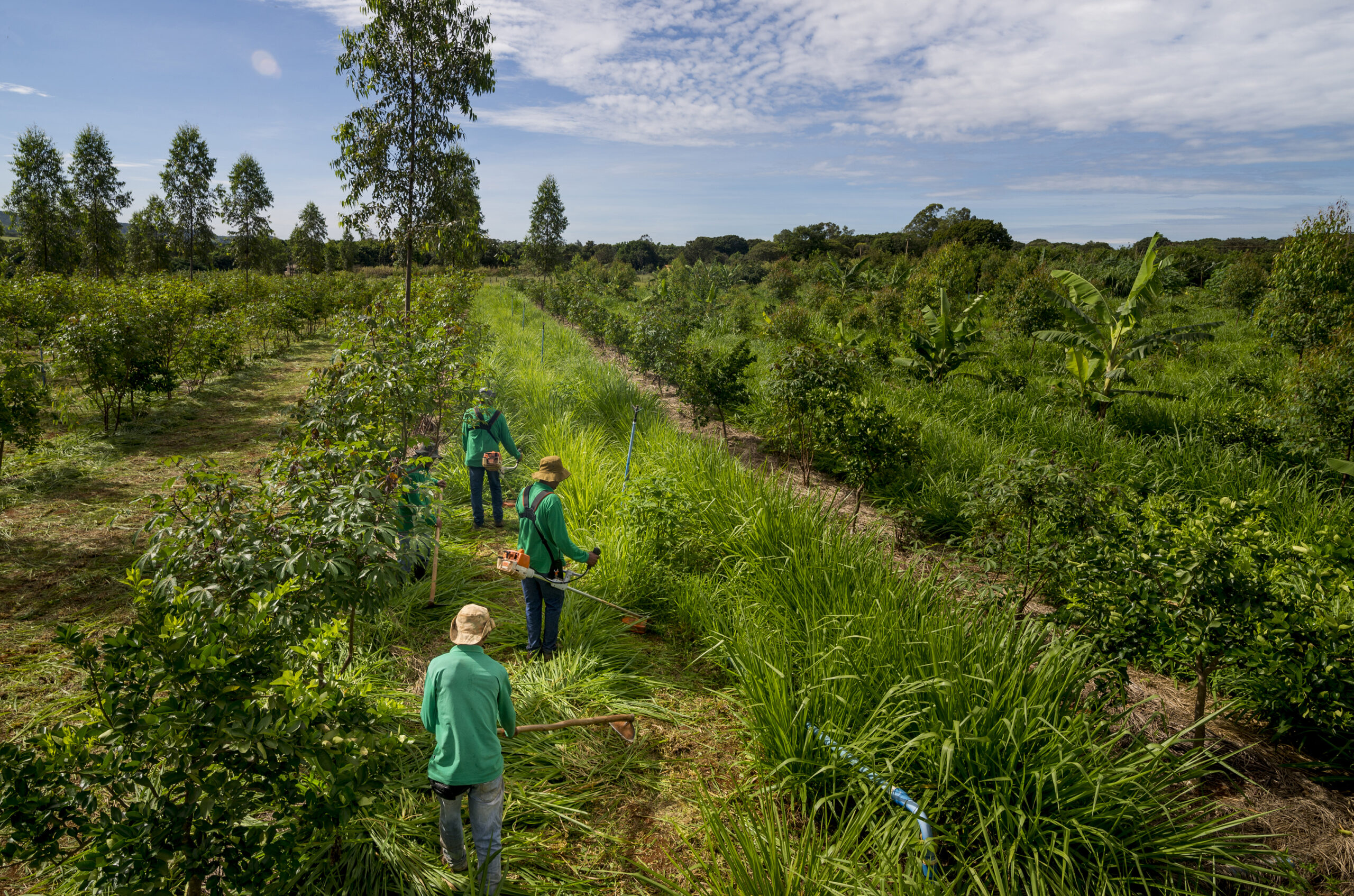
Brazil - Agricultural insurance plummets in Paraná, putting the sector at risk.
Cevio Alberto Mengarda, a soybean and corn producer in Marechal Cândido Rondon, in the western region of Paraná, followed in his father's footsteps in agriculture and today manages the family property.
25.05.2026
Algeria - CASH Assurances to diversify into agriculture insurance
CASH Assurances will launch agriculture insurance plans in June 2026, as part of its diversification strategy.
25.05.2026

U.S. specialty crop growers push for stronger Farm Bill support
Specialty crop growers in the U.S. are calling for stronger support measures in the 2026 Farm Bill, particularly around risk management, market access, and crop insurance.
