

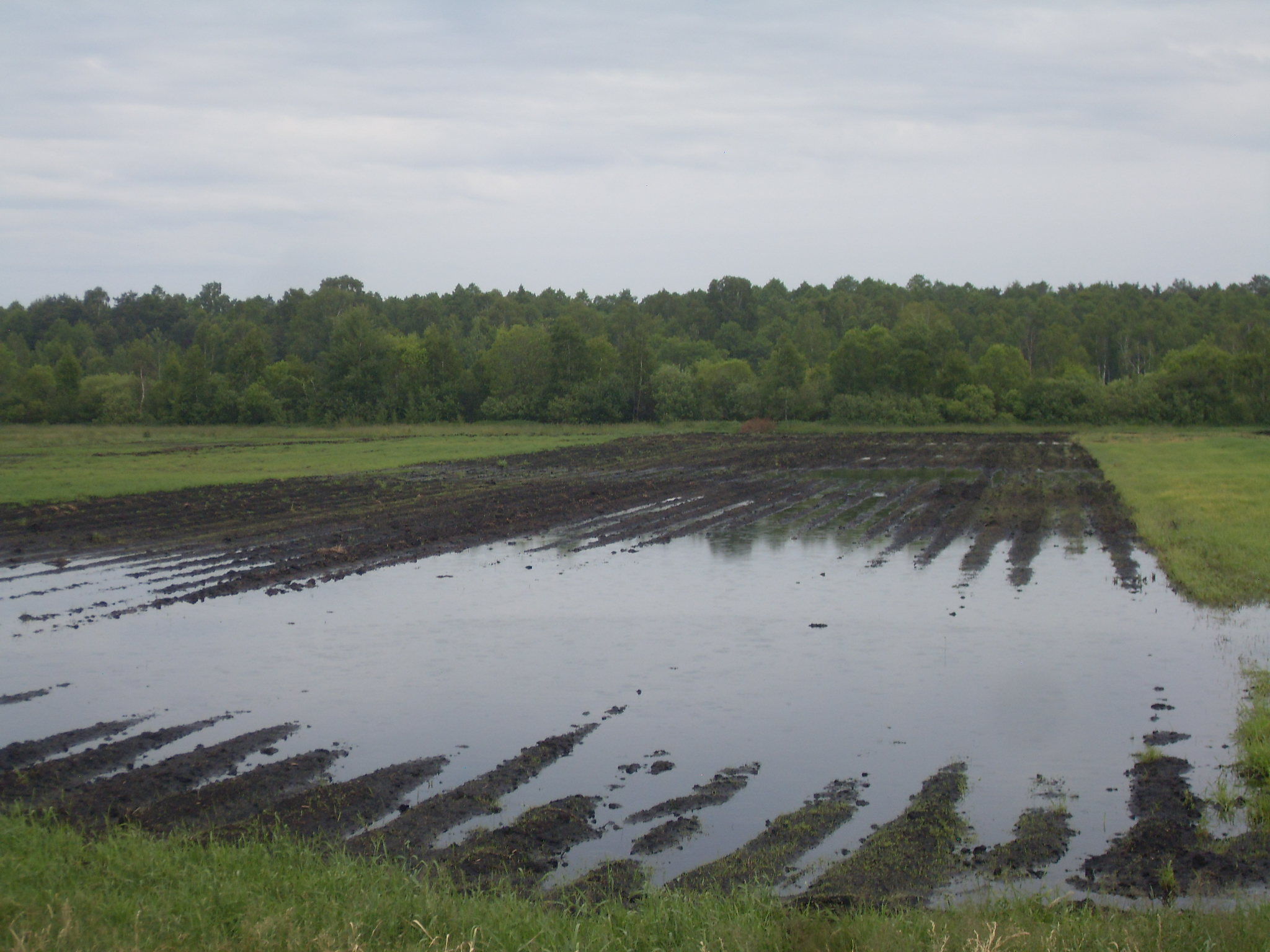
USA - USDA Offers Assistance to Carolina Farmers and Ranchers Affected by Floods
13.10.2015 288 views
The U.S. Department of Agriculture reminds farmers and ranchers affected by the recent floods in North and South Carolina that USDA has programs to assist with their recovery efforts. State and county staff in USDA’s Farm Service Agency, Natural Resources Conservation Service and Risk Management Agency stand ready to help.
“The catastrophic flooding in the Carolinas has caused unimaginable hardship for many producers, including farmers who are waiting for fields to dry so they can assess the damage and harvest what is salvageable of their crops,” said FSA Administrator Val Dolcini. “I encourage producers who experienced losses to take advantage of available disaster assistance programs and loans to alleviate part of the financial burden caused by devastating floods.”
Dolcini adds that farmers and ranchers should contact their FSA office to set an appointment during this busy season. He said it is important to learn what documents can help the local office expedite assistance, such as farm records, receipts and pictures of damages or losses.
FSA administers a suite of safety-net programs to help producers recover from eligible losses, including the Livestock Indemnity Program, the Emergency Assistance for Livestock, Honeybees, and Farm-Raised Fish Program, Emergency Forest Restoration Program and the Tree Assistance Program. Additionally, the FSA Emergency Conservation Program provides funding and technical assistance for farmers and ranchers to rehabilitate farmland damaged by natural disasters. Producers located in counties that received a primary or contiguous disaster designation are eligible for low-interest emergency loans to help them recover from production and physical losses. Compensation is also available to producers who purchased coverage through the Non-insured Crop Disaster Assistance Program, which protects non-insurable crops against natural disasters that result in lower yields, crop losses or prevented planting.
Producers should use form FSA-576, Notice of Loss, to report prevented planting and failed acres in order to establish or retain FSA program eligibility. Prevented planting acreage must be reported no later than 15 calendar days after the final planting date as established by FSA and RMA. Producers must file a Notice of Loss for failed acres on all crops including grasses in a timely fashion, often within 15 days of the occurrence or when the losses become apparent. Producers of hand-harvested crops must notify FSA of damage or loss within 72 hours of when the date of damage or loss first becomes apparent.
USDA’s NRCS can also help producers with damaged agricultural lands caused by natural disasters such as floods. The NRCS Environmental Quality Incentives Program (EQIP) provides financial assistance to repair and prevent excessive soil erosion that can result from high rainfall events and flooding. Conservation practices supported through EQIP protect the land and aid in recovery, can build the natural resource base, and may help mitigate loss in future events. For declared natural disasters that lead to imminent threats to life and property, such as those declared this week in South Carolina, NRCS can assist local government sponsors with the cost of implementing recovery efforts like debris removal and streambank stabilization to address natural resource concerns and hazards through the Emergency Watershed Protection Program.
“The flood event taking place in North and South Carolina is of historic proportions. As the flood waters recede, we may begin seeing land damage such as erosion that happened not only during the rainfall events, but was caused by the receding waters,” said NRCS Chief Jason Weller. “It is critical that farmers, ranchers and forestland owners have financial and technical resources available to protect their natural resources and operations now and as recovery from these disasters begins.”
Producers with coverage through the RMA administered federal crop insurance program should contact their crop insurance agent. Those who purchased crop insurance will be paid for covered losses.
“No one knows if or when situations like the floods that have devastated the Carolinas may happen. Federal crop insurance provides an effective farm safety net to help farmers recover,” said RMA Administrator Brandon Willis.
Producers should report crop damage within 72 hours of damage discovery and follow up in writing within 15 days. They should have Farm Service Agency documents that provide the number of acres and locations of insured crops ready to show the adjuster
Source - http://bladenjournal.com
EVENTS

ScaleAgData Stakeholder Engagement Event
22.10.2024The ScaleAgData project is pleased to invite you to our second stakeholder event. Building on the discussions and connections formed during our first webinar, this event will focus on fostering collaboration among stakeholders, providing updates on our project’s progress, and outlining future opportunities for engagement.
RISK EVENTS

Moldova - May frosts caused heavy damage to fruit orchards
10.05.2026The first frosty nights of May have significantly worsened estimates of damage to Moldova's fruit sector from spring frosts. According to initial assessments by fruit market operators, between a quarter and a third of the country's total orchard area was seriously affected.
26.05.2026
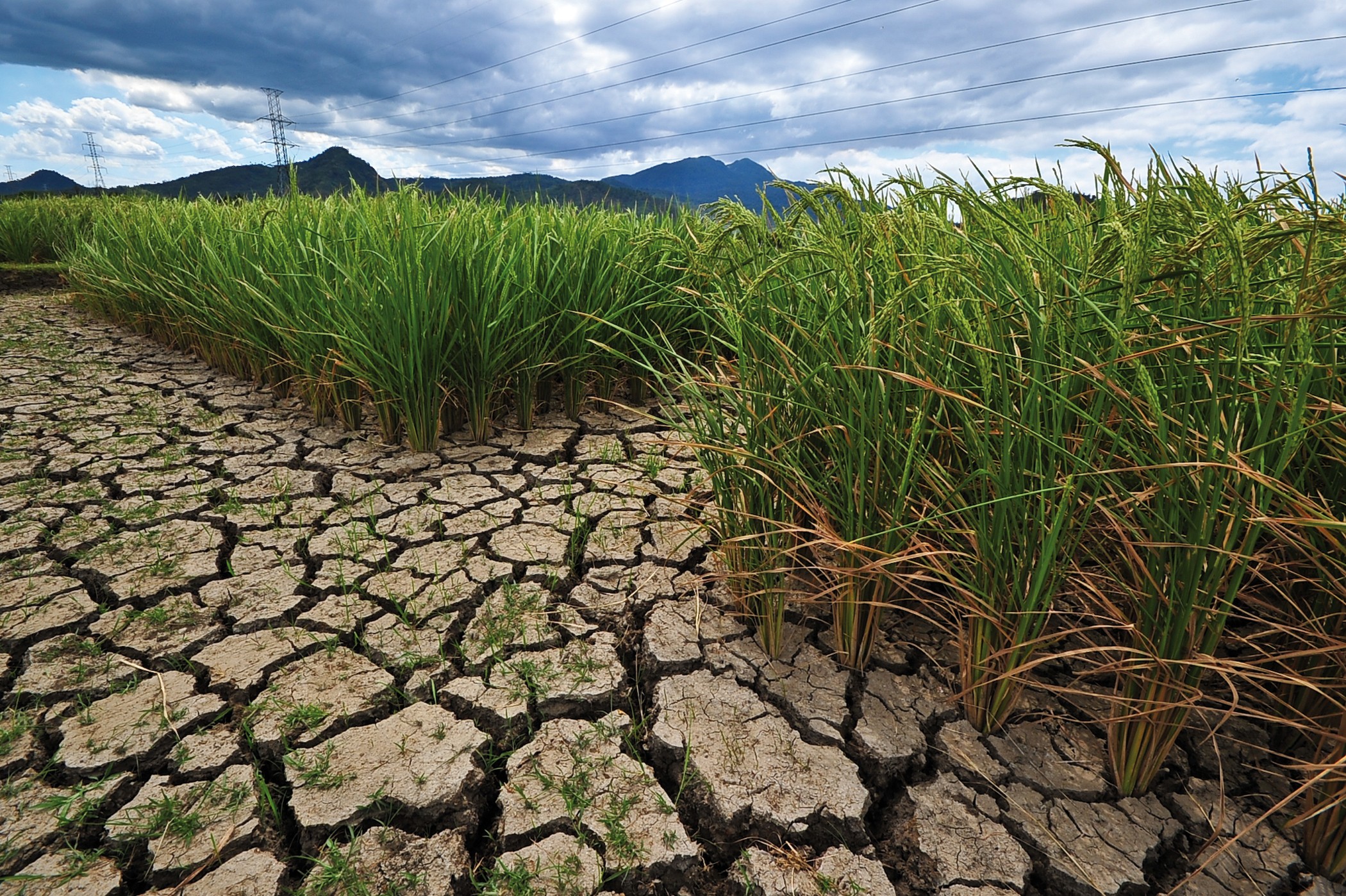
“Timac Agro Ukraine” launches crop insurance against drought
Timac Agro Ukraine, in collaboration with the insurance company PZU, has launched a crop insurance program against drought for farmers in five regions of Ukraine.
26.05.2026

Hansen announces "dialogue with the EIB on new agricultural insurance models"
Integrated European framework for climate resilience 'is on the way'.
26.05.2026
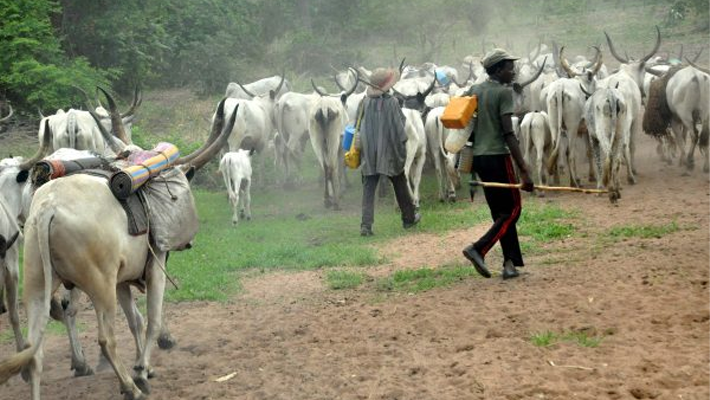
Nigeria - Oyo Steps up Enforcement Against Illegal Livestock Trading, Open Grazing
The Oyo State Government has stepped up enforcement against illegal livestock trading and open grazing, arresting offenders and impounding animals in parts of Ibadan during a fresh compliance operation.
26.05.2026
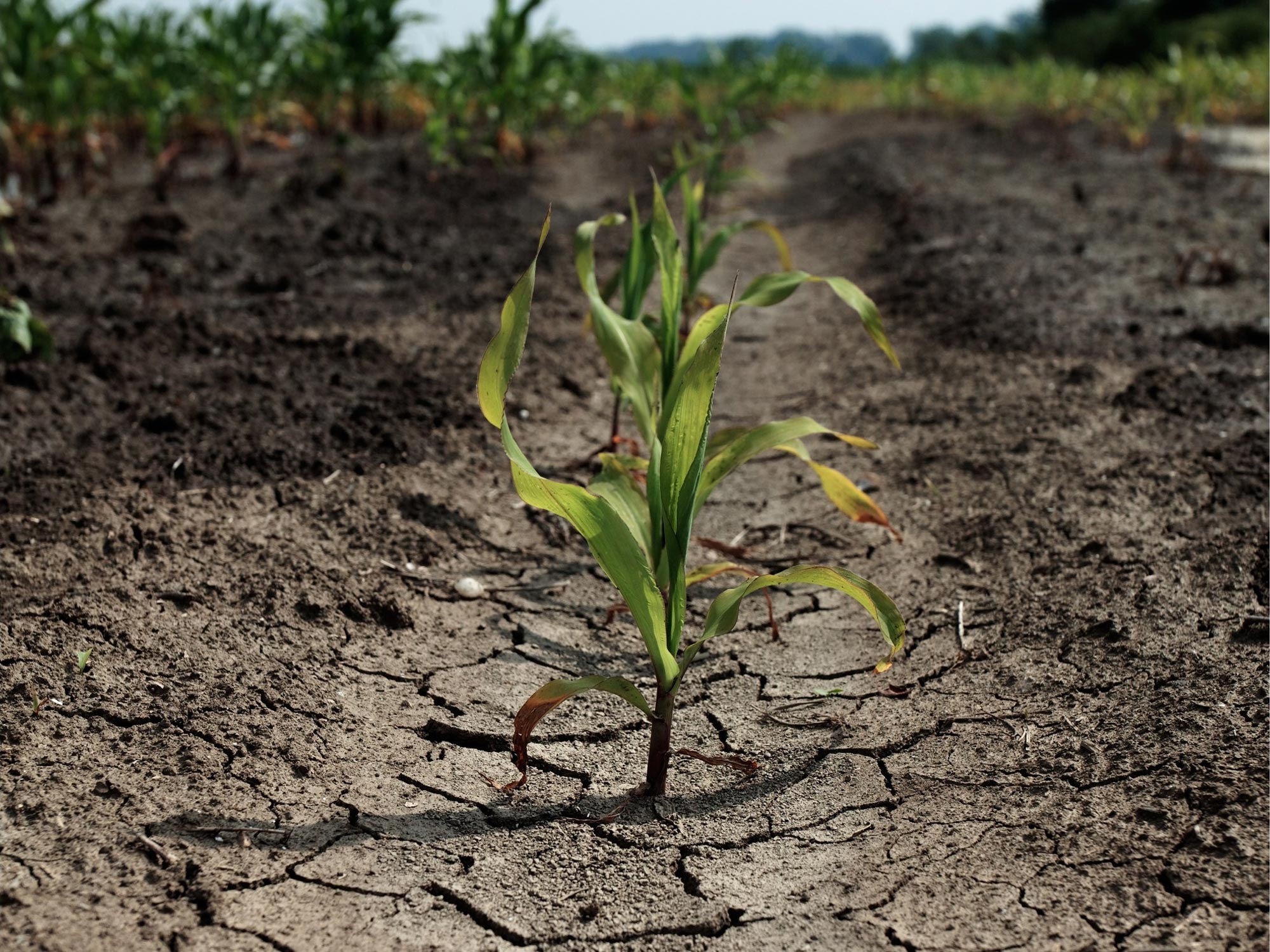
Philippines - Tacloban braces agri, health mitigation measures amid looming super El Niǹo
The City Government of Tacloban has intensified its preparations and mitigation measures as the threat of a possible Super El Niño continues to loom over several parts of the country, bringing concerns over prolonged dry spells, water shortages, and impacts on agriculture and public health.
26.05.2026

India - Punjab Govt Deploys 500 Teams for Special Girdawari as Rains Damage Wheat
In Punjab, to calculate the damage done to the standing crops in the fields due to the inclement weather for the last many days, the state government has formed teams of 500 officials from the agriculture department to assess losses.
26.05.2026
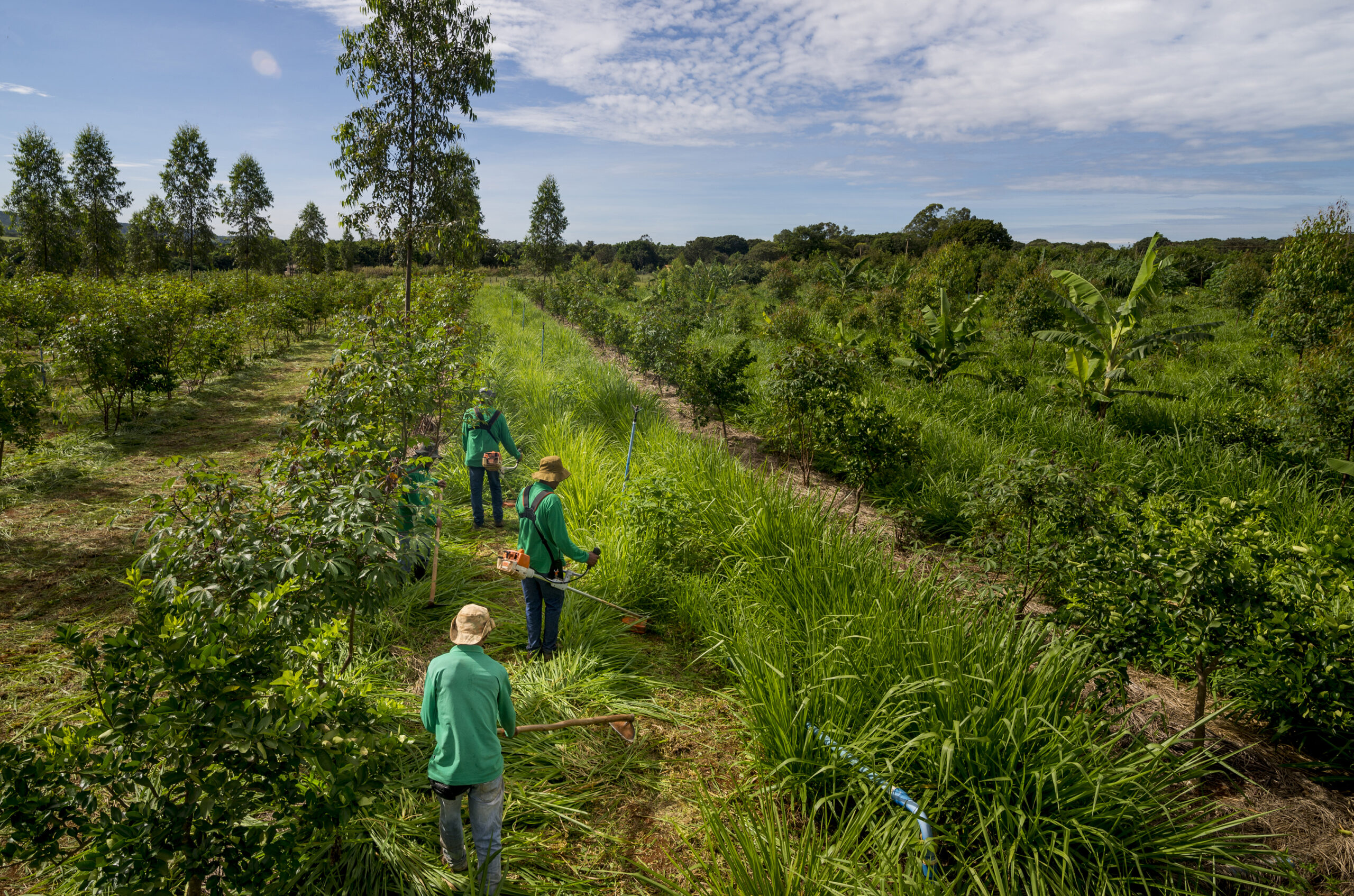
Brazil - Agricultural insurance plummets in Paraná, putting the sector at risk.
Cevio Alberto Mengarda, a soybean and corn producer in Marechal Cândido Rondon, in the western region of Paraná, followed in his father's footsteps in agriculture and today manages the family property.
25.05.2026

Algeria - CASH Assurances to diversify into agriculture insurance
CASH Assurances will launch agriculture insurance plans in June 2026, as part of its diversification strategy.
25.05.2026

U.S. specialty crop growers push for stronger Farm Bill support
Specialty crop growers in the U.S. are calling for stronger support measures in the 2026 Farm Bill, particularly around risk management, market access, and crop insurance.
