

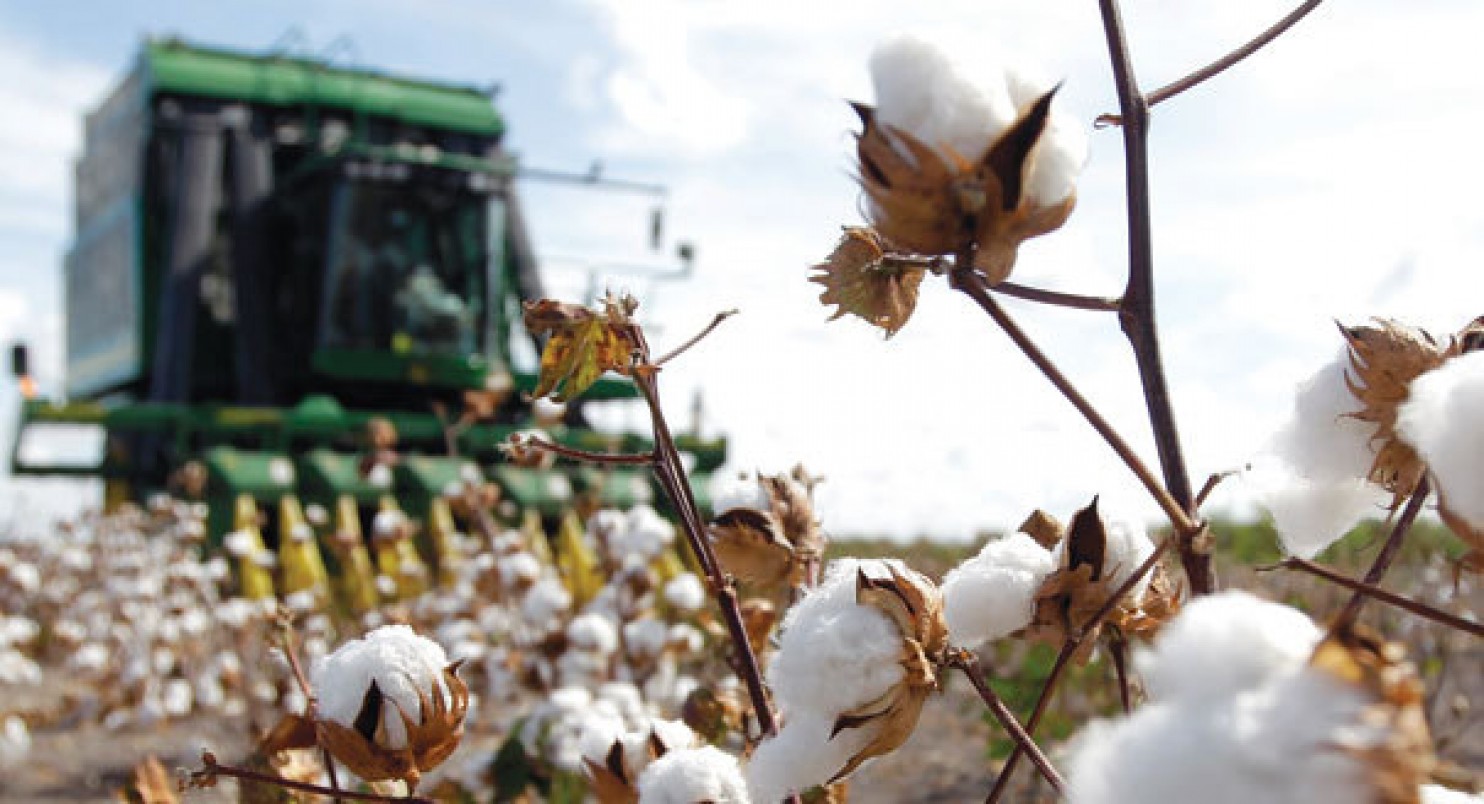
USA - Will The Obama Administration Give Cotton Growers A New $10 Billion Subsidy?
02.02.2016 390 views
Just before the holidays, 100 members of Congress wrote to Secretary of Agriculture Tom Vilsack on the cotton industry’s behalf, urging the U.S. Department of Agriculture to add cottonseed to the list of crops eligible for subsidy payments under the Agriculture Risk Coverage and Price Loss Coverage programs.
We suspected that this was going to be a pretty expensive proposition. Now we know. The price tag for subsidizing cottonseed turns out to be a whopping $10 billion over the next 10 years.
Historically, the cotton industry has benefitted substantially from government support and farm subsidies. According to EWG’s farm subsidy database, cotton farmers as a group ranked third in terms of farm subsidy dollars between 1995 and 2012. According to a recent article in U.S. News and World Report by Daniel Sumner, a professor of agricultural economics at the University of California at Davis, until about 10 years ago, cotton growers routinely received half or more of their revenue from government payments and farm programs.
But the cotton industry’s gravy train came to a halt.
Brazil challenged U.S. cotton subsidies in a case before the World Trade Organization in 2002. It won and was allowed to levy $830 million in trade sanctions against the U.S. In 2010, the U.S. agreed to compensate Brazilian cotton farmers $147 million a year in exchange for postponing sanctions. The long-running trade dispute over cotton subsidies was finally resolved by the 2014 Farm Bill. Congress set aside $300 million to pay the Brazil Cotton Institute and removed cotton from the list of crops eligible to receive Title 1 farm subsidies.
But subsidies to the cotton industry didn’t stop flowing. The 2014 Farm Bill gave cotton growers a supercharged income support crop insurance program – the Stacked Income Protection Plan (STAX) – which guaranteed them up to 90 percent of the expected revenue in an “area.” Cotton growers who signed up for STAX received an 80 percent premium subsidy, the highest crop insurance subsidy in the law.
In exchange for STAX, the cotton industry agreed it wouldn’t dip into the two major farm subsidy programs available to other crops – ARC and PLC.
But then it broke the deal.
According to estimates in December by the U.S. Department of Agriculture, if cotton growers are allowed to receive PLC payments, the taxpayers could be out nearly $1 billion a year -- $10 billion over 10 years. A new assessment by economists at Ohio State University and the University of Illinois confirms USDA’s numbers.
PLC payments are triggered when the market price for a commodity falls below the “reference price” listed in the statute. Since the price of cottonseed (9.7 cents per pound) is well below the reference price for all “other oilseeds” (20 cents per pound), the payout for cotton would be big.
Such a hefty price tag would likely trigger major cuts to conservation expenditures or other farm programs. According to EWG’s analysis, farm subsidy spending over the next three years is expected to dwarf previous expectations. New estimates released this week by the Congressional Budget Office indicate that the costs of the ARC and PLC programs over the next three years could rise to $19.7 billion – 70 percent higher than it projected when Congress passed the 2014 Farm Bill. What’s more, ARC and PLC are expected to cost $9.7 billion more than originally promised when the farm bill was passed. Paying an additional $10 billion over the next 10 years to cotton growers would certainly spell cuts to farm programs that benefit family farmers and the environment.
And that’s not all.
What we don’t know yet is the extent to which the cotton industry’s cottonseed gambit could reignite trade disputes with Brazil or other countries. Sumner and his colleagues argue that STAX may already be suppressing world cotton prices by at least six percent. If cottonseed is made eligible for ARC and PLC payments, Brazil and other nations could go to the WTO with new challenges to U.S. farm subsidies.
Should Brazil or any other country prevail in opposing the cottonseed subsidy at the WTO, the U.S. would would once again be vulnerable to hundreds of millions of dollars in high tariffs on U.S. exports such as vehicles, pharmaceuticals, electronics and agricultural products.
Vilsack is taking his time deciding whether to grant the industry’s request to list cottonseed as a crop eligible for ARC and PLC subsidies. The question is, will he and others who set U.S. farm policy learn from past mistakes? Or are they doomed to repeat them?
Source - ewg.org
EVENTS

ScaleAgData Stakeholder Engagement Event
22.10.2024The ScaleAgData project is pleased to invite you to our second stakeholder event. Building on the discussions and connections formed during our first webinar, this event will focus on fostering collaboration among stakeholders, providing updates on our project’s progress, and outlining future opportunities for engagement.
RISK EVENTS

Moldova - May frosts caused heavy damage to fruit orchards
10.05.2026The first frosty nights of May have significantly worsened estimates of damage to Moldova's fruit sector from spring frosts. According to initial assessments by fruit market operators, between a quarter and a third of the country's total orchard area was seriously affected.
26.05.2026
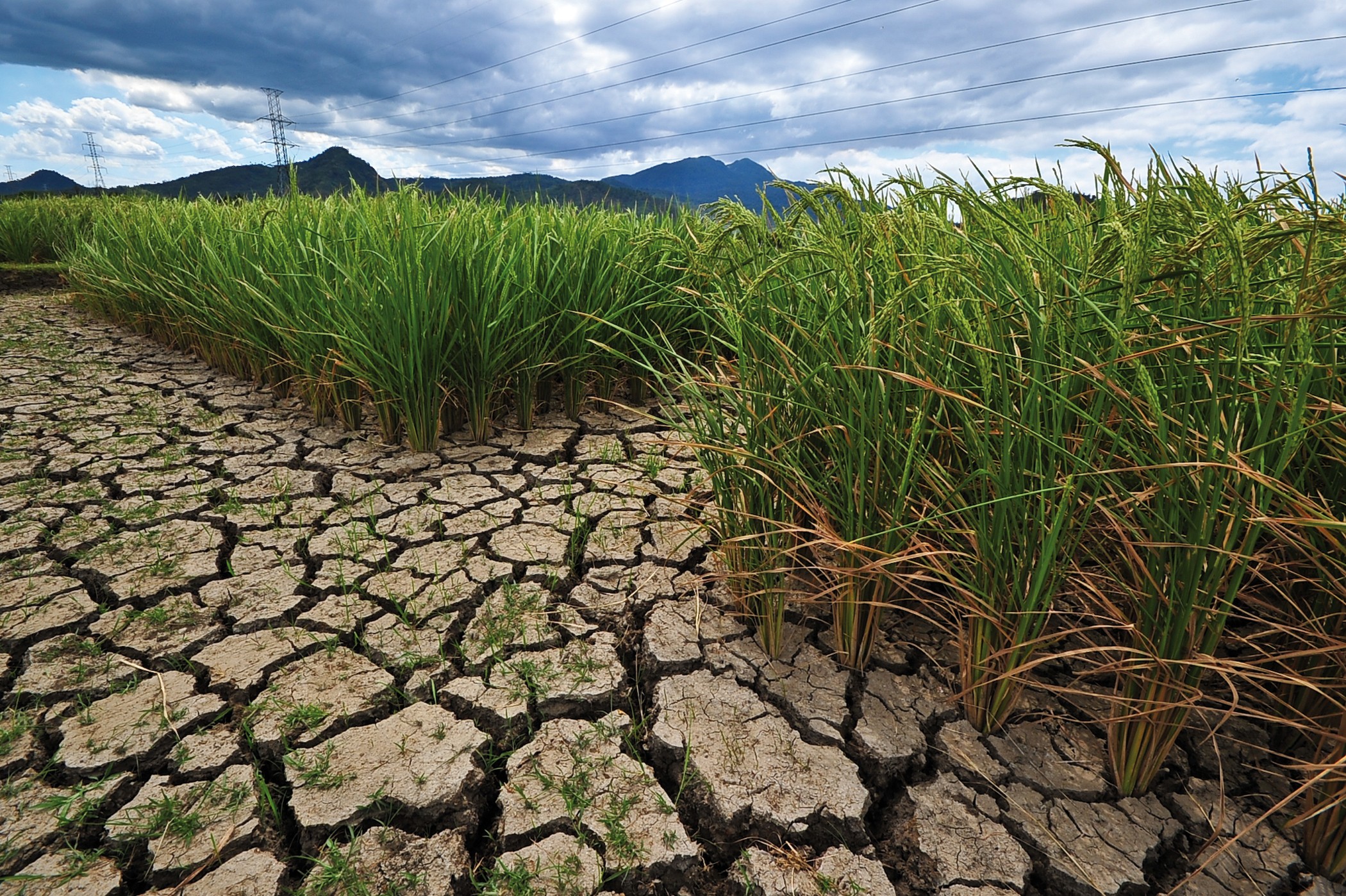
“Timac Agro Ukraine” launches crop insurance against drought
Timac Agro Ukraine, in collaboration with the insurance company PZU, has launched a crop insurance program against drought for farmers in five regions of Ukraine.
26.05.2026
Hansen announces "dialogue with the EIB on new agricultural insurance models"
Integrated European framework for climate resilience 'is on the way'.
26.05.2026
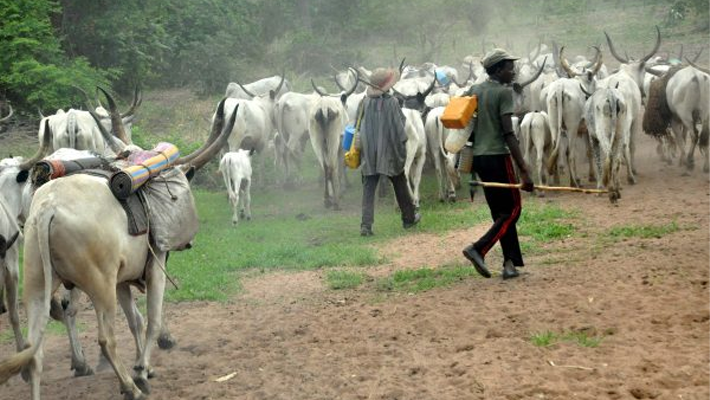
Nigeria - Oyo Steps up Enforcement Against Illegal Livestock Trading, Open Grazing
The Oyo State Government has stepped up enforcement against illegal livestock trading and open grazing, arresting offenders and impounding animals in parts of Ibadan during a fresh compliance operation.
26.05.2026
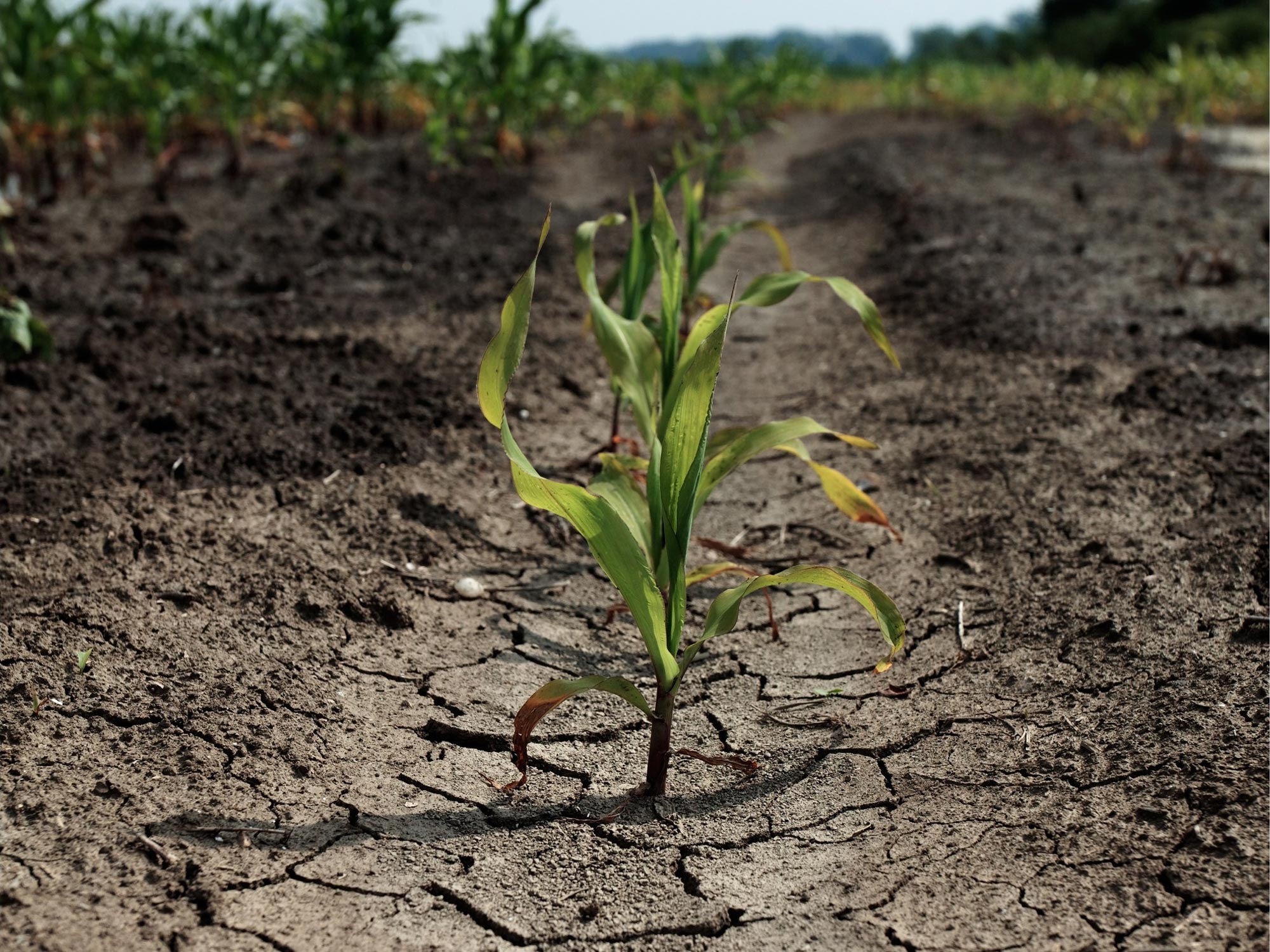
Philippines - Tacloban braces agri, health mitigation measures amid looming super El Niǹo
The City Government of Tacloban has intensified its preparations and mitigation measures as the threat of a possible Super El Niño continues to loom over several parts of the country, bringing concerns over prolonged dry spells, water shortages, and impacts on agriculture and public health.
26.05.2026
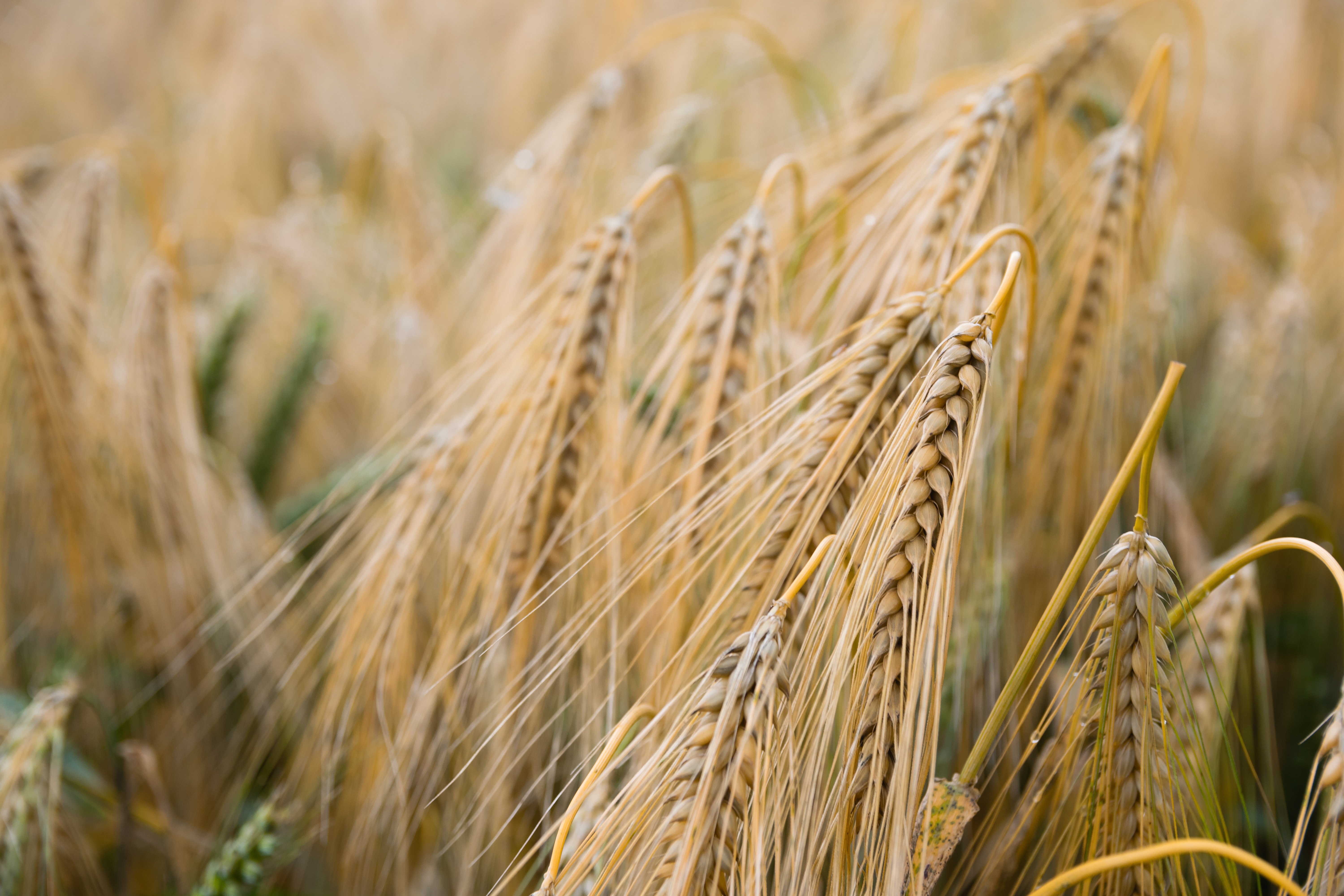
India - Punjab Govt Deploys 500 Teams for Special Girdawari as Rains Damage Wheat
In Punjab, to calculate the damage done to the standing crops in the fields due to the inclement weather for the last many days, the state government has formed teams of 500 officials from the agriculture department to assess losses.
26.05.2026
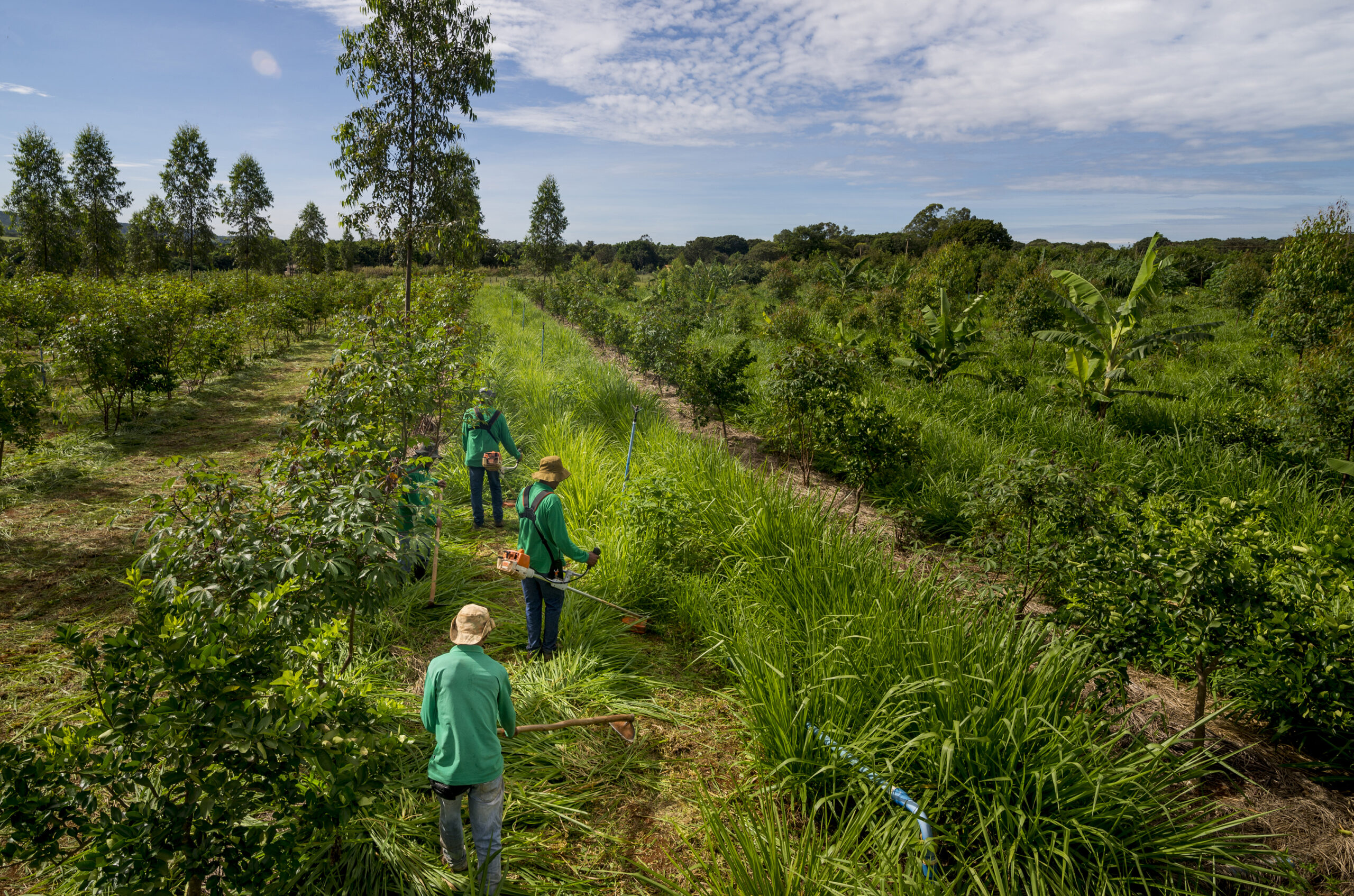
Brazil - Agricultural insurance plummets in Paraná, putting the sector at risk.
Cevio Alberto Mengarda, a soybean and corn producer in Marechal Cândido Rondon, in the western region of Paraná, followed in his father's footsteps in agriculture and today manages the family property.
25.05.2026
Algeria - CASH Assurances to diversify into agriculture insurance
CASH Assurances will launch agriculture insurance plans in June 2026, as part of its diversification strategy.
25.05.2026
U.S. specialty crop growers push for stronger Farm Bill support
Specialty crop growers in the U.S. are calling for stronger support measures in the 2026 Farm Bill, particularly around risk management, market access, and crop insurance.
