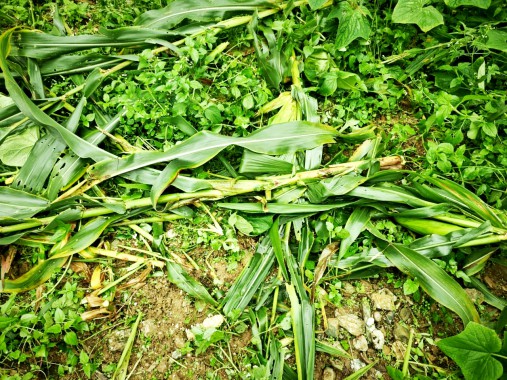
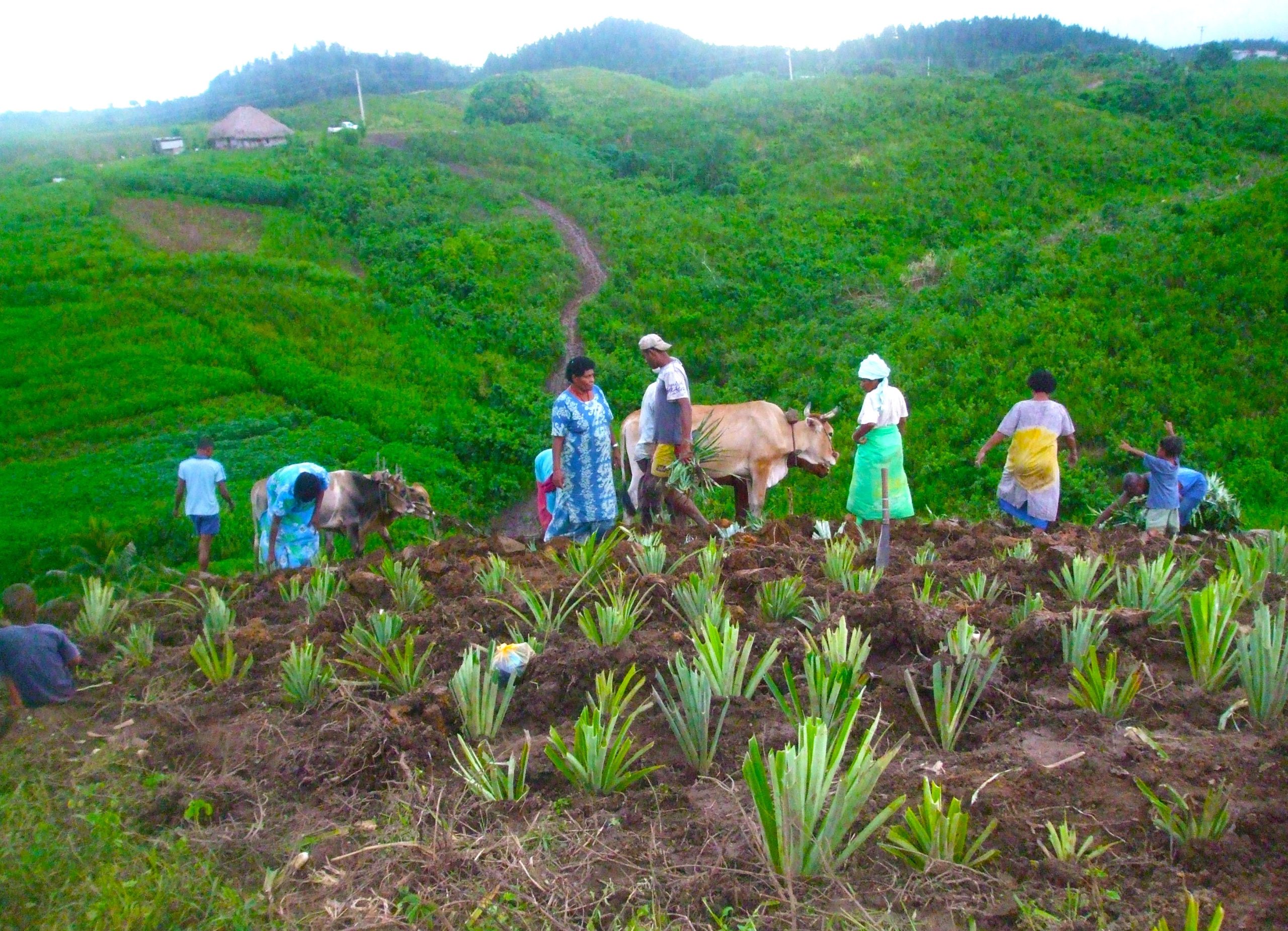
Norman R. Cajucom, senior vice-president of the Philippine Crop Insurance Corp., said insured agricultural losses from damages caused by Typhoon Haiyan is estimated at 300 million Philippine pesos ($6.8 million).
Broken down, agricultural losses in Region 8 (Eastern Visayas) alone were estimated at some P200 million while losses in other affected provinces such as Cebu and Bohol were pegged at P100 million, Mr. Cajucom said.
The number of farmers affected, meanwhile, has been estimated at 10,200.
Eastern Visayas, particularly the provinces of Samar and Leyte, bore the brunt of typhoon Yolanda, which battered the central Philippines last month.
As of yesterday, Yolanda one of the strongest typhoons on record has left 6,057 individuals dead, while the cost of damage was pegged at P35.57 billion.
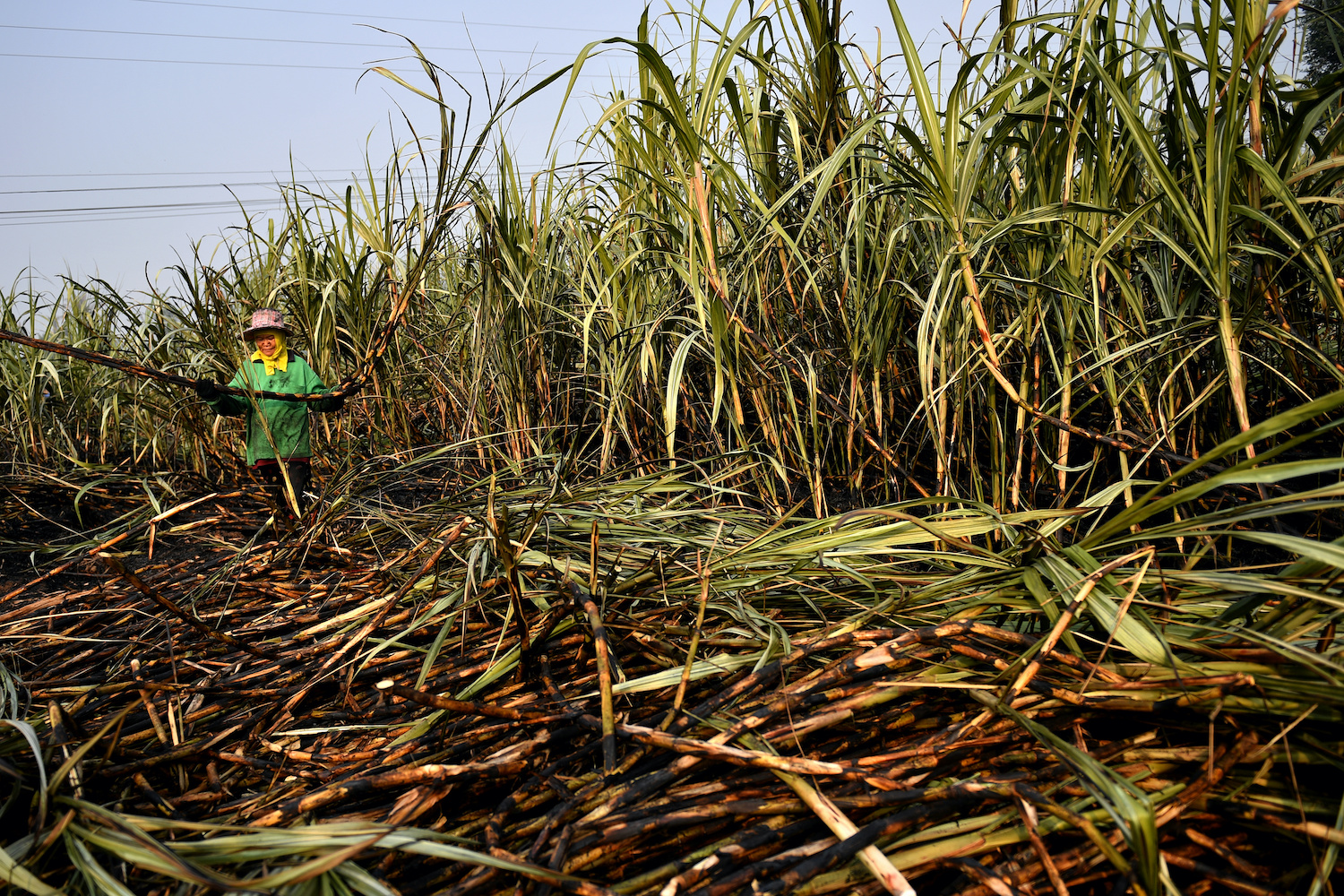
"Actually, we are somehow fortunate because some farmers already harvested rice and corn before the typhoon," Mr. Cajucom said.
PCIC, an attached agency of the Department of Agriculture, said it is ready to absorb and settle all the claims of farmers affected by the typhoon. For 2013, it was given a full-year budget of P1.183 billion.
"We prepare even before the peak of most claims," Mr. Cajucom said, adding that PCIC has "reinsurance facility as one of its risk management measures."
The National Reinsurance Corp. of the Philippines or PhilNaRe is the reinsurer for non-life assets, high-value crops and livestock, Mr. Cajucom noted.
The recent calamity only underlined the need for insurance protection, especially for farmers whose means of livelihood are directly affected by climate change-related disasters, he also said.
"Insurance is really an effective protection from climate change.... The most efficient way to protect our farmers is by providing replacement costs through insurance," he said, also noting increasing awareness among farmers on the benefits of being insured.
"There is a big demand now for [insurance] products.... Before, farmers think they don’t need insurance coverage. Now, they are very much interested to be protected," Mr. Cajucom said.
PCIC data showed that, as of August, the number of farmers who availed of agricultural insurance products rose 84% to 410,946 from 223,683 in the same period last year.
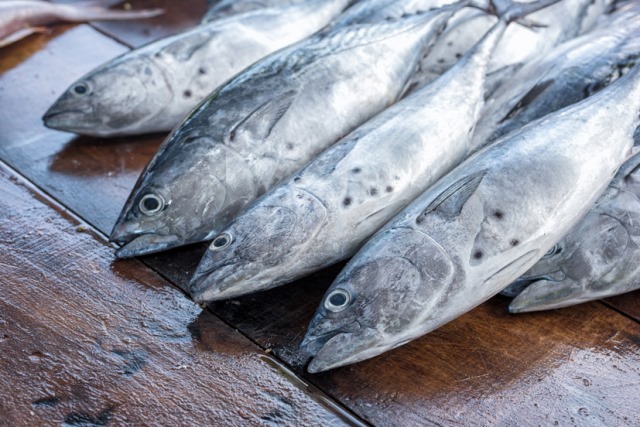
Moreover, Mr. Cajucom said: "PCIC is currently in the process of developing innovative products to better serve farmers and fisherfolks."
For instance, the insurer is pilot-testing an index-based crop insurance scheme where the estimated cost of damage will be determined using weather factors like wind speed and rainfall levels.
PCIC aims to implement the new crop scheme by next year’s wet season, Mr. Cajucom said.
In the 2012 World Disasters Report of the International Federation of Red Cross and Red Crescent Societies, the Philippines was tagged the third most disaster-prone country in the world. The country is hit by an average of 20 typhoons a year.
Source - http://www.bworldonline.com/