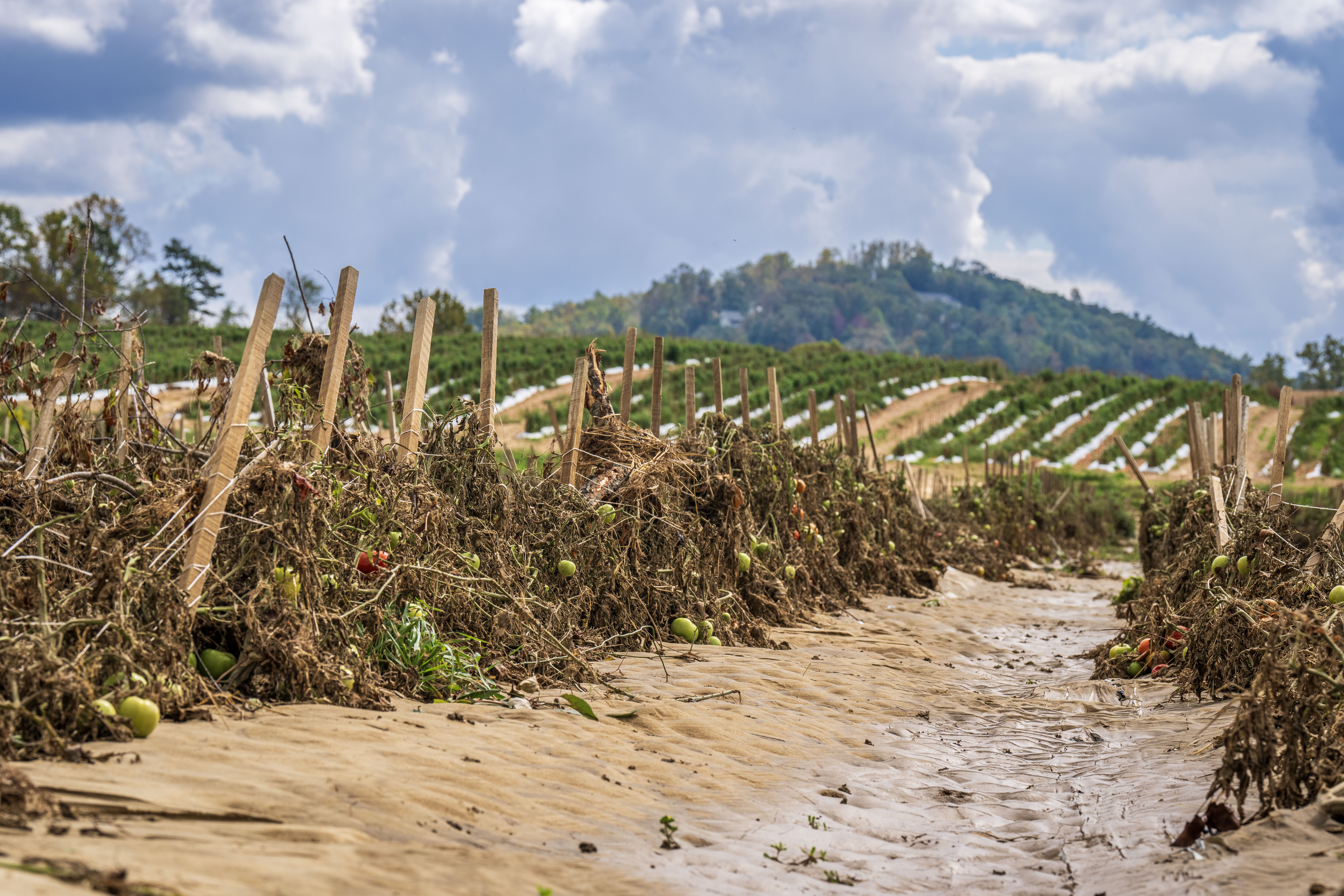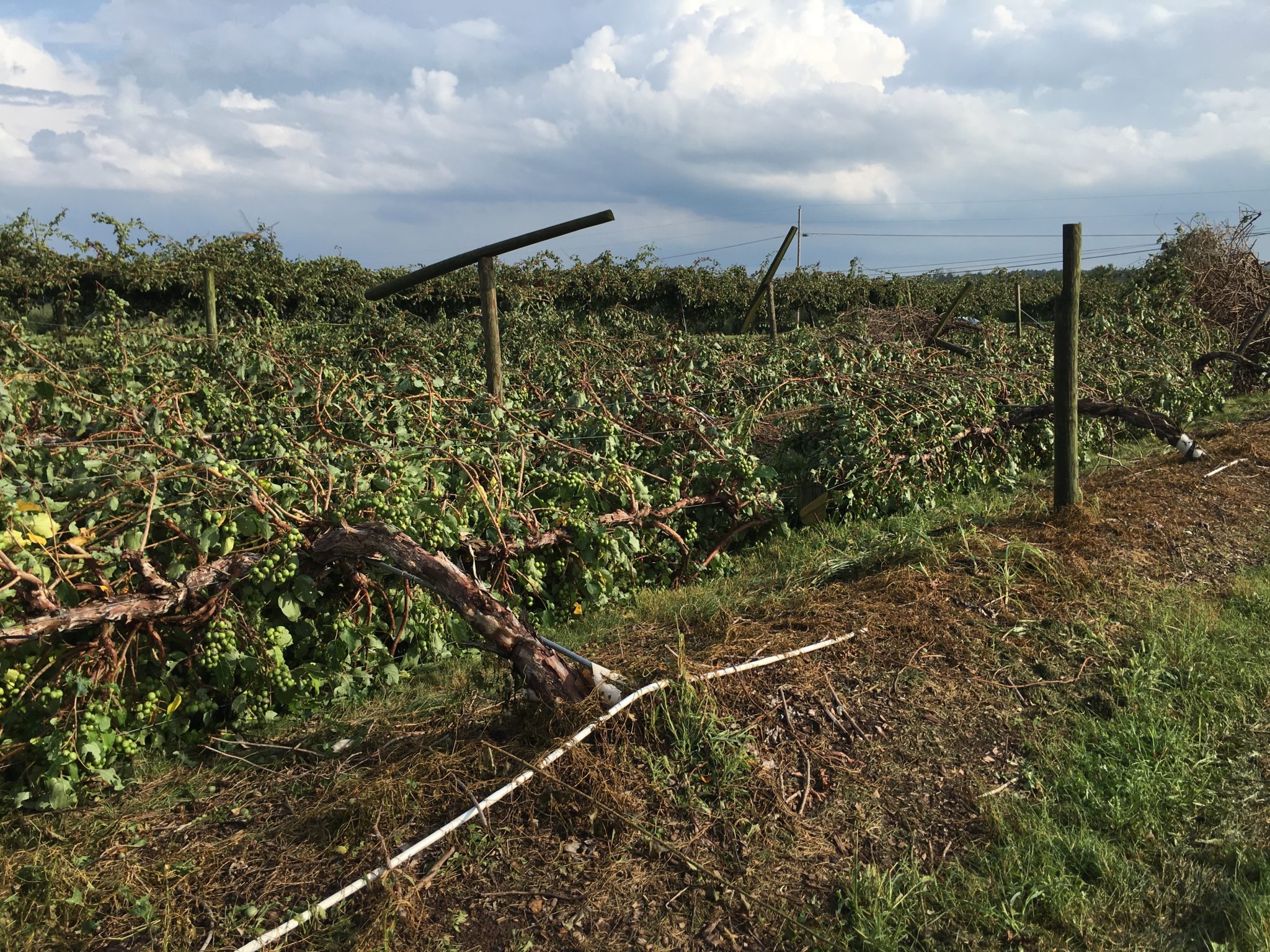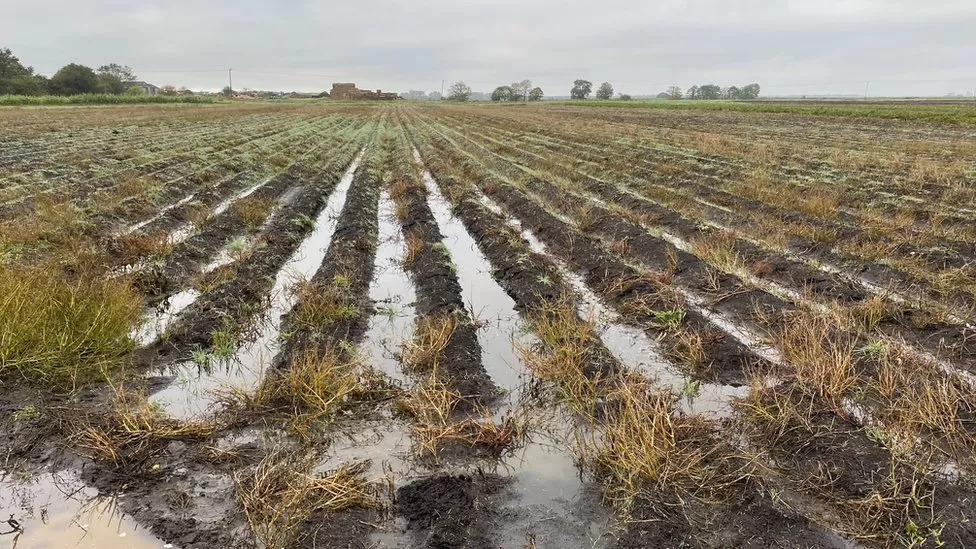
Delayed planting and harvesting schedules, waterlogged fields, import bottlenecks and, not least, the inflation-related cost increases - due to these challenging conditions, 2023 was a tough year for potatoes in many respects. And the new year also presents several challenges, says Thomas Herkenrath, President of the German Potato Trade Association DKHV e. V. and Managing Director of Neuss trading company Fritz Jungnickel & Co.
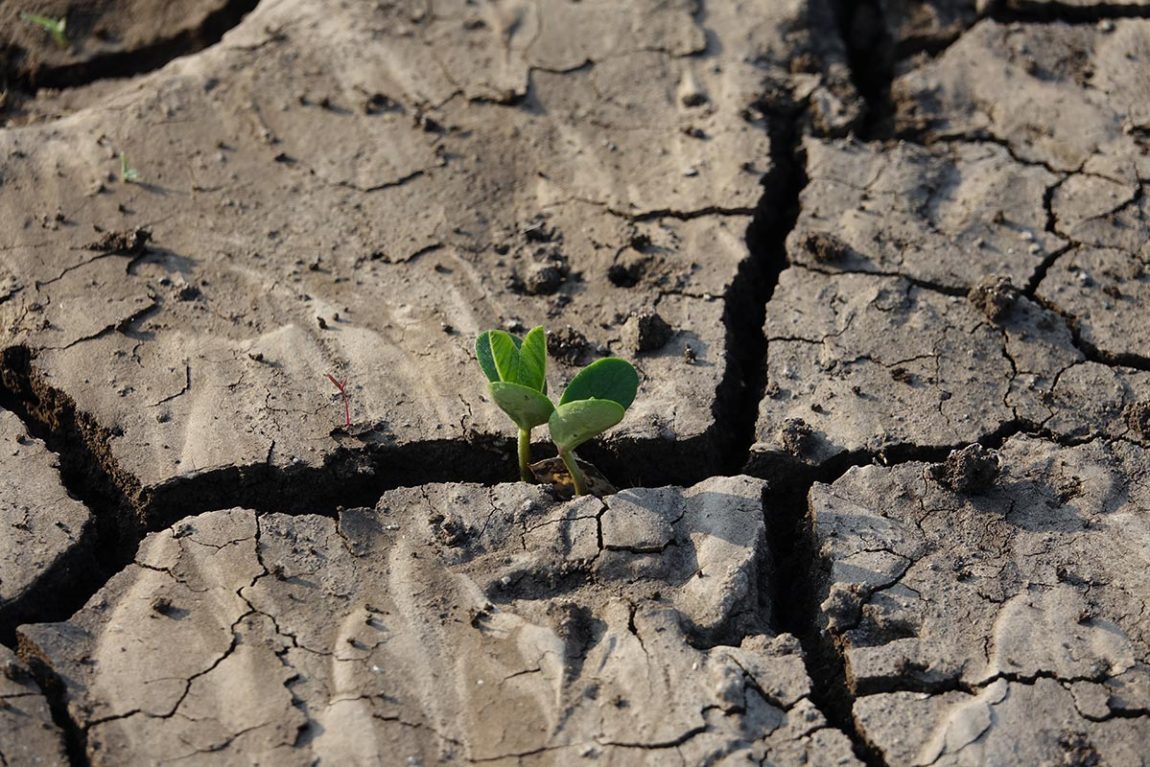
The transition from old to new crop was different in 2023 than we are used to. "Especially in Spain, it was clear early on that less export volume would be available due to drought, which is why there was a high demand for goods from Egypt and Israel, which in turn could be reliably delivered in the quantities required. The Spanish goods then met a cleared market, as the domestic cold stores were empty. This in turn meant that appropriate prices could be achieved for the Spanish imported goods."
Meanwhile, the German potato harvest also picked up with the marketing of the first loose-skin goods, for example from the Palatinate. "The very early market was already suffering from the precipitation. In addition, less was grown in the early areas. This led to the first firm-skin goods from German cultivation meeting a cleared market. A price level that is sufficient for farmers could be maintained until now," says Herkenrath, who also points to the largely cleared field stores and the associated cold storage surcharge.
Despite inflation and price increases, demand has been quite high and stable since the start of the season, Herkenrath continues. At the beginning of the German early potato season, there was a slight drop in demand. "The high prices of Spanish and Egyptian goods were still accepted by consumers. When the German early potatoes were also offered at high prices, there was some restraint in purchasing, also due to the holiday season and summer heat. However, the biggest sales declines were unfortunately recorded in the organic potato sector, which is clearly due to increased price sensitivity among consumers due to inflation and other uncertainties. In the meantime, sales in the organic sector have recovered somewhat. Nevertheless, it will also be a challenge in the course of the season to convince consumers to buy organic food at high prices."
Lack of seed potatoes
At the start of the new year, Herkenrath also dares to make a first, cautious forecast with reference to the new season. "Due to virus load and the like, we have massive difficulties getting seed potatoes together in the appropriate quantities. I have never experienced such shortages of seed potatoes in my career. This is not only due to the weather, but also to the fact that generally fewer seed potatoes have been grown. This means that every batch that cannot be approved hurts. Therefore, I expect that we are heading towards another difficult year. In the end, we will probably be able to plant most of the areas. The question is whether the varieties that one would like to have and whether the desired seed sorting are available in sufficient quantities. If we want to deliver the entire variety spectrum nationwide, we will also have to market oversized and small potatoes."
Shifts in potato export and import
In addition to supplying the domestic market, a significant portion of German table potatoes go into export to other European countries. Herkenrath: "We see a pleasing market situation in the export business. Particularly special sortings, such as small potatoes, are currently in demand. The question is now whether the quantities needed are really unavailable or whether farmers are holding back goods here and there, speculating on price increases. In the long term, we see, for example, in Spain the trend that not only French imports are used, but goods from other potato-growing countries as well."
In turn, the German market makes supplementary imports every year, for example from Spain, Egypt and Israel. "During the Fruit Attraction in Madrid in October, the situation in the southern Spanish water reservoirs was already extremely critical. Recently, there has been some rainfall in places and hopefully there will be more rain to come, but this will not be nearly enough to refill the reservoirs. Although the potato has a relatively low water requirement compared to other field crops, the availability of water may restructure potato cultivation on the Iberian Peninsula."
According to Herkenrath, however, there is a conflict of interest in which potato cultivation for the domestic market has also gained significantly in importance in recent years. "For several years now, Spanish retail has been increasingly focusing on regional products, which has contributed to an increased degree of self-sufficiency with domestic early potatoes and a correspondingly lower need for old crop import goods."
Affordable and safe food
In recent years, there has been a tremendous investment boom in the German potato industry, says Herkenrath, who was unanimously confirmed in his office as DKHV president last April. "The level of mechanisation is now very high. Huge cold storage capacities have been built to meet the high quality standards in the future as well."
From a consumption point of view, he does not see any major trend changes. "The market continues to tend towards ready-made convenience products, while the consumption of fresh table potatoes remains almost stable." Especially in times of inflation, the fresh potato performs particularly well. "It is still considered a safe, delicious and above all affordable food. It also meets the consumer's desire for more sustainability, as cultivation requires little water and short transport routes ensure genuine regionality. With the Potato Marketing Society (KMG) and nationwide campaigns like 'Kids to the Tubers', we have managed to bring this versatility closer to younger consumers."
Source - https://www.freshplaza.com