Australia - Broome beekeeper reeling after hundreds of thousands of bees poisoned with insecticide Fipronil

22.03.2024 522 views

A beekeeper in Western Australia's far north has been left reeling after finding out hundreds of thousands of his bees were deliberately poisoned.

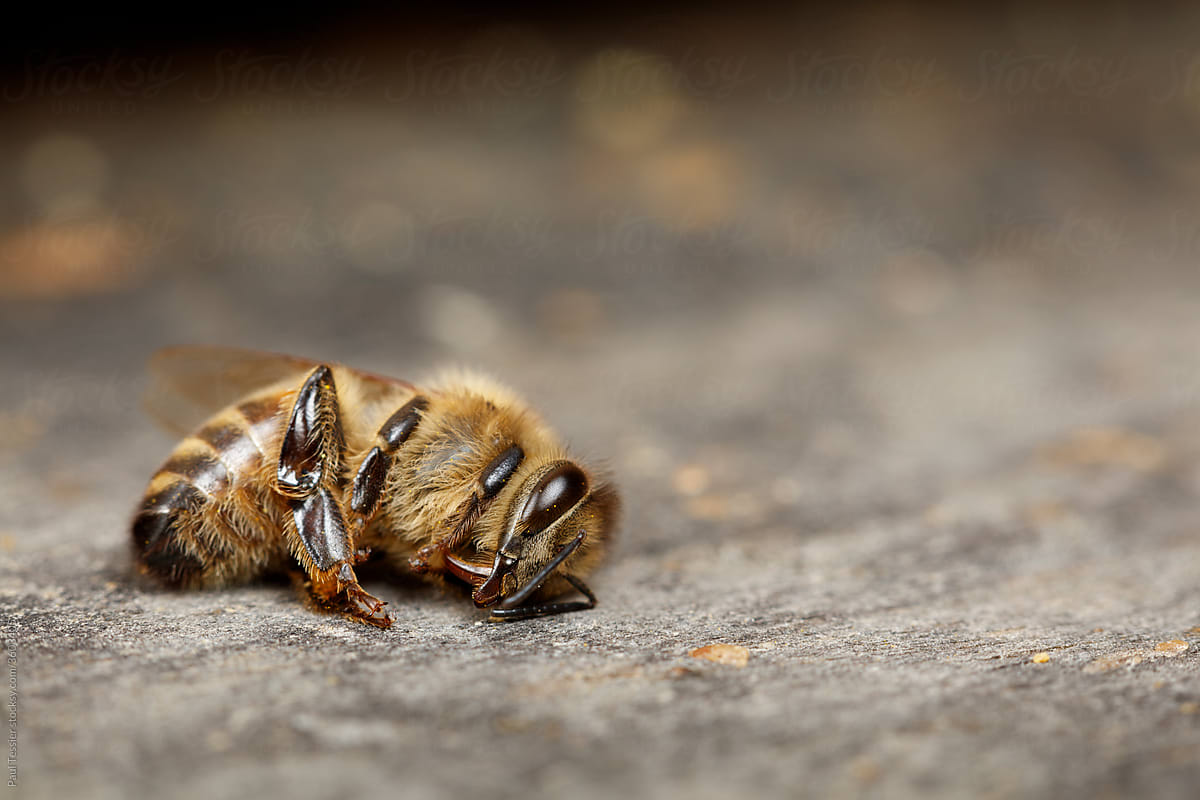
Broome-based apiarist Ryan Leavitt found his 16 hives, containing 60,000 bees each, dead one morning in December at a site in the West Kimberley.

"I instantly noticed no bees were flying in and out of any of the hives. So I didn't even put on my bee suit," he said. 

"I just walked up to them and noticed just literally thousands of bees dead in front of every single colony."

The long time apiarist had harvested 450kg of honey from the healthy hives the day prior.

A Department of Primary Industries toxicology report on the bees recently confirmed they had been poisoned by Fipronil, an insecticide commonly used against termites, grasshoppers and ants.

In Europe the use of Fipronil is restricted because of its toxicity to honey bees.

"I knew they were poisoned," Mr Leavitt said.

"They've got a proboscis, which is like their tongue, and that they were all hanging down, which means they're poisoned."

The incident has been reported to WA Police.

Bee poisoning is an increasing problem

In a statement, the WA Apiarists' Society (WAAS) said members had contacted it in the past about bee poisoning, most commonly by spray drift or chemicals on crops.

"We have also heard of instances of deliberate hive vandalism and poisoning," the statement read.

"This is distressing for beekeepers due to the loss of their hobby or livelihood. It is also a criminal matter."

Mr Leavitt's distress over the bees has been compounded by the financial loss and learning there were no specific laws protecting hives.

"Something's got to change — I wouldn't want other apiarists to go through this," he said.

"They're essential pollinators. Without pollinators we don't get food crops."

WAAS said the community needed to use chemicals responsibly to reduce the impact on pollinators like bees. 

It urged neighbours with concerns about hives to read its best practice guidelines online, and to talk with the beekeeper, local government or the Department of Primary Industries. 

Source - https://www.msn.com

27.04.2026

India - Crop Ruined by Parrots is 'Damage by Wild Animals', says HC; Gives Relief

Holding that citizens cannot be forced to bear losses caused by protected wild animals, the Nagpur Bench of the Bombay High Court has ruled that denying compensation to a farmer merely because parrots were omitted from a government list would breach principles of equality. 

27.04.2026

The World Bank: Agri-risk management in Bulgaria

CAP has steered Bulgarian agriculture toward greater resilience, but the sector continues to suffer from an absence of a comprehensive risk management strategy and limited research on internal and external risks, the report concludes.

27.04.2026

USA - Farmers Broaden Risk Strategies Beyond Crop Insurance Programs

Farmers and ranchers are using a broader mix of tools to manage risk as markets, weather, and policy uncertainty continue to shift. A new report from the USDA Economic Research Service shows savings and off-farm income remain the most common risk management strategies on U.S. farms.

27.04.2026

Nigeria - Firm, FG Disburse ₦396m Insurance Payout to Farmers in Four States

The Federal Government has partnered with Leadway Assurance and PULA Advisors to pay out N396.7m in insurance claims to smallholder farmers, in a move aimed at protecting Nigeria’s food system from worsening climate risks.

27.04.2026

Ghana Targets US$3bn Post-Harvest Loss With One Million Tonne Storage Plan

Ghana loses an estimated $3 billion worth of food to post-harvest losses each year, a figure nearly equivalent to the country’s entire annual food import bill, a senior government official has disclosed, as authorities outlined a national plan to build storage and market infrastructure to reverse the trend.

27.04.2026

Australia - Farmers in WA food bowl region take $25 million cyclone hit

Fruit and vegetable producers in Western Australia's Gascoyne are estimated to have suffered losses above $25 million from Tropical Cyclone Narelle.

23.04.2026

Canada - Agricorp pays out more than $253 million after challenging 2025 season with soybeans recording the biggest losses

As of mid April, Ontario farmers claimed more than $253 million in Agricorp production insurance for the 2025 season, more than double the $115 million claimed a year earlier. 

23.04.2026

USA - Cold damages Michigan apples, peaches and cherries, MSUE say losses uneven

Michigan State University Extension educators are expecting widespread but highly variable fruit damage across the state following this weekend’s low temperatures.