Australia - Reporting mouse numbers

18.03.2024 504 views

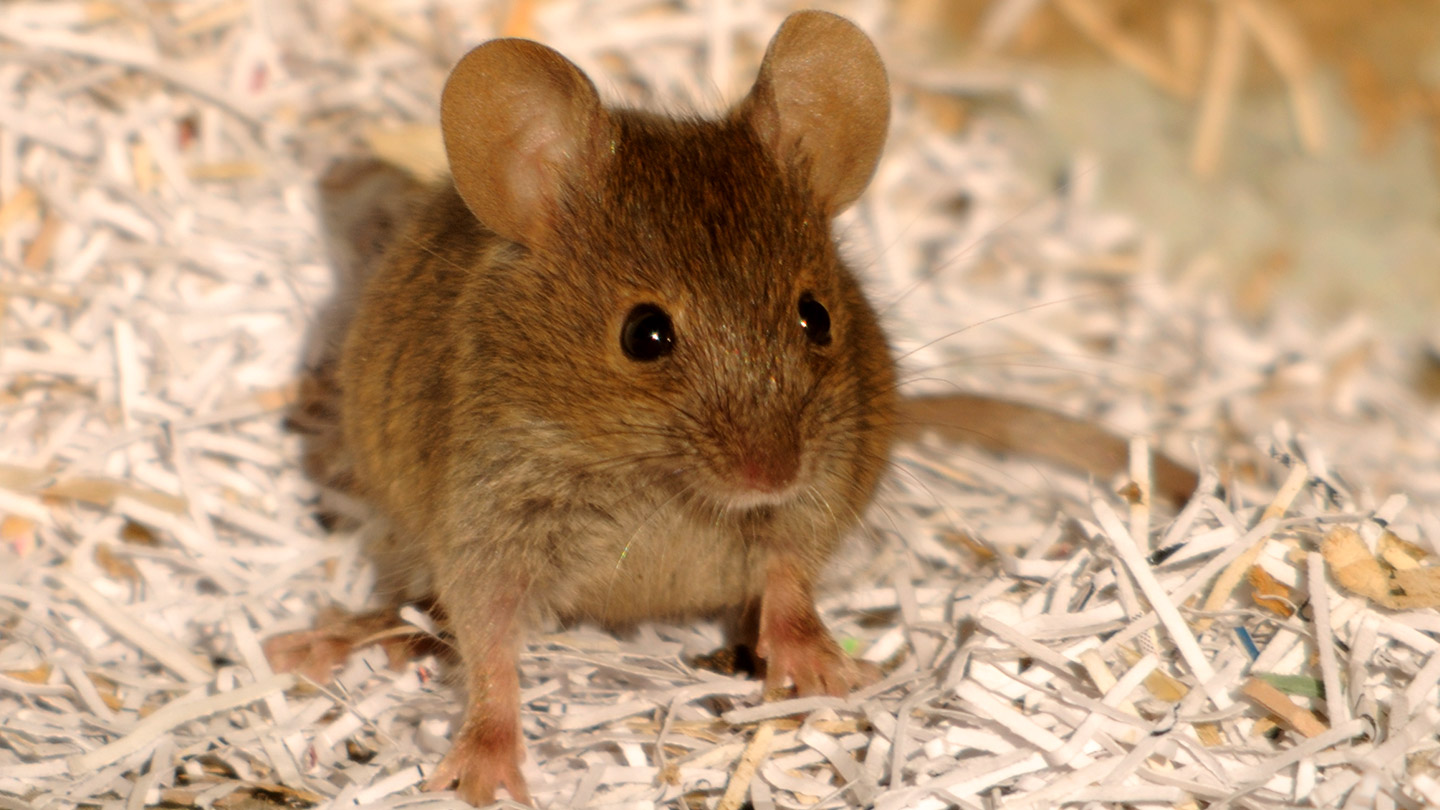
Grain growers across Australia are being urged to check their paddocks and record mouse numbers activity as part of a campaign aimed at early detection and effective control ahead of this year’s winter crop.

Concerns about increasing mouse numbers was a hot topic of discussion at the latest meeting of the National Mouse Group (NMG).

NMG is a Grains Research and Development Corporation (GRDC) investment, developed to coordinate action to counter mouse plagues, made up of specialist researchers, grain growers, advisers and industry stakeholders.

GRDC supported mouse researcher Steve Henry has encouraged growers to monitor and log mouse activity this season on the MouseAlert website.

Mr Henry said monitoring also had a key role in providing organisations with a more comprehensive understanding of mouse activity, which could assist in research that informed and improved management strategies for growers.

“We are urging growers to get out of their utes and check their paddocks,” he said.

“Even if you think mouse numbers may be low, get out, walk through paddocks and look closely for any signs of current mouse activity.

“High stubble loads can hide the signs of mouse activity.

“While mouse numbers varied across cropping zones, if present in high numbers, they could have devastating impacts on crops being sown in the coming months.”

If left unchecked, a mouse population can quickly escalate and result in crop loss, reduced yields, and increased costs associated with pest control measures.

In addition to eating crops, mice can also damage farming infrastructure like irrigation systems and buildings.

While correct use of bait products is critical, GRDC pest manager Leigh Nelson said chemical control was only one part of the solution.

“It’s not just about putting the bait out and hoping for the best, growers need to continue checking paddocks, assess the situation and decide if additional actions are necessary,” Dr Nelson said.

“Safety is also a key concern, particularly when handling bait.

“Growers should take care when transferring bait from bulk bags to spreaders to avoid spills and ensure the safety of all involved.”

Source - https://borderwatch.com.au

27.04.2026

India - Crop Ruined by Parrots is 'Damage by Wild Animals', says HC; Gives Relief

Holding that citizens cannot be forced to bear losses caused by protected wild animals, the Nagpur Bench of the Bombay High Court has ruled that denying compensation to a farmer merely because parrots were omitted from a government list would breach principles of equality. 

27.04.2026

The World Bank: Agri-risk management in Bulgaria

CAP has steered Bulgarian agriculture toward greater resilience, but the sector continues to suffer from an absence of a comprehensive risk management strategy and limited research on internal and external risks, the report concludes.

27.04.2026

USA - Farmers Broaden Risk Strategies Beyond Crop Insurance Programs

Farmers and ranchers are using a broader mix of tools to manage risk as markets, weather, and policy uncertainty continue to shift. A new report from the USDA Economic Research Service shows savings and off-farm income remain the most common risk management strategies on U.S. farms.

27.04.2026

Nigeria - Firm, FG Disburse ₦396m Insurance Payout to Farmers in Four States

The Federal Government has partnered with Leadway Assurance and PULA Advisors to pay out N396.7m in insurance claims to smallholder farmers, in a move aimed at protecting Nigeria’s food system from worsening climate risks.

27.04.2026

Ghana Targets US$3bn Post-Harvest Loss With One Million Tonne Storage Plan

Ghana loses an estimated $3 billion worth of food to post-harvest losses each year, a figure nearly equivalent to the country’s entire annual food import bill, a senior government official has disclosed, as authorities outlined a national plan to build storage and market infrastructure to reverse the trend.

27.04.2026

Australia - Farmers in WA food bowl region take $25 million cyclone hit

Fruit and vegetable producers in Western Australia's Gascoyne are estimated to have suffered losses above $25 million from Tropical Cyclone Narelle.

23.04.2026

Canada - Agricorp pays out more than $253 million after challenging 2025 season with soybeans recording the biggest losses

As of mid April, Ontario farmers claimed more than $253 million in Agricorp production insurance for the 2025 season, more than double the $115 million claimed a year earlier. 

23.04.2026

USA - Cold damages Michigan apples, peaches and cherries, MSUE say losses uneven

Michigan State University Extension educators are expecting widespread but highly variable fruit damage across the state following this weekend’s low temperatures.