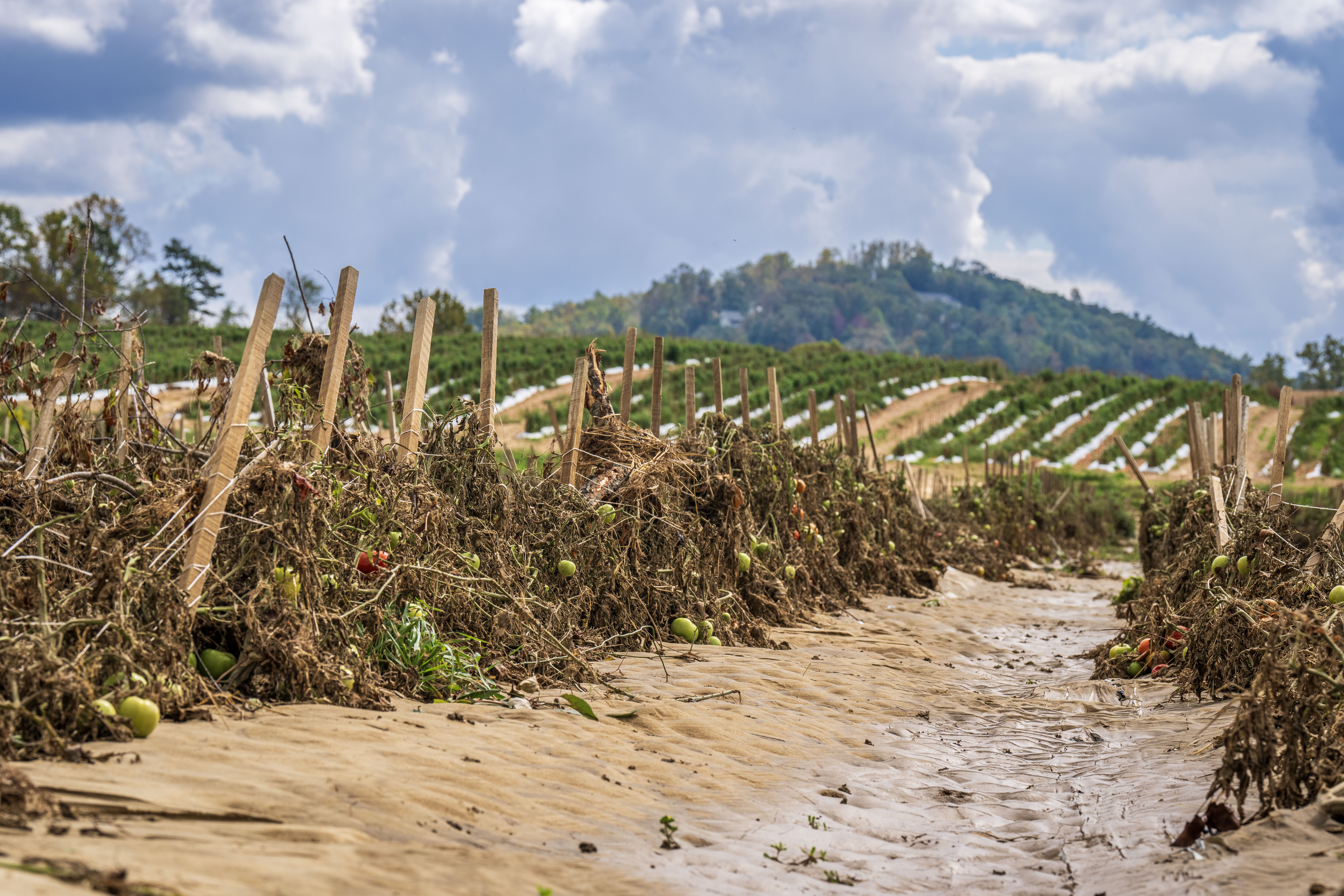
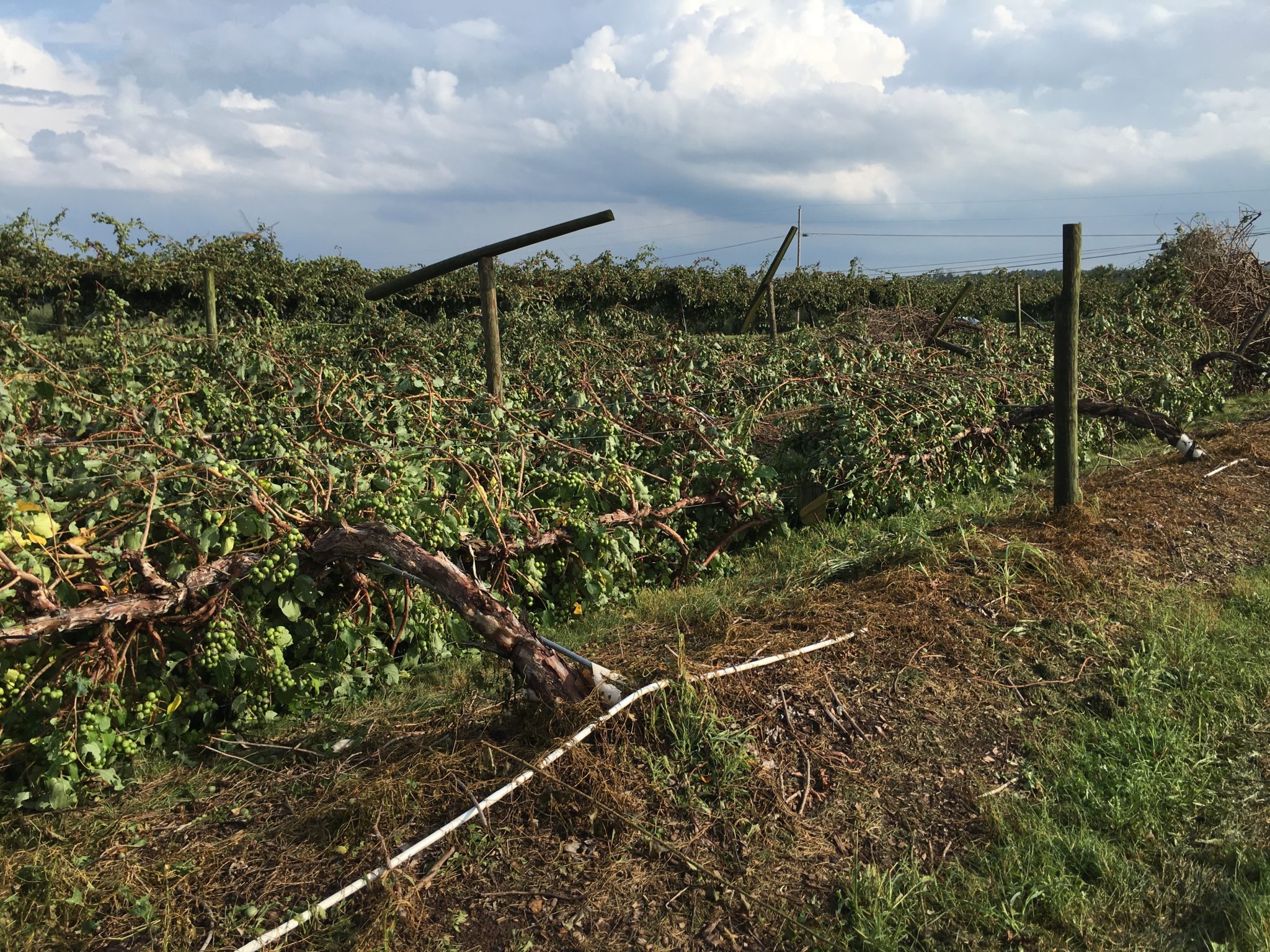
Farmers are grappling with the most damaging incursion of fall armyworm (FAW) on record, and have likened the destruction to that caused by a bushfire.
"Our area was hit pretty heavily with bushfires this season and a lot of the farmers are describing this [as] identical to a bushfire," Queensland grower Cameron Rackemann said.
"They're losing entire crops and complete losses on inputs and there's no government subsidy or support for these farmers who've basically lost everything."
Experts say the invasive insect, which originated in the Americas and reached Australia in 2020, is being detected at unprecedented levels in grain crops across Queensland and northern New South Wales.
The 2023-24 summer sorghum crop, worth an estimated $1.5 billion, has been most affected, but other crops are also being targeted.
Mr Rackemann, who farms at Coalstoun Lakes, 120 kilometres south-west of Bundaberg, and is chair of Coalstoun Lakes Development Group, said it was the worst incursion they had experienced.
"It's definitely our worst year to date. Nothing even comes close to the level of pressure we've had this year," he said.
"Our little valley has probably suffered $1 million in lost production and our chemical expenditure is up about 300 per cent."
He said the main insecticide used to control the pest cost $1,000 a litre, which made control very expensive.
On his farm, 40 hectares of white French millet destined for the birdseed market was destroyed, costing him tens of thousands of dollars in losses.
Nearby, Terry Staib first noticed the caterpillars in his 60-hectare sorghum crop on Australia Day. A few days later, three-quarters of it was gone.
"It was a month old, [45 to 75 centimetres] tall, and within five days or a week it looked like asparagus stalks in the ground. They'd killed it," Mr Staib said.
"This huge influx is hungry. It was even eating the weeds like the thornapple."
Weather partly to blame
Queensland Department of Agriculture and Fisheries (DAF) principal entomologist Melina Miles said it was the most damaging season since 2020.
"This year it's very widespread," Dr Miles said.
"Every sorghum and maize-growing region in Queensland from the Atherton Tablelands through the Burdekin, down into central Queensland through the Burnett, the Darling Downs, and then into northern New South Wales.
"I've had reports from all of these regions with quite severe infestations for the most part."
Dr Miles said the increase in pest numbers could be attributed to a later-than-usual sorghum planting due to late rain, pushing the plants into a period of higher FAW activity.
She said it was also possible that the weather systems associated with the recent cyclones had facilitated the movement of large FAW populations into central Queensland.
Dr Miles urged growers to be alert but not alarmed and take a considered approach to making decisions about the need for control.
While tactics like crop checks, chemicals, and biological controls like wasps have some effect, unfortunately, there's no quick fix — FAW has never been eradicated from any country it has invaded.
With some growers questioning if DAF has done enough to control the pest, Dr Miles said they were in the early stages of developing "robust" management recommendations and research was ongoing.
"It's important to remember that the other key pests we have — things like helicoverpa — we've had 50 years of research on those," Dr Miles said.
"There's lots of work to be done, but we're certainly in a much better position in terms of growers having management strategies to put in place now than we were in 2020.
"To some extent, I'm optimistic that what we're seeing is not the start of what fall armyworm pressure will be like going forward, but an outbreak year where it's been an early start to the [FAW] season."
Source - https://www.abc.net.au