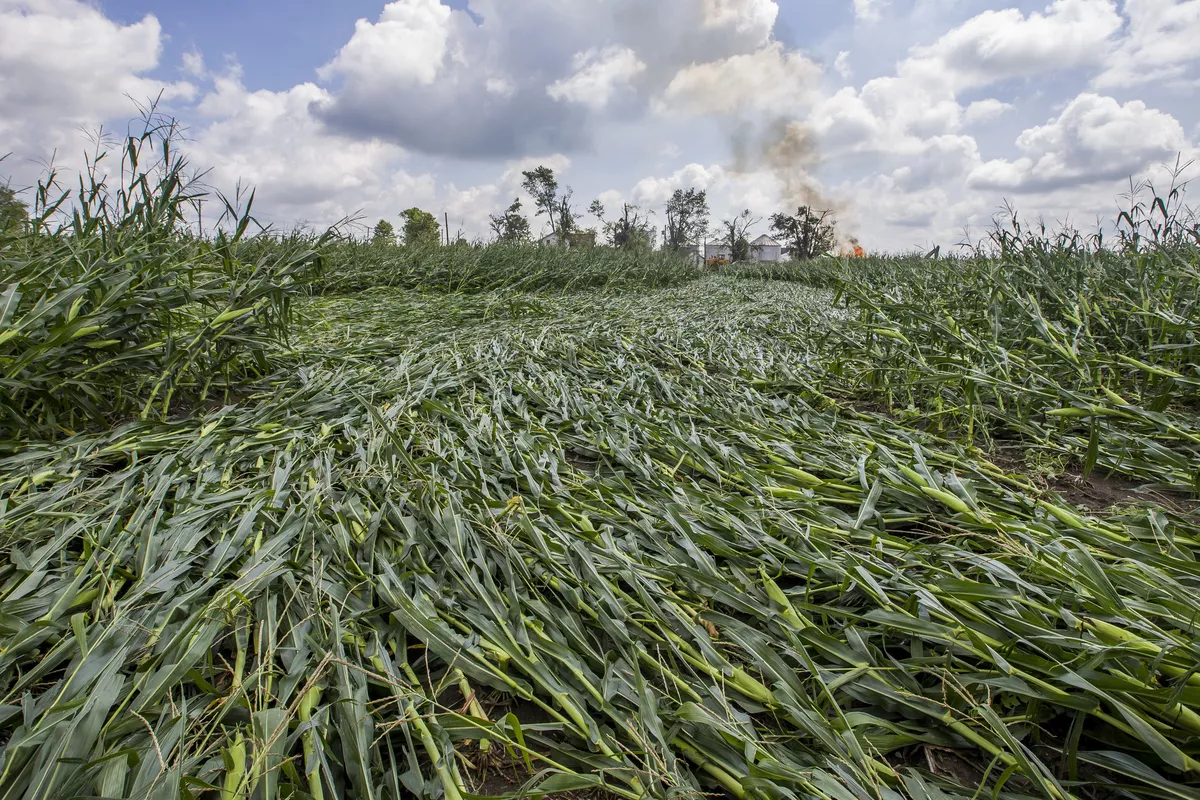
Bangladeshi farmers are struggling with five major crop diseases, likely reducing the crop yield by up to 62% annually. Researchers suggest no effective insecticides for these diseases except for taking precautions and preventive measures.
Rice blast disease, rice tungro disease, wheat blast disease, jute stem rot and powdery mildew are the five major types of crop diseases in Bangladesh, according to researchers and the Bangladesh Rice Research Institute (BRRI).
Bangladesh, the fourth-highest rice-producing country in the world, produces around 39 million tons of rice and around 1.1 million tons of wheat annually to feed its 170 million people, according to the government. In addition, it produces 1.6 million tons of jute annually.
However, researchers say that while some diseases are old, their types change over time. The three important crops scientists in Bangladesh research are paddy, wheat and jute.
As an example, Shamim Shamsi, a botany professor at the University of Dhaka, said rice blast disease is not new, but in the case of new types or variants that have come, pesticides no longer work.
Terming it a severe disease, BRRI said rice blast is a fungal disease very common in two major rice-producing seasons: Boro (January to April) and Amon (August to November).
The disease can appear in favorable weather, from seedlings to the ripening stage. It can attack rice leaves, necks, panicles, collars and other parts of the plant; the yield could eventually be completely destroyed.
The professor added that it is impossible to control the disease effectively even if medicine is applied in an approved dosage at the right time.
The other fatal disease for paddy is tungro, caused by two viruses spread by leafhoppers, which is widely observed in the region where the intensity of rice farming is higher.
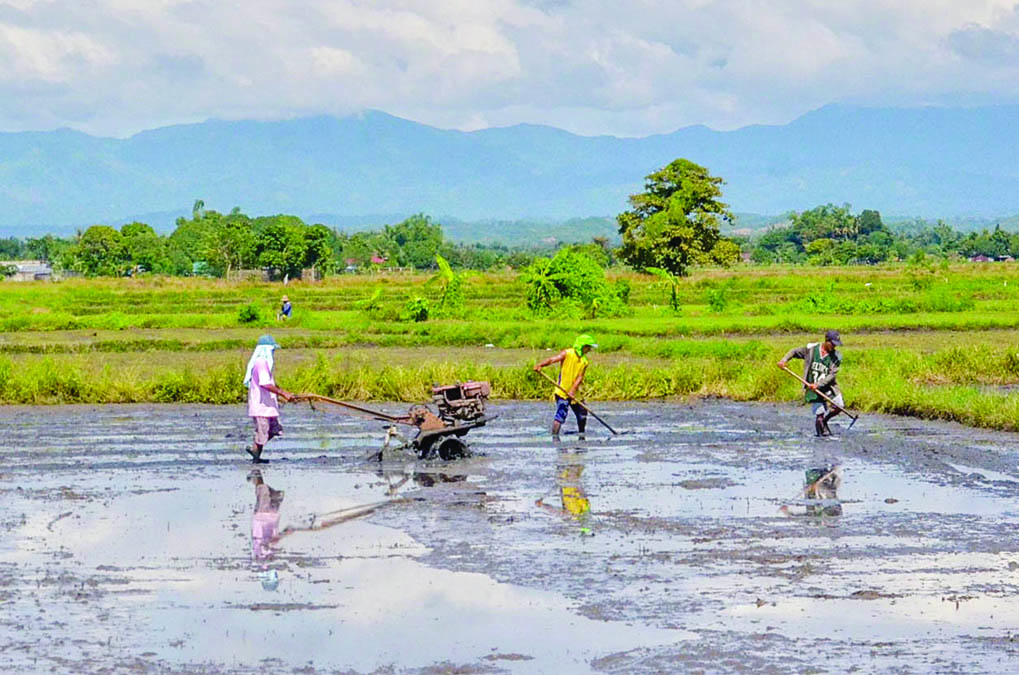
Rice is widely cultivated in the northern districts of Bangladesh and the Swarna rice variety is popular among farmers in this region, especially in the border areas.
Abdul Gani, a farmer from Bangladesh’s northern district Rangpur expressed the heart-wrenching experiences of his own field. “Last year [2022), I cultivated rice on my 1 acre of land. I could not harvest a single amount of rice from the entire land as it was affected by tungro virus. I never faced like this earlier, so I had no idea, and I have no time to take any precautions.”
Abdul Gani is distressed; he spent all his money to grow the crops, and he lost both. This year, he did not dare to plant. Instead, he had to change his profession for survival. Abdul Gani is now a rickshaw puller in the capital city of Dhaka.
Researchers said the tungro disease attacks more widely in the areas where this particular rice variety, Swarna, is cultivated, and there is no cure for these viruses, so prevention is the only way.
Nazmul Bari, the chief scientific officer of the BRRI Department of Entomology, said that if only a few plants are affected, they should be uprooted, burned or buried in the ground. And the insects must be killed.
Bangladesh experienced wheat blast disease for the first time in 2015-16 in seven southern districts, and it later spread to adjacent regions.
Though Bangladesh has been experiencing rice blast disease for a long time, scientists initially said they believed it came from rice and wheat, as the nature of the disease is almost the same.
As the relevant government authorities are researching these new diseases, they are also making farmers aware of how to prevent them.
This government has advised to refrain from planting seeds around disease-affected lands, identifying the disease at an early stage, uprooting and burning them and cultivating the land every other year, as there is no concrete solution to manage the disease, Shamim Shamchi said.
Similarly, the country’s major cash crops, jute and other vegetables, are losing yield to jute stem rot and powdery mildew with no concrete curable measures.
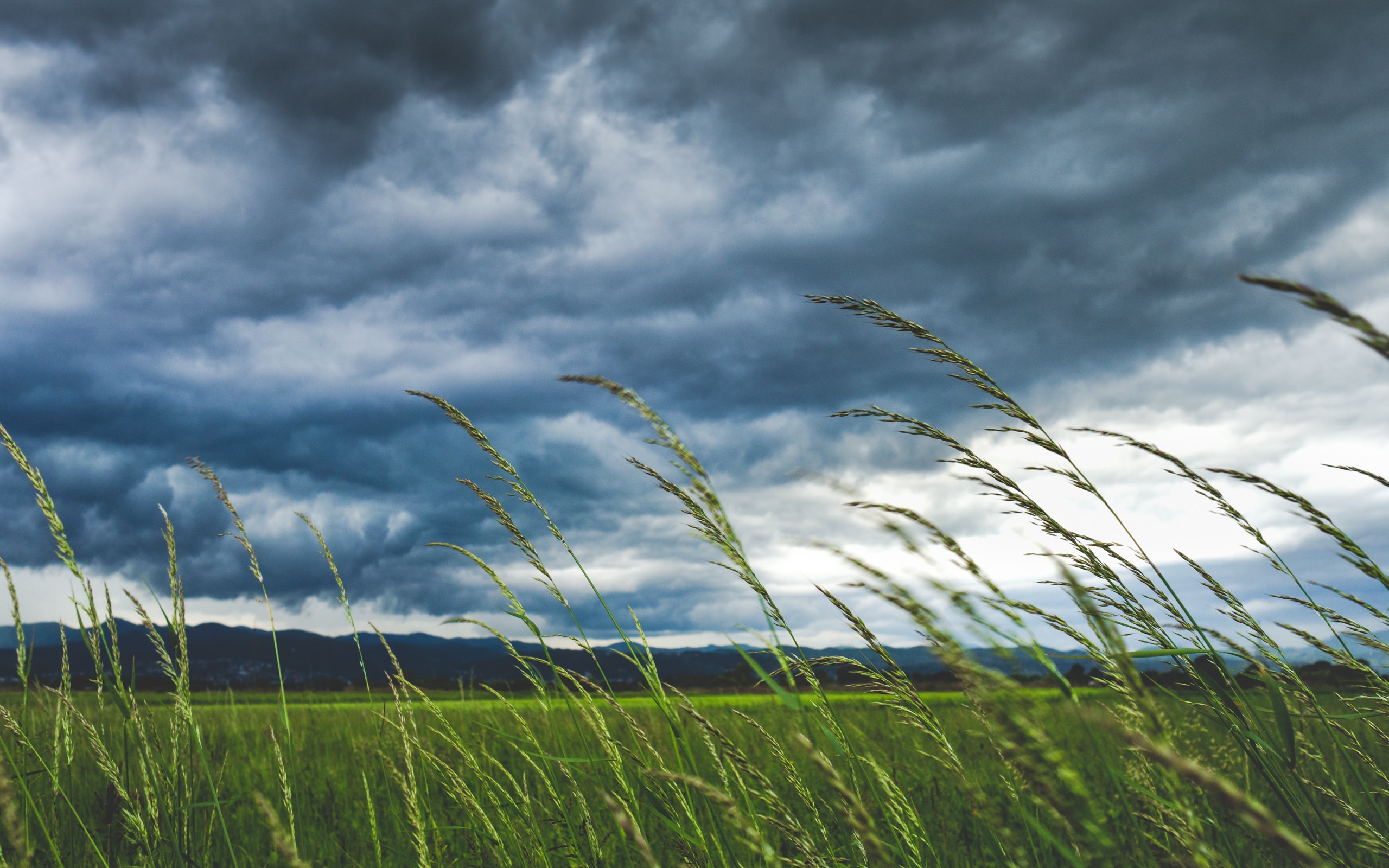
Changing climatic patterns aggravate outbreaks
Apart from these, BRRI has identified several new types of crop diseases. According to its 2021 Bangladesh Rice Journal, climate change aggravates the outbreak of several insect pests, including the brown planthopper, leafroller, stem borer and white-backed planthopper.
These insect pests cause significant economic loss. BRRI assumed and fixed a generalized annual average loss of 1.0% of total national rice production in Bangladesh, the journal reported.
According to the U.N. Food and Agriculture Organization (FAO), pests and diseases have also been associated with rising temperatures, which create new niches in which pests populate and spread. In response, the use of pesticides could increase, harming pollinators, natural pest enemies and organisms crucial for a healthy environment. Protecting plant health is essential by promoting environmentally friendly practices such as integrated pest management.
The FAO also blames international travel and trade associated with the introduction and spread of plant pests. Invasive pest species are one of the main drivers of biodiversity loss and threaten the delicate web of life that sustains our planet.
Suggested precautions and preventive measures
With an aim to minimize this loss from 62% to 5%, the Bangladesh government is trying to implement preventive methods, such as stopping insecticide application at the early establishment of rice, adding flowering strips in the rice landscape, establishing an early warning and forecasting system, use of balanced fertilizer, avoiding cultivation of susceptible varieties, growing resistant or tolerant varieties and practicing crop rotation.
Researchers suggested farmers could avoid using toxic and hazardous insecticides to control insect pests by growing nectar-rich flowering plants on the bunds surrounding rice crops.
The researchers proposed several strategies that could help rebuild rice ecosystems, protect the environment, lessen pest infestations and conserve natural enemies, which would ultimately help cut production costs and chemical inputs and reduce labor-intensive pesticide spraying, increasing net income.
Source - https://news.mongabay.com