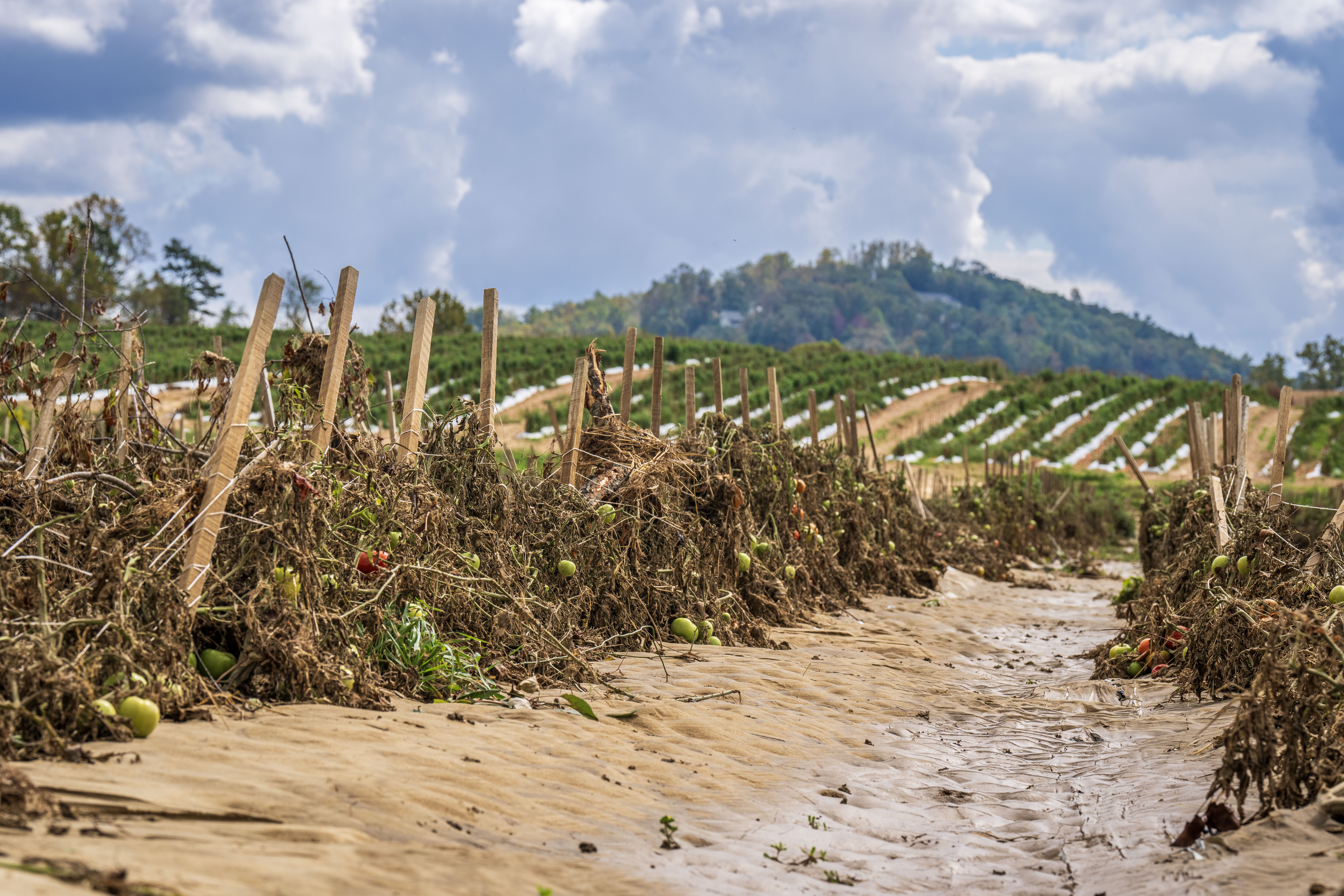
Images of flooded leek fields in Flanders dominated the Belgian media in the final months of 2023. That stalled supplies and led to exceptionally high leek prices on the market. And even after the holidays, prices keep exceeding all expectations. "Even though the supply has recovered somewhat, with an additional 100,000 kilograms now, leeks continue to sell at very high prices," begins Cédric De Vestelte of Devo-Fleur, a Flemish cultivation company.
"I understand there's still very high demand. We keep selling at good prices, perhaps because it's been hard to get leeks for a long time. However, we had to stop harvesting due to frost. That could mean even more trouble. We still have reasonable stock, which we'd normally run out of by Saturday."
"Then it would be a perfect transition if we could start harvesting again on Monday or Tuesday. But we need it to rain before we can start doing that. It's a strange situation. After months of unwelcome rain, the recent frost has us hoping for rain again," says Cédric.
Frost could be problematic
Whether the frost could cause quality issues, the young grower, who runs the company with his brother Mathias, doesn't dare say. "The leeks' quality has been excellent. At least those harvested before the frost. We'll have to wait and see how the leeks still in the ground will emerge."
"Many growers have laid an acrylic cloth over the fields to protect the leeks. We didn't. Firstly, because we simply don't have the time with everything else we have going on, but secondly, if it's very windy, the product could come out worse. That's a risk we'd rather not take. Still, we're a bit nervous about when we can harvest again," Cédric explains.
The company will continue with leeks until around March/April, after which it will switch to the early greenhouse segment. "As a grower, it's hard to estimate if prices will stay as excellent as they currently are for such a long time. Yet, we should manage to achieve good prices until the end of the season. Demand remains, and I don't see the market being flooded with product anytime soon."
Openfield lettuce is challenging
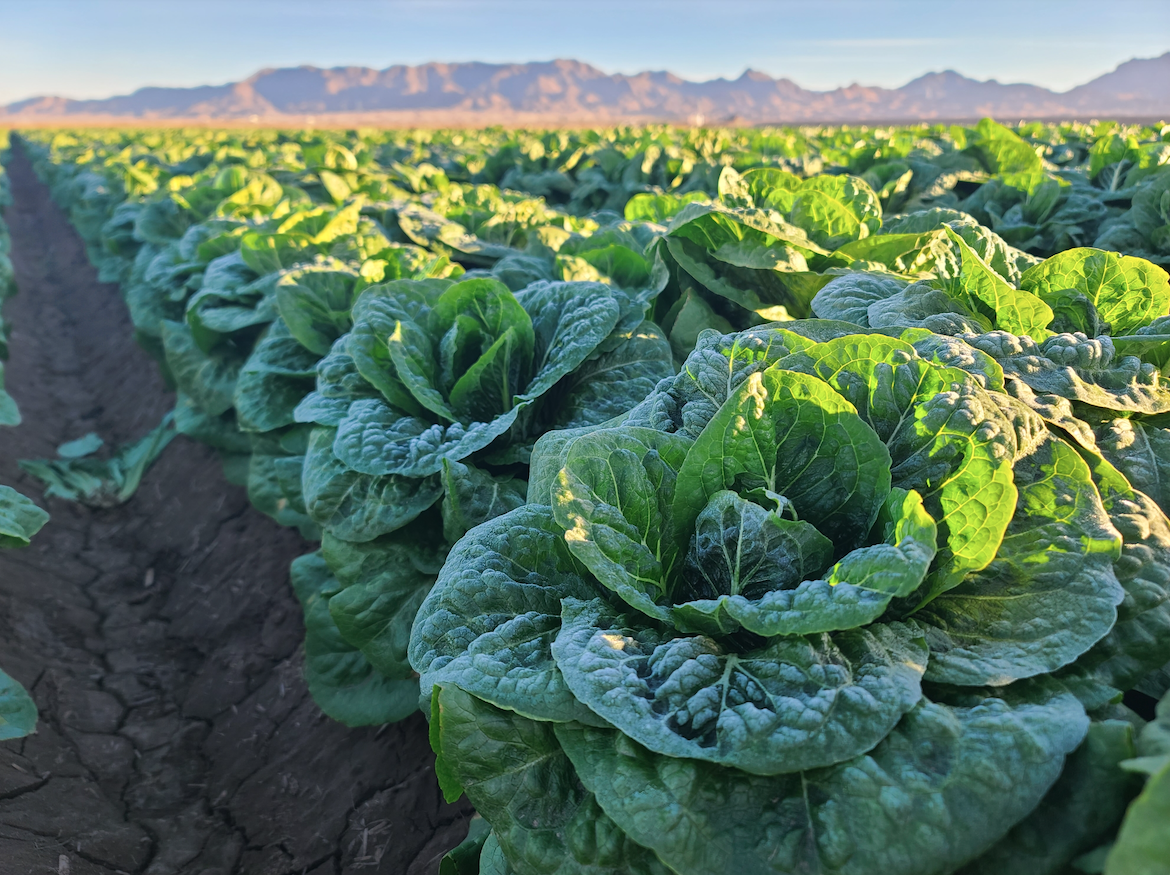
Besides leeks, Devo-Fleur mainly grows lettuce. They started harvesting in late August, but things have since quietened down. "So far, it's been running quite smoothly with good prices," says De Vestelte. "We've stopped harvesting and have put lettuce on the back burner while we fully focus on the leeks."
"It's becoming increasingly difficult to grow good-quality openfield lettuce. Many growers have poor quality due to the warm weather, which turned severely cold. That makes things increasingly challenging, and more and more growers are considering alternatives," Cédric concludes.
Source - https://www.freshplaza.com