Belgium - Troublesome asparagus season could also affect next year's harvest

24.06.2024 612 views

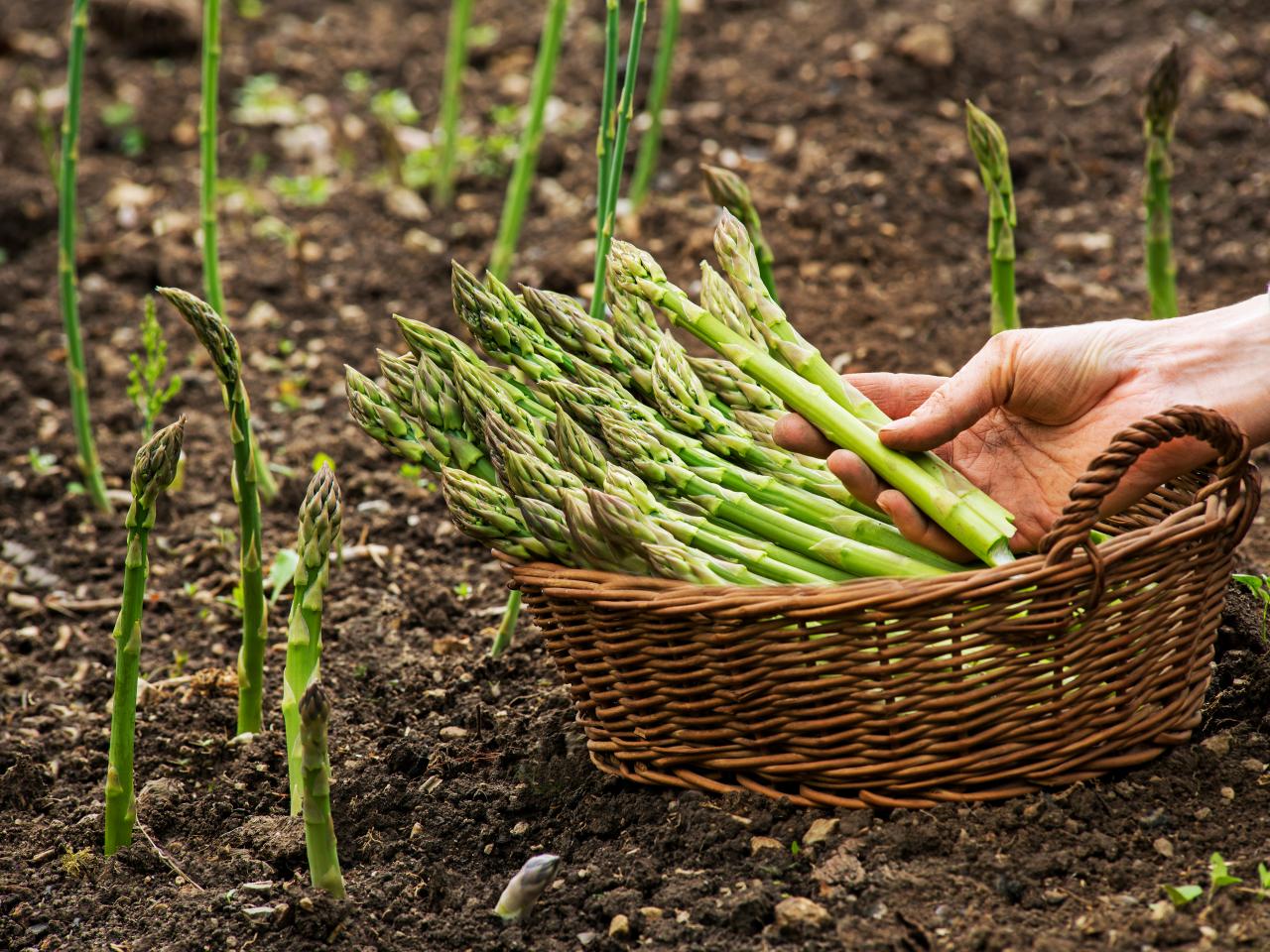
St John's Day traditionally marks the end of the asparagus season. This year too, it will be the finale for the vast majority of growers and traders, but a difficult season has also made some decide to give up earlier. "The absence of sunshine, coupled with low temperatures, really caused low yields and. Also, some consumers opted for leek or chicory instead of asparagus," says Katrien De Backer, part of the Amelinckx Fruit family business in Hingene, Flanders.

It actually started off quite rosy for this seasonal product. "The asparagus started growing early," she continues. "In the first few weeks, this meant that heated cultivation and open ground cultivation came together nicely early, giving us a good supply by Easter, which came early this year. On the other hand, the demand was also there. Asparagus is always eagerly awaited, and that made for nice pricing for both grower and buyer."

'Farmers' festival' on the clock
However, the lack of sunshine and cold temperatures in the weeks that followed threw a spanner in the works. "The rest of the season progressed very slowly and rather hungrily. Asparagus likes night temperatures of at least 10 degrees to reach the preferred length of 21 cm, but they experienced a growth spurt like that maybe twice in the whole season."

In the end, volumes were disappointing during the whole season. "Depending on the regions where the asparagus fields were located, one could speak of a volume loss of 20 to 25 per cent. The abundant precipitation simply flooded some growers' plots for days, weeks or months."

Problems also mean no roots for next year
This season's problems may not be over yet either. "Indeed, it was not only asparagus growers who suffered from the difficult weather conditions," Katrien explains. "Breeders and plant breeders also experienced their share of problems. Seed simply did not germinate in some plots, and no germination means no plant and no roots to plant next year. We will have to see what the future brings."

Source - https://www.freshplaza.com

30.08.2026

Serbia's Drought Halves Crop Yields, Few Farms Insured

Drought in July and August 2026 cut yields by more than half in parts of Serbia, but only 15 percent of farmland is insured. A corn policy costs about 4,500 dinars per hectare.

30.08.2026

India - Maharashtra Approves ₹23.33 Crore Aid For 17,245 Farmers Hit By Crop Damage

The Maharashtra government has sanctioned ₹23.33 crore in relief for 17,245 farmers whose crops were damaged by floods, excessive rainfall, cyclones and hailstorms. 

30.08.2026

South Korea - Daedong launches soybean-specialized combine DSF85 to cut cracking, crop loss

Daedong has unveiled a new full-feed combine focused on reducing soybean cracking and crop loss during harvest.

30.08.2026

UK drought tightens its grip on potatoes, but scale of crop losses remains uncertain

England and Wales are experiencing an exceptional drought, with potato growers facing reduced tuber growth, irrigation restrictions and increasingly difficult harvesting conditions. The evidence supports serious concern—but not every alarming headline can yet be translated into a national crop-loss figure.

30.08.2026

India Overhauls Farm Insurance Scheme with AI and Satellite Tech

India is upgrading the Pradhan Mantri Fasal Bima Yojana (PMFBY) using AI, drones, and satellite mapping to accelerate insurance claim settlements. 

30.08.2026

Kenya turns to digital livestock IDs to improve animal health, traceability

The system will capture information including an animal’s origin, ownership, health status, vaccination history and movements.

27.08.2026

Crop Insurance Add-Ons Surge as U.S. Farmers Expand Subsidized Coverage Nationwide

U.S. farmers sharply expanded area add-on crop insurance in 2026 after federal subsidies rose to 80%, reshaping coverage and federal costs.

27.08.2026

China grain imports in focus as crop damage hits key producing regions

Extreme heat, heavy rain and flooding across key Chinese farming regions are putting global grain and cotton exporters on alert, as markets assess whether crop damage could increase China’s import needs.