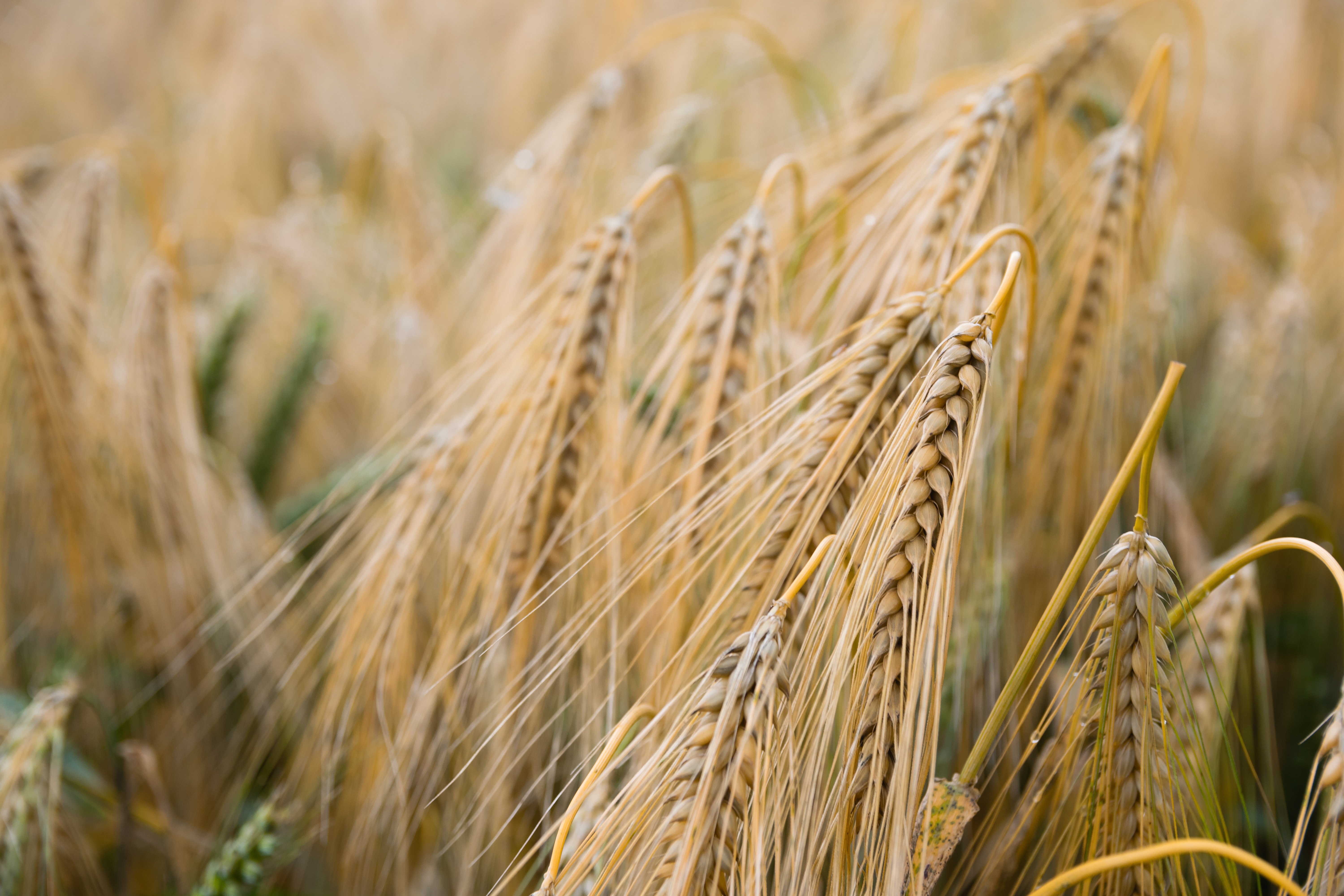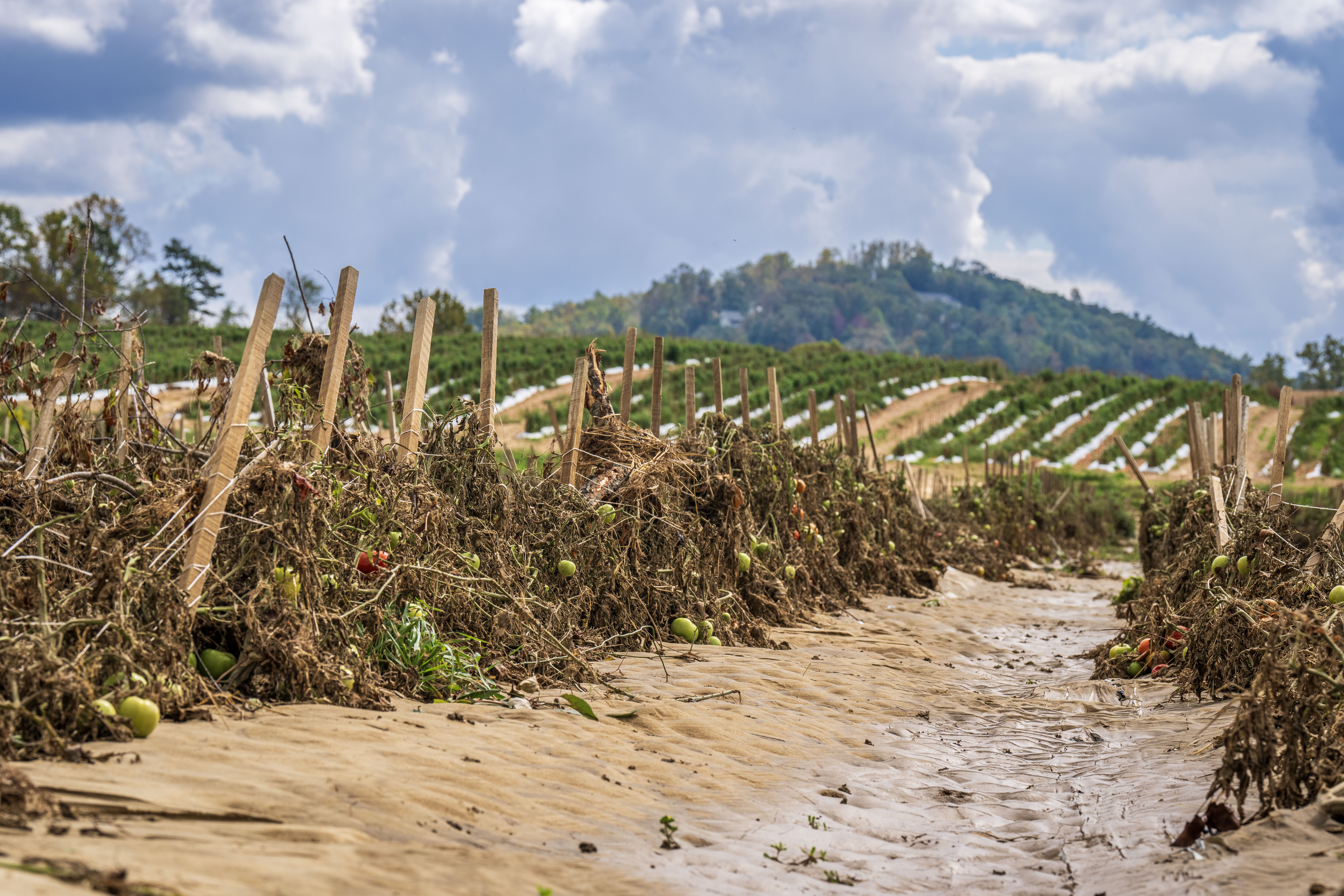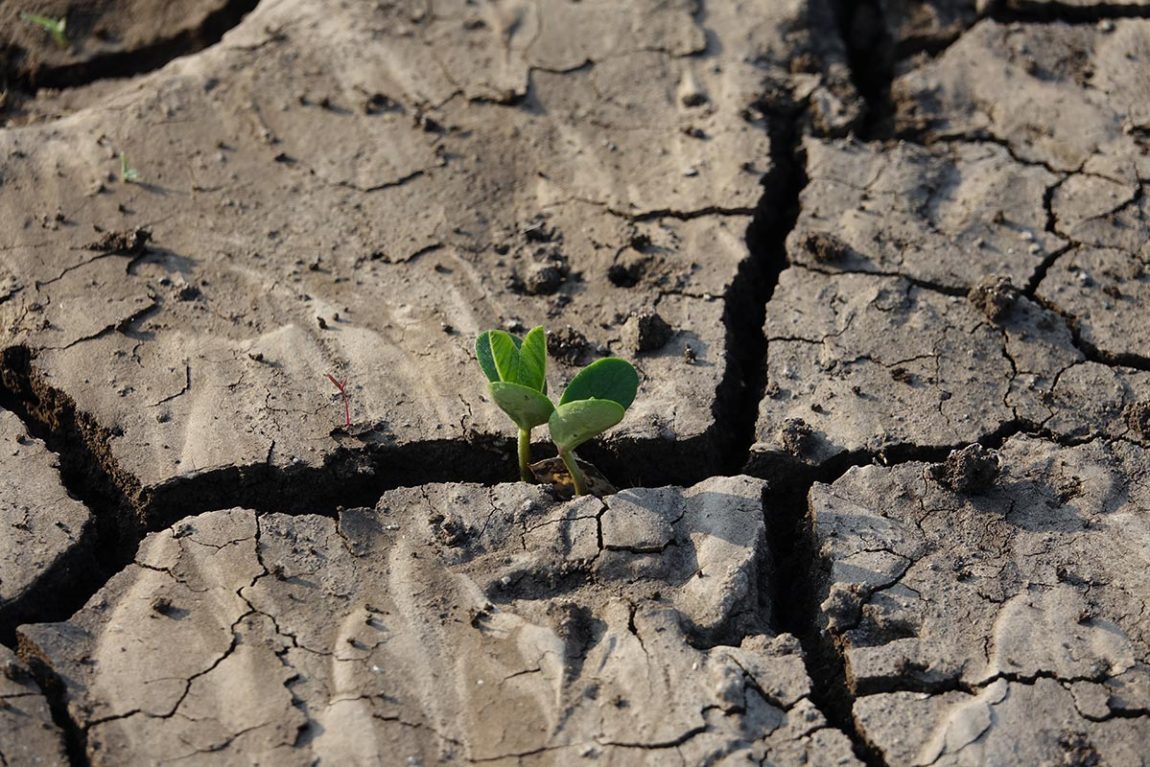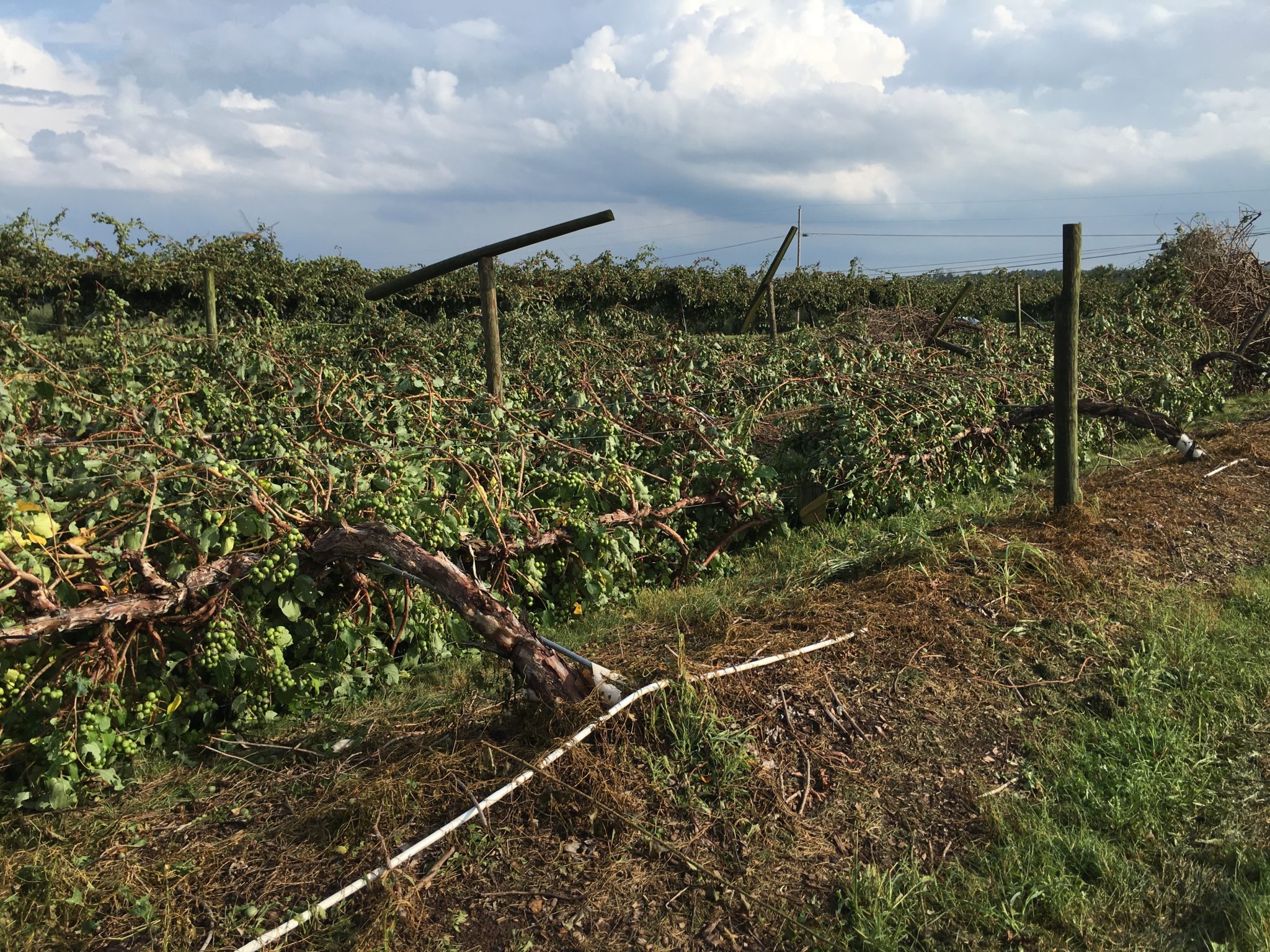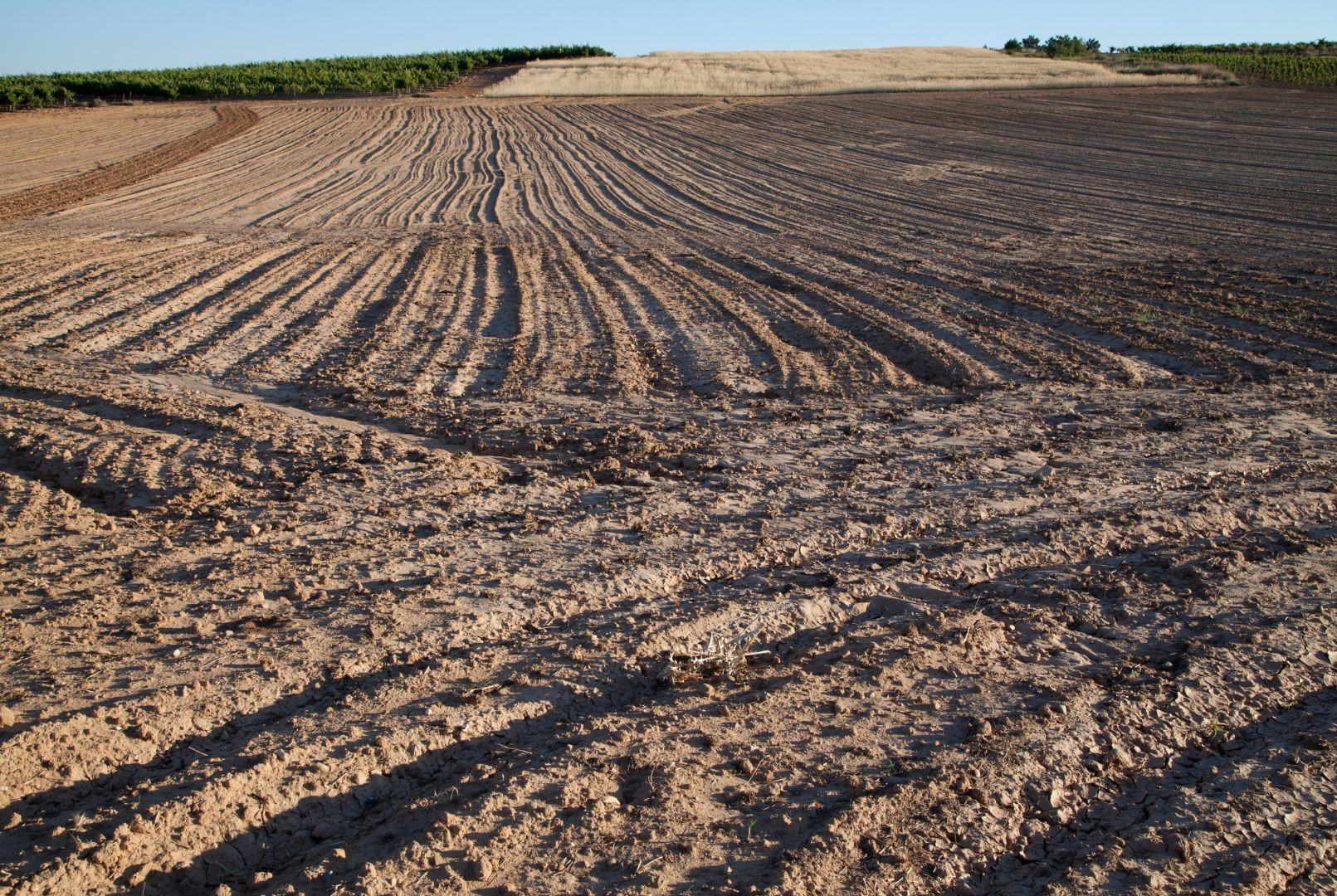
Almost half of the total cultivable fields in Trashigang dzongkhag have been left fallow leading to a loss in crop production and increasing human-wildlife conflicts.
According to records from the dzongkhag agriculture office, of the 15,372 acres of dry land, about 8,285.07 acres are left fallow. Of 2,217.14 acres of wetland, 556.36 remain uncultivated.
The gewogs include Bartsham, Shongphu, Bidung, Radhi, Phongmey, Yangner, Kanglung, Samkhar, Udzorong, Khaling, Kangpara, Thrimshing, Lumang, Sakteng and Merak.
Due to difficult terrain, rural-urban migration, shortage of farm hands due to emptying of households, lack of irrigation water, human-wildlife conflicts, high daily wage rates, elderly individuals unable to work in the fields among others, are some of the commonly cited reasons for the increasing fallowing of fields.
Farmers said that due to increasing imports and rural-urban migration, they are unable to cultivate their land and market their produce outside of their villages. This discourages farmers from cultivating crops.
Among the fallow lands, Kangpara Gewog has the highest acreage of uncultivated dry land, amounting to 1,704.11 acres, followed by Lumang with 1,199.23 acres, and Samkhar with 997.94 acres.
On the other hand, Samkhar Gewog stands out with a mere 74.71 acres of fallow wetland, closely trailed by Phongmey with 66.41 acres, and Radhi with 62.55 acres. The problem of fallowing land has become widespread across all 15 gewogs in the dzongkhag.
Farmers say the frequent wildlife raids are seriously affecting and hampering their efforts and are a serious challenge to their livelihood and increasing agricultural production.
Lobzang Norbu, 69, from Shongphu said that the crops were damaged by monkeys during the day and wild boars at night. “This discourages us from taking up farming and acres of farmlands have also been left fallow.”
He said they go to the field every night to guard their crops against invading wild animals.“Monkeys, wild boars, deer, and porcupines often cause severe damage to our fruits and agricultural products that we grow on our little farm.”
Kangpara Gup, Sangay Tenzin said fallow land is increasing annually mainly due shortage of labour force, human-wildlife conflict and the migration of people to towns.
“Farming inputs such as improved seeds, chain-link fencing facilities, and machinery need to be in place to address the fallow land issue,”he said. “Introducing a policy of a 100 percent increase in land tax for uncultivated land and 50 percent increase for cultivated land may curb the problem of fallow land.”
He said that the absence of marketing post-production, along with the distance from highways, also discourages farmers from cultivating the land.
Lumang Gup, Sangay Gyeltshen said keeping fallow land and empty houses is one of the main challenges in the gewog.
He attributed this trend to the preference of individuals to leave their fields unattended and instead seek employment in urban areas.
“The majority of the youth have either migrated abroad or found employment in urban areas, leaving only the elderly who are unable to work in the fields.”
Local leaders say rural-urban migration is causing most of the land in the gewog to remain fallow.
In 2018, Trashigang had 1,055 empty houses (gungtongs). By 2023, this number had climbed to 1,469, representing a 4 percent increase.The latest statistic compiled by the dzongkhag reports that 17% of rural people have migrated to urban hubs resulting in 1,469 empty houses (gungtongs) in Trashigang.
With 181 empty houses, Thrimshing gewog recorded the highest gungtongs followed by 166 empty houses in Bartsham Gewog and 159 empty houses in Radhi Gewog.
Agriculture officials said, as per their policy, they are reviving fallow land and encouraging farmers to give more importance to agriculture.
“Shortage of manpower and absence of young people in rural families to take up farming activities are the main reasons for keeping lands fallow,” said an Official.
Dzongkhag Agriculture officer,Dorjee, said that installing chain-link fencing to protect crops from wild animals, initiating land developments and supplying farm machinery are measures the dzongkhag is taking to address fallow land.
He said the dzongkhag focuses on three areas: developing about 605 acres of land, providing a 695 km chain link, and proposing a 35.5 km irrigation canal to reclaim fallow land in the 13th five-year plan.
As a measure to reduce the following of land due to human-wildlife conflict, farmers are provided with electric fencing. Officials, however, say that most of the farmers are not willing to take ownership of the fencing.
The dzongkhag’s agriculture office is also encouraging dropout and unemployed youths to take up farming and make use of the fallow lands. The response from the young, however, has been lukewarm.
Source - https://kuenselonline.com