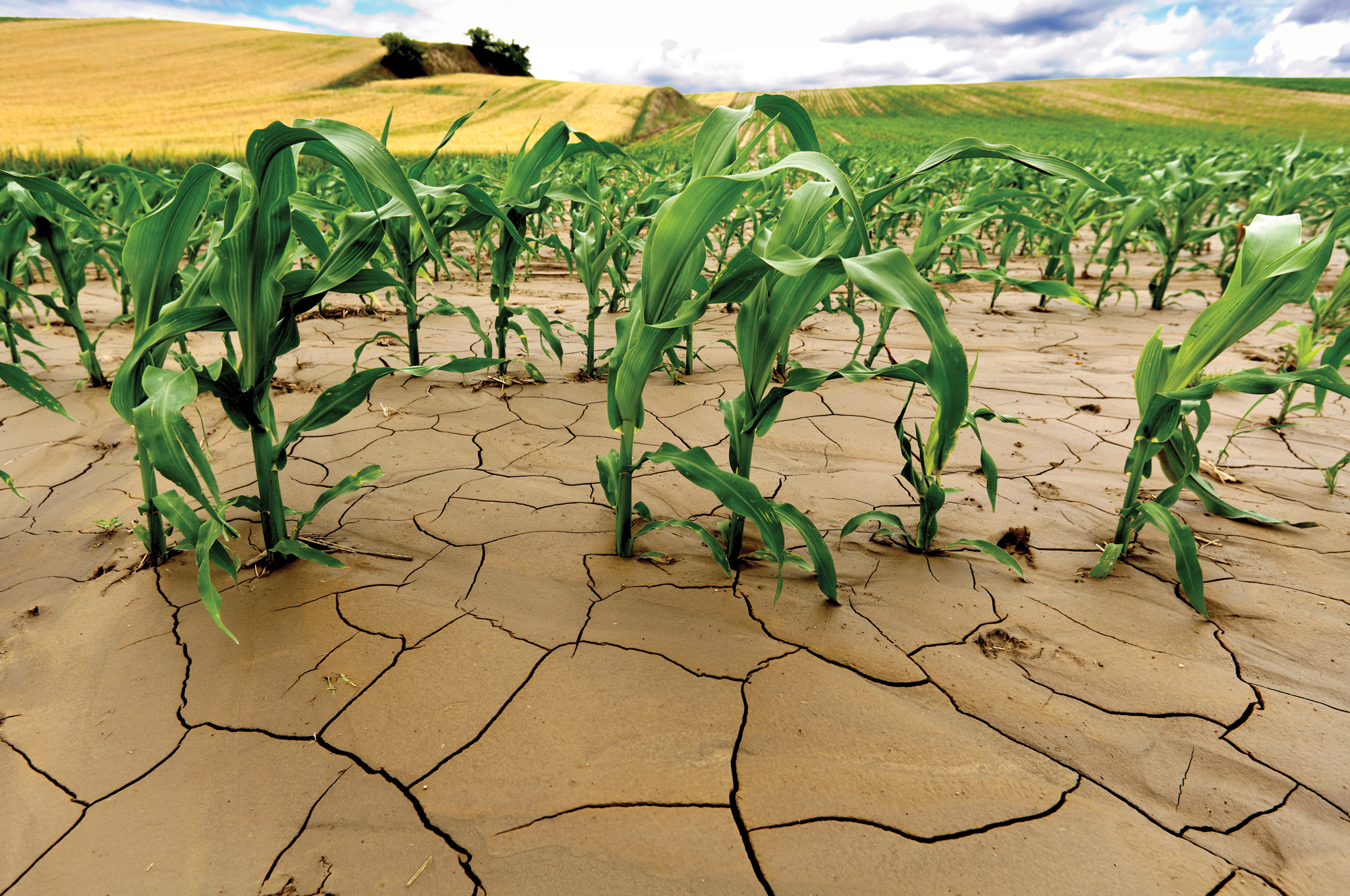
Brazil's drought is causing farmers there to delay fertilizer purchases for their upcoming corn-planting season, denting sales for global fertilizer suppliers in the world's top corn-exporting country, executives said.
Brazil's soybean harvest is already delayed and that hold-up may push back planting for the main corn season that follows it early next year, which is likely to affect fertilizer companies like Nutrien (NTR.TO), Mosaic (MOS.N) and Yara (YAR.OL). Corn is one of the most fertilizer-intensive crops.
The drought, related to the El Nino climate phenomenon, illustrates the volatility facing global agriculture as climate change accelerates. Fertilizer companies are already coping with lower profits, as crop and fertilizer prices sag after peaking at the start of the Russia-Ukraine war.
Brazilian farmers usually sow less corn when they miss the ideal planting window in January or February, decreasing fertilizer demand.
U.S.-based fertilizer producer Mosaic expects "safrinha," production, a Portuguese word referring to Brazil's second corn harvest, to drop by 12% or 12.7 million metric tons, exceeding the Brazil government's view of an 11.1 million ton drop from last year.
"I would call it a very plausible downside scenario because of how late the crop's going to go in, how dry it currently is and how it's likely that rains will shut down before that safrinha corn matures," said Mosaic vice-president of market and strategic analysis Andy Jung.
Mosaic's estimated crop decline would cut Brazilian demand for potash fertilizer by about 4% or 500,000 tons, Jung said. That volume of potash is worth about $160 million at current prices.
A loss of sales on that scale would not be financially material as Mosaic could sell to other countries, Jung said. A worst-case scenario, however, would see safrinha corn harvest fall by 25 million tons or about one-quarter, he added.
As of early December, farmers had purchased only 60% of their estimated fertilizer needs in the corn-producing states of Parana and Mato Grosso do Sul, compared with 80% usually at this time of year, said Guilherme Schmitz, market development director at Oslo-based Yara's Brazil unit.
Safrinha corn represents about 75% of Brazil's national corn output depending on the year.
"The combination of low crop prices and the uncertainty about the weather has growers really buying on a just-in-time basis their inputs for the safrinha crop," said Jason Newton, chief economist at Canadian fertilizer company Nutrien.
Brazilian potash prices have fallen to around $325 per metric ton, down 36% year over year, according to RBC, illustrating the weak demand.
Brazilian full-year potash imports are expected to be record-high, however, based on robust shipments earlier, though some of those imports may sit in retailers' warehouses if farmers buy less.
The drought has also forced crop chemical producers FMC (FMC.N) and Corteva (CTVA.N) to sell Brazilian stock at a discount because of lower-than-expected demand, said Morningstar analyst Seth Goldstein.
Both companies may need to reduce production as rising global chemical demand may not fully offset lost Brazilian sales, he said.
"No doubt (the drought) could bring a reduction in the use of technology, including fertilizers, and a reduction in costs to make the harvest viable," said Fernando Cadore, chief of farmer group Aprosoja in Mato Grosso.
FMC and Corteva did not respond to requests for comment.
Reduced Brazilian production could revive global corn prices and spur U.S. farmers next year to buy more fertilizer to maximize their corn production, offsetting lost Brazilian sales Mosaic's Jung said.
Early forecasts suggest U.S. farmers will prioritize planting of soybeans, however, a crop that needs relatively little fertilizer.
Source - https://www.reuters.com