Catastrophic floods in Brazil will have long-lasting impacts for agriculture, with soaked soils making it harder for farmers to plant crops including rice and wheat for next season.
“Growers in Rio Grande do Sul will likely be forced to shift away from their traditional crops and into new cultures, according to Silvia Massruhá, head of agricultural research agency Embrapa,” Couto reported. “Wheat output, already forecast to drop 4.3% in the state in the season that was supposed to start this month, could be even lower after the floods.”
“’There will be a need for rearranging agriculture and feedstock activities in that region,’ Massruhá said in an interview this week,” according to Couto’s reporting. “‘The soil has soaked up a lot of water, so we don’t know what share of rice or wheat farmers will be able to plant the next crop or if they will need to plant something else before until the soil recovers.’”
Current state of the floods
Persistent rains and destructive flooding continue to wreak havoc in Brazil, with officials saying rising river levels signal further damage in the Rio Grande do Sul region. As of Tuesday, 149 people were confirmed dead in the flood-stricken southern state, with 124 individuals still unaccounted for, according to civil defense officials.
“More than 600,000 people have been displaced from their homes, with approximately 155,000 of those homes being destroyed, officials said,” according to Sarnoff’s reporting. “In total, local agencies say 2.1 million people have been directly affected by the ongoing climate crisis in Rio Grande do Sul. The Guaíba River in Porto Alegre, the capital city of Rio Grande do Sul, could reach unprecedented levels of over 18 feet in the next few days, according to local officials.”
Ag losses so far
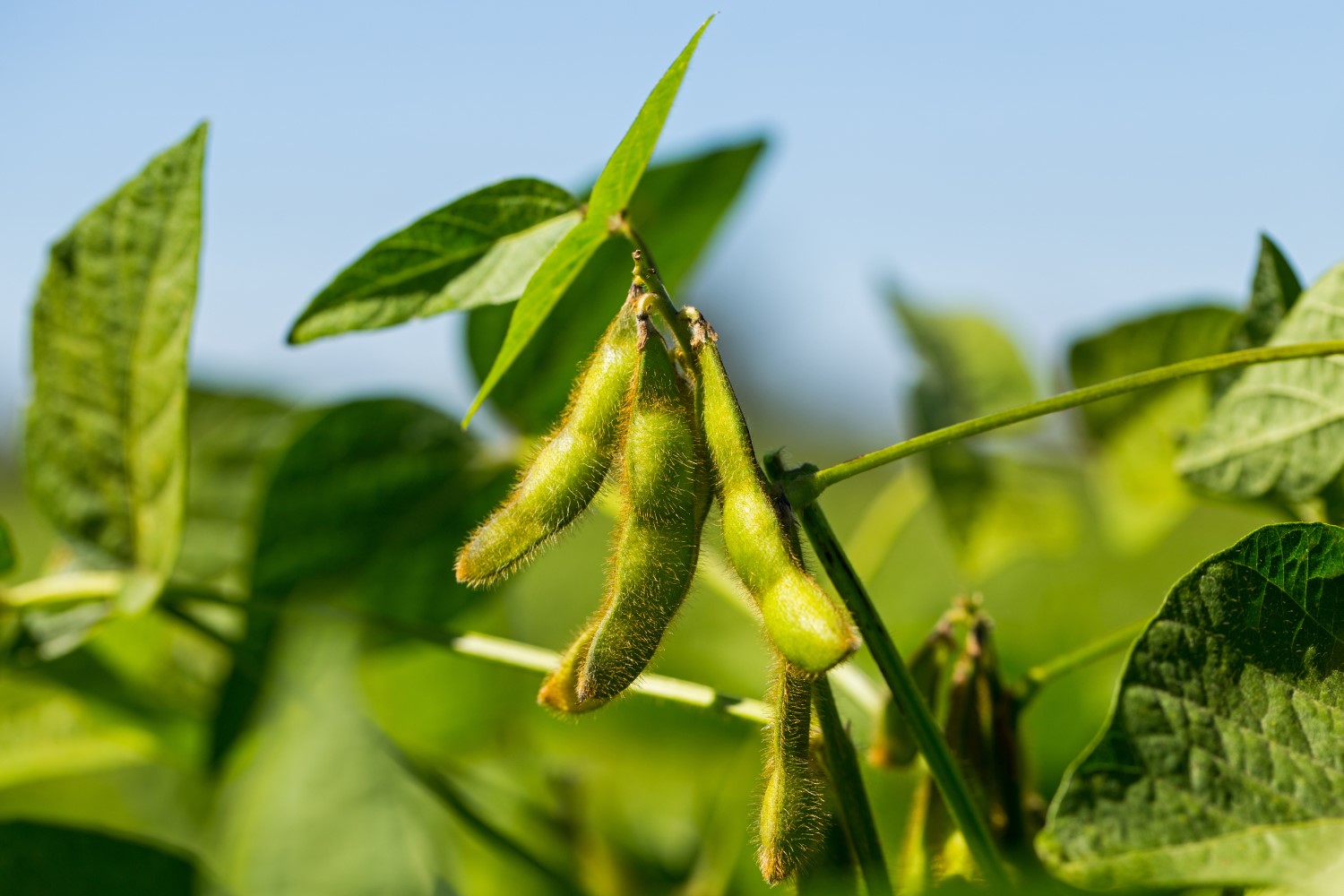
About 1 million metric tons of soybeans may have been lost in Rio Grande do Sul, the US Department of Agriculture said Friday in a report. Brokerage StoneX Group Inc. said the impact could be three times bigger.
“Carlos Cogo, an independent agricultural adviser, said tractor and truck losses will also prevent farmers from planting wheat as previously planned,” Couto reported. “That would mean an even bigger loss than the 4.3% decline to almost 4.2 million metric tons supply agency Conab on Tuesday forecast for the 2024–2025 season.”
Other examples of agriculture related disruptions include “at least two chicken and pork facilities (that) remain suspended, while others are facing partial interruptions, industry group ABPA said,” Couto reported. “…Soybean processor Bianchini SA’s facility in Canoas has been flooded, putting at risk almost 100,000 tons of oilseed in storage. The company also suspended production at the plant.”
“Cargill Inc. resumed soybean crushing at its Cachoeira do Sul facility after two days of interruptions,” Couto reported. “Some activities such as biodiesel production remain halted as flood-blocked roads constrain shipments.”
Entire farms destroyed
The despair in Nilton Muradaz Junior’s eyes is unmistakable as he looks at the vast lake that was once his farm and home, but now shows little sign of the animals, equipment and buildings he lost in the floods devastating Brazil’s southernmost state.
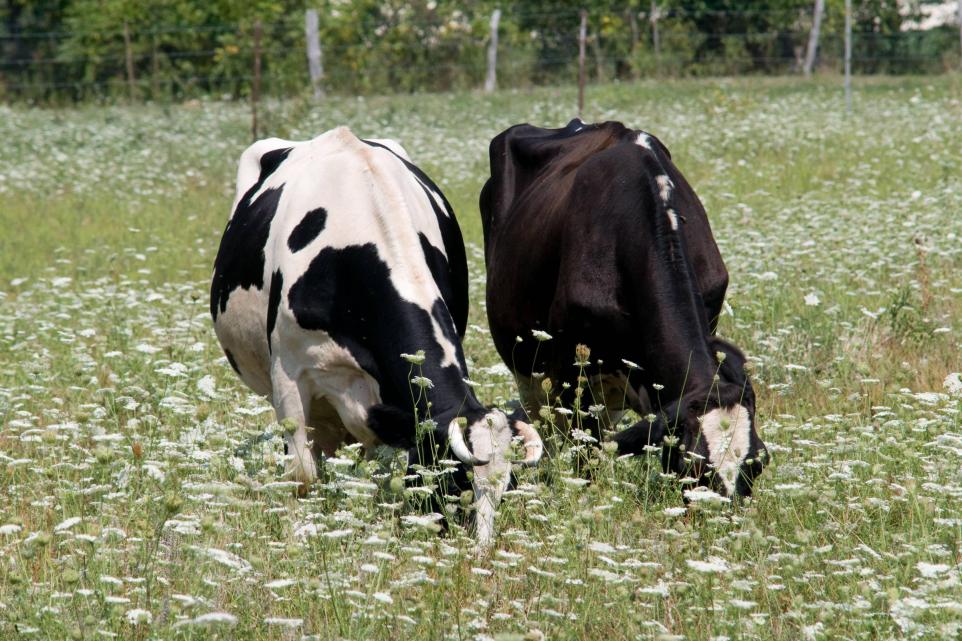
“‘For the dream and life that we created here to be taken away like this is heartbreaking. I don’t even have words,’ said Muradaz Junior, whose cattle herd was reduced to 13 head,” Paraguassu and Benassatto reported. “Only four of his 20 English thoroughbreds survived.”
“He said he doesn’t know where to start rebuilding his life until he can fully assess the damages caused by the floods,” Paraguassu and Benassatto reported. “‘People need to become aware of climate change as quickly as possible so that we still have a chance of not having this happen again in an even more serious way,’ he said.”
Source - https://www.agriculture.com