A Creston orchard’s soft fruit supply has been completely wiped out by record-breaking winter weather that settled in the area a few weeks ago.
The Creston Valley broke temperature records from Jan. 12 to 14, when a cold weather system touched down in area and caused thermometers to plummet as low as -27.2 degrees Celsius.
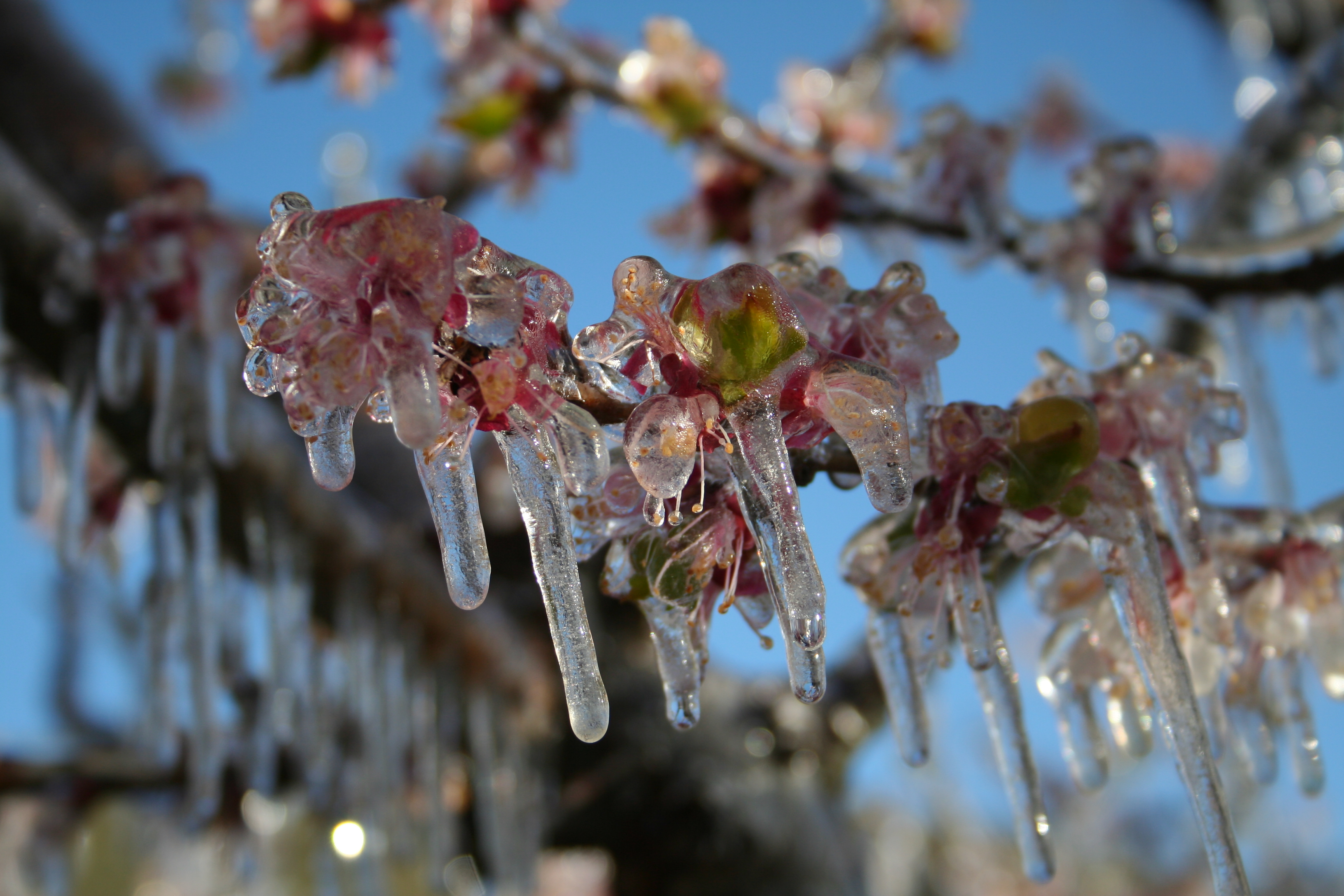
Frank Wloka at Wloka Farms said his soft fruit trees have suffered 100 per cent bud mortality from this weather event, including peaches, apricots, prunes, plums, nectarines and cherries. He confirmed the data with an agronomist on Jan. 29.
“The damage is extraordinarily significant,” he said. “We have experienced crop losses in the past, but not as extensive as we have experienced this go-around.”
He said his farm will have no soft fruit to sell this year, which will ultimately have heavy financial repercussions.
“We know we’re going to be in a substantial red ink situation for this year. That’s a given. We have to manage what we can to reduce the cost structure in a way so that we are basically able to carry forward into next year,” he said.
The farm will still have vegetables and some apples, but Wloka said these crops are not as lucrative because they don’t draw as many visitors to Creston Valley.
“The problem with not having soft fruit for our operation, is that it’s still very much the drawing card for the tourism that comes into this area,” he said.
Wloka is not the only local businesses that has been impacted by the winter storm.
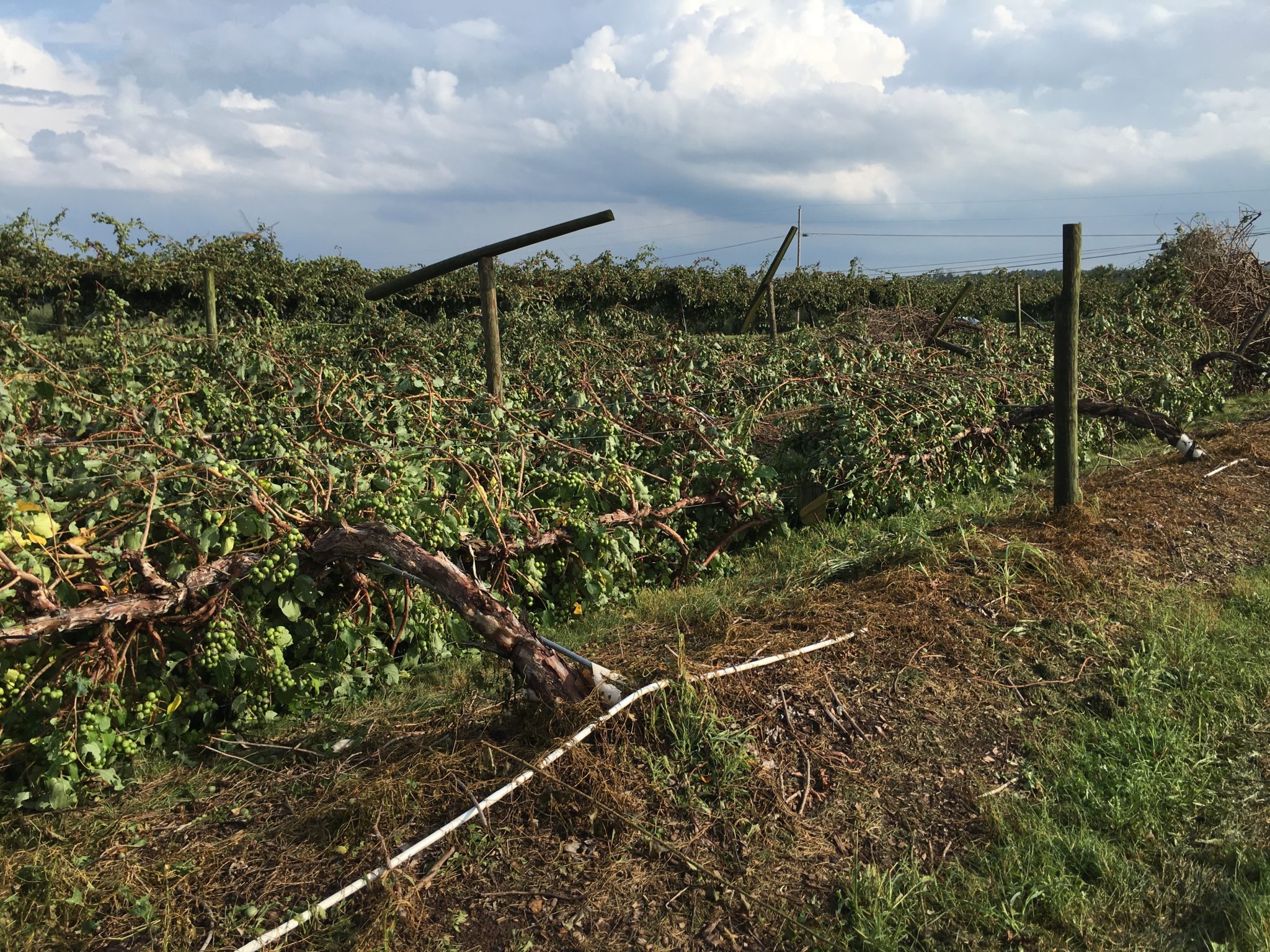
Red Bird Winery reported a minimum 90 per cent bud mortality on its grape plants last week and owner Rémi Cardinal said he isn’t expecting much fruit at all this year.
Martha Flamenco at Flamenco Farms said that while she hasn’t completed a full bud assessment yet, she expects the crop to be light, particularly cherries and peaches. She said she’d have further data by the end of the month.
Wloka worked with an agronomist from Pearl Agricultural Consulting Inc. to determine the extent of the damage. He gathered tree samples and placed them in water for 48 hours at room temperature, and then cut into them so the agronomist could examine the tissue underneath the tree buds.
The buds were dead and brown as expected, but they also found some damage in the branches. Wloka said this could indicate that the whole tree might be at risk of dying, which is a worse outcome than a tree simply not producing fruit for a season.
“We are seeing browning in the cambium layer and that’s not a good sign at all. There could be tree mortality. If not the full tree, it’s probably going to be limb mortality. I also think that some of the really small trees that were planted over the last year or two are at high risk of loss as well.”
Wloka said that while it isn’t uncommon for orchardists to lose trees in winter, damage was worse this year due to a stretch of mild weather that led up to the cold spell. Spring-like temperatures caused the trees to bud prematurely, which lowered their tolerance for cold and caused them to freeze when temperatures plunged below zero.
“If the buds had been dormant, we would have had a reduced crop but we likely would not have had 100 per cent bud kill,” he explained.
Wloka said fluctuating weather patterns, which are becoming more frequent, leave him uncertain for the future.
“Is it a 100 year event? Is it something we’re going to be faced with more going forward as climate change puts its grip on us?”
“It could repeat itself,” he added.
Source - https://www.vicnews.com