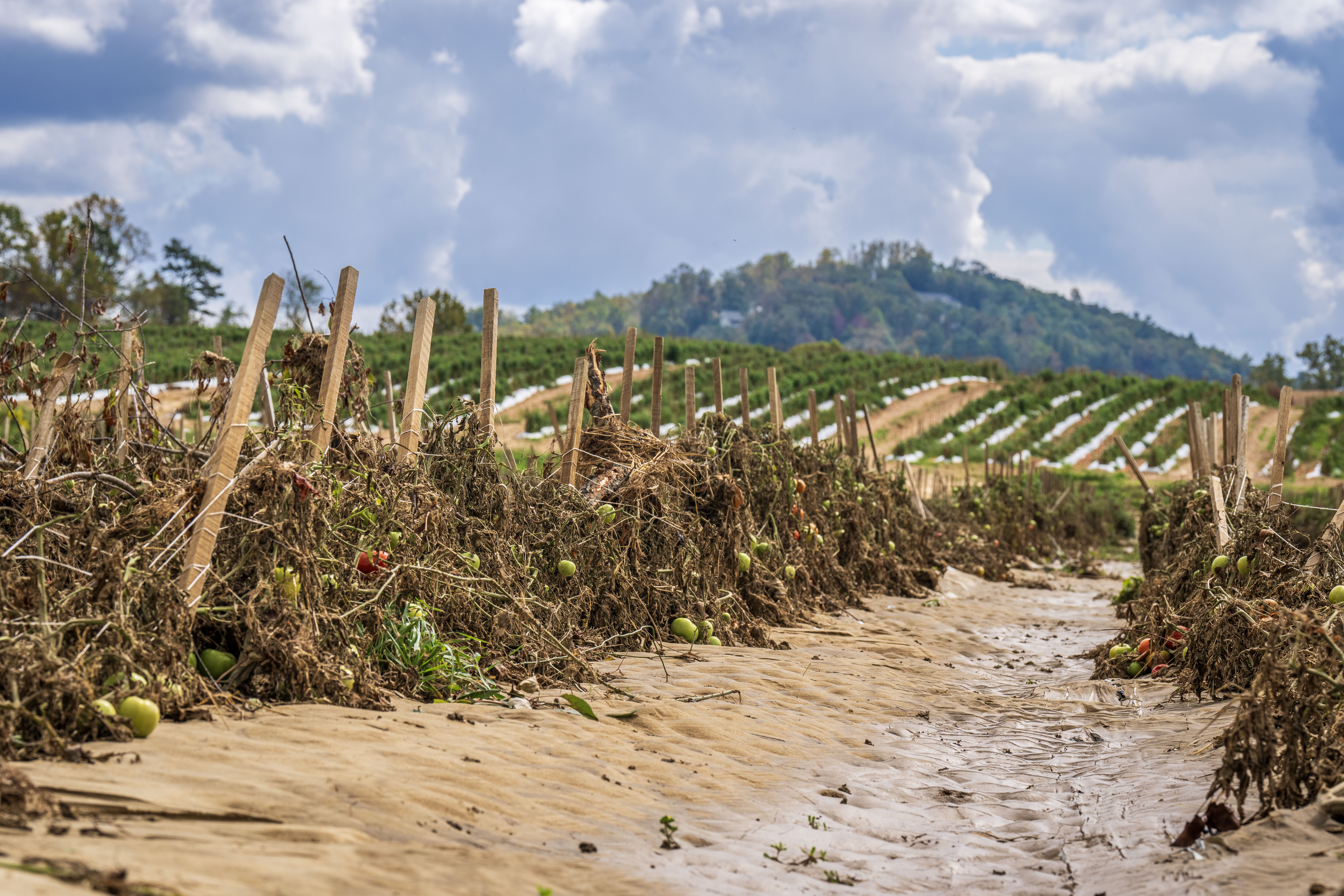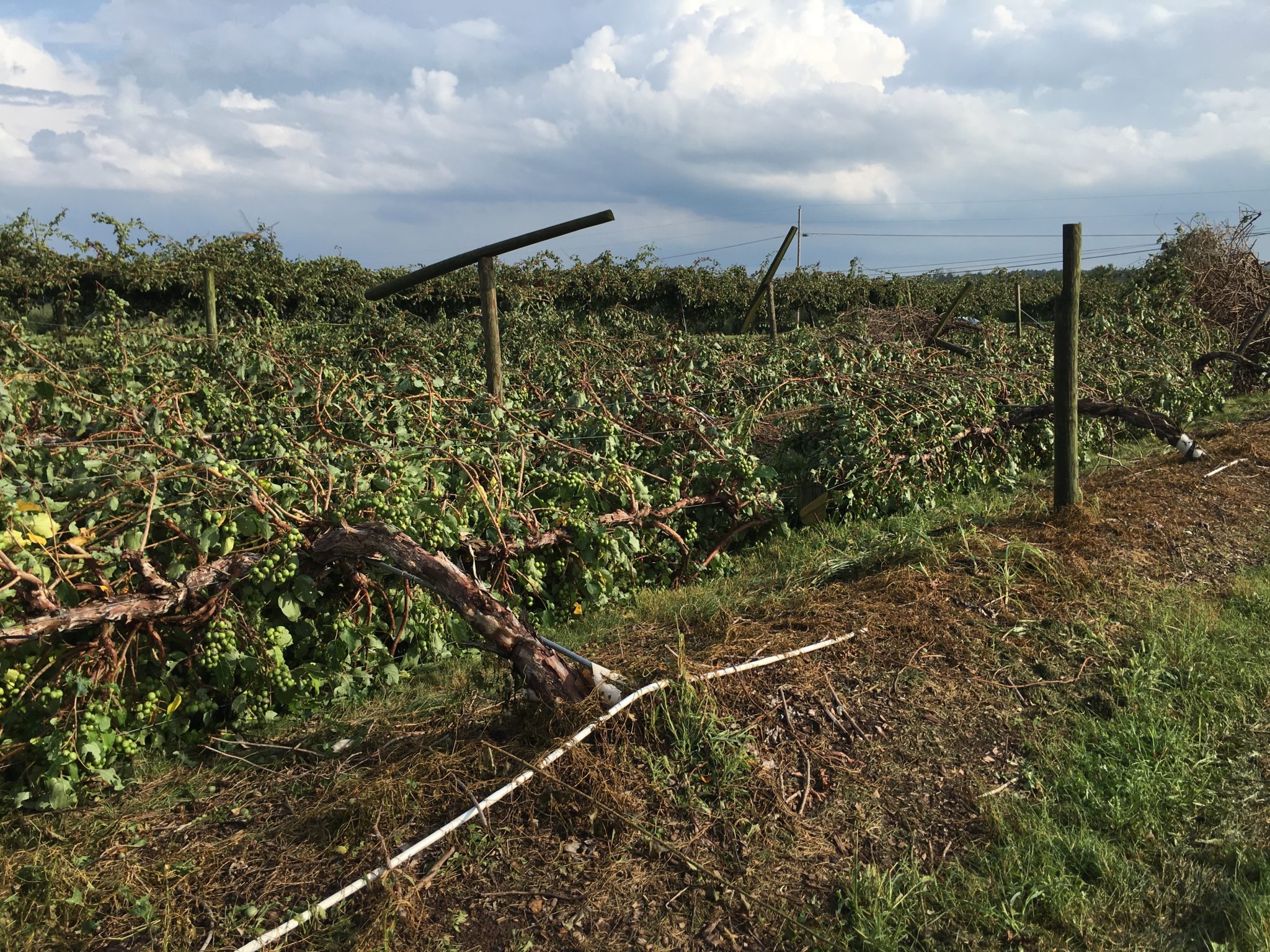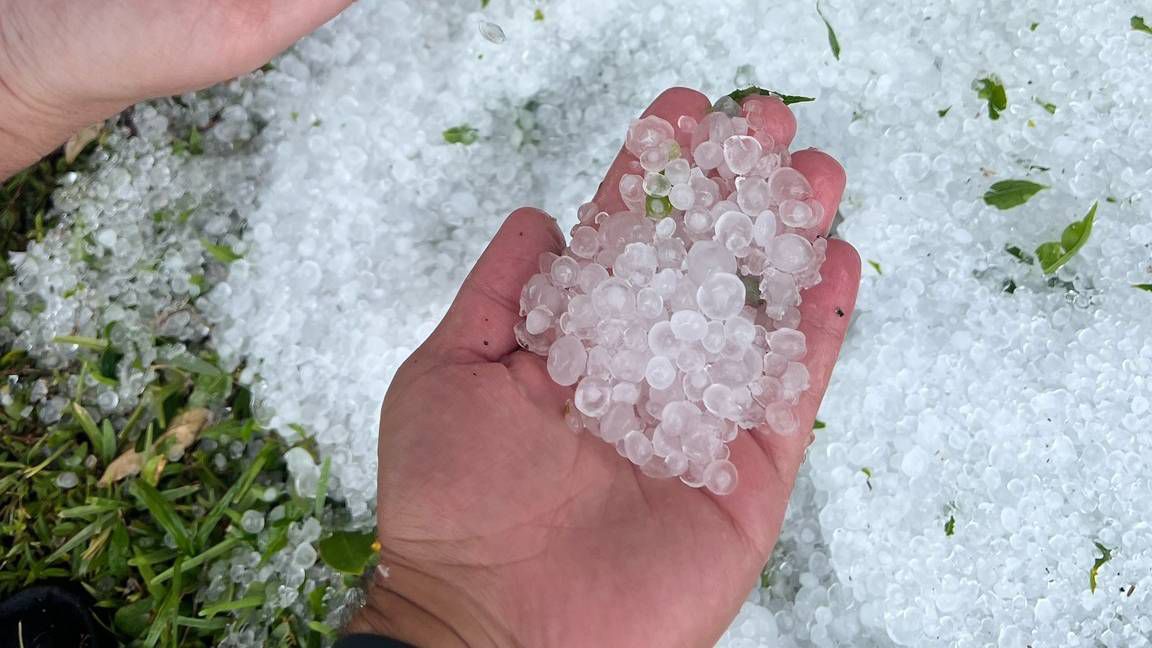
When a province has a huge chunk of its geography referred to as “hailstorm alley,” it’s not surprising crop producers would get a lot of payouts for hail damage.
But does that alone explain why total insurance payouts for hail damage in Alberta are about seven times more than the other Prairie provinces?
According to the Canadian Crop Hail Association, Alberta farmers received $357 million in hail insurance payouts in 2023 compared to Saskatchewan’s $77 million and Manitoba’s $54 million.
“A lot of hail comes through Alberta,” said Jesse Cole with the Agriculture Financial Services Corporation (AFSC), the province’s Crown crop insurer.
“It’s our number one or number two kind of loss. It’s either drought or hail [every year]. In the last couple of years we’ve had quite a bit of drought, so drought may have taken over on how much money we’ve paid out.”
What may be confusing, however, is that there were fewer hail claims in Alberta than usual last year: 5,185 in 2023 compared to a 20-year average of 6,800. Total hail insurance payments in 2022 ($630 million) dwarfed last year’s returns in spite of high-profile storms in 2023.
There’s no simple answer for the discrepency, but Cole pins it on three factors: less hail than 2022, farm commodity markets softening and the prominence of spot-loss hail insurance products in Alberta.
“In the regular production program, if the price goes up between the spring when we offer the insurance and the fall when we pay it out — and it goes up by more than 10 per cent compared to the spring — for most of the crops it triggers what we call a variable price benefit [VPB] payment,” said Cole.
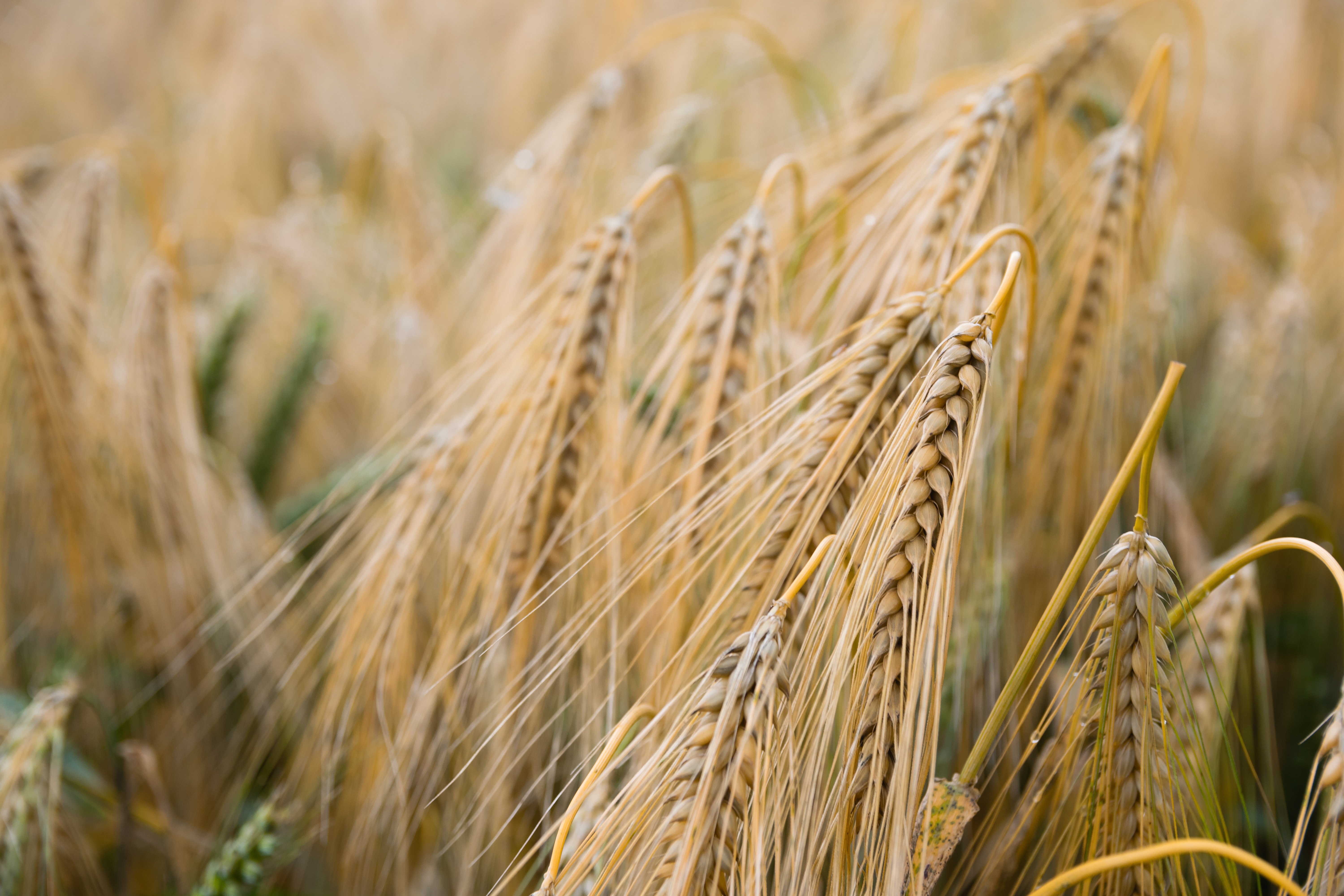
“So, if your barley goes up by 20 per cent, you get a 20 per cent extra amount that comes in the fall. And that works for hail too.”
However, he doesn’t think the VPB was much of a factor in 2023.
“I think our market prices were a little bit lower this fall. I don’t think VPB triggered on a whole bunch of stuff, either. [Both] 2021 and 2022 were fairly high VPB trigger years. So that plays into that a little bit.”
A less-discussed factor might be the spot-loss component in AFSC’s straight hail insurance product.
Among the other Crown crop insurance providers on the Prairies, Manitoba Agricultural Services Corporation (MASC) offers spot-loss hail insurance, but the Saskatchewan Crop Insurance Corporation (SCIC) does not appear to do so, Cole said.
AFSC offers two hail insurance options to Alberta producers: hail endorsement and straight hail insurance.
The word “endorsement” means the same as “rider” in the insurance world, meaning the hail endorsement is an option attached to another insurance policy. In this case, it’s usually annual crop insurance.
Straight hail insurance is much like it sounds: hail insurance by itself with a spot-loss factor built in. Spot-loss products have a much lower deductible, plus a choice of coverage percentage.
“So, if you buy [straight] crop insurance for barley, for instance, we have different coverage levels from 50 per cent to 80 per cent,” said Cole.
“So, if you buy that 80 per cent [insurance] and your production goes below 80 per cent of a normal production level, your hail would be included in that and it would trigger a claim.”
What this often means, said Cole, is it can trigger claims on very small amounts of hail damage. Although Cole didn’t have the number of straight hail claims in 2023 at hand, he said it ultimately adds up to a lot of relatively small payouts.
“Sometimes hail only hits 10 acres or one field or something. So you might go from 100 per cent of normal to 85 or 80 very frequently.”
The primary difference between the two products is the degree of coverage.
“If you take out crop insurance on barley, the production that’s counted is from your whole barley crop,” said Cole.
“But for the [straight] hail insurance, we go down to pieces of the field. Basically, it will cover smaller areas and smaller amounts. It just basically means that it has less deductible in it and triggers more often.”
Unlike the hail endorsement, straight hail insurance doesn’t receive government funding.
“The reason for that is because the federal government doesn’t love spot-loss products because they trigger very often and one would maybe call them kind of a ‘rich’ product that goes above and beyond what a normal risk might be and what they’re willing to cover,” said Cole.
The availability of this spot-loss option creates a hugely different hail insurance scenario from those offered by the SCIC, he said.
Hail insurance in Saskatchewan is simply included as part of the annual crop production insurance program, said Cole, although straight hail is available through line companies throughout the province.
Source - https://www.albertafarmexpress.ca