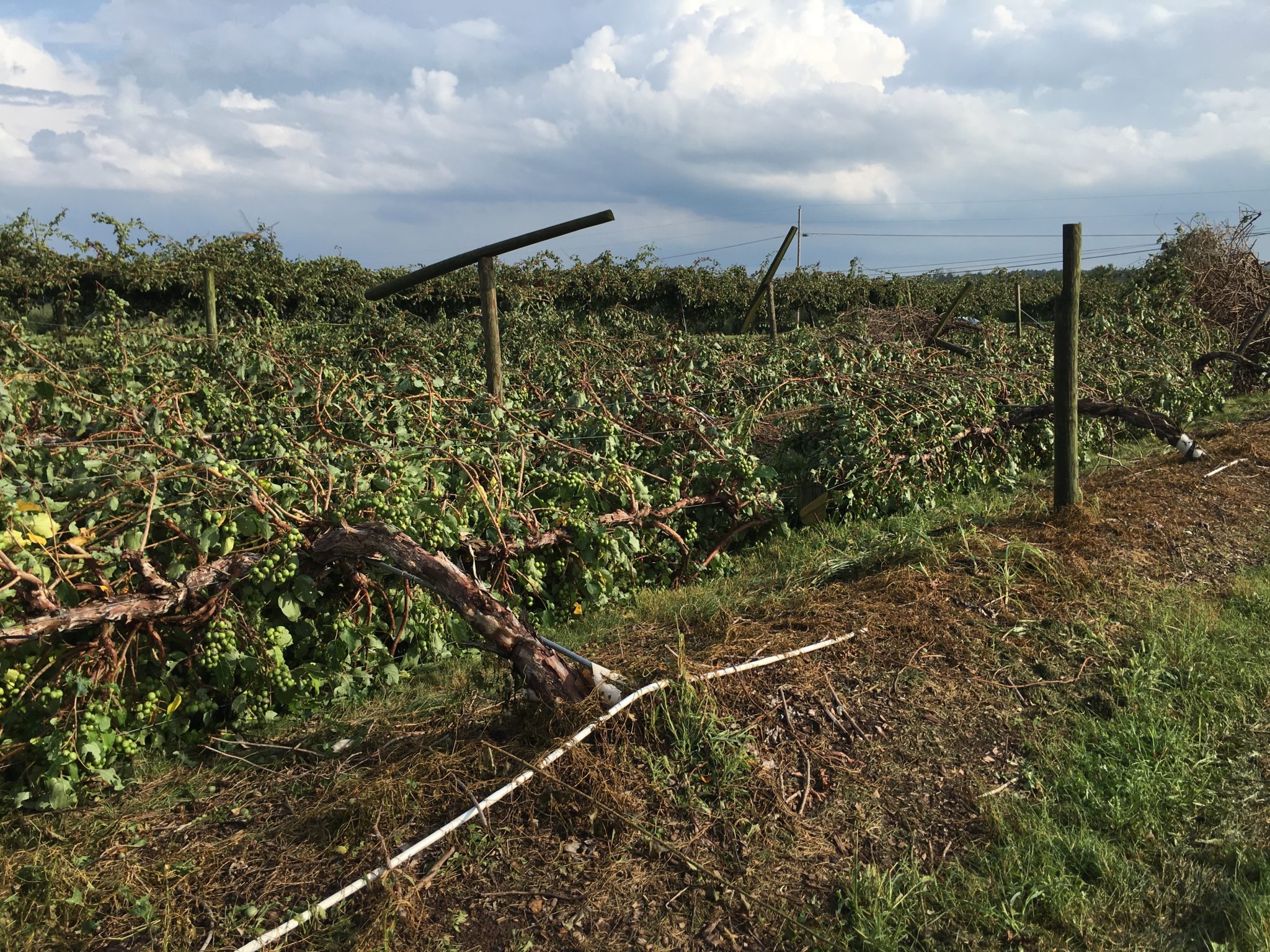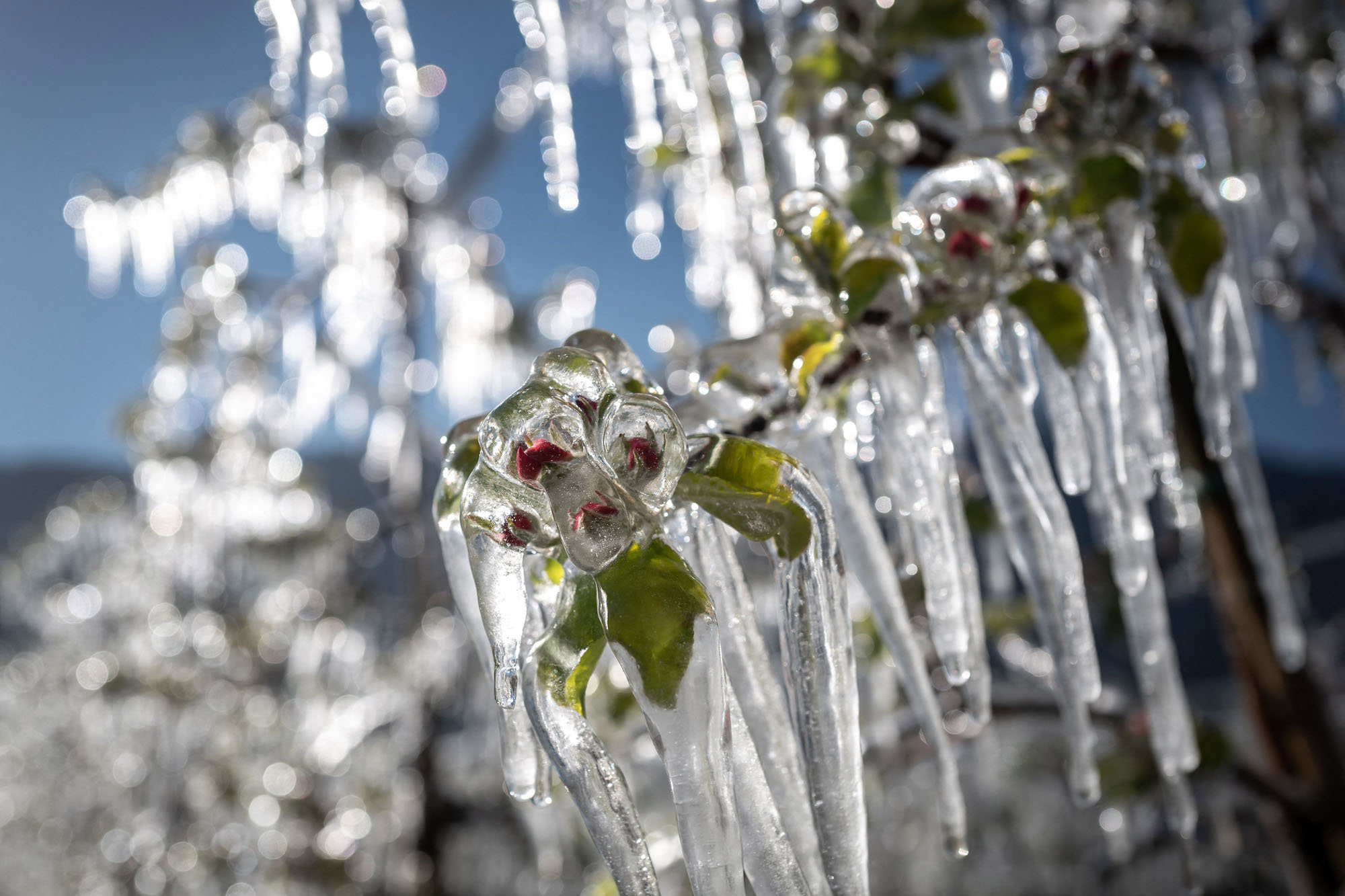
One of the highlights of summer in British Columbia will likely be in short supply this year, as farmers in the province’s interior grapple with the sour fruits of extreme weather.
Farmers say a warmer-than-normal winter followed by an extreme blast of arctic air in January has wiped out entire crops of popular fruit, including peaches, plums, cherries and nectarines.
“It was more or less what you would call a perfect storm,” explained Creston orchardist Frank Wloka.
Fruit trees began budding early due to the unseasonably warm winter weather, he said. The sudden plunge to temperatures in the range of -27 C then killed off those buds — meaning no fruit this spring.
Wloka said area farmers had an expert consultant come in to assess damage last week, and the results were grim.
“The damage is unbelievably extensive,” he said.
“Out of about eight or 10 different locations in the valley, we saw every one of those samples showed 100 per cent bud kill.”
Peter Simonsen, president of the B.C. Fruit Growers’ Association, said many farmers across the interior are in the same boat as Wloka.
“We know our buds are damaged, we know many people have absolutely no fruit,” he said.
“It doesn’t mean the trees are dead, they can recover, but in many cases it will mean no peaches or apricots this year I expect.”
Simonsen said farmers are more hopeful about apple and pear crops, but cherries look to be in trouble.
Farmers, who he said are still recovering from damage caused by the 2021 heat dome, are now referring to the freeze damage as “our Fraser Valley flood” in reference to damage the 2021 atmospheric rivers did to Lower Mainland agriculture.
Red Bird Estate Winery owner Remi Cardinal said the harsh winter has set his seven-year-old business back several years.
He believes his vines will survive, but said it will be tough to cover the economic hit of a lost growing season.
“A season without grapes, that’s no wine, less wine less revenue,” he said. “It’s going to be a tough year, we’re going to have to stretch our stock that we have right now.”
Wloka added that the economic cost will go beyond the lost fruit crops.
Without fruit, farmers won’t hire seasonal labourers to pick, and there will be resulting knock-on effects to local businesses.
The absence of fruit will also hurt local tourism, he said.
The industry is hoping to get access to the federal-provincial AgriRecovery program, but Simonsen said they fear it won’t be enough.
“We don’t really have the protection for farmers and farming we should have … it’s much less than other provinces and jurisdictions per-capita wise,” he said.
“Our concerns fall on deaf ears many times. It’s reached the point where we are almost beyond the point of no return.”
Speaking at an unrelated media event Wednesday, B.C. Premier David Eby said he understood how important farmers are to the province.
“The inventory of the extent of the damage is still being taken,” Eby said.
“My assurance to farmers and farm communities and British Columbians is that we will be supporting those farmers as they rebuild, we understand the importance of the industry and the challenges they face due to the extreme weather we face as a result of climate change.”
Back in Creston, Cardinal said growers will also need help from their fellow British Columbians.
“This is the year to support local — if you want to support your local farmers, just go ahead, like full-on,” he said.
“Don’t go to the big chain, buy local, from the farmers, from the growers, that would help tremendously. It would be crazy for us to have all that support.”
Source - https://globalnews.ca