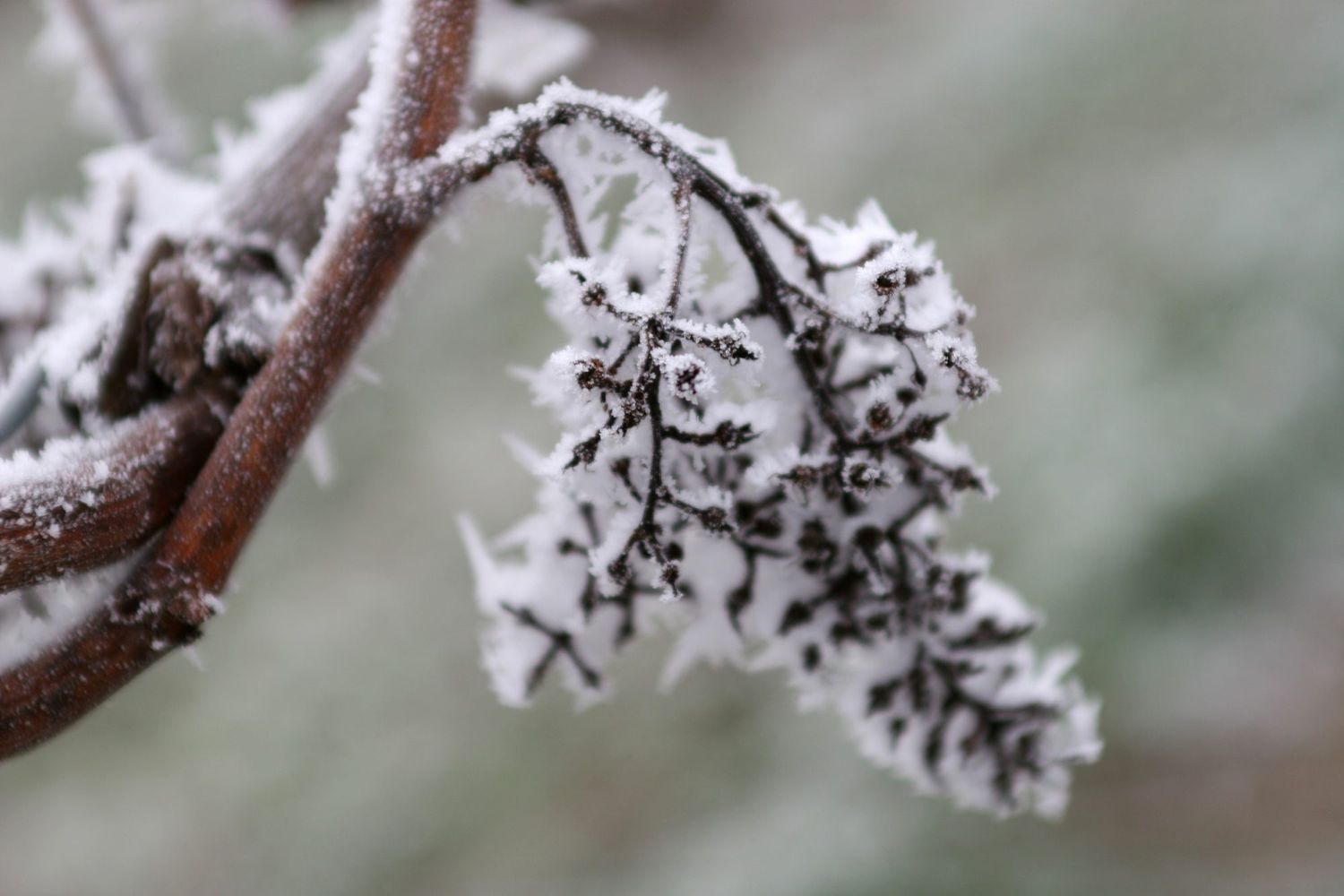
The Okanagan, BC, area, world-famous for its wine production, is expected to lose a substantial amount of its grape crop this summer due to January’s severely frigid temperatures.
In the weeks following the deep freeze, the industry reported there could be a severe impact on grape crops. In February industry groups started looking at importing grapes for BC wineries.
While farmers are not able to assess the damage in its entirety until the summer comes, BC’s Ministry of Agriculture has confirmed it has received numerous reports from growers in the Okanagan-Similkameen region and has ascertained losses could run as high as 95%.
Regional Agrologist Lindsay Hainstock said grape crops had suffered during the January deep freeze and likely will not produce crops in abundance as the region has done in previous years.
“It’s the crop loss that we’re hearing the most about. So, yes, it is true, we’ve probably in the Okanagan-Similkameen areas lost 95% of the grape crop out there,” she said.
“Does that necessarily mean that you’re going to see those vines coming out? Not so. We’re waiting to see. We don’t have the full answers at this point.”
Growers are still calculating the damage to the grapevines, Hainstock added, explaining the vines have three blooming periods at different times — so there’s still a little hope they will see budding in the upcoming season.
“It’s a lot of those first and second buds that have been lost, and when we’re getting down to the tertiary buds, they can be a little later to come out, so we’re still in the assessment stage right now to see how extensive is the damage out there,” said Hainstock.
“But a lot of people are waiting to see if the vines can be salvaged. That is going to be the first choice for most people because it is quite costly to replant.”
Crop insurers are “anticipating up to 50% of some vines in some areas,” Hainstock’s colleagues have informed her.
Farmers will need to replant some crops altogether, especially in the North Okanagan area “where none of their vines are starting to push right now.”
“Down here in the South Okanagan, it’s a lot more mixed from what we’re hearing,” said Hainstock.
A December 2022 deep cold stint damaged 50% of the Okanagan grape crop and 10% of the grape vines, she noted.
With January’s freeze the second example in a couple of years of cold weather impacting wine production, Regional District of Okanagan-Similkameen board members have begun scrutinizing the long-term viability of local grape production.
The BC government is drafting a $70 million replant program — $23 to $30 of which would be allocated to replanting grapes — to go into effect in September.
Hainstock said the fund is for land that is considered no longer viable for crop production, citing cold weather spells, and said the ministry is concerned the land could be affected by other weather events.
“It’s not a question of if it’s going to happen again, it’s when,” Hainstock told the publication.
Members of the board have pointed out that not only is the land unsuitable for growing grapes due to the cold climate, only about one third of the land in the region is used for vegetable production.
“We don’t need to pay people to grow the same varieties that are going to fail,” said elected member George Bush.
“It would be great if we could replant this land back into vegetables, because that’s what’s needed.”
“Are we going to keep growing wine grapes where we should be growing vegetables or apples?” asked Bob Coyne.
“I hate to see government money going into very poor business plans.”
Source - https://www.westernstandard.news