"It's a tough time to be in agriculture."
A recent fire that destroyed multiple parts of a Cawston farm is shining a light on the gaps in the support for the agricultural industry, and what they think needs to be done to help farmers survive.
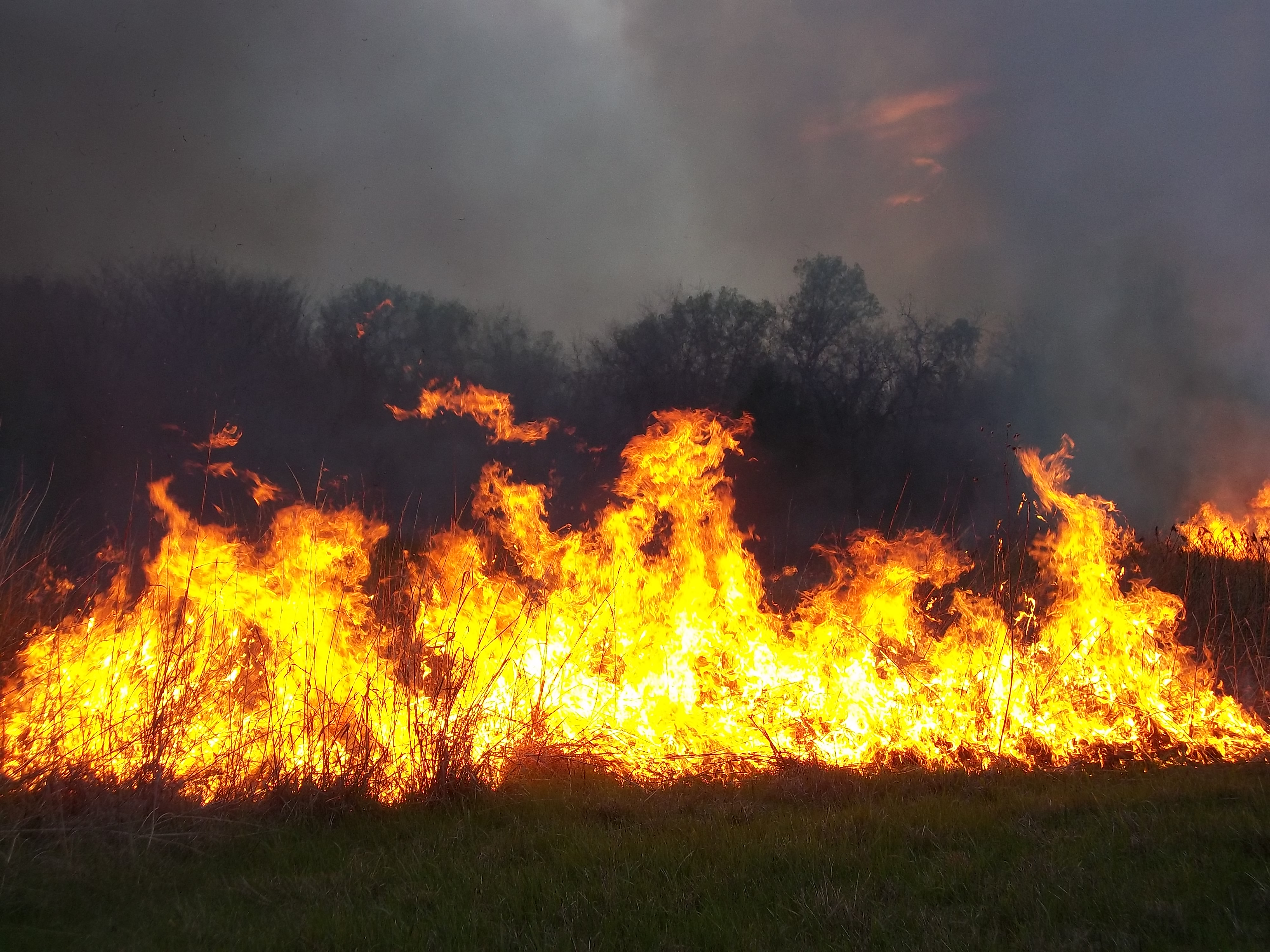
The Snowy Mountain Farm, owned by Aaron and Carly Godard, had their cooler building catch fire last Monday.
Aaron said he and his family weren’t home at the time of the fire, but received calls from employees who lived nearby and neighbours that they saw smoke.
“I had to rush back from town and by then it was already fully burnt down. Not much we could do. My employees were trying to put it out with some hoses and stuff, but it was way too big for them to do that. And fortunately, nobody was injured or hurt in the process. It could have been way worse,” he said.
At this time, the fire is under investigation and Aaron said Natural Resources are looking into it.
Unfortunately, the farm lost its cooler building and packing house, along with their farm truck, all supplies for fruit packing and picking, fruit inventory, and numerous farm essentials.
Soon after the fire, family and friends stepped up to help, starting a GoFundMe to hopefully alleviate some of the burden of rebuilding. The fundraiser is nearly halfway to its $50K goal.
“Our community, both here and at large around B.C., were jumping at a way to support us and we're just feeling completely overwhelmed, in a good way, just feeling that love and support,” Aaron added.
While the farm did have insurance, Aaron shared that he’s not sure it will come through for them, as the company is debating a technicality in their policy that may mean they’re not covered.
"The insurance company is telling us that, due to one clerical difference, they're not going to give us insurance for the building that burnt down," he said.
"It's crazy to me, and we're incredibly frustrated and gutted by it, because it's already hard enough to lose our building, to have to deal with all the work and stress that involves now getting back up and operational, and it's another thing to have an insurance company not wanting to pay."
The Godard family bought Snowy Mountain Farm in 2021, which grows over 70 varieties of organic orchard fruit and a small vineyard.
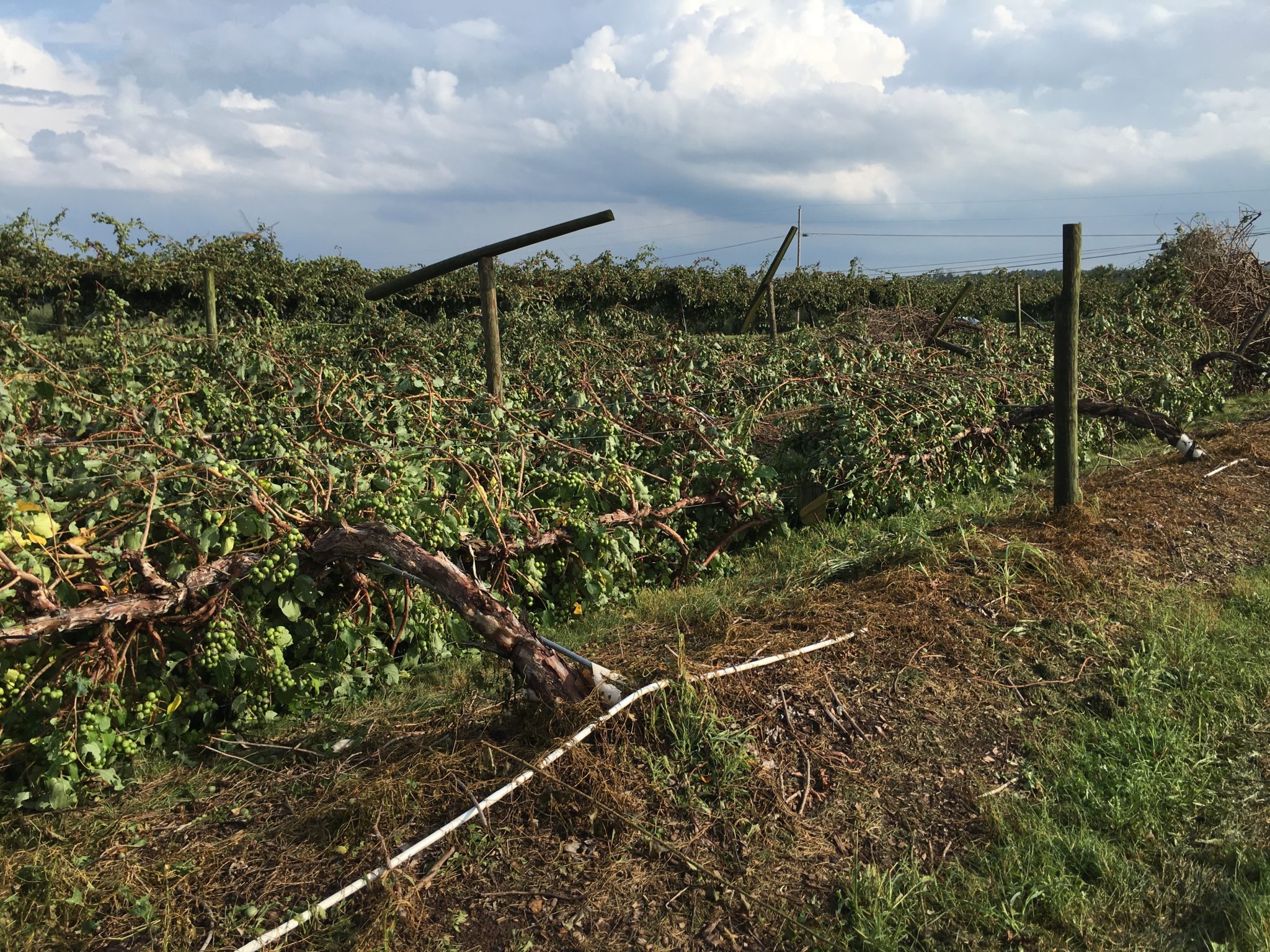
As with other farms and orchards in the valley, the cold snap this past winter caused severe damage to their fruit trees and vines. The weather not only killed most of the fruit buds but the farm also reported long-term tree damage.
The farm has lost 95 per cent of its fruit, including cherries, apricots, peaches, nectarines, most of its plums, apples, and quince.
Aaron said he knows he’s not the only farmer suffering this summer.
“All farmers right now are having a really hard time,” Aaron said. “It's just devastating from an environmental standpoint, we're seeing the effects of a changing climate.”
“The fire is just one more thing to make it harder.”
Local farmers have been vocal about the need for better production policies and changes to insurance policies.
While the province announced $70 million in March as a replant fund to replace damaged crops, Aaron said this doesn’t help with the current loss of income.
“This is, I think, a big misunderstanding on the government side, or just an inability to really see the actual problem, [which is] the immediate need for some kind of cash or cash flow for farmers to stay afloat,” he added.
“The replant program only applies if you want to plant more trees or vines. And that is something that's a long-term solution if you've lost trees. But in the nitty-gritty of it, basically, it only covers a very small portion of the kind of help needed there. It'll cover a bit of your replant costs if you need to.”
Aaron pointed out that most vines and trees require at least three to six years of growing from when they're planted before you can get to a place where you can be harvesting fruit.
“We have no crops and in order to pay for the mortgage, land cost, labour, all of these things, we need some cash flow," he added. "Talk to any farmer. We all wish we could be in a place where you can handle something like this without it potentially bankrupting you."
"What it boils down is that we're in such a fragile state as farmers."
On top of that, Aaron said any crop insurance pay outs are very low since they're based on packing house prices, not necessarily what a smaller business may be selling them at to make ends meet.
"It's a huge difference. So the amount we get in crop insurance is relatively low, but it's something so we're kind of using whatever little bits we can get here and there to get through the year."
The Godards are also part owners of Scout Winery and will have to pull more wine stock out next year to sell because of the loss.
"Last year, we had just a tiny bit of grapes. This year, none on our side. We were able to track down a few grapes from the island that we're going to work with, but it's just a tiny amount. So production will be quite small, again," Aaron added.
"If we get a third season like this in a row, there's going to have to be major shifts....not too many farmers have those deep pockets to withstand too many of these seasons."
There is an urgency for residents and visitors to support local and in-season produce, rather than just opt for what is always stocked in the aisles of big grocery stores.
"I think food security is at stake. I think unfortunately the big grocery chains will just turn to Washington and South America to buy the fruit that's missing here this season," Aaron said.
"The whole system has issues and doesn't necessarily favour or help local farmers."
Aaron noted he does see a great amount of support when they go to sell at markets.
"It's incredible having people's commitment to buying local."
Many South Okanagan fruit stands who wanted product on their shelves this season are forced to sell U.S. stone fruits, due to extreme weather and crop loss this year.
"There are times it doesn't feel terribly hopeful, to be honest, but we are hopeful. You have to be to do this kind of work."
Source - https://www.castanet.net