A farmer in Kelowna working to sew the seeds of sustainability to feed generations to come says the government and industry need to strive for change.
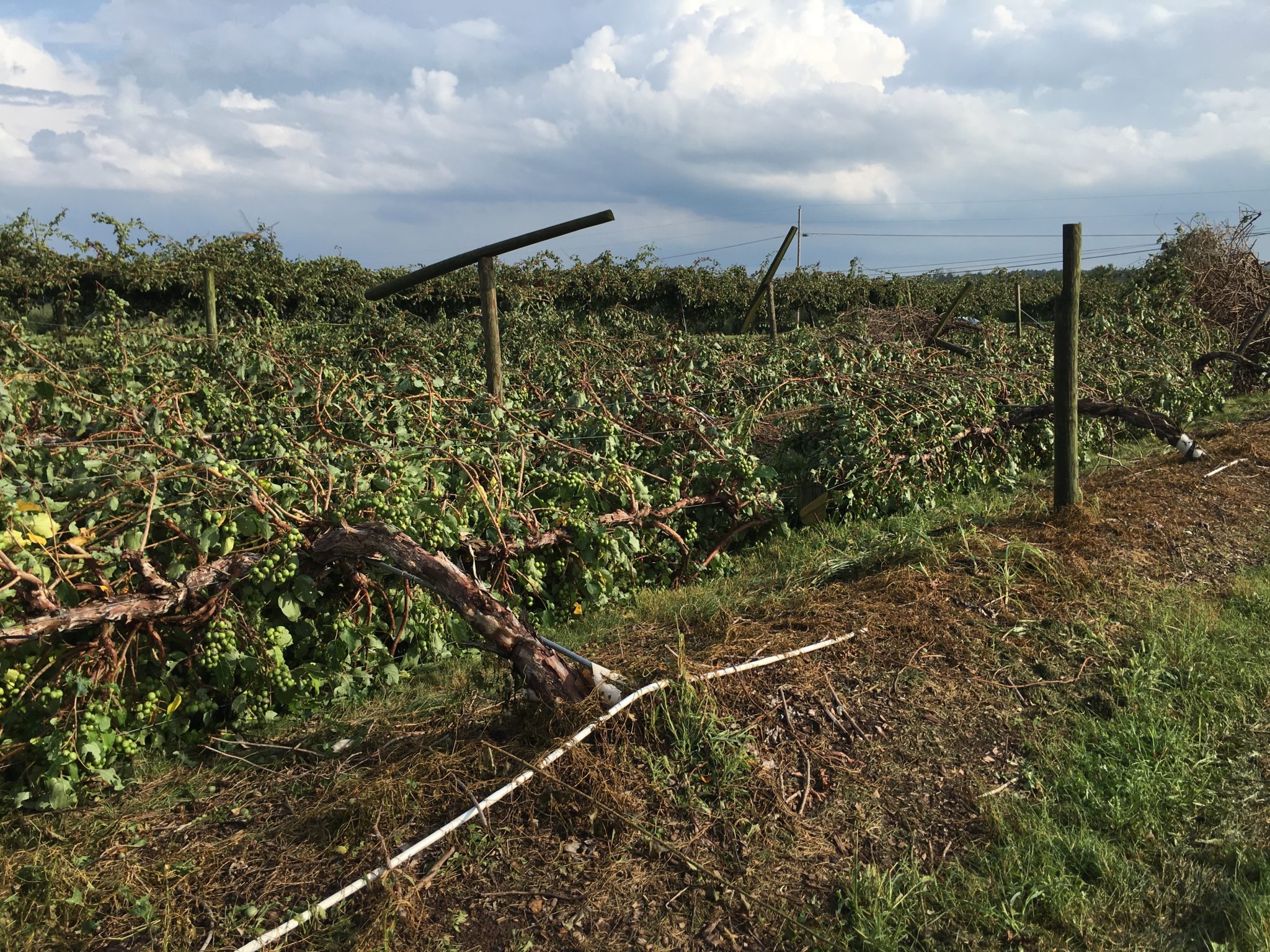
Jennifer Deol, of There and Back Again Farms in Kelowna, is faced with significant crop loss after yet another year of unprecedented weather events.
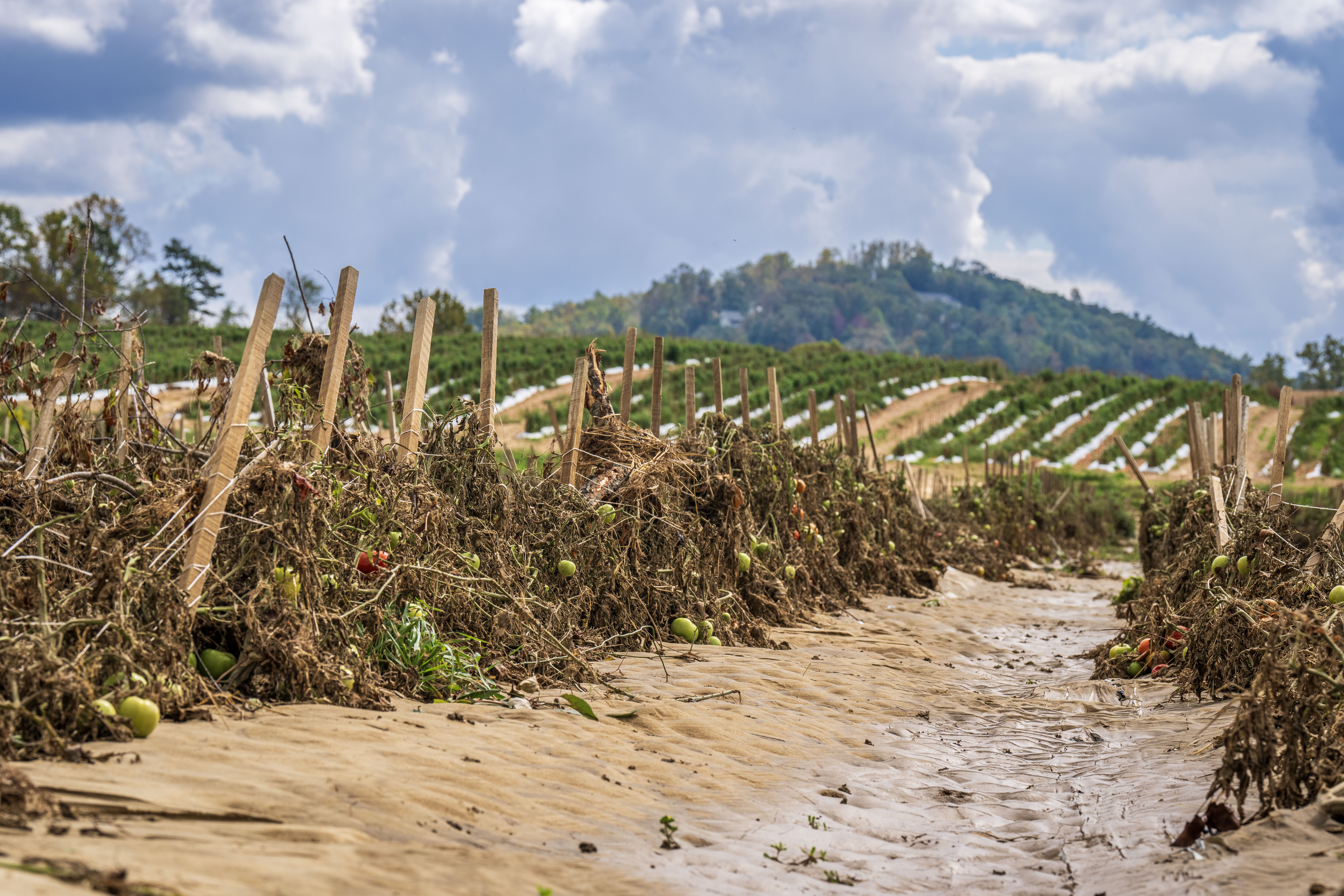
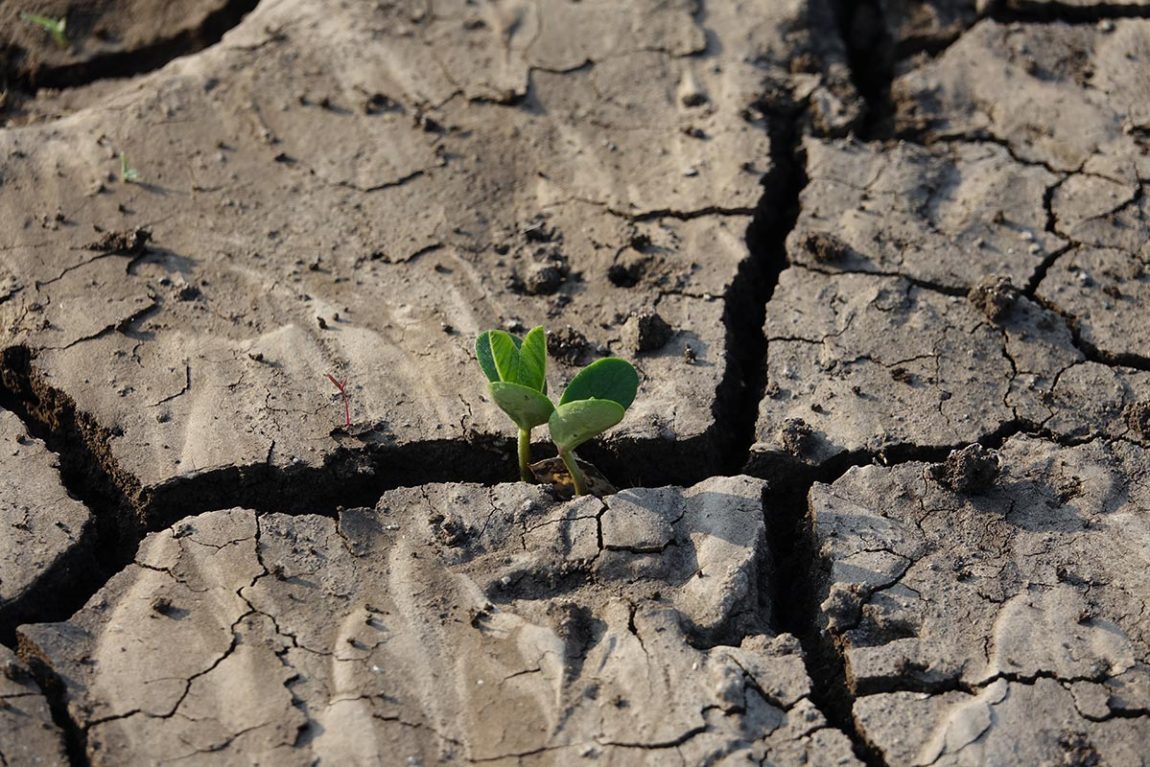
Deol said in the last few years, farms have had to contend with record-breaking heat domes, atmospheric rivers, cold snaps and droughts.
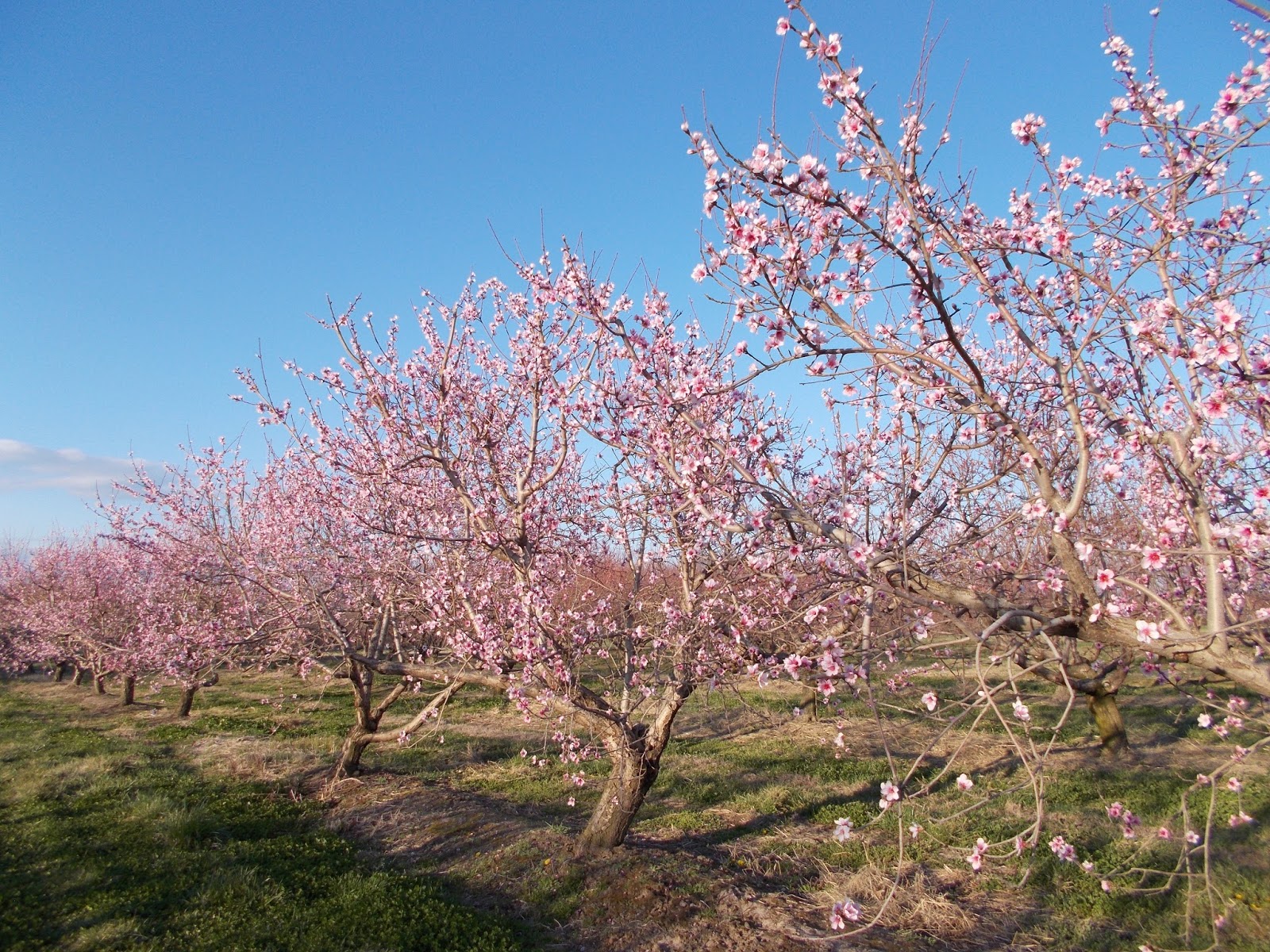
An unseasonably warm start to the winter followed by a cold snap in January resulted in damage to nearly 100 per cent of There and Back Again Farms’ peach trees.
Deol explained because of the warm weather, the trees were not dormant and were filled with water. When the cold snap hit, the water froze, killing the buds that had started to form.
These are the very same peach trees that grew what was at one point the world’s largest peach, in 2016.
The previous owner of the There and Back Again farmland had been farming for more than 50 years before retiring and selling to Deol and her husband.
He still lives nearby and helps with the farm on a regular basis.
He told her the last five years have been by far the worst for farming in the valley he has ever seen.
Both Deol and her husband grew up on farms in the Okanagan. Her parents immigrated to Canada from the Punjab region of India, where their families had been farmers for generations.
Agriculture is deeply rooted in the Punjab culture as most people from the region are from families with long histories of farming.
Now, without a commitment to sustainability and change from both the government and industry, Deol fears farming will be pruned from her family tree.
She dreams of passing the farm on to her son but does not know if the future of farming will include small-scale sustainability-focused operations like There and Back Again. She also said that farming has a rich history in the Okanagan and people travel from all over for the fresh fruit that the region produces. Without government intervention, and consumer support, the Okanagan may lose soft fruit orchards in favour more profitable crops like wine grapes.
In addition to being part of a multi-generational lineage of farmers, Deol also has a degree in environmental science and works for a non-profit environmental organization.
On the farm she works to combine both the cultural and scientific aspects of agriculture and urges others, including the government, to do the same.
Produce from There and Back Again is sold directly to the community from a farm stand in front of their home on McCulloch Road, and at nearby stores and markets.
In response to the cold snap damaged fruits from this past winter, the province pledged $70 million for farmers to replant damaged crops with “climate change resilient varieties.”
“Farmers are very thankful, but I do feel as though it is a Band-aid solution,” said Deol.
She explained that in order to replant crops, like fruit trees, the old trees have to be ripped out of the ground. Deol said while soft fruits like peaches are not particularly resistant to extreme weather events, they are a part of the Okanagan culture and have become integrated into each farm’s unique ecosystem.
“I think of orchards as ecosystems. We are stewarding the land and want to live and grow on,” she said.
The peach trees at There and Back Again Farms have been growing for more than 50 years. Deol said it would be a shame to uproot the trees and replace them with an alternative, like a hearty apple variety. Unfortunately, if severe weather events continue and fruit prices stay low, they may have no choice.
Instead of uprooting acres of established trees, Deol is advocating for government investments into diversity and sustainability to keep small community-focused farmers in operation.
At There and Back Again Farms, Deol and her husband operate with an old-school focus on crop diversity and grow a little bit of everything including table grapes, vegetables, leafy greens, apples and peaches.
She said while their profit margins do not compare to the success of a large-scale single crop (also known as mono-culture) farms on a good year, There and Back Again is also more resistant to weather anomalies.
“Right now we have a lot of farmland sitting there not producing food, and not helping our economy,” said Deol about the soft fruit orchards that have suffered near complete fruit losses.
Rather than suffering a complete profit loss from the damage to peach plants, Deol’s farm is still expecting a bountiful harvest from their vegetables and apple orchards.
The switch to large, mono-crop focused farming happened over the last two decades in the Okanagan.
After multiple challenging growing years in a row, the high cost of land, variable fruit prices and feeble profits, many small-scale farmers have been forced to sell.
“A lot of small farmers just get erased…The only people that can afford it are big growers,” she said.
Deol and her family watched as many small, diverse farms were priced out and purchased by large companies.
The land is then typically replanted with a high-profit mono-crop, like cherries or wine grapes.
Then, when faced with climate change-related damage or a drop in the price of a specific fruit, the plants are ripped out and replaced with a different money-making variety, said Deol.
She said this reactive strategy has negative impacts on soil health, pollinators and the community and is not sustainable.
Deol urges farmers to consider diversifying their land and hopes that the government moves to support sustainable alternatives to replacing mono-crops in response to climate change caused damage.
She said that government investments into publicly-owned farmland and guaranteed minimum prices for produce other than cherries and grapes are sustainable changes that could be implemented to help bolster the farming industry for future generations.
Deol said consumers can also make a difference by buying local produce from fruit stands, markets and grocery stores. This act can help ensure that growing a wide variety of fruits continues to be feasible for farmers in the Okanagan.
Source - https://www.kimberleybulletin.com