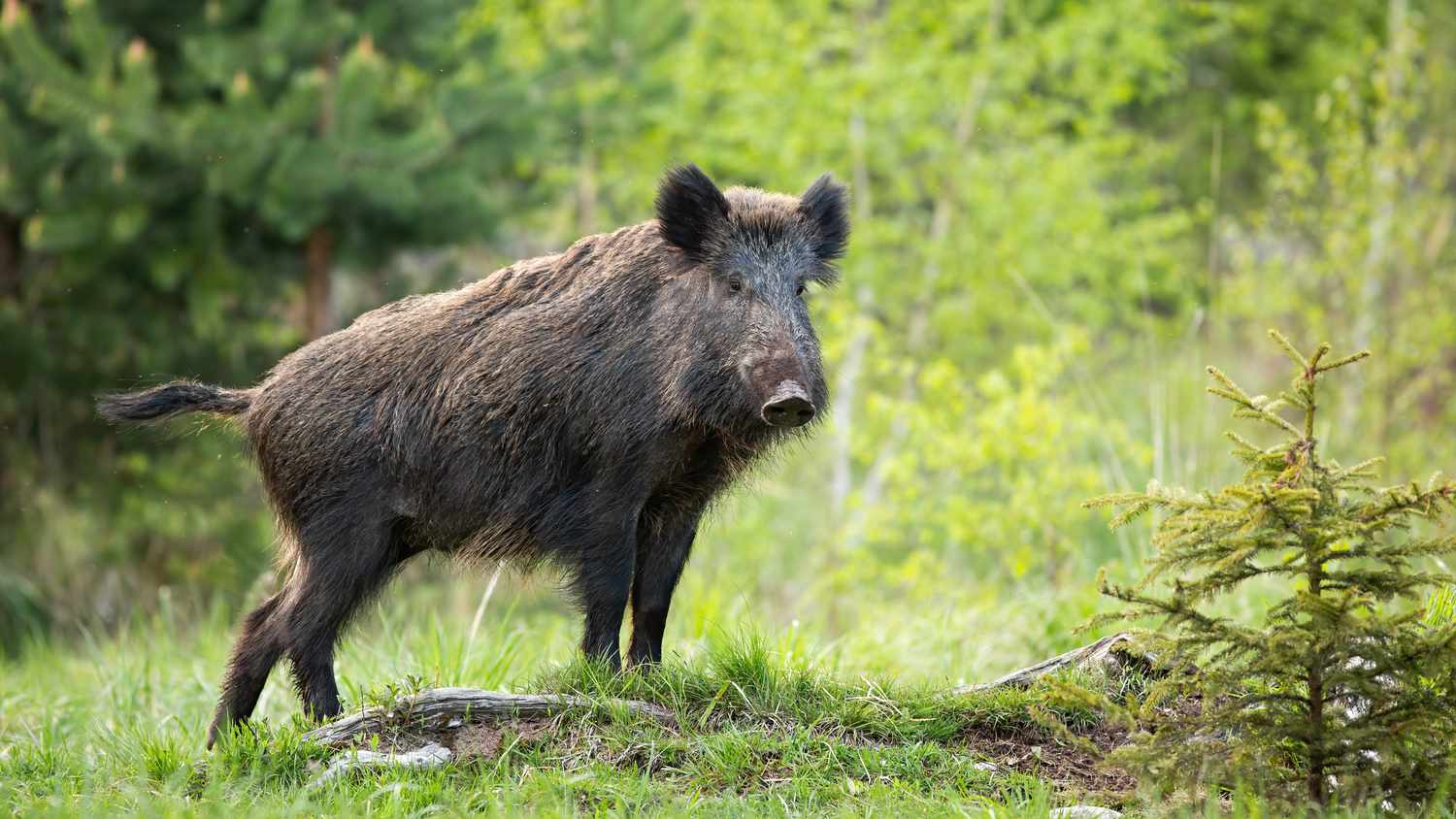
They go by many names – pigs, hogs, swine, razorbacks – but whatever you call them, wild pigs (Sus scrofa) are one of the most damaging invasive species in North America. They cause millions of dollars in crop damage yearly and harbor dozens of pathogens that threaten humans and pets, as well as meat production systems.
Although wild pigs have been present in North America for centuries, their populations have rapidly expanded over the past several decades. Recent studies estimate that since the 1980s the wild pig population in the United States has nearly tripled and expanded from 18 to 35 states. More recently, they have spread rapidly across Canada, and these populations are threatening to invade the U.S. from the north.
The wild pigs in Canada are unique because they were originally crossbred by humans to be larger and more cold-hardy than their feral cousins to the south. This suite of traits has earned them the name “super pigs” for good reason. Adults can reach weights exceeding 500 pounds, which is twice the size of the largest wild pigs sampled across many U.S. sites in a 2022 study.
As a wildlife ecologist, I study how wild pigs alter their surroundings and affect other wildlife species. Early detection and rapid response is of utmost importance in eradicating an invasive species, because invasions are more manageable when populations are small and geographically restricted. This is especially true for species like wild pigs that have a high reproductive rate, can readily move into new areas and can change their behavior to avoid being captured or killed.
Omnivores on the hoof
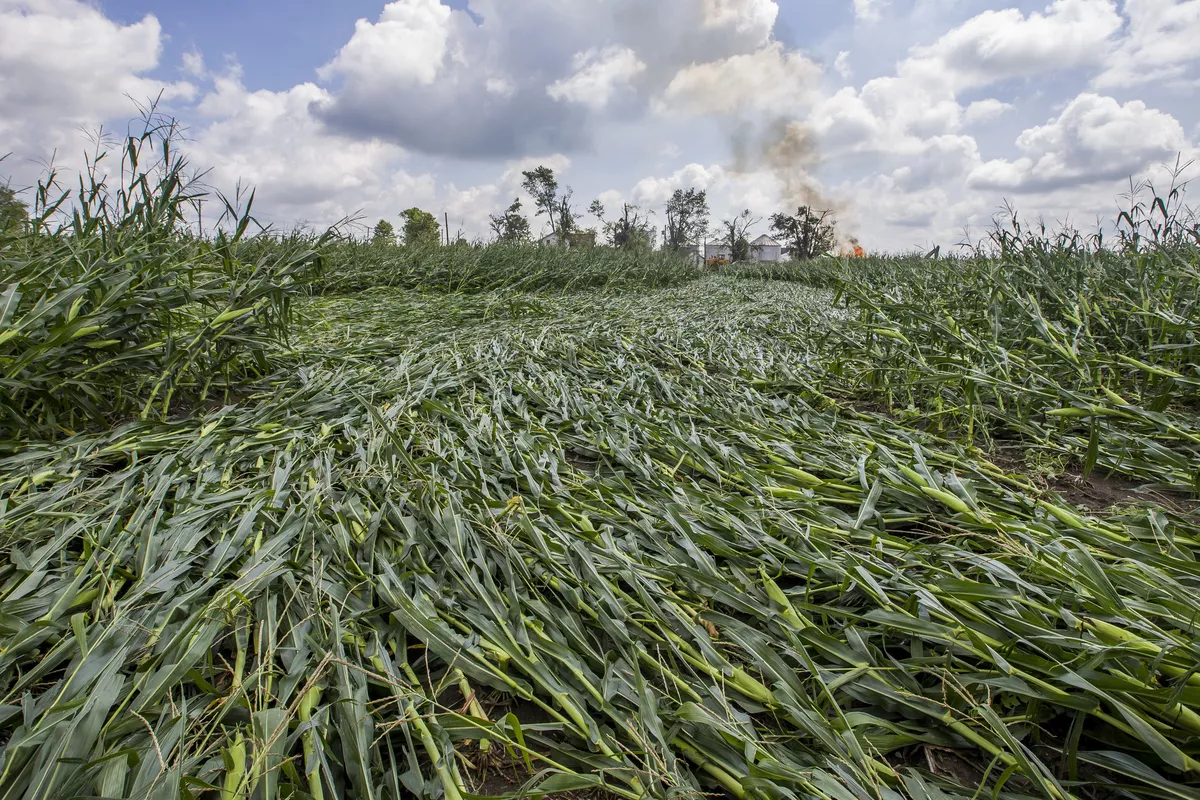
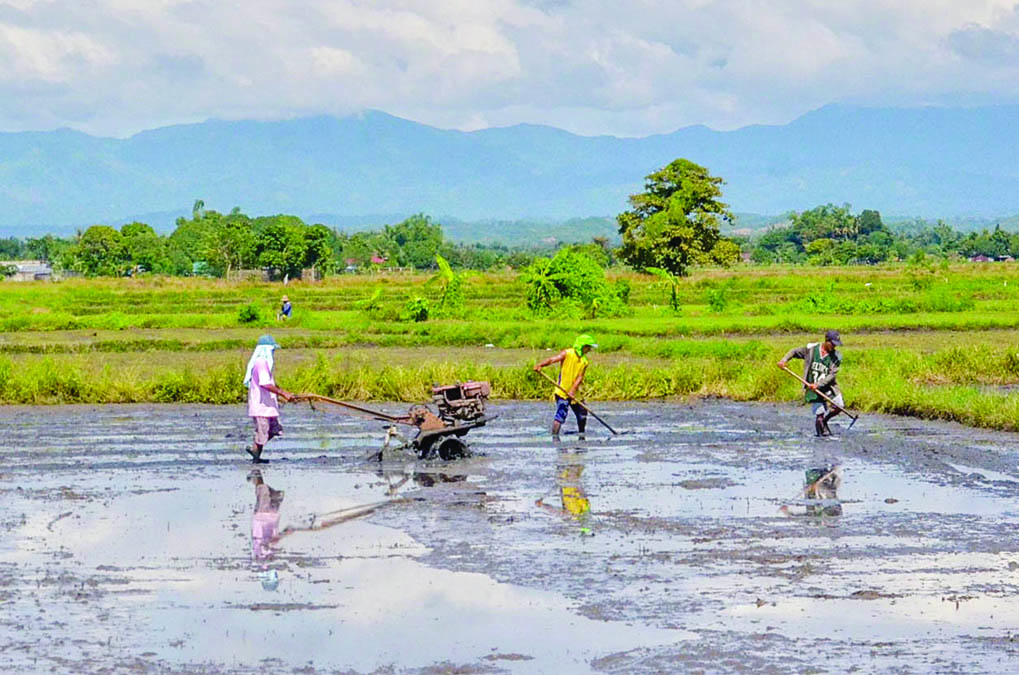
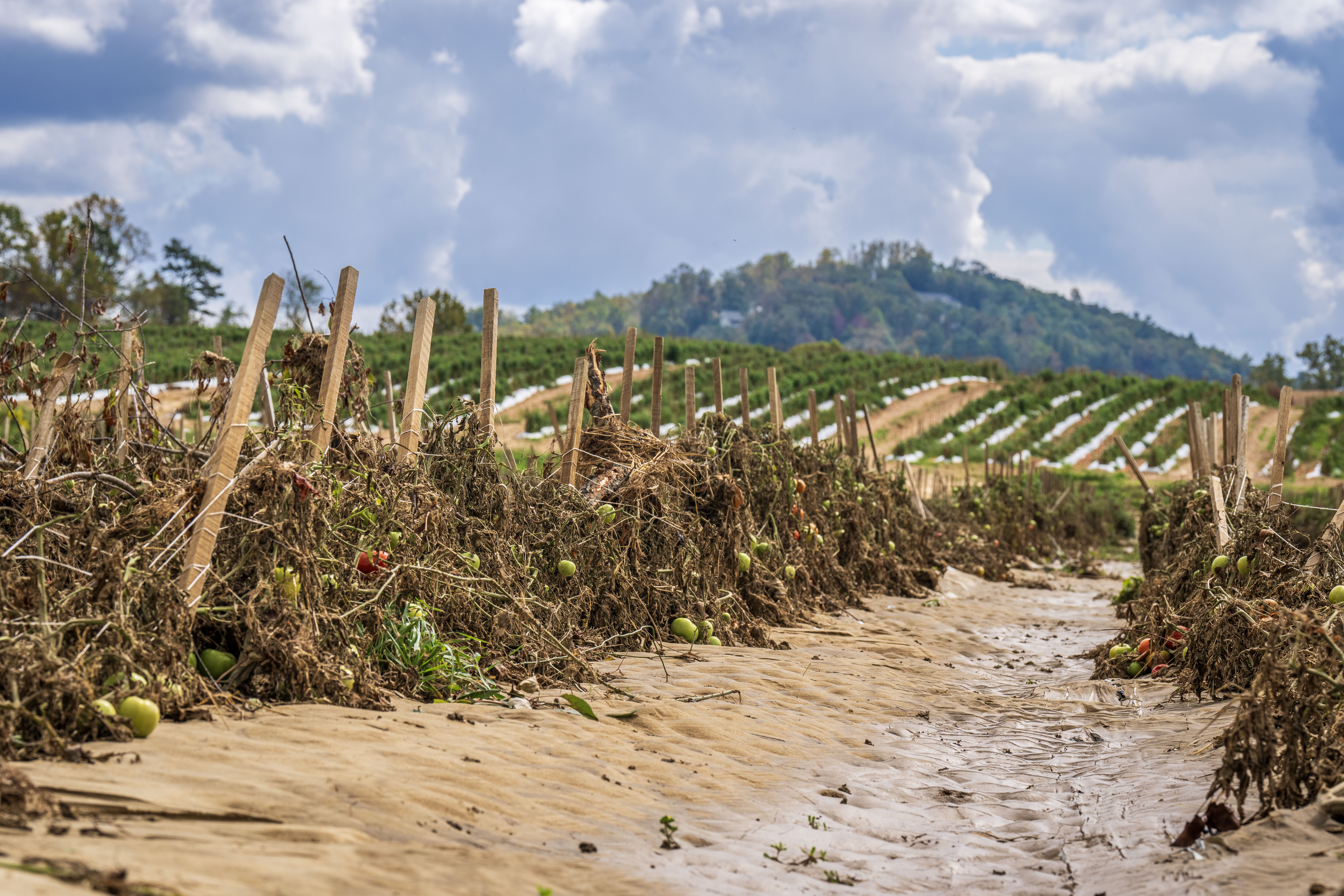
Much concern over the spread of wild pigs has focused on economic damage, which was recently estimated at about US$2.5 billion annually in the United States.
Wild pigs have a unique collection of traits that make them problematic to humans. When we told one private landowner about the results from our studies, he responded: “That makes sense. Pigs eat all the stuff the other wildlife do – they just eat it first, and then they go ahead and eat the wildlife, too. They pretty much eat anything with a calorie in it.”
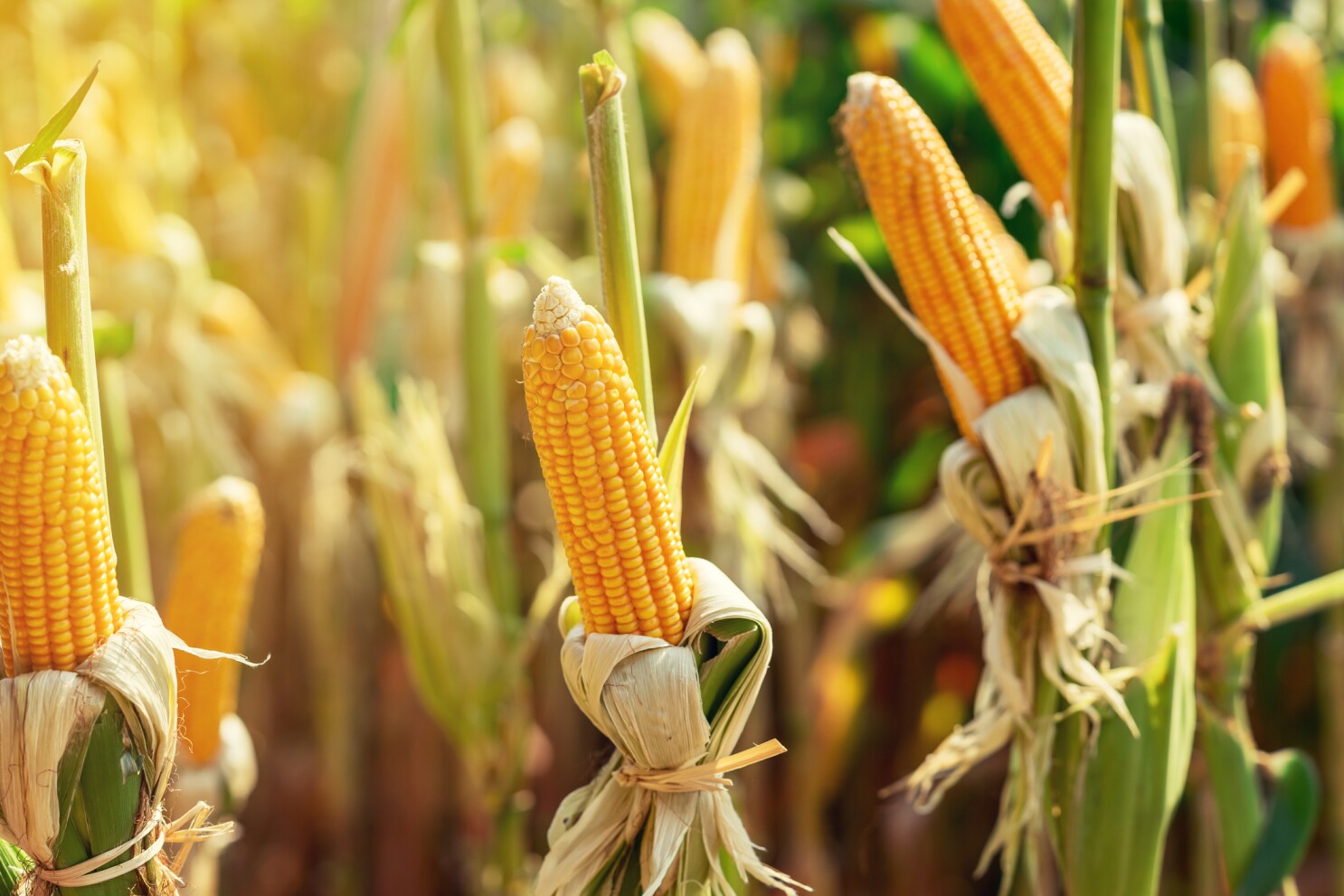
More scientifically, wild pigs are called extreme generalist foragers, which means they can survive on many different foods. A global review of their dietary habits found that plants represent 90% of their diet – primarily agricultural crops, plus the fruits, seeds, leaves, stems and roots of wild plants.
Wild pigs also eat most small animals, along with fungi and invertebrates such as insect larvae, clams and mussels, particularly in places where pigs are not native. For example, a 2019 study reported that wild pigs were digging up eggs laid by endangered loggerhead sea turtles on an island off the coast of South Carolina, reducing the turtles’ nesting success to zero in some years.
And these pigs do “just eat it first.” They compete for resources that other wildlife need, which can have negative effects on other species.
However, they likely do their most severe damage through predation. Wild pigs kill and eat rodents, deer, birds, snakes, frogs, lizards and salamanders. This probably best explains why colleagues and I found in one study that forest patches with wild pigs had 26% fewer mammal and bird species than similar forest patches without pigs.
This decrease in diversity was similar to that found with other invasive predators. And our findings are consistent with a global analysis showing that invasive mammalian predators that have no natural predators themselves – especially generalist foragers like wild pigs – cause by far the most extinctions.
Altering ecosystems
Many questions about wild pigs’ ecological impacts have yet to be answered. For example, they may harm other wild species indirectly, rather than eating them or depleting their food supply.
Our work shows that wild pigs can alter the behavior of common native wildlife species, such as raccoons, squirrels and deer. Using trail cameras, we found that when wild pigs were present, other animals altered their activity patterns in various ways to avoid them. Such shifts may have additional cascading effects on ecosystems, because they change how and when species interact in the food web.
Another major concern is wild pigs’ potential to spread disease. They carry numerous pathogens, including brucellosis and tuberculosis. However, little ecological research has been done on this issue, and scientists have not yet demonstrated that an increasing abundance of wild pigs reduces the abundance of native wildlife via disease transmission.
Interestingly, in their native range in Europe and Asia, pigs do not cause as much ecological damage. In fact, some studies indicate that they may modify habitat in important ways for species that have evolved with them, such as frogs and salamanders.
So far, however, there is virtually no scientific evidence that feral pigs provide any benefits in North America. One review of wild pig impacts discussed the potential for private landowners plagued with pigs to generate revenue from selling pig meat or opportunities to hunt them. And it’s possible that wild pigs could serve as an alternative food source for imperiled large predators, or that their wallowing and foraging behavior in some cases could mimic that of locally eradicated or extinct species.
But the scientific consensus today is that in North America, wild pigs are a growing threat to both ecosystems and the economy. It is unclear how invading super pigs would contribute to the overall threat, but bigger pigs likely cause more damage and are generally better predators and competitors.
While efforts to control wild pigs are well underway in the U.S., incursions by Canadian super pigs may complicate the job. Invasive super pigs make for catchy headlines, but their potential effects are no joke.
Source - https://theconversation.com