With seasons shifting and spring arriving, farmers in the Okanagan are holding their breath while they await the annual time of “bud break” — the emergence of buds on the vines.
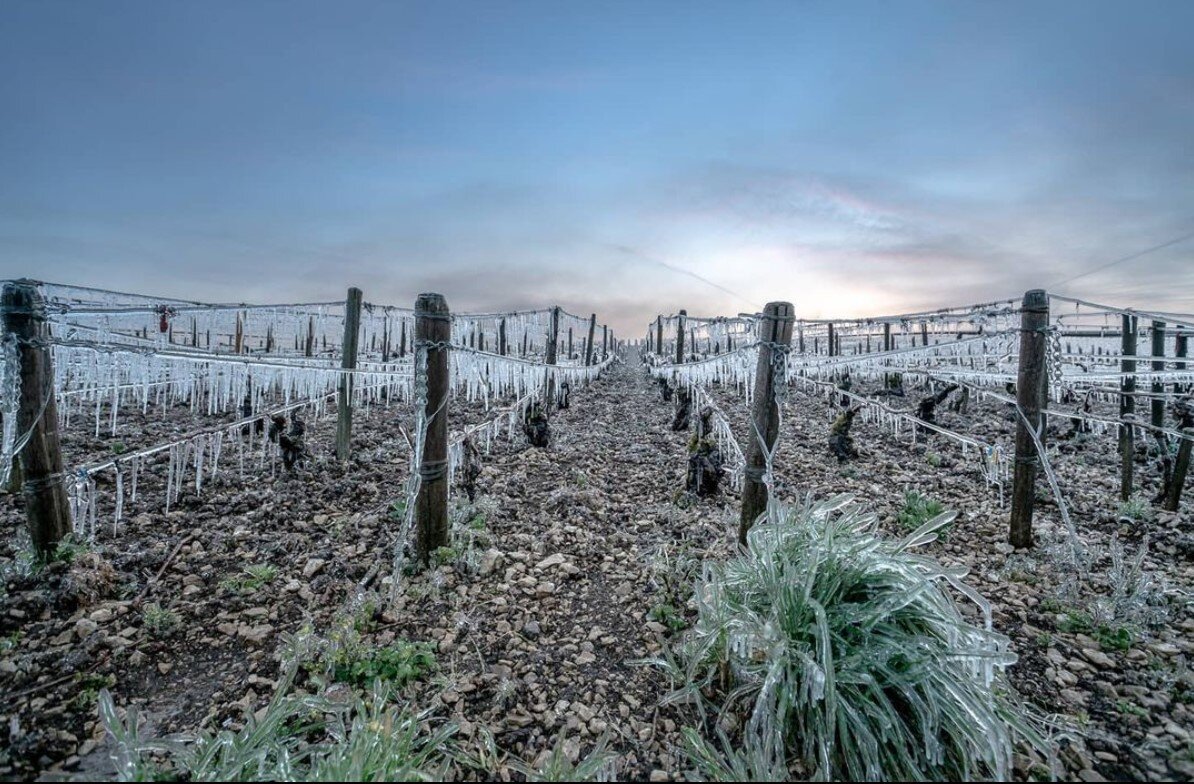
The valley’s wine industry especially awaits their fate, expecting little to no grapes in their vineyards after this winter's cold snap. The cold snap occurred in January across the valley, where temperatures reached below -20 C to -25 C for a prolonged period of time, which ultimately killed potentially-fruitful buds.
“There’s a lot of unrest in the industry right now,” says Ruth King, program manager of Sustainable Winegrowing BC. Many are wondering what the future will look like, especially those who rely on grape growing in the Okanagan.
The B.C. provincial government announced in March that they would put $70 million toward replanting orchards and vineyards. Even with these replanting funds, King explains the real challenge with replanting vines is the number of years it takes from replant, to wine production.
Although some may look to replant, “most producers will probably call this one a write-off and they’ll prune for structure and renewal,” King says, which means there will be no chance of a 2024 vintage in order to preserve vineyards for the long run, and avoid a total replant.
No expectation for a viable crop
This preservation method is exactly what Ben Bryant and Katie Truscott, owners of 1 Mill Road Winery, are doing. With no expectation for a viable crop from their Naramata Bench vineyards this year, the couple made the choice to prune with “vine regeneration” in mind in order to give the vines the best shot at recovery for a fruitful 2025 vintage.
In the meantime, without a physical tasting room, 1 Mill Road will be focusing on what they can do to engage in their community this season, with local pop-ups, and attending various events promoting their current vintage wines.
While expanding hospitality ventures and pruning for preservation may be the answer for some small businesses in the short term, others are wondering what long term solutions there are for the Okanagan.
The adaptation to these climatic changes is where the learning can happen for our growing industry, says Donna Senese, associate professor of geography at UBC Okanagan. “Can we actually adapt in such a way that the industry has a huge benefit...and ends up in a better place after this black swan disaster?”
Senese seems to think there’s hope, and would like to see more “developing relationships between people in the industry and the university” so that there is passing of information and collaborative brainstorming on various sustainable approaches for the future.
This kind of collaborative effort and supportive learning process is echoed by King, who also says the industry has a lot of learning to do. “We have more pressure than ever to look at our numbers and our data... and really take a good look at what we’re doing and do some smart business and be more sustainable in all of our practices.”
King believes that these major challenges also present an opportunity to “relaunch the brand of BC wine”. King says collaborative initiatives, such as Sustainable Winegrowing BC, can help industry members push past these hard times. “We really need to get together and make sure we all survive this so that we can all thrive in the future”.
Okanagan's Got It
The industry may not have all of the answers for the future, but the need for collaboration and regional support is the one thing that is certain. This season, members in the industry are urging people to visit while they still have past vintages up for grabs. The “Okanagan's Got It” challenge has surfaced on social media after Elephant Island Winery, JoieFarm Winery, and Deep Roots Winery collaborated to encourage neighbouring wineries to show their fans that there’s still plenty of wine in the Okanagan Valley.
The three wineries posted a reel to Instagram mid-March with the joint caption: “We know the Okanagan wine industry has been in the news lately. Much of the conversation has focused on farming challenges. Despite these challenges, we want fans to know there are still many beautiful wines and amazing experiences waiting for them in wine country. We’re tapping winery and hospitality friends and neighbours to show us what you have. ‘We've got what you need, come visit us!’ #okanagansgotit."
The challenge continues to grow, with many wineries in the valley taking part.
Miranda Halladay, proprietor of Elephant Island Winery, says the idea for the challenge first started when the cold snap created the perception that there wasn’t going to be any wine in the Okanagan this season.
“We wanted to reassure people and invite them to come and visit us, and provide a counterpoint to some of the stories of the farming challenges.” Halladay says “the response has been overwhelming” and “it’s also created a sense of appreciation and pride of what our neighbours and fellow producers are offering.”
Halladay is “hoping this can be translated to visiting traffic” as tasting rooms start to open for the season.
So, for those of us looking to visit our favourite wineries this season, rest assured, the Okanagan’s still got it.
Source - https://www.castanet.net