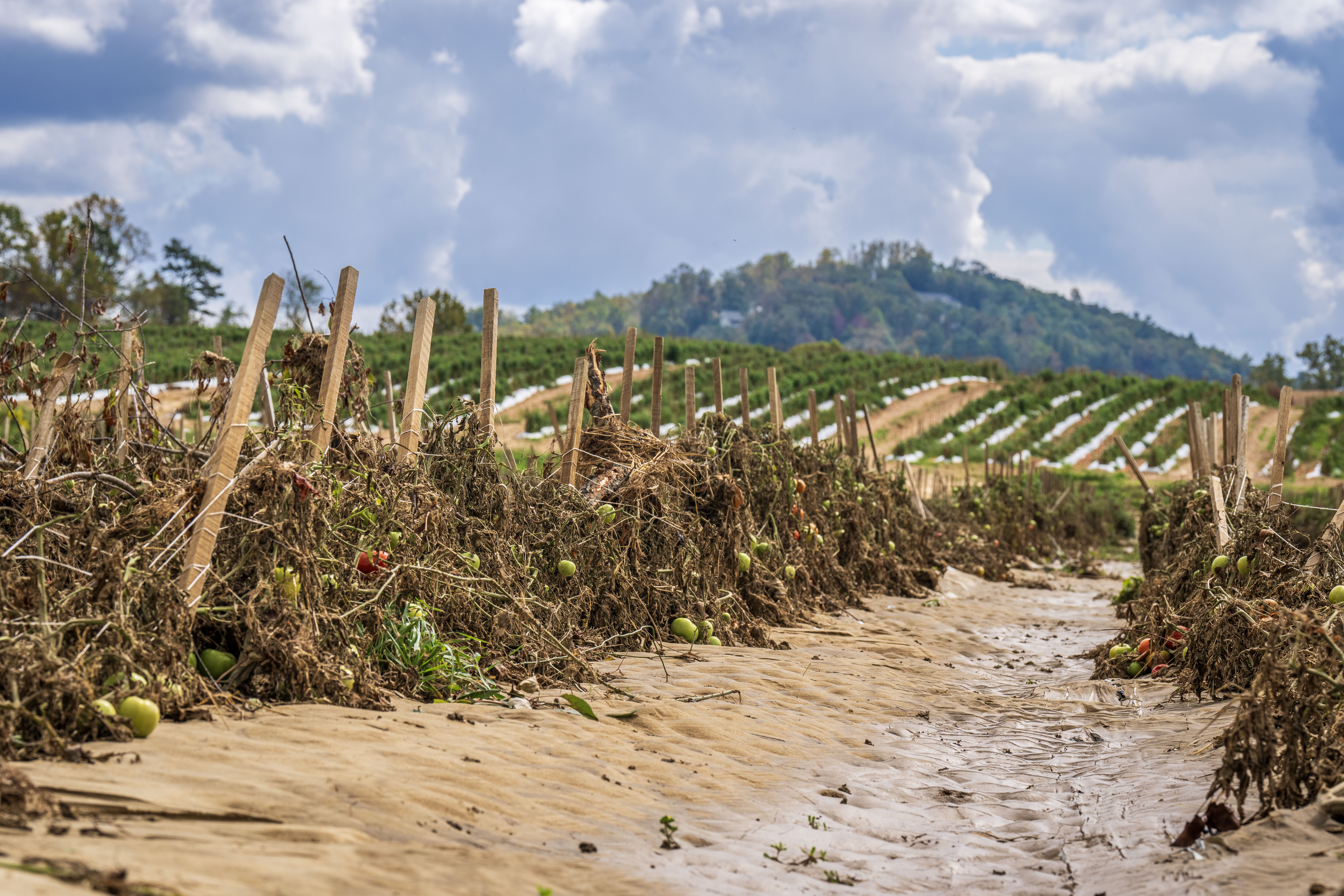
Anticipation is that EU production will be similar in size to last year or a bit smaller as a summary issued by FreshPlaza on the 15th Eurocastanea, the European Chestnut Congress, held in Spain in September outlines. While Spain, Portugal and Greece were hit with wildfires this summer with prevailing hot summer weather and heavy spring rains providing further climate-change related challenges for this year’s chestnut crop across Europe, the picture is more diversified in Italy. In the northern parts of the country the fruits had a good chance to ripen, despite being confronted with heavy rain at the end of August. In Central Italy, favourable weather and climate conditions may lift production to the highest in three years. Yet, expectation is that production will decline in southern Italy as long summer droughts were witnessed here.
As Marco Bellone, provincial Vice President of the Italian Confederation of Farmers (CIA-Agricoltori Italiani) in Cuneo, Piedmont, North Italy explains the quantity has doubled on last year, but prices have slumped by half. Prices are low because the chestnuts tend to be small in size this year. Much depends on the variety cultivated and the weather conditions. While volumes help to mitigate the drop in prices for Euro-Japanese chestnuts, rain is an issue for Sativas, which require a lot of pruning to achieve big sizes, which are more profitable. Final assessments will only be available at the end of the harvest season.
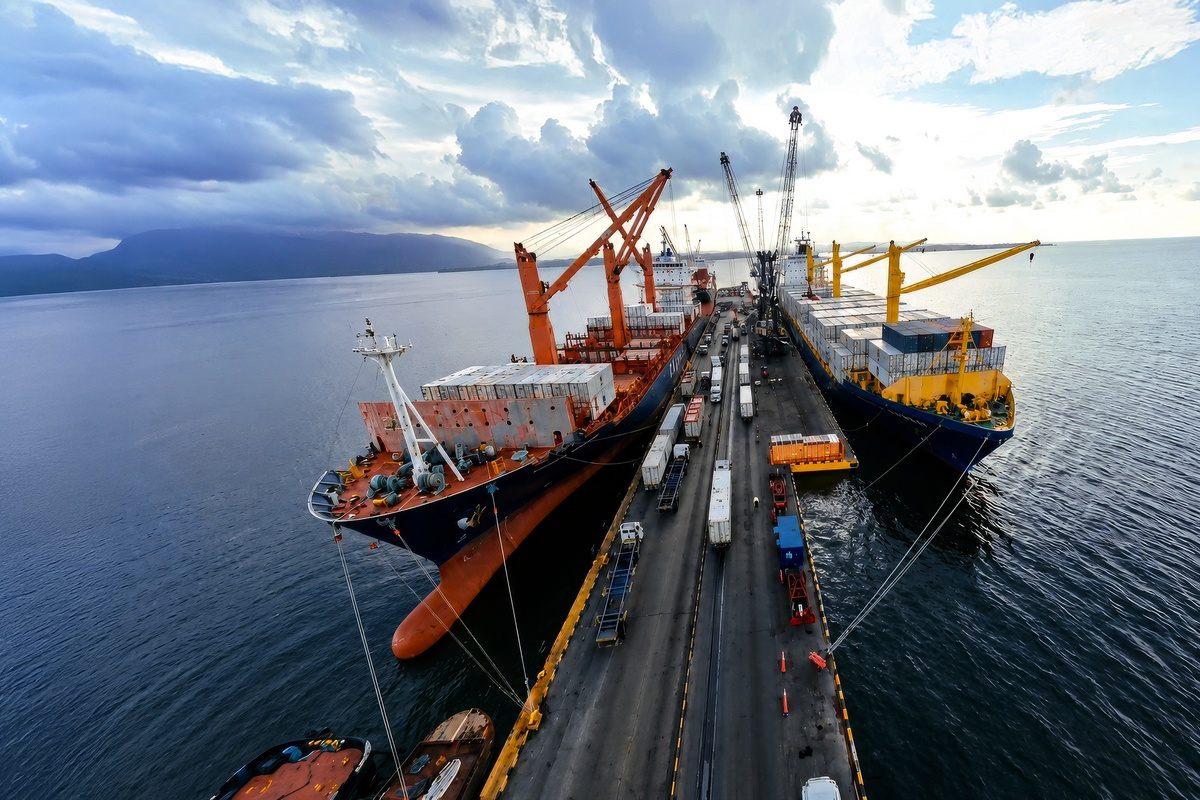
The EU exports more chestnuts than it imports in terms of volume. Yet, in terms of value the opposite is the case. While exports stood at 8,574 mt worth EUR 44 million (USD 52 million) in the calendar year of 2024, which is up on the 7,684 mt worth EUR 41 million (USD 48 million) exported in 2023, imports reached a much higher volume of 12,467 mt but a lower value of EUR 29 million (USD 34 million) in 2024 according to official customs statistics. This is down on the 12,467 mt worth EUR 39 million (USD 46 million) imported in 2023. Chile, China and Turkey are the main suppliers for the EU. Starting in the last week of September exports have a relative tight window of three months when the volumes shipped exceed triple digits and the value generated exceeds EUR 1 million (USD 1.2 million). Italy accounted for 77% of the EU’s total export value and for 68% of the EU’s total export volume in 2024.
Last year, Italy’s chestnut exports reached a record EUR 34 million (USD 40 million), which is nominally up on the EUR 33 million (USD 39 million) generated in 2023. In terms of volume, exports, however, only reached the second highest figure on record of 5,810 mt. This falls short of the record 6,140 mt shipped in 2023. Switzerland accounted for 51% of Italy’s total export value in 2024. The country also spent 7% more on chestnuts from Italy than in 2023. Shipments to the USA also rose by 12% in value, whereas a dip can be observed in the export value to Canada. At 817 mt this year’s exports also range 36% lower than the 1,272 mt shipped between 1 January and 21 September 2024.
Source - Mundus Agri