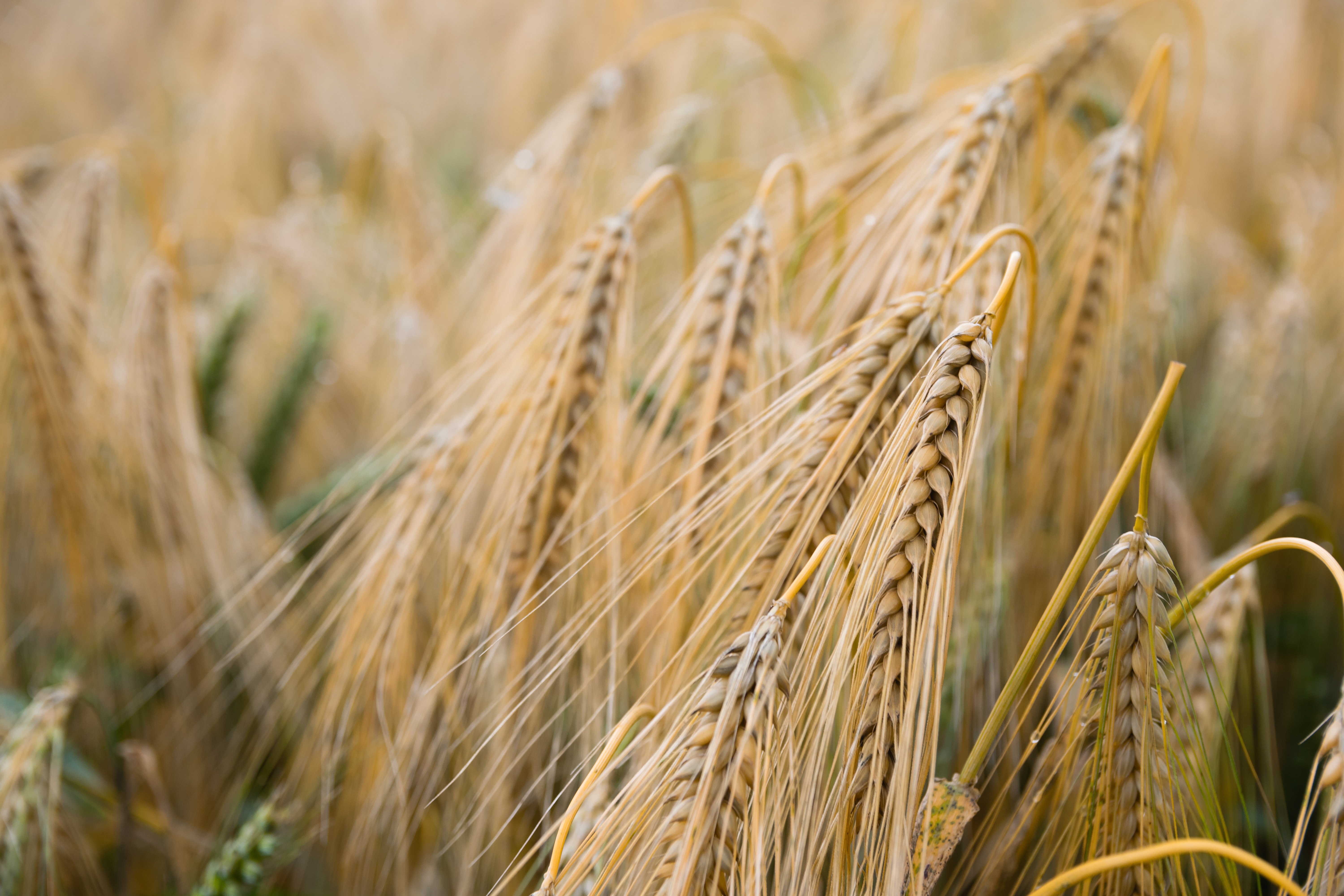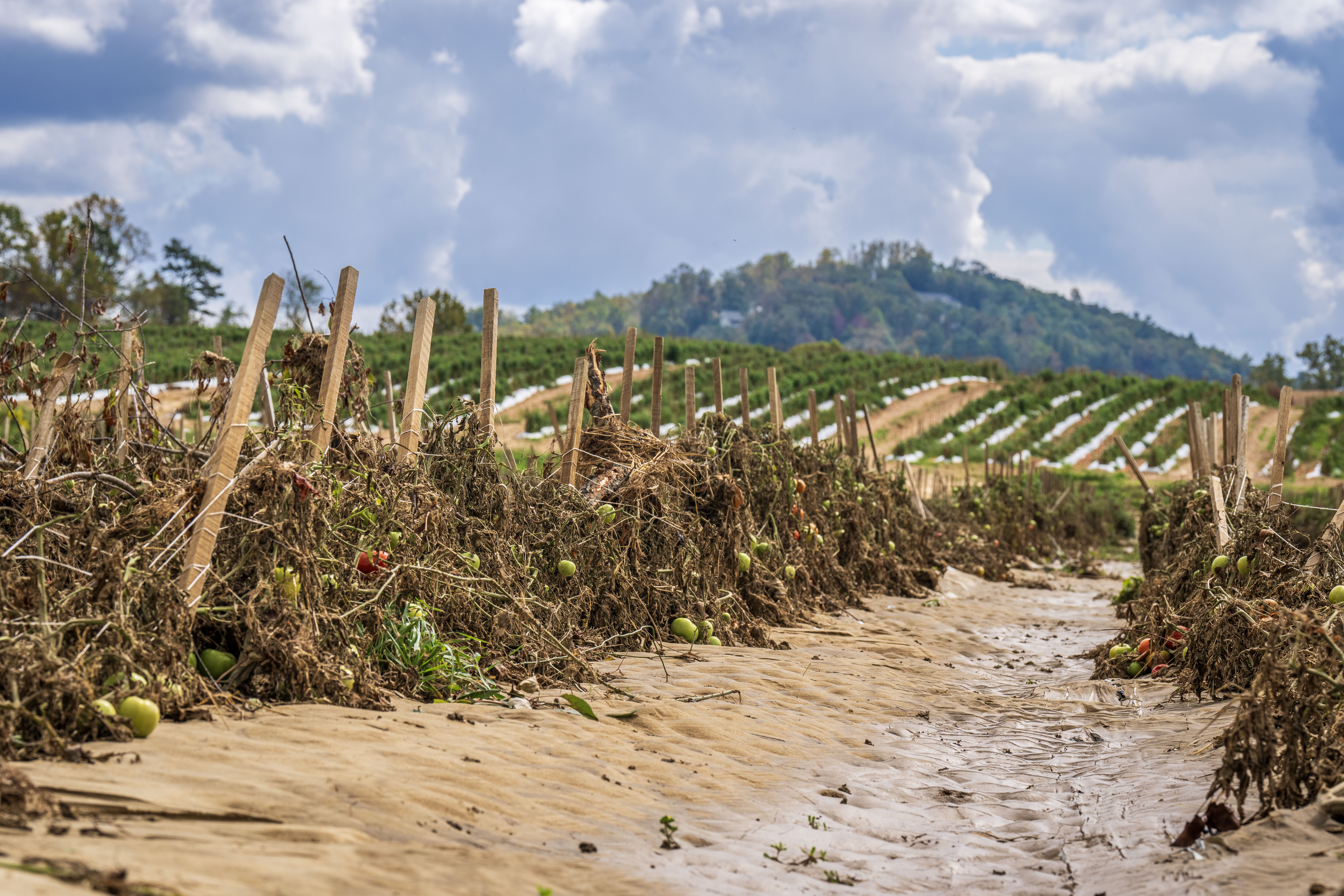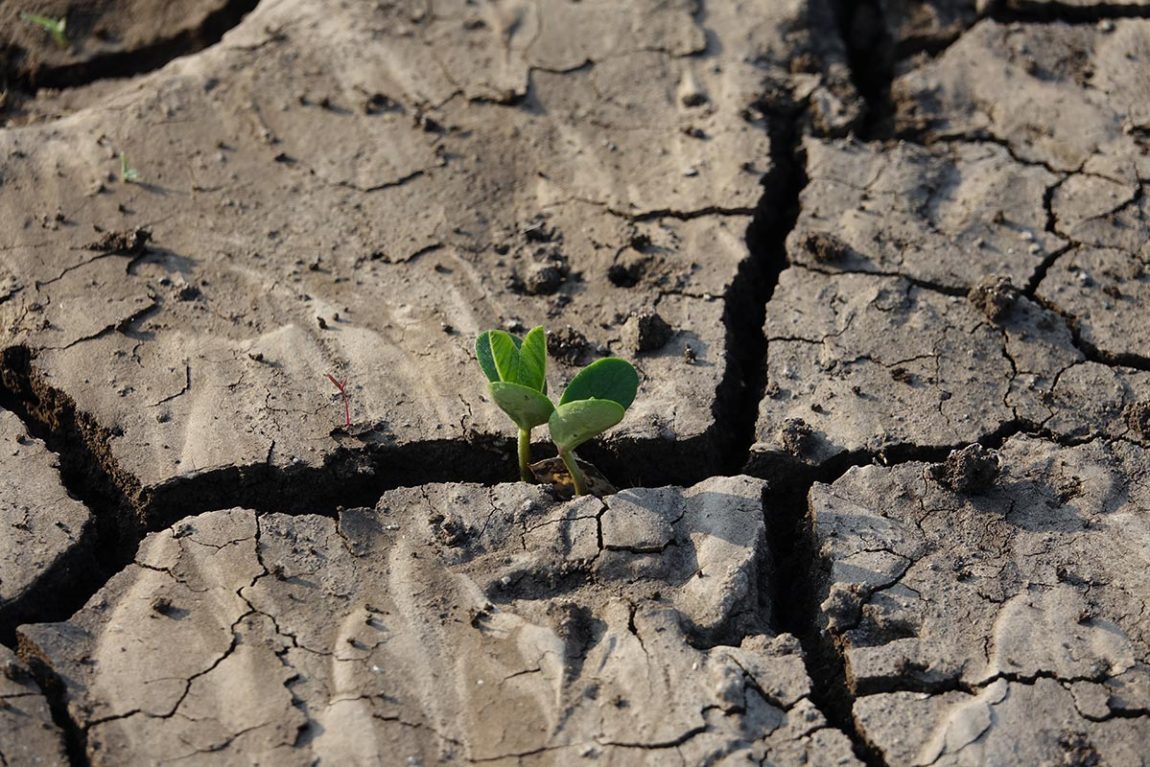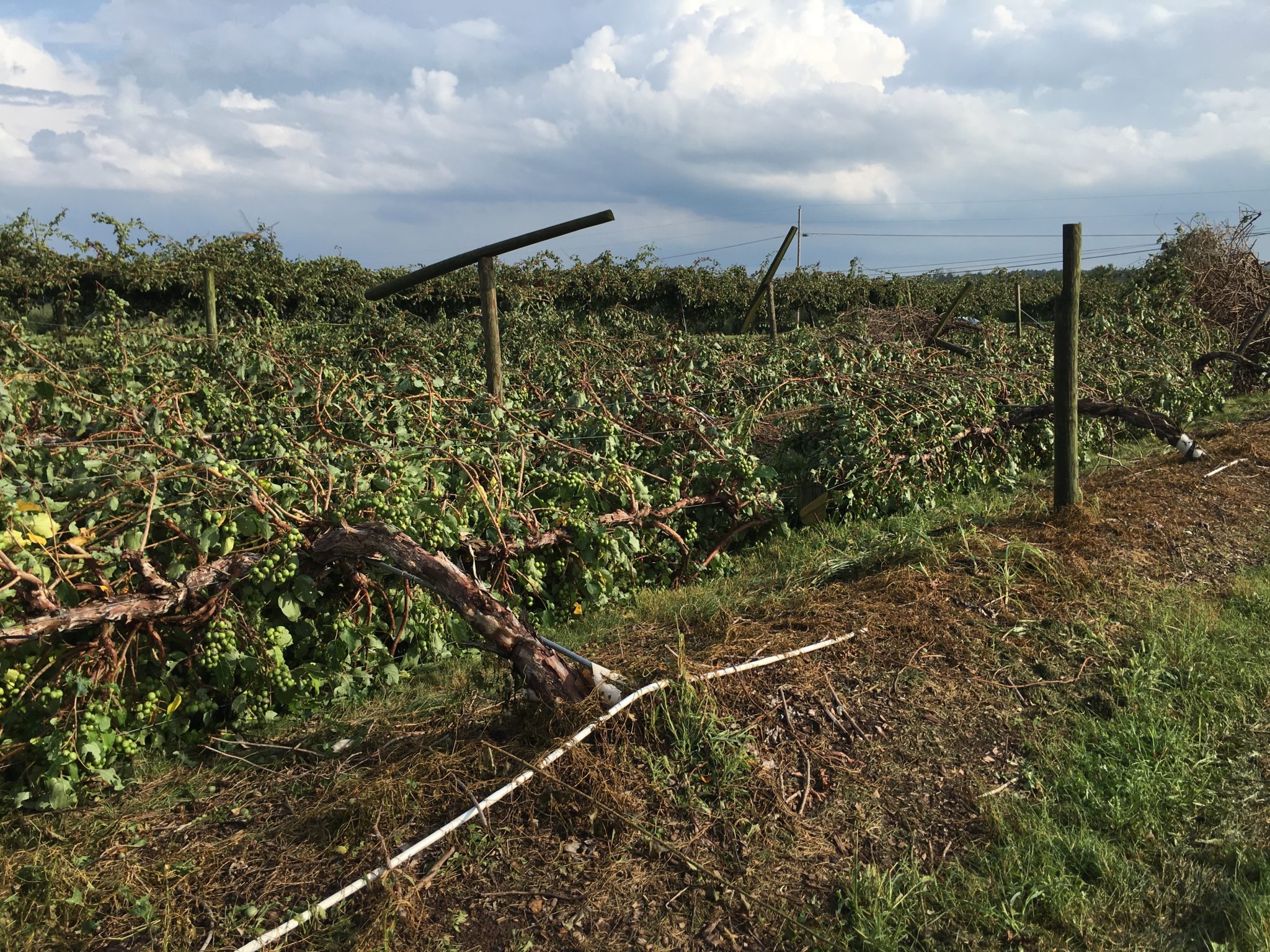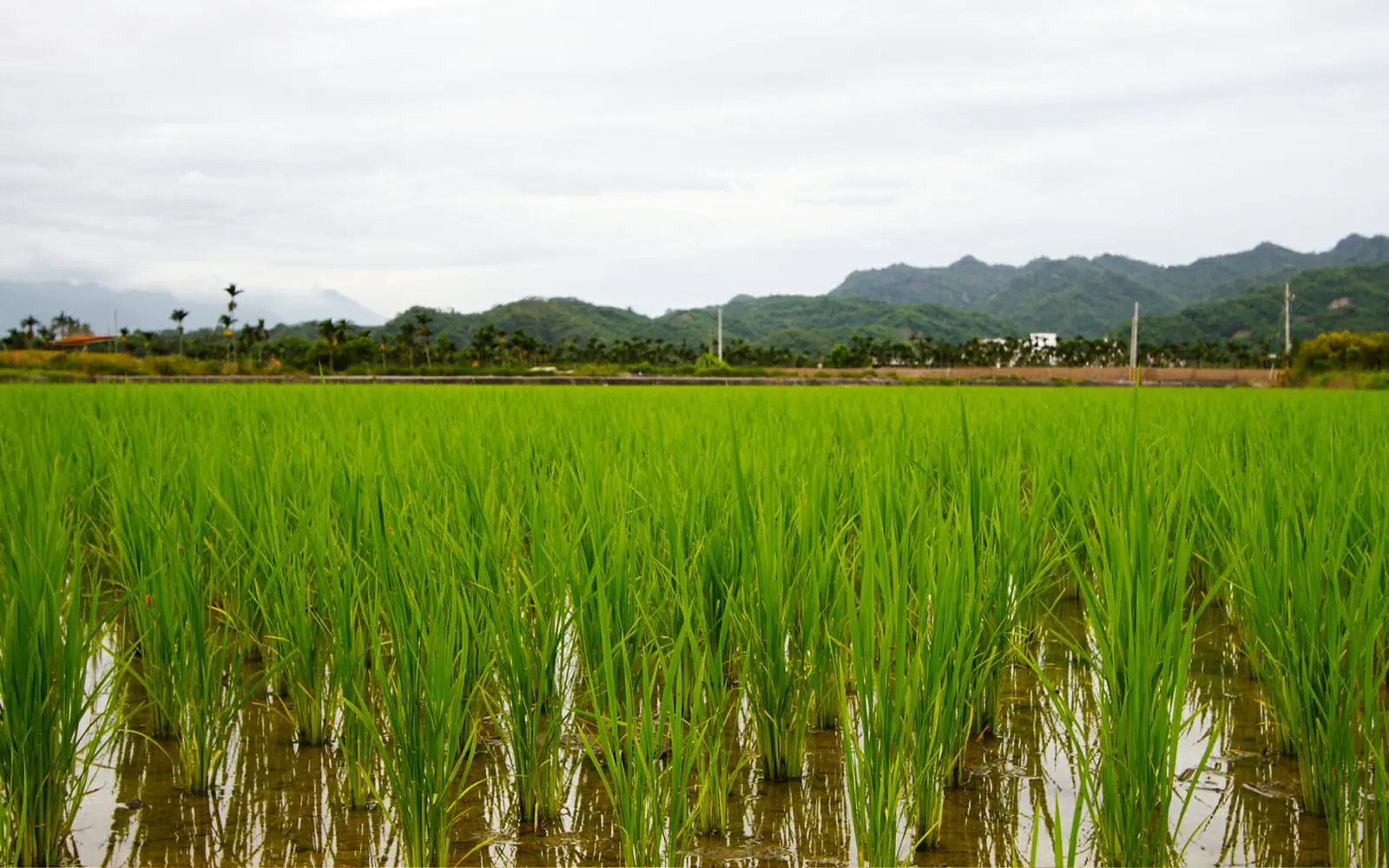
About 20 paddy farmers from the Chinese community in Kampung Dulang Tengah here have claimed to have suffered losses of nearly RM200,000, after their crops were attacked by a mysterious disease.
The prospect of preparing for the upcoming Chinese New Year (CNY) festival, which typically involves joyful gatherings and shared prosperity, now becomes a daunting task for these farmers, who are burdened by the unexpected challenges posed by the disease affecting their crops.
Har Khai Hong, 60, claims that the issue involves around 30 hectares of paddy fields. He said the cause of the disease affecting their crops, making them unproductive, remains unidentified until now, despite monitoring by the Muda Agricultural Development Authority (Mada) for the past month.
“I don't know what disease this is which has affected my crops, covering 1.2 hectares. The same thing is happening at my 18-hectare site near Semeling, Merbok,” he said as he complained about the lack of stalks and flowers, and the presence of black grains with empty kernels.
“I didn't change the seeds or used a different type of pesticide or fertiliser but the crops are not growing, so it is going to be difficult for us this Chinese New Year,” he said when met here on Wednesday.
Peng Poh Keat, 50, who has been cultivating paddy for over 30 years, said the disease was detected a month ago, when most of the crops over his six-hectare field showed limited stalks.
“It's disheartening, especially with the Chinese New Year approaching. Normally, we depend on the income from our rice harvest for the festive season, but given the current situation, our celebration will have to be more modest, as we need to think about the expenses for land rent and the costs associated with replanting in April,” said Peng.
Chai Ah Sim, 81, who usually harvests approximately 50 tonnes from his seven-hectare field, is now facing a significant setback. Due to the disease affecting his crops, he anticipates a drastic reduction in his yield, expecting to obtain less than 10 tonnes this time.
He noted that despite fulfilling all necessary requirements for the crop, more than 60% of his rice plants have been adversely affected
“I believe the weather could be a contributing factor, especially with the current intense heat. I hope the relevant authorities can investigate and identify this disease, while working toward a solution,” he said, while hoping for assistance or incentives from the authorities to ease the burden on farmers.
Meanwhile, Malaysian Padi Farmers Brotherhood Organisation committee member Rosdi Yahaya said the problem of the disease in the area has been referred to Mada for further action.
“The disease was identified a month ago, manifesting in rice plants that grow without producing any grains, leading to empty rice husks.
“I strongly recommend that this issue be brought to the attention of [the] Malaysian Agricultural Research and Development Institute (Mardi) for thorough research, to ascertain the cause of this disease,” he said, adding that if left unaddressed, there is concern that the issue could escalate, posing a threat to food security in Malaysia.
Source - https://theedgemalaysia.com