The 2023 global mean temperature reached 1.48°C above pre-industrial levels, and this “strongly increased the intensity of heatwaves, droughts and extreme rainfall associated with storms like Otis and Daniel,” according to a statement today by the XAIDA scientific partnership that includes the Climate Centre.
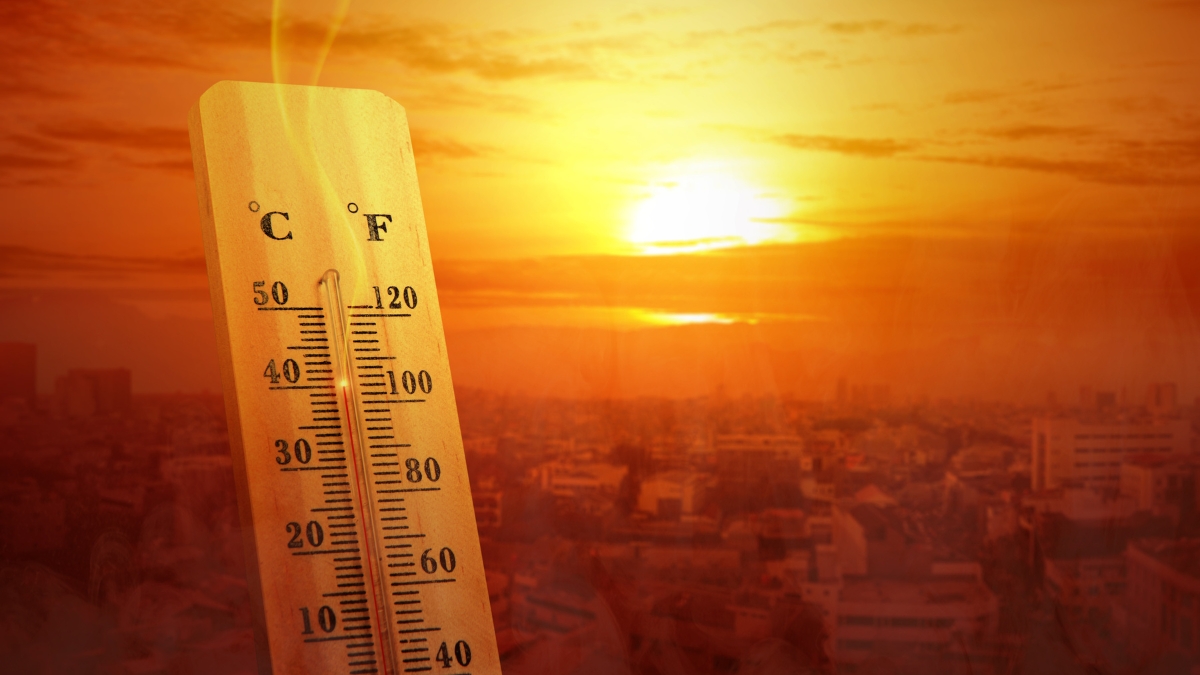
Describing 2023 as “an extraordinary year for climate” and citing the EU Copernicus Climate Change Service, the group say that from June onwards each month was warmer than the corresponding month in any previous year.
In the second half of 2023, the global temperature exceeded the key Paris threshold of 1.5°C; some days even topping 2.0°C. El Niño was a factor, the researchers say, but the main driver was the burning of fossil fuels.
XAIDA – which stands for eXtreme events: Artificial Intelligence for Detection and Attribution – groups 16 leading institutes in Europe working on climate extremes.
Programme Coordinator Dim Coumou said AI and “massive climate datasets” are now enabling scientists to study the relationship between climate change and extreme weather in new ways, along with the impacts on society.
‘Worst-case heatwaves’
“Throughout 2023, extreme weather events demonstrated how poorly prepared the world is for the growing risks of climate change,” said Friederike Otto, joint founder of the World Weather Attribution group, of which the Climate Centre is also a partner, and Senior Lecturer in Climate Science at Imperial College London.
XAIDA Vice-Coordinator Pascal Yiou, a senior researcher at the French National Centre for Scientific Research, added that “worst-case heatwaves present risks for large public events in cities, like the upcoming 2024 Olympic Games in Paris, which are organized at the height of the summer season”.
XAIDA studies have shown that heatwaves over Europe are increasing faster than elsewhere due to dynamic changes in the jet stream, but the group’s release adds that it is not clear why state-of-the-art climate models fail to accurately capture this trend, leading to concerns that projected heatwaves Europe might be underestimated.
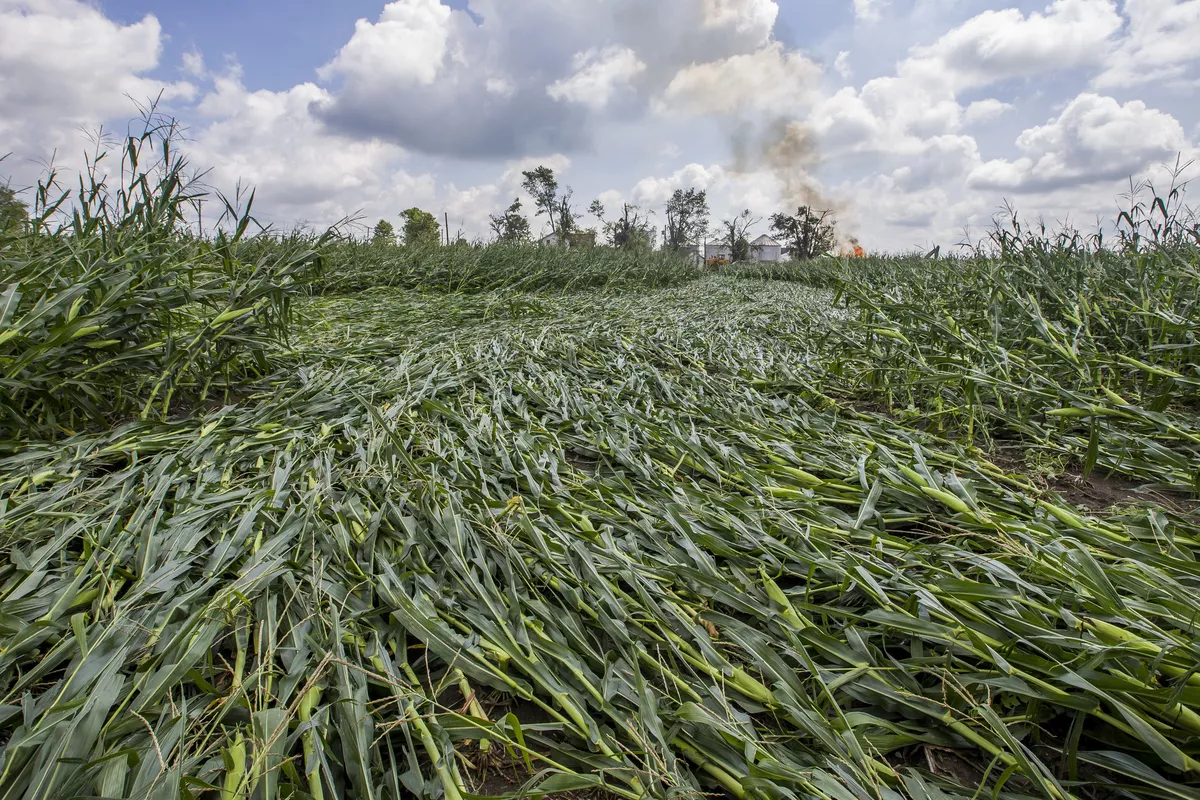
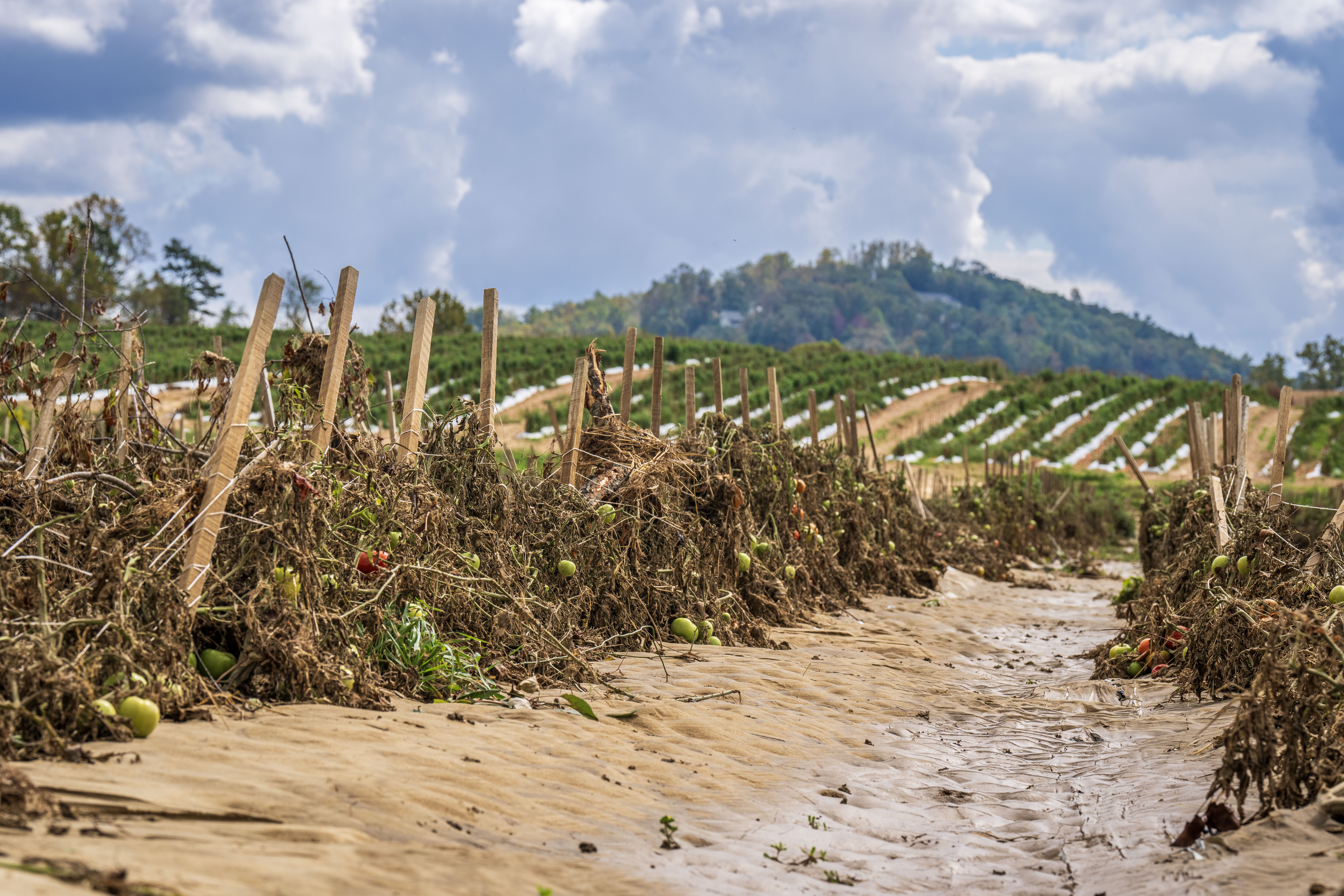
XAIDA studies also show that crop losses due to heatwaves and droughts have been increasing since 1982, while warming has also increased the risk of the hot and dry conditions that fuel wildfires.
Source - https://www.climatecentre.org