A portion of smashed avocado on toast washed down with a flat white is a popular breakfast option in some parts of the world, a predictable fixture of a thriving brunch culture.
But for the small-scale producers of Colombia’s farming communities, the success of avocado and coffee crops often rests on weather systems made increasingly unpredictable by climate change.
While a hungry market clamors for their prized arabica coffee beans and Hass avocados, Colombia’s farmers have in recent months had to contend with record heat linked to the El Niño weather phenomenon and wildfires the government declared a disaster – in a country with one of the highest annual levels of rainfall in the world.
Coffee and, in particular, avocados are thirsty crops, and a significant drop in rainfall can have far-reaching impacts, including decreased agricultural yields, reduced income for farming families, increased costs for producers and consumers, and ultimately food insecurity for low-income households.
Increased rainfall, meanwhile, brings its own set of risks to Colombian crops and farmers, including flooding, landslides, and soil erosion.
“With almost a quarter of the Colombian population living in rural areas and making a living from cultivating the land, these perils are serious concerns,” says Esteban Delgado, Managing Director, Allianz Commercial, Colombia. “What is particularly worrying is the fact that less than 3% of the more than seven million arable hectares (over 17 million acres) in the country are insured against climatic eventualities. Farmers often have low incomes, and many farms are run by women – mothers who are heads of households that rely on their income. Crop failure can spell financial disaster for these families.”
Many farms are run by women – mothers who are heads of households that rely on their income. Crop failure can spell financial disaster for these families
A flexible solution
Now an innovative new product has been developed that offers farmers insurance to protect their livelihood, as well as access to credit to strengthen their financial resilience.
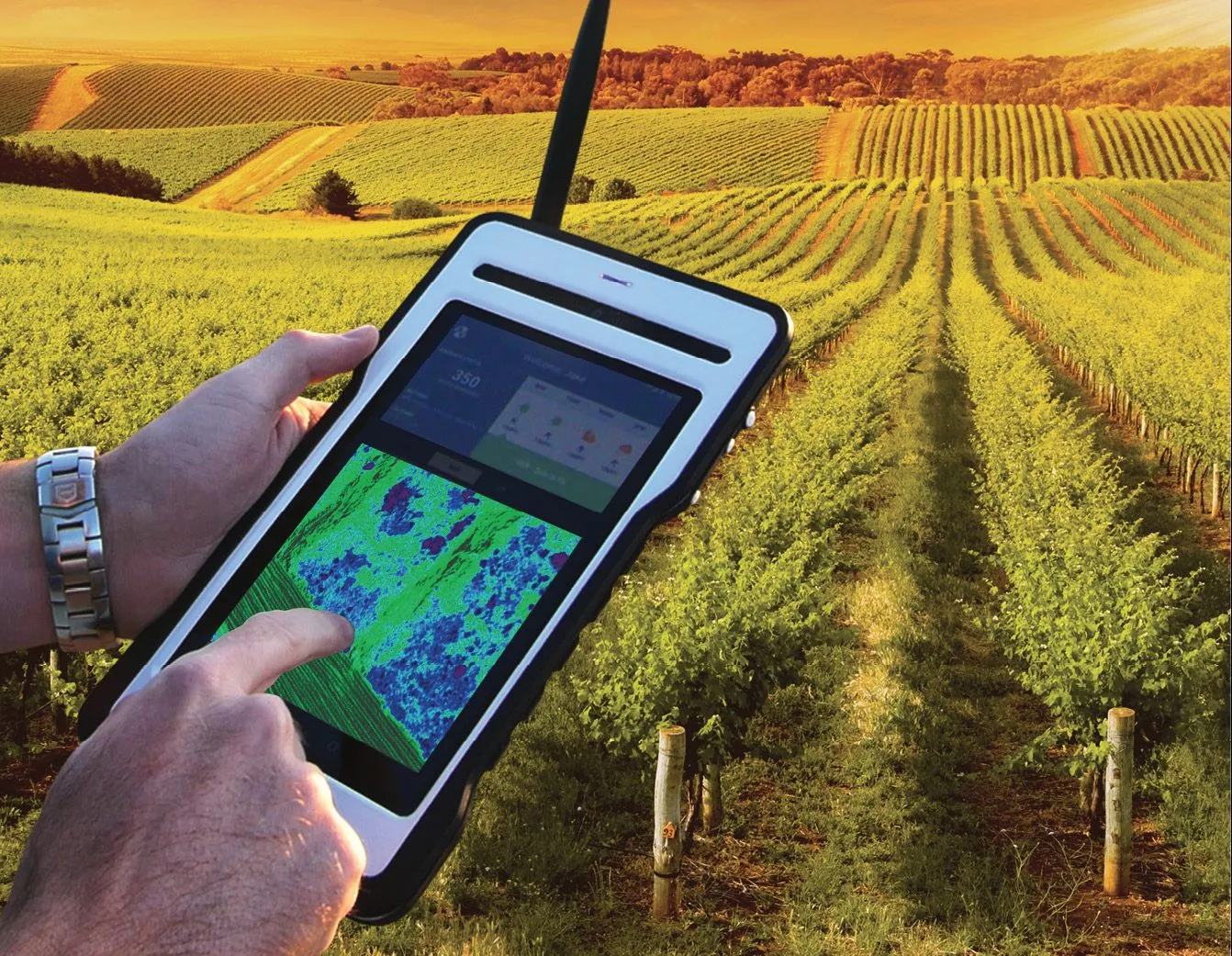
The solution is based around a ‘parametric’ insurance policy – one that is triggered by predetermined parameters, in this case rainfall levels that endanger crops (see panel). The policy can be triggered by either too much or too little rain, with the thresholds determined according to the crop and its location. Weather information related to the policy is obtained in real time via satellite technology.
To bring the product to market, Allianz Colombia worked in close collaboration with Bancolombia and SFA Cebar, a local company specializing in solutions for Colombian agricultural businesses.
“The product was the first parametric solution of its kind for Allianz in Latin America and was in development for 12 months,” says Tatiana Gaona, VP, Legal, Compliance and ESG, at Allianz Colombia. “Internally, we collaborated with our underwriting, operations, and claims teams to define the processes, coverage details, and tools necessary to turn the idea into a viable product. Our ESG [environmental, social, and governance] experts, as well as legal and compliance colleagues, lent invaluable expertise in crafting wording solutions for the policies, as well as sharing their knowledge of the market and experience of social initiatives for women in agriculture, which we support through the Allianz Foundation.”
The insurance product is a tied loan, which farmers can access via an app or in person through local co-operatives. This ensures no one is excluded for lack of a digital connection. The co-ops also provide a supportive social context in their dual role as community hubs. The relevant information for the product is provided remotely, so there is no need for insurers to make verification field visits, which saves time and costs. In the case of a loss event, the product gives insured farmers in remote locations quicker access to capital because there is no need for a loss adjuster to visit in person.
“To date, over a thousand families have accessed the solution, and we see the potential to expand it further, covering other crops such as beans, and widening it out to more countries in Latin America where vulnerable agricultural communities face climate risks, including in Brazil and Argentina,” says Delgado.
So far, more than $1.5mn of farmers’ investments have been protected, covering over 390 hectares (964 acres) of land across 45 municipalities in Colombia. Over 30 are in the department of Huila, an area the size of Slovenia and home to more than 84,000 families engaged in coffee cultivation, with the remaining 14 in the department of Tolima, which is comparable in size to Albania and home to nearly 62,000 coffee farming families.
Yovani Rodriguez, a local farmer, says: “Our own capital and sometimes credit is invested in our farms. By having this insurance in place, we know that when we are hit by damaging weather, our investments can be protected, if not 100%, then certainly in large part.”
And it is not only the agricultural business owners who benefit, adds Francisco Reina Velasquez, a farmer from the Meta region, who helps other farmers access this product. “What I really like about this policy is that, when the business is not doing well, I can still guarantee the payment of salaries and the payroll of those employees who have been out with me working the land.”
Think global, act local
The grassroots nature of the product reflects the sustainability strategy of the Allianz Group. “Our watchword is, ‘We secure your future,’” says Lena Fuldauer, Global Sustainability and Resilience Lead at Allianz Commercial.
“We protect people, assets, and businesses against risk. Parametric solutions offer great potential to address the ‘protection gap’ – the disparity between economic losses and insured losses – particularly in those countries with lower resilience to natural catastrophes, where the humanitarian impacts of such events can be devastating. In many regions of the world, climate change increases the severity and/or the frequency of certain extreme weather events, and parametric insurance can be a useful tool to boost these countries’ climate and financial resilience going forward.”
The new product also illustrates a flexible approach that leverages technology to digitally transform agriculture and build resilience in remote ommunities while enabling distribution networks if the relevant technology is not yet in place. “We are keen to explore how digital solutions will develop as tools to mitigate farming risks and tackle the consequences of climate change in the future, but we know there are challenges with connectivity,” says Gabrielle Durisch, Global Head of Sustainability Solutions, Allianz Commercial. “That’s why it was so important to ensure this product could be accessed through local channels.
“The farmers we are supporting are upholding a proud tradition that goes back to the 18th century. The Coffee Cultural Landscape of Colombia is on the UNESCO World Heritage List and the European Commission recognizes Café de Colombia as a Protected Geographical Indication, which acknowledges the important links between products and their origins,” says Durisch. “The development of this parametric product is a real milestone in our commitment to sustainability initiatives.”
Source - https://commercial.allianz.com