Crop losses by rodents each year could feed 200m people

21.08.2023 632 views

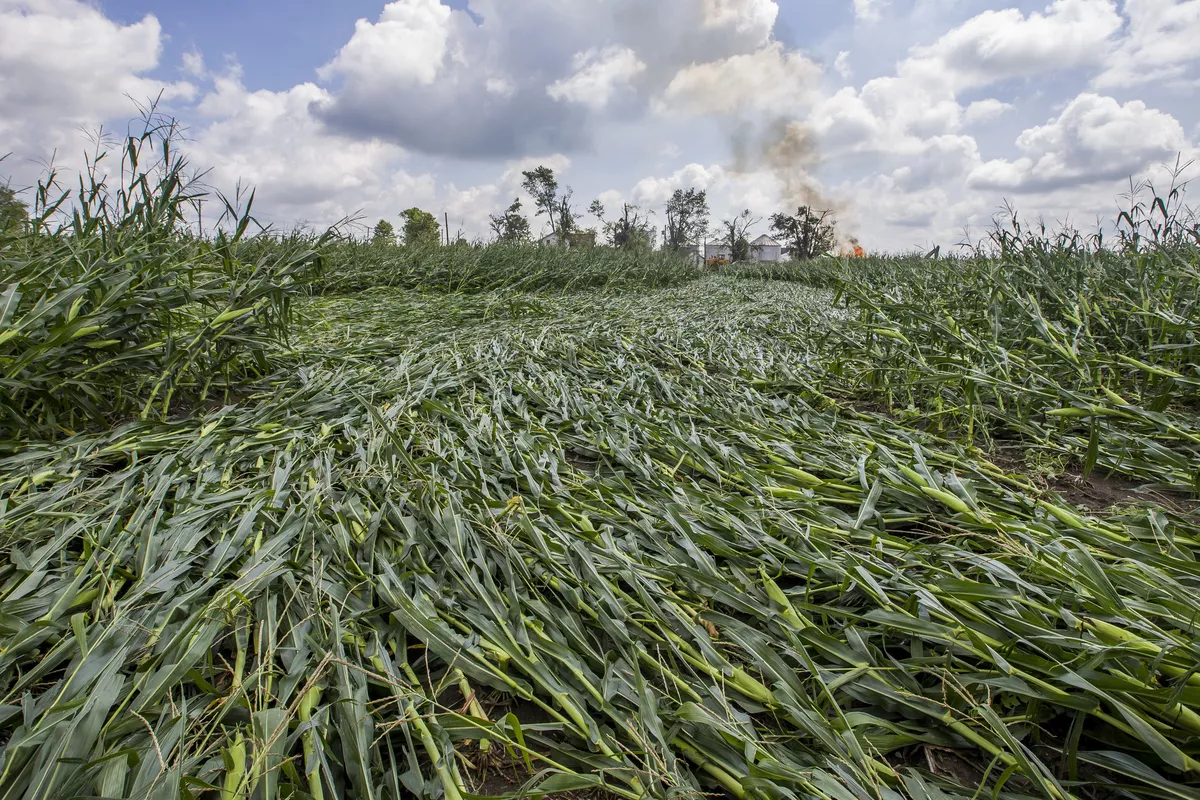
It has been estimated that total crop losses caused by rodents each year could feed 200m people.

However, it is important that all wildlife is protected while controlling rodents, Éanna Ní Lamhna told a Teagasc Signpost webinar on Friday 18 August.

Ní Lamhna is communications officer with the Campaign for the Responsible Rodenticide Use (CRUU), which supports best practice and responsible rodent control in order to protect wildlife from rodenticide (rat bait) exposure.

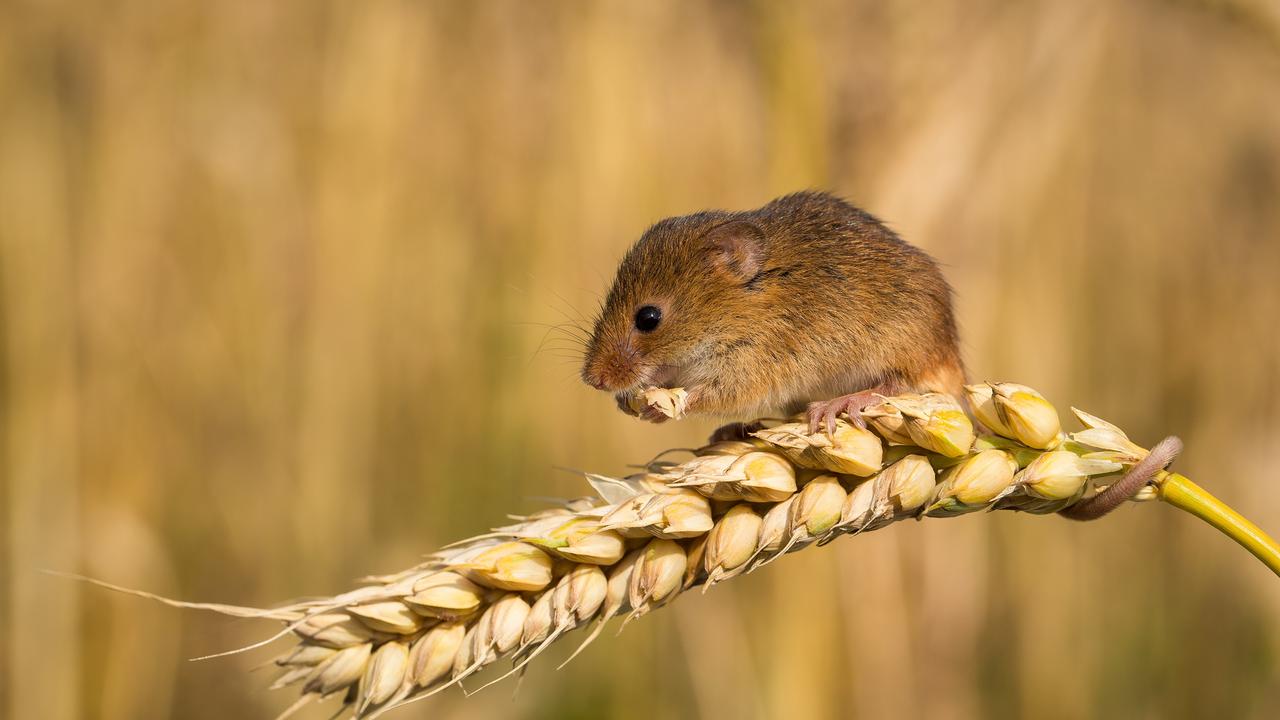
"Rats and mice cause serious economic loss and there's different ways by which this happens.

"They consume food, they contaminate food and they spoil food and feed. They also cause damage to machinery, cause losses of poultry and game birds and cause loss of quality assurance," Ní Lamhna told Friday morning's 

Signpost webinar.

Predators

Ní Lamhna reminded farmers of the importance of barn owls on their farm to control rodents.

"One of the typical natural predators that we know comes out at night and feeds on mice and rats are the barn owls.

"They reckon a pair of barn owls feeding a nest of young will catch 500 rats in a feeding season. So that's very efficient if you can have a pair of barn owls on your farm," she said.

However, there have been cases of lethal exposure of rodenticides found in a wide range of wildlife species recorded in studies by the National Parks and Wildlife Service, the Heritage Council and the Department of Agriculture, Ní Lamhna added.

Among the species that have died as a result of rodenticide poisoning include barn owls, red kites, kestrels and buzzards.

Research was carried out, according to Ní Lamhna, where 85% of barn owl carcases carried low-level residues of rodenticides.

Ireland was also found to have three-times higher residue levels than those found in the UK.

Ní Lamhna stressed that many species of wildlife are already under threat of extinction, adding: "We don't need to be adding to it by careless and necessary use of rodenticides."

Source - https://www.farmersjournal.ie

19.01.2026

FAO issues new guidance on food safety risks linked to climate mitigation chemicals in agriculture

As governments and agribusinesses race to curb greenhouse gas emissions while feeding a growing global population, the UN’s Food and Agriculture Organization (FAO) has released new guidance to help policymakers and industry assess food safety risks linked to emerging climate-mitigation chemicals used in agriculture.

19.01.2026

Indonesia pushes agricultural downstreaming to boost farmers’ income

Agriculture Minister Andi Amran Sulaiman has called on regional governments to accelerate downstreaming of local agricultural commodities - particularly coconuts, cashew nuts, and cocoa - to increase added value and raise farmers’ incomes. 

19.01.2026

Japan struggles to weed out plant threatening agriculture, ecosystems

The seemingly innocuous alligator weed, or Alternanthera philoxeroides, poses a real problem, especially to rice farmers.

19.01.2026

Canada - Kamsack-based Nytro promotes Green Lightning technology

The Green Lightning system uses electricity to convert water into nitrogen-rich fertilizer, with larger units designed to meet the needs of farm operations.

19.01.2026

Ireland - Almost €2.9m issued in farm scheme payments last week

Just under €3 million was issued in various farm scheme payments last week by the Department of Agriculture, Food and the Marine (DAFM).

19.01.2026

India - Horticulture Director gave his suggestions in the National Conference of Crop Insurance Scheme

A two-day National Review Conference was held in Bengaluru under the Pradhan Mantri Fasal Bima Yojana. 

18.01.2026

India - Bihar Launches Online Crop Loss Compensation Scheme: Farmers Can Claim ₹7,500–₹10,000 per Hectare

The Bihar government has announced financial assistance for farmers affected by crop losses under the Bihar State Crop Assistance Scheme. 

18.01.2026

Afghanistan - $30m new cold storage facility opens in Kabul to boost agriculture

The Ministry of Agriculture, Irrigation and Livestock (MoAIL) has inaugurated a new cold storage facility in Kabul, saying it will help reduce agricultural waste, cut imports, and strengthen the economy.