Droughts and floods in southern Africa stemming from El Niño have left millions of people food insecure, warns World Food Programme (WFP) Executive Director Cindy McCain during a recent visit to Zambia – the epicentre of the crisis.
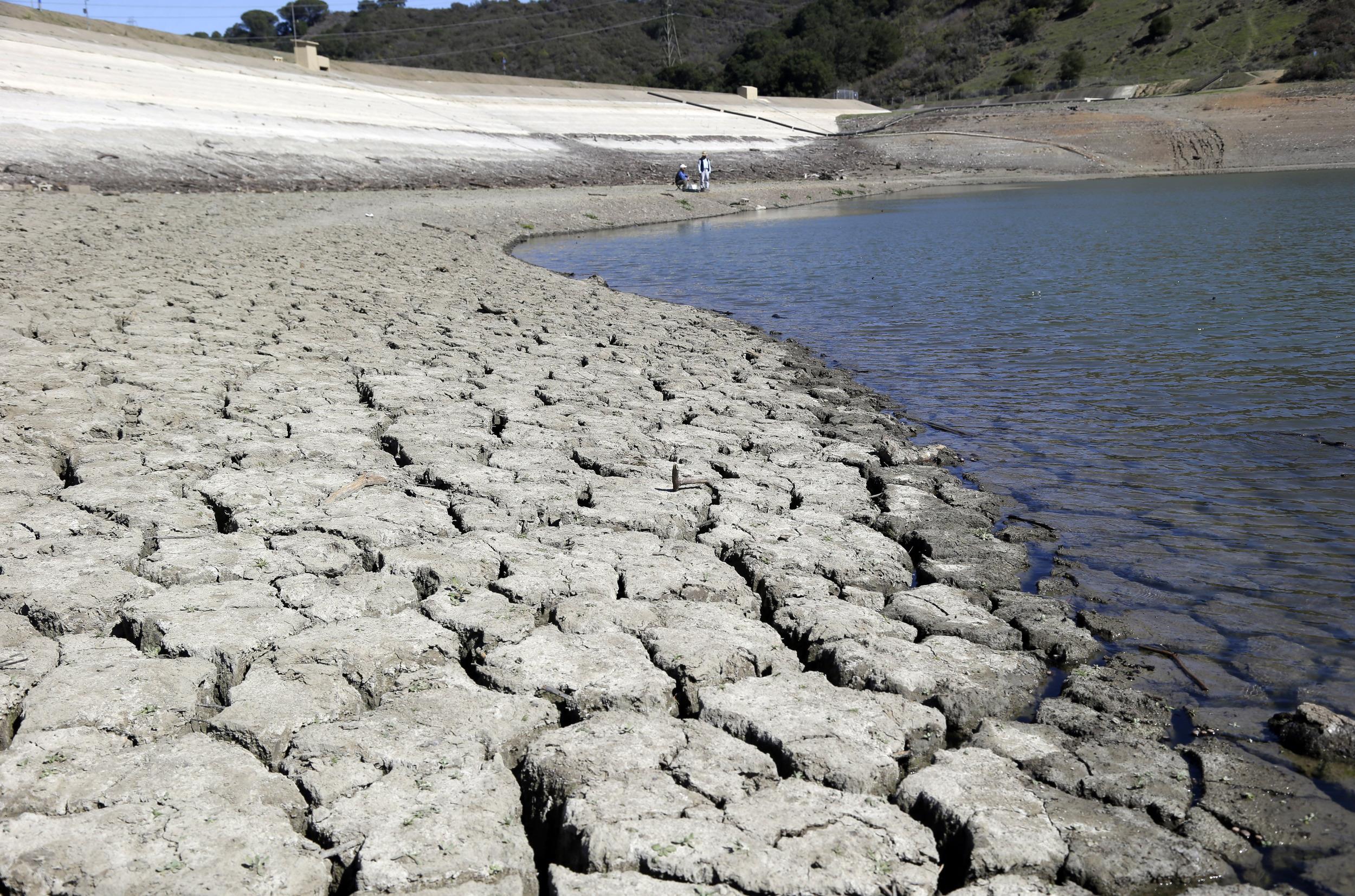
The droughts have destroyed harvests in areas where 70 per cent of the population depends on agriculture for survival.
Executive Director McCain said what she has seen has been both alarming and heartbreaking.
“I met farmers who usually grow enough to feed their families and communities. This year they harvested nothing. Now imagine a similar scenario for millions of people throughout Southern Africa, and we have a humanitarian catastrophe,” Ms. McCain said.
El Niño’s impact
Though the latest El Niño weather pattern is nearing its end, droughts caused by the weather-changing cycle will have repercussions for months ahead.
Temperatures have dramatically increased resulting in the driest February in decades in the region which caused a 20 per cent reduction in rainfall necessary for crop growth.
According to WFP, Zambia, Zimbabwe, and Malawi have been impacted the hardest and have all declared states of drought disaster. They risk significant crop loss with 40 and 80 per cent of their maize harvests decimated.
‘Step up now’: McCain
Recognising that 61 million people were affected by El Niño, Heads of State and Government of the Southern African Development Community (SADC) at an Extraordinary Summit launched a humanitarian appeal for US$5.5 billion that will complement the internal resources of the impacted countries.
The team is calling for support to meet these humanitarian needs. Ms. McCain echoes the call for support.
“I’m asking the international community to join us and step up now. We can’t ask millions to wait for the next harvest season – a year from now – to put food on their tables. These families need our support today while we help to build a more resilient future,” she said.
Major funding shortfall
Though WFP has responded to this crisis, the programme still needs $409 million for six months of aid to benefit 4.8 million people in Malawi, Zambia, and Zimbabwe.
WFP has been working with governments and partners to help prepare communities for climate disasters before they hit. WFP “unlocked over $14 million of anticipatory finance” to aid over 1.2 million people expected to be impacted by El Niño in August 2023.
They have also offered support to communities in Lesotho, Madagascar, Mozambique, and Zimbabwe by providing early warning alerts on
“weather risks, anticipatory cash transfers, drought-resistant seeds, agricultural training, and improved water sources.”
WFP continues to work with governments to protect communities affected by climate shocks and in just a few weeks, will distribute about $10 million in insurance payouts to nearly 280,000 affected people over the coming six months.
Source - https://news.un.org