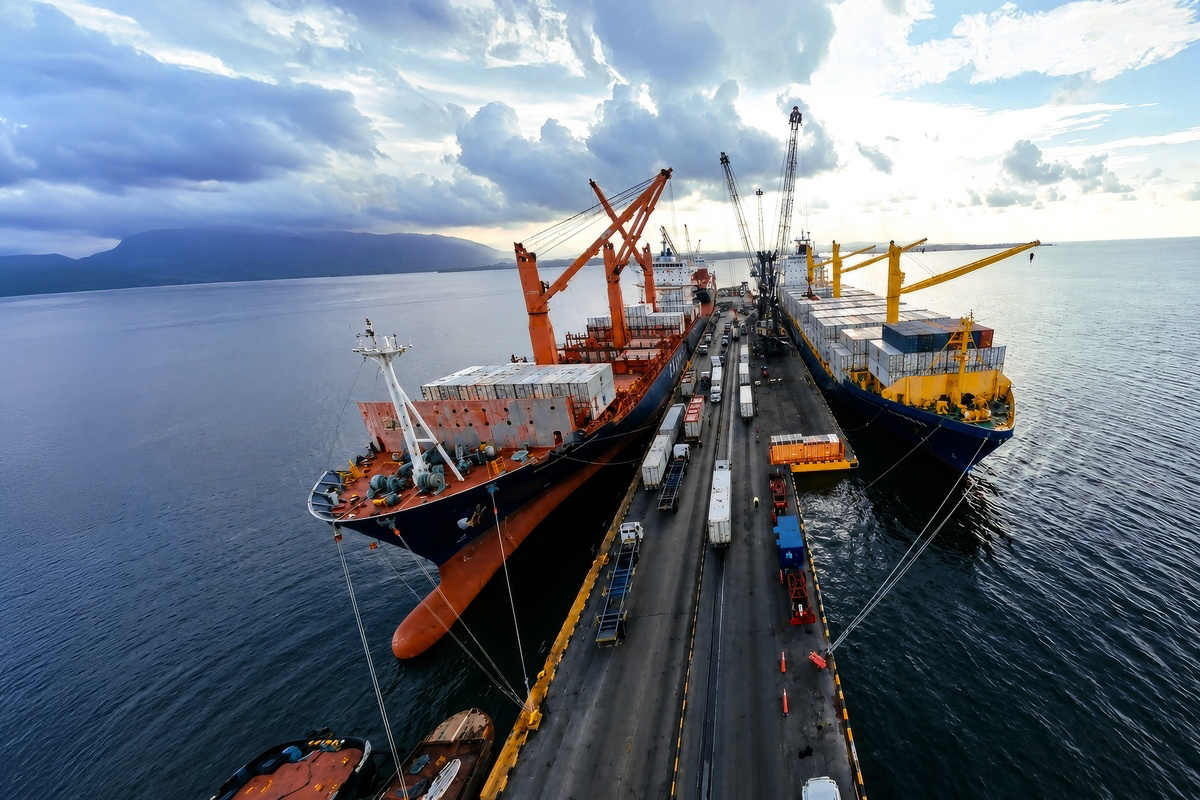
Each season, large volumes of Chilean and other Southern Hemisphere fruit arrive in Rotterdam. A growing number of exporters are having their own presence in the Netherlands.
The reasons are clear. The Netherlands is strategically located between the UK and mainland Europe, with Belgium, Germany and France within easy reach, and serves many other countries with logistics, customs and business services. It has been a well-established logistics hub for centuries, and many people speak a combination of languages, such as English, French, German, Spanish and Italian. That makes it easy for foreign companies to do business there from day one. Beyond its location, the Netherlands offers clear business and tax benefits.
For exporters who want to get closer to their European customers, a Dutch sales office is a logical next step. The traditional chain runs from producer to exporter, importer, and trader before reaching retail. An own sales office can shorten that chain, reduce commissions and give the exporter direct control over their sales in Europe, the flow of goods and the flow of funds.
What to take into account
Setting up a Dutch company is relatively straightforward, but a few requirements need attention from the start. Each year, the company must prepare annual financial statements within a set deadline and file an extract with the Chamber of Commerce.
On the tax side, the Netherlands offers a competitive corporate tax system, an extensive network of tax treaties and the possibility of obtaining advance tax rulings, which gives exporters certainty before they start. One point that requires care is the relationship between the parent company abroad and its Dutch entity, since prices for goods and services between them must be set at market level and properly documented.
Staff also deserve early planning. Employees hired in the Netherlands or posted from abroad fall under Dutch payroll and employment rules, and qualifying foreign employees may benefit from a favorable tax arrangement.
Finally, it is a must to have the right partners in place: a reliable bank and, where needed, credit insurance or trade finance solutions such as factoring to support cash flow during the season.
Because each exporter's situation is different, it pays to discuss the right structure with a specialist before taking the step. RAAD International, an accounting and advisory firm specialized in the international fresh produce sector, supports foreign exporters with the process, from fiscal representation to setting up and running a Dutch sales office.
Source - https://www.freshplaza.com