The European Union (EU) and the German Development Cooperation have jointly earmarked €18.3 million for a new agricultural development initiative aimed at transforming Nigeria’s rural economy through climate-smart and inclusive value chain systems.
The four-year project, known as the Agriculture Value Chain Facility – Transformative Agriculture Systems for Rural Economic Development (EU-VACE TARED), will run from October 2024 to September 2028.
The project was launched on Tuesday in Jos, Plateau State, by Germany’s Federal Ministry for Economic Cooperation and Development (BMZ) and co-financed by the EU, with implementation by the Deutsche Gesellschaft für Internationale Zusammenarbeit (GIZ) GmbH.
According to the cluster coordinator for rural development agriculture, German Development Cooperation (GIZ), Andrea Ruediger, the project will operate across the States of Cross River, Kaduna, Kano, Kebbi, Oyo, Ondo and Plateau, and it sought to promote sustainable food systems, job creation and gender equity in agriculture.
It will also work closely with the Federal Ministries of Budget and National Planning, Agriculture and Food Security and Livestock Development.
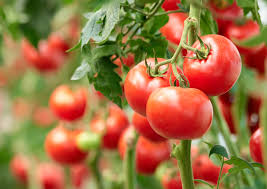
She explained that the EU-VACE TARED was designed to strengthen agricultural value chains in cocoa, tomatoes, ginger and dairy by improving productivity, enhancing competitiveness and promoting environmentally responsible practices.
The programme targets 25,000 farmers, with a strong focus on women and youth inclusion and aims to generate 10,000 new green jobs while mobilising over €2 million for agribusinesses.
Overall, the initiative is guided by inclusive development principles and integrates technical, policy, and financial as three major pillars for climate adaptation and empowering women and youth.
Speaking at the regional launch of the project for Northern State in Plateau State on Tuesday, the head of Development Cooperation at the German Embassy in Abuja, Karin Jansen, described EU-VACE TARED as a major milestone in Nigeria’s agricultural transformation journey.
She said the initiative builds on Germany’s long-standing cooperation with Nigeria, grounded in the recognition that agriculture remains central to economic diversification and social stability.
“Germany and Nigeria are transforming the agriculture sector together because our partnership delivers mutual benefit. A resilient, food-secure and economically viable Nigeria is a cornerstone of stability in West Africa.
“This cooperation aligns closely with Nigeria’s Renewed Hope Agenda and the EU-Global Gateway, strengthening trade, investment and value-chain partnerships,” she said.
The head of cooperation for the EU Delegation to Nigeria and ECOWAS, Massimo De Luca, said the new initiative represented an expansion of years of successful EU-German collaboration in Nigeria’s agricultural sector.
He explained that the EU and Germany would support Nigeria in creating sustainable dairy hubs to provide services in animal health, feed, genetics, and finance while strengthening cooperatives and building local processing capacity.
“In this new project, we are being bold, we want to focus on value chains that sit between economic opportunity and development challenges, sectors like dairy and cocoa that have immense potential but also significant hurdles.”
Representing the Plateau State governor, Caleb Mutfwang, the commissioner for livestock development, veterinary services and fisheries, Sunday Akpa, welcomed the project, stating that it would revive the dairy sector for self-sufficiency in the state.
EU-VACE TARED is expected to address Nigeria’s long-standing agricultural challenges, including low investment, weak processing capacity, and limited value addition. It also responds to environmental threats such as deforestation and desertification, alongside the pressures of climate change and insecurity that have hampered rural productivity.
Source - https://leadership.ng