East Africa faces food shortages due to extreme weather

07.05.2024 485 views

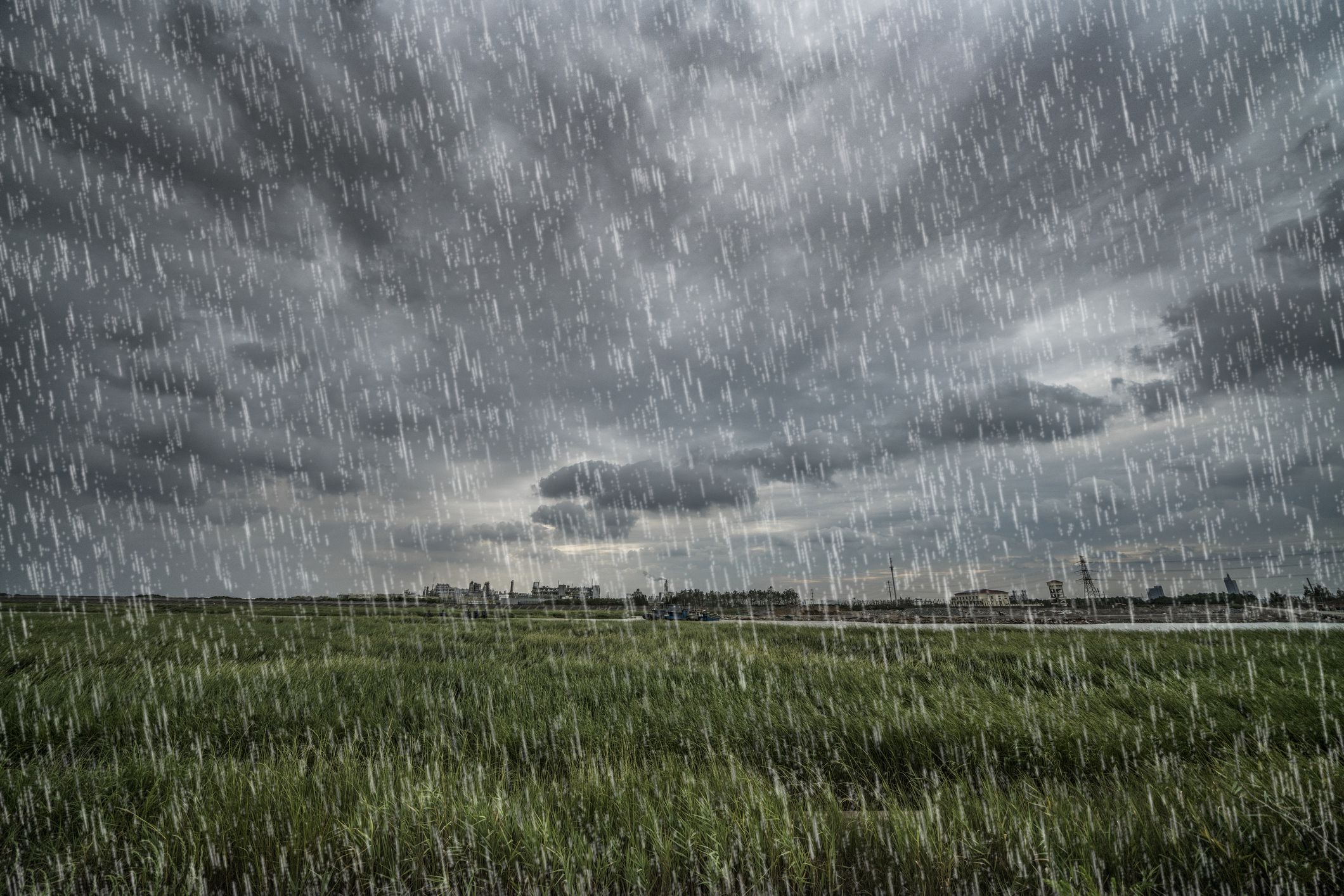
The East African region is encountering a potential food shortage following extreme weather conditions, characterized by excessive rainfall and floods. These conditions have led to fatalities, injuries, destruction of infrastructure, and significant damage to agricultural lands in areas crucial for food production. The situation has been exacerbated by the El Niño weather phenomenon, affecting Kenya, Tanzania, Uganda, Rwanda, and Burundi, resulting in the inundation of villages and posing further threats in the forthcoming weeks.

The adverse weather events have had wide-ranging impacts on various sectors including agriculture, transport, health, education, and tourism, the latter of which was beginning to recover from the downturn caused by the Covid-19 pandemic. In Kenya, the repercussions have been particularly severe, with the President announcing a death toll of at least 210 individuals. Reports from the country's National Disaster Operations Centre highlighted the loss of 4,824 livestock, damage to 27,717 acres of cropland, and the impact on 264 small businesses and 24 schools by the end of April.

The UN Relief Web has noted the broader societal implications of the disaster, including the exacerbation of existing conflicts over resources, such as grazing land, which is already a contentious issue due to prolonged drought conditions in the region.

The agricultural sector, crucial for the region's food security, has been significantly disrupted, with Tanzania, a key food supplier, projecting a 30 percent reduction in food production. The World Economic Forum's report indicates that extreme weather events are likely to pose the greatest global risk over the next decade, with potential catastrophic outcomes including millions of deaths, substantial economic losses, and increased healthcare costs.

Source - https://www.freshplaza.com

22.04.2026

Bangladesh - PM rolls out master plans for 'smart agriculture'

Technology-driven modern farming is in sight in Bangladesh as Prime Minister Tarique Rahman Wednesday unveiled a set of master plans to implement "smart agriculture" initiatives for boosting agricultural production, diversifying farm products and addressing climate-change impacts.

22.04.2026

USA - Capital Farm Credit acquires Ag Crop Insurance Agency

In an effort to provide the best risk protection for ag producers in the High Plains region of Texas, Capital Farm Credit has acquired Ag Crop Insurance Agency.  

22.04.2026

Ukraine - Kherson Farmers Awarded 237.5 Million Hryvnias for Damaged Crops

According to Мін. Економіки: Agricultural producers in the Kherson region have received a total of 237.5 million hryvnias in compensation for crop damage. 

22.04.2026

USA - Game Commission Expands Crop Damage Programs

The Pennsylvania Game Commission took action to further address crop damage issues during its quarterly meeting on April 11.

22.04.2026

India - Unseasonal rains damage crops, farmers stage rasta-roko in Chegunta

Farmers in Chegunta mandal of Medak district blocked a road demanding compensation for crops damaged by unseasonal rains and gales. Officials reported damage to over 4,700 acres of paddy, while concerns remain over further losses due to predicted rainfall.

22.04.2026

Bangladesh - 2,483 farmers in Barguna get crop security insurance money

The insurance claim payment process has been completed among farmers who have taken crop safety insurance under Aman Product-2025 in the coastal district of Barguna. Out of a total of 3,324 insured farmers, 2,483 farmers have received insurance benefits worth about 1.1 million taka.

21.04.2026

New Zealand kiwifruit crop avoids major cyclone damage

Kiwifruit growers in New Zealand appear to have avoided a major impact from Cyclone Vaianu, which hit the east coast of the North Island this month. 

21.04.2026

Africa achieves first gene-edited grapevine using CRISPR for disease resistance, drought tolerance

A resistant grapevine reduces chemical input costs and crop loss.