Ecuador has contracted its first parametric agricultural insurance policies, providing protection against extreme rainfall and drought for up to 10,000 people in smallholder rice and maize farming households.
The placement marks a milestone for the Tripartite Agreement Programme, a public-private partnership between the Insurance Development Forum, United Nations Development Programme and the German Federal Ministry for Economic Cooperation and Development through the InsuResilience Solutions Fund, aimed at strengthening climate resilience in developing markets.
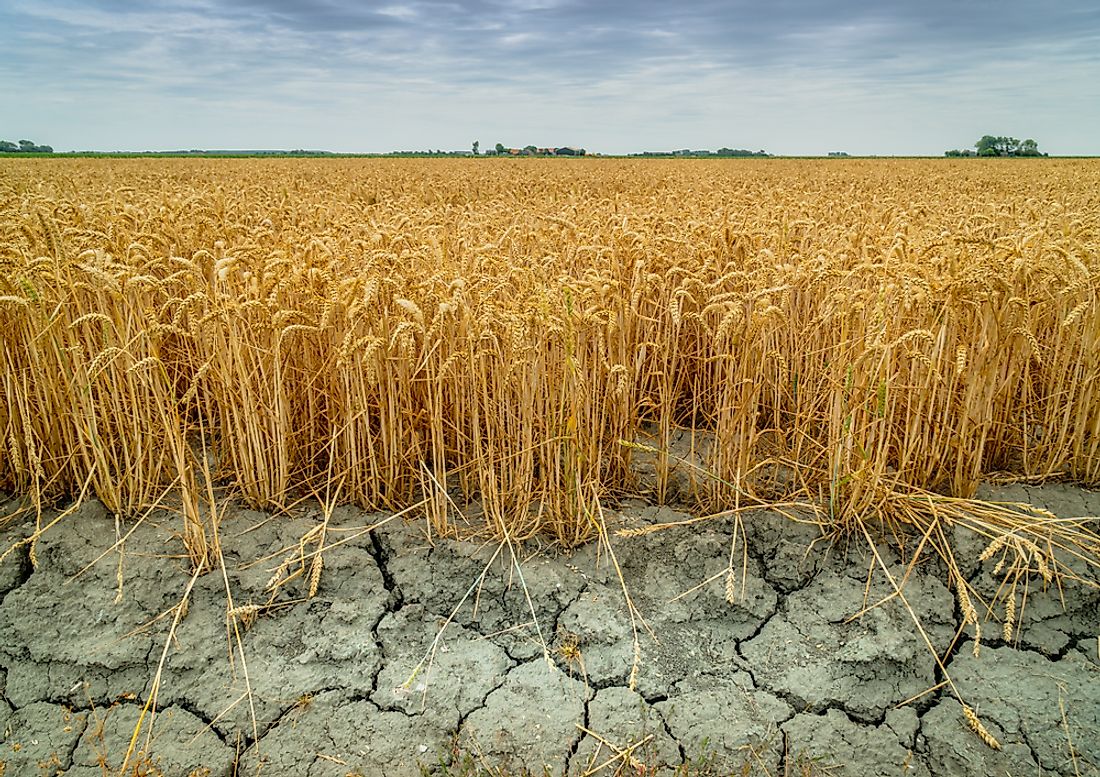
The nation’s agricultural sector faces increasing exposure to floods, droughts and wildfires, with smallholder farmers accounting for 75% of the country’s farming population. The parametric policies are structured to trigger automatic payouts when predefined rainfall or drought thresholds are exceeded, enabling faster and more transparent claims settlement.
Launched in 2023 and led by Ecuador’s Ministry of Agriculture, Livestock and Fisheries, the initiative developed two parametric products covering extreme rainfall and drought risk. The solutions were designed by IDF member organisations AXA Climate, Guy Carpenter México Intermediario de Reaseguro S.A de C.V and Blue Marble, in partnership with the ministry. Local insurer Hispana de Seguros is implementing the policies on the ground.
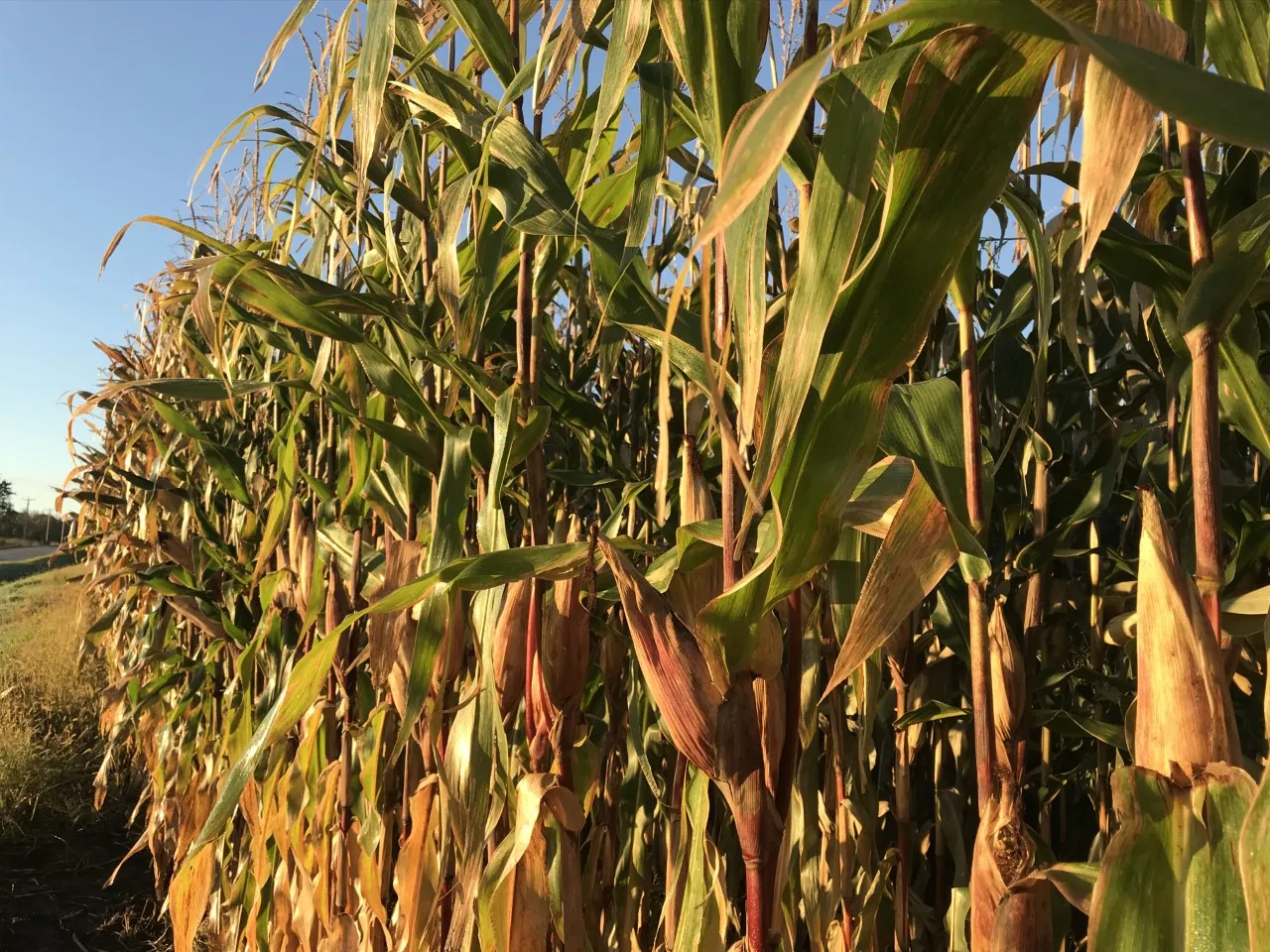
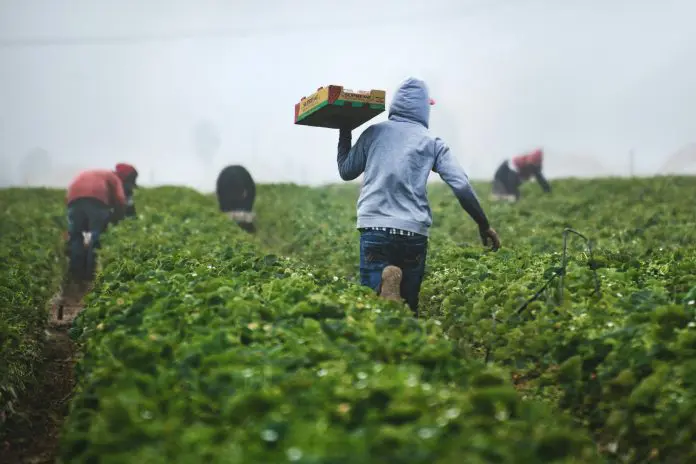
Premium financing for the first coverage period has been provided by ISF. As a result, 2,511 smallholder rice and yellow maize producers in Guayas, Los Ríos, Manabí and Loja are covered for the January to May 2026 planting cycle. Of these, 44% are women and 15% are young people aged up to 29. At least 300 additional producers are expected to be covered during the July to November 2026 cycle.
Ecuador minister of agriculture, livestock and fisheries Juan Carlos Vega said: “These parametric insurance policies align with our commitment to provide smallholder farmers with tools that strengthen their sustainability, especially in the face of rising climate change challenges. It is a tool that financially protects them from climate risks and contributes to our country’s food sovereignty.”
German Federal Ministry for Economic Cooperation and Development director-general Dr. Katharina Stasch said: “As climate risks continue to rise, collaboration between government, insurance and development partners is more critical than ever. The landmark insurance policies in Ecuador are an example of how countries can unlock resilience through insurance and risk management, creating a win-win where smallholder farmers are protected, local insurance markets strengthened and the country’s agricultural sector bolstered against risks.”
AXA Climate public sector technical lead and IDF Ecuador project co-lead Dr. Nerea Vadillo said: “Through the Tripartite Agreement Programme, IDF members have helped deliver a solution that protects vulnerable farmers on the ground today while strengthening Ecuador’s long-term financial resilience to climate risk. This is what building future-ready nations looks like: scalable, country-led solutions that enable faster recovery, informed decision-making, and greater resilience for those most exposed to climate shocks.”
UN assistant secretary-general and director of UNDP’s bureau for policy and programme support Marcos Neto said: “This milestone in Ecuador demonstrates how insurance can be used as a powerful tool for inclusive and climate-resilient development. As countries face rising climate threats, Ecuador’s model offers a scalable and sustainable pathway for governments to protect smallholder farmers and their substantial contributions to the economy and food security.”
InsuResilience Solutions Fund head Dr. Annette Detken said: “This innovative public-private partnership demonstrates how government leadership, industry expertise, and development finance can come together to build scalable solutions for the most vulnerable. With these two pioneering policies now live, financial resources can flow quickly and predictably to farmers when drought and floods strike, helping to safeguard lives and livelihoods.”
UNDP Ecuador resident representative Inka Mattila said: “This insurance not only protects crops, it also protects the dreams and hard work of thousands of rural families who feed the country. We are sowing trust to reap resilience.”
Source - https://fintech.global