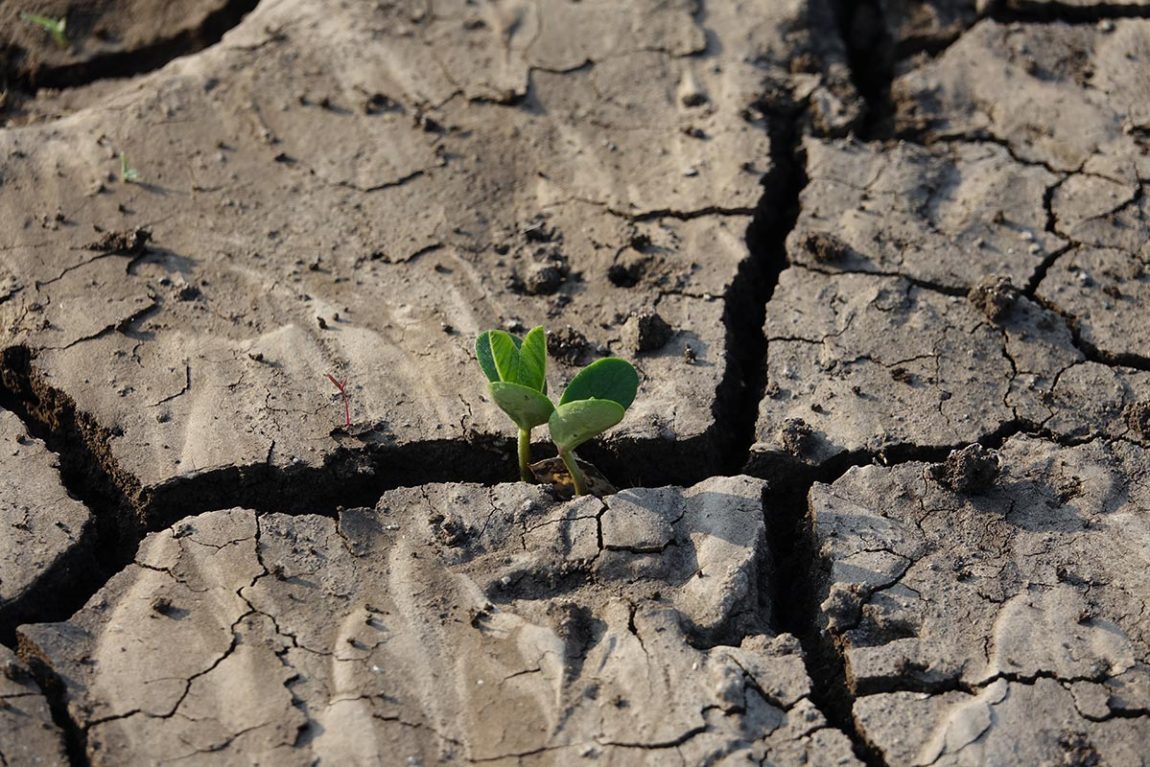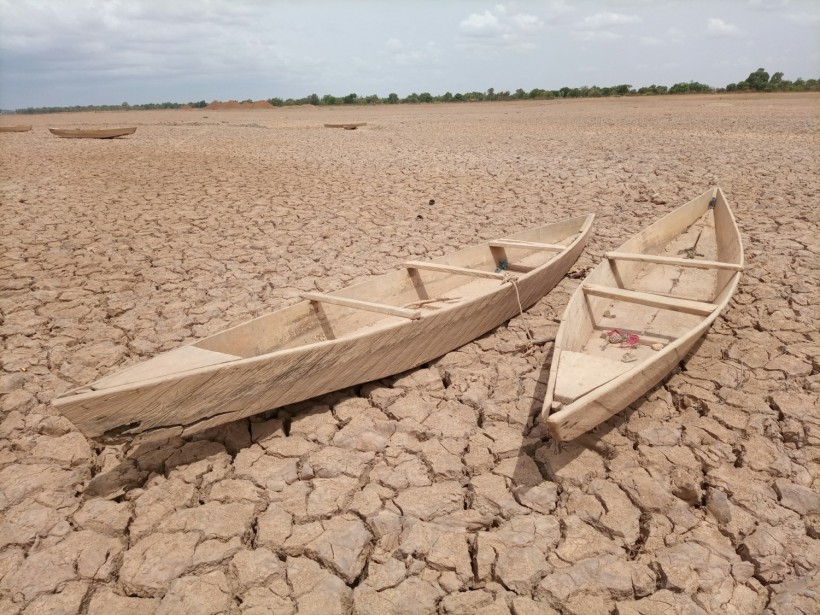
Extreme drought is endangering millions of people in several countries across Africa, ranging from Angola to Mozambique. Fueled by the El Nino phenomenon, the southern part of the continent has experienced dry conditions and lack of rainfall, as well as water shortages and crop losses. The drought is also threatening southern Africa's energy production and food supplies, which could potentially impact the region's economy.
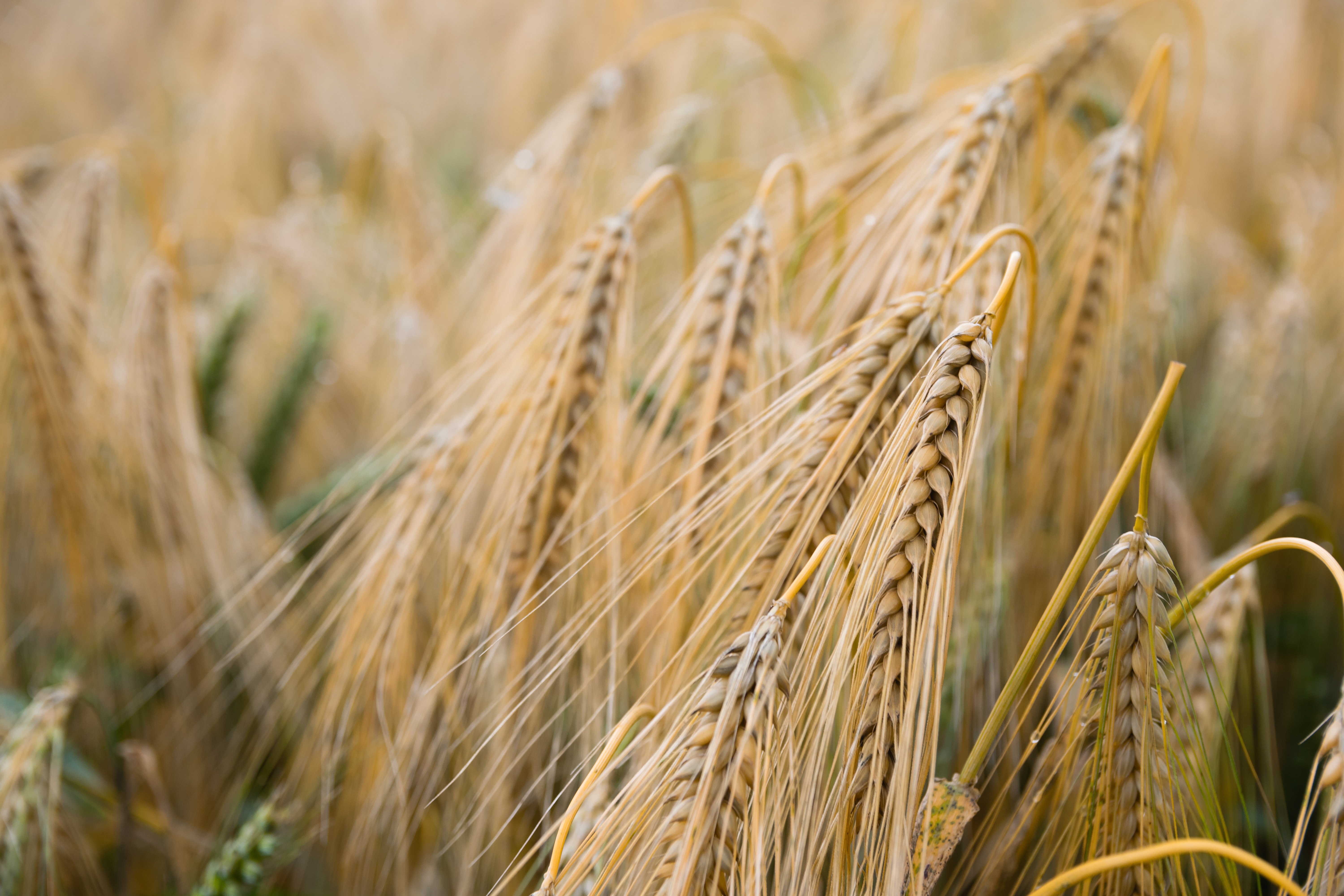
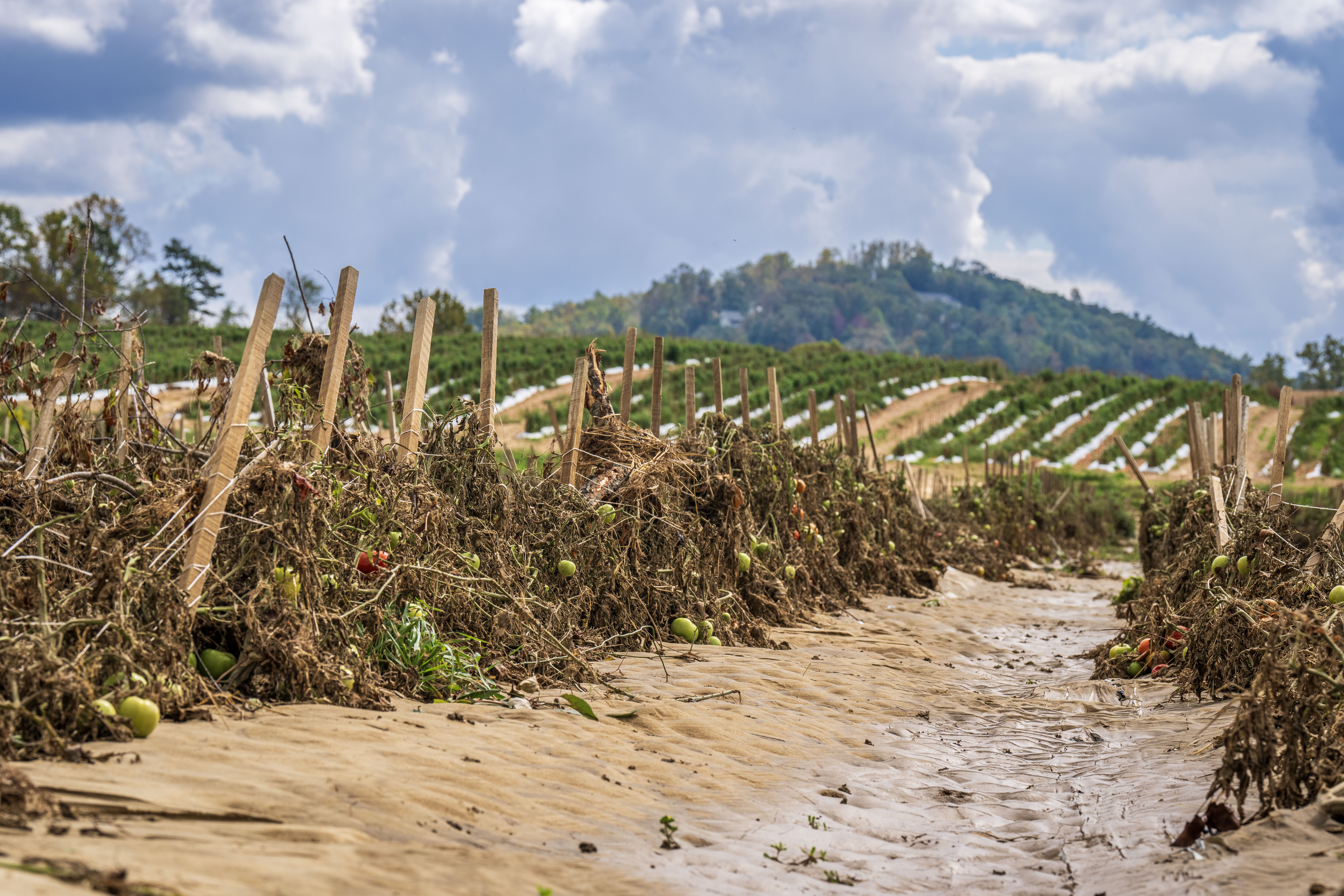
Amid climate change, El Nino has delayed the start of the region's rainy season, which typically spans from October to April. The extreme heat and humid conditions from the drought have also devastated harvests, agricultural lands, and water reservoirs that tens of millions of people rely on.
According to experts, the El Nino climate pattern that releases heat from the Pacific Ocean has caused the lack of rainfall in southern Africa.
Since 2015, southern Africa has been impacted by the worst drought in decades. Elsewhere in the continent, the Horn of Africa and sub-Saharan Africa regions have also experienced the same natural disaster in recent years. Multiple organizations associated with the United Nations have confirmed that many nations in the continent are experiencing similar hardships due to the extreme drought, which is expected to continue indefinitely.
In a media release by the UN earlier this year, the Africa drought crisis has taken its toll in multiple countries across the continent, including Madagascar, which experienced the most severe drought in four decades. The disaster caused widespread hunger and placed thousands of people into near-famine conditions. Being prone to extreme weather events, the island nation of Madagascar has also been hit by El Nino.
The UN has also warned that many areas across Africa are also experiencing immediate threats from extreme drought, including Madagascar and Zimbabwe.
In Zambia, up to 70% of the country's agricultural fields have experienced dry spells in its Eastern Province. Meanwhile, reports as of early April 2024 show that areas from Angola to Mozambique are not spared by drought, with Zimbabwe being on the brink of declaring a national disaster.
Drought and Climate Change
Drought is defined as the deficiency or lack of average precipitation in a certain area, region, or country. It occurs over an extended period of time, resulting in water shortages and other environmental hazards. In terms of scope, climate change is increasing the chances of worsening drought in multiple parts of the United States and the rest of the world, according to the Center for Climate and Energy Solutions (C2ES).
The US-based non-profit organization C2ES explains how climate change contributes to drought in the following pointers:
- Warmer temperatures accelerate the evaporation process in the atmosphere, reducing surface water and drying up soils and vegetation.
- Warmer winter temperatures are also altering water availability in the Northern Hemisphere, decreasing snowy precipitation and accumulation of snowpack.
- Climate change is also causing different regions of the world to be drier than normal, including the drought-stricken Southwest US.
Source - https://www.natureworldnews.com