Extreme weather impacts European agriculture, hitting food supply chains

10.06.2024 715 views

The frequency of extreme weather events in Europe, including the UK, has seen a significant rise, with occurrences increasing by nearly 50% over the last two years. This escalation has profound implications for agriculture across the continent. The UK's farming sector, already grappling with the challenges posed by these climatic changes, faces an uncertain future. Scottish agriculture, for instance, suffered losses exceeding £161 million in 2018 due to adverse weather conditions. This trend underscores the urgent need for the sector to adapt to the changing climate.

A recent study by Inverto, a Boston Consulting Group company, highlights the growing crisis, revealing a 48% increase in extreme weather events from the year leading to February 2022 to the year leading to February 2024. The study also noted a 72% increase in large hailstorms during the same period. Katharina Erfort, a principal at Inverto, emphasizes the importance of businesses preparing for future disruptions through robust risk management and diversification of supply sources.

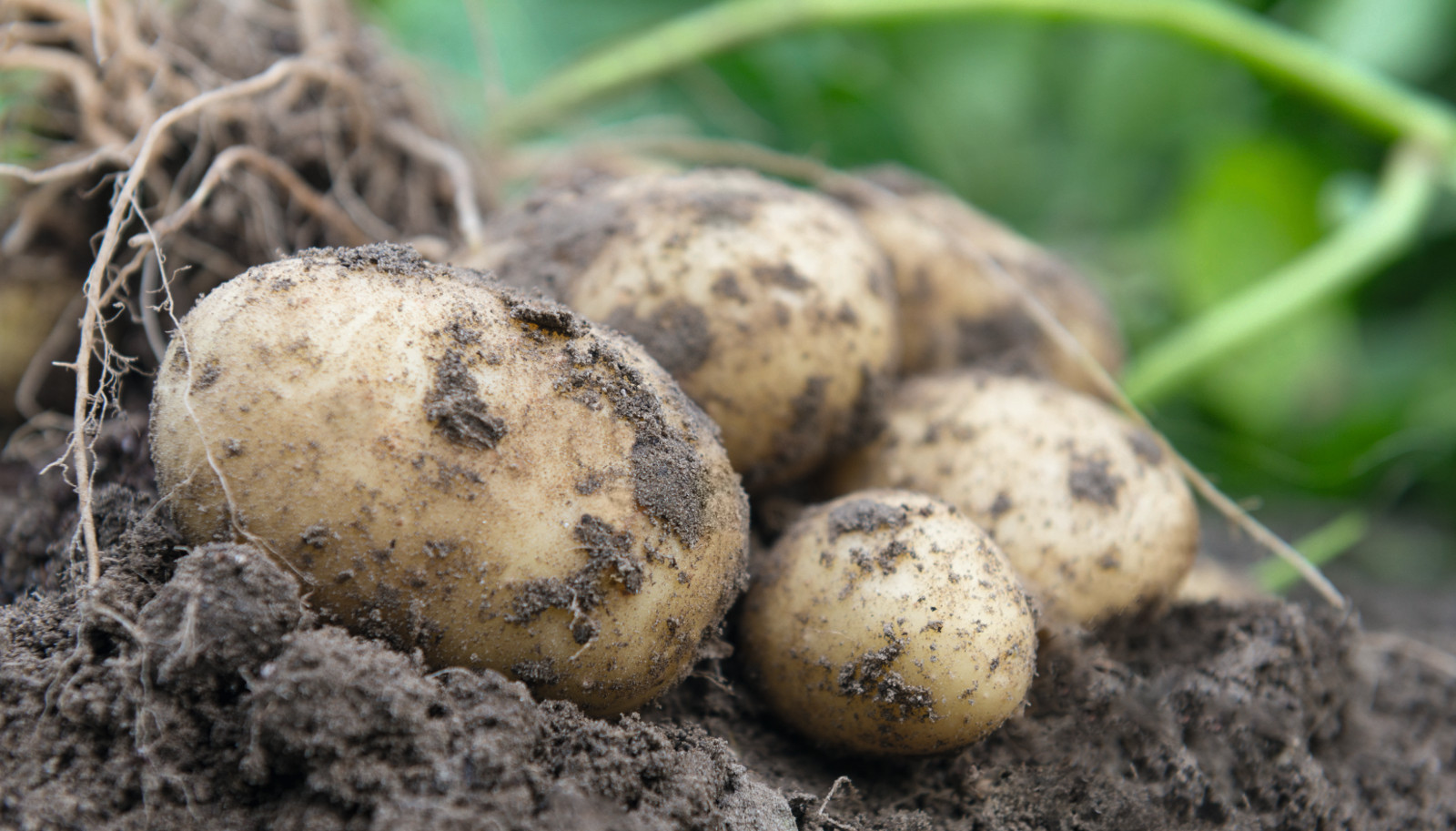
Extreme weather not only disrupts food supply chains but also affects food production in Europe and globally, leading to shortages and price spikes. For example, a single hailstorm caused €40 million worth of damage to crops in Spain's Valencia region. Italy, responsible for half of the EU's rice production, faced a significant shortfall in 2023 due to droughts and flooding, affecting potato production across Northern Europe as well.

Erfort suggests that growers explore methods to mitigate the impact of weather events, such as advanced harvesting and the use of protective materials like hail resistant nets or poly tunnels. These measures are critical in ensuring the resilience of food supplies against the backdrop of increasingly unpredictable global weather patterns.

Source - https://www.freshplaza.com

22.04.2026

Bangladesh - PM rolls out master plans for 'smart agriculture'

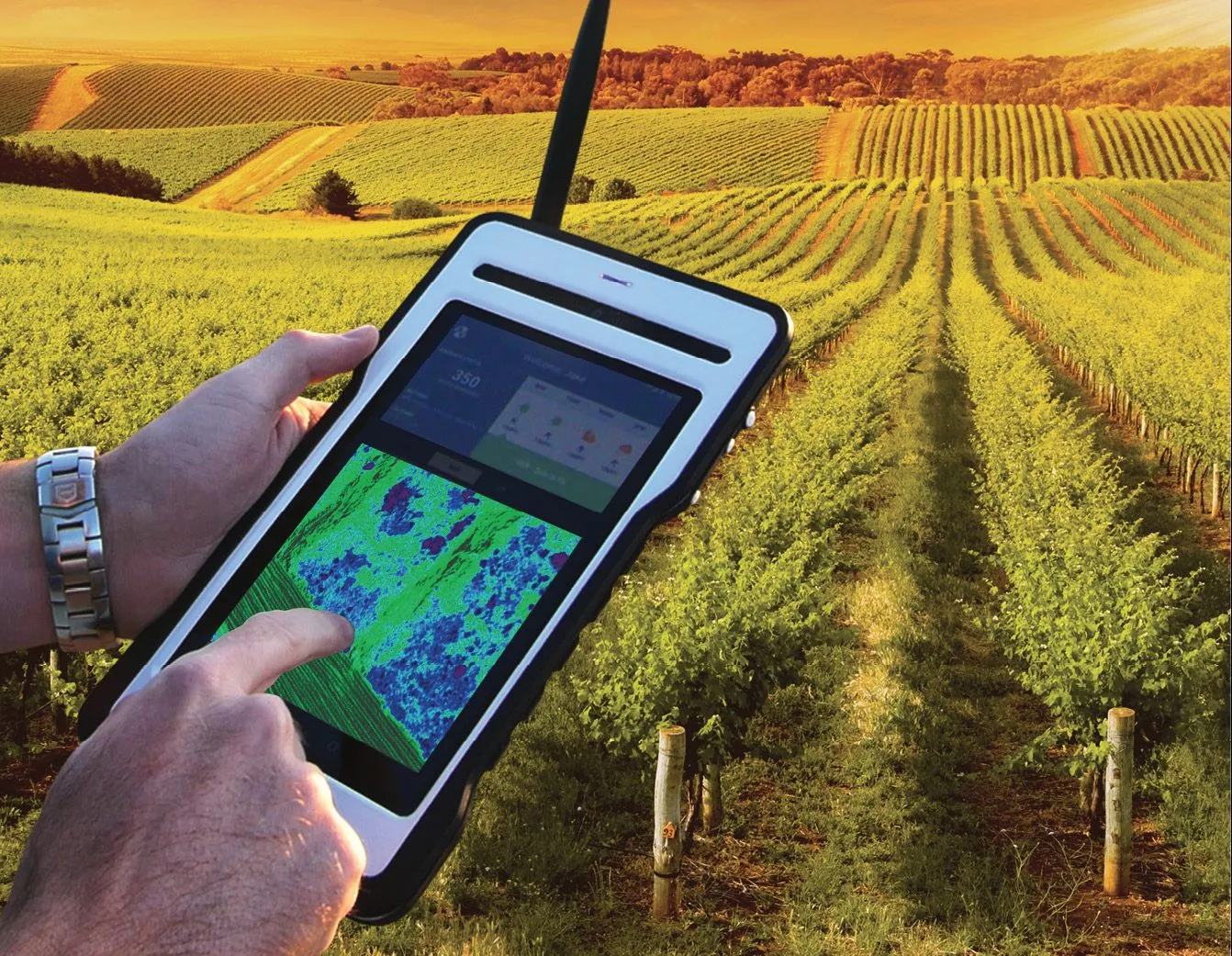
Technology-driven modern farming is in sight in Bangladesh as Prime Minister Tarique Rahman Wednesday unveiled a set of master plans to implement "smart agriculture" initiatives for boosting agricultural production, diversifying farm products and addressing climate-change impacts.

22.04.2026

USA - Capital Farm Credit acquires Ag Crop Insurance Agency

In an effort to provide the best risk protection for ag producers in the High Plains region of Texas, Capital Farm Credit has acquired Ag Crop Insurance Agency.  

22.04.2026

Ukraine - Kherson Farmers Awarded 237.5 Million Hryvnias for Damaged Crops

According to Мін. Економіки: Agricultural producers in the Kherson region have received a total of 237.5 million hryvnias in compensation for crop damage. 

22.04.2026

USA - Game Commission Expands Crop Damage Programs

The Pennsylvania Game Commission took action to further address crop damage issues during its quarterly meeting on April 11.

22.04.2026

India - Unseasonal rains damage crops, farmers stage rasta-roko in Chegunta

Farmers in Chegunta mandal of Medak district blocked a road demanding compensation for crops damaged by unseasonal rains and gales. Officials reported damage to over 4,700 acres of paddy, while concerns remain over further losses due to predicted rainfall.

22.04.2026

Bangladesh - 2,483 farmers in Barguna get crop security insurance money

The insurance claim payment process has been completed among farmers who have taken crop safety insurance under Aman Product-2025 in the coastal district of Barguna. Out of a total of 3,324 insured farmers, 2,483 farmers have received insurance benefits worth about 1.1 million taka.

21.04.2026

New Zealand kiwifruit crop avoids major cyclone damage

Kiwifruit growers in New Zealand appear to have avoided a major impact from Cyclone Vaianu, which hit the east coast of the North Island this month. 

21.04.2026

Africa achieves first gene-edited grapevine using CRISPR for disease resistance, drought tolerance

A resistant grapevine reduces chemical input costs and crop loss.