Greek farmers have escalated nationwide protests in December 2025, deploying thousands of tractors to block major highways, borders, ports, and even airports like Heraklion in Crete. Triggered by delays in EU subsidy payments amid a corruption scandal, rising production costs, and inadequate disaster compensation, the movement has led to clashes with police and widespread disruptions, highlighting deeper structural issues in Greek agriculture.
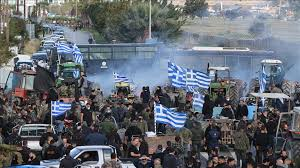
Greek farmers have moved from symbolic road blockades to direct confrontations with police after more than ten days of nationwide protests. The government has responded with arrests, heightened charges, and threats of prosecuting participants under anti-organised crime laws, particularly in Crete.
Tractors have blocked major highways, paralysing transport and effectively dividing the country. Convoys have rolled through cities and towns, while protesters have temporarily occupied ports, airports, border crossings, and public buildings. What began as coordinated demonstrations has evolved into sustained disruption.
Mainstream media have emphasised “lawlessness” and even hinted at “insurrection,” reinforcing the government’s portrayal of militant farmers as criminals. Officials routinely distinguish between “peaceful” and “violent” protesters to discredit the movement as a whole.
The centre-right government, already embroiled in corruption scandals and containing ministers with far-right ties, has dismissed farmers’ representatives and refused serious negotiation. Instead, it has opted for threats of prosecution and increased police presence.
Solidarity actions have come from trade unions, students, local residents, and anarchist and left-wing groups. These alliances suggest the movement may be breaking out of sectoral isolation and forging broader social support.
Roots of the Crisis
The protests reflect decades of structural decline in Greek agriculture driven by EU and national policies. When Greece joined the European Community in 1981, around 30% of the workforce was employed in farming; today the figure is roughly 11–12%. Successive governments have reoriented the economy toward tourism, services, and real estate, turning the country into a low-wage hub for European capital while hollowing out rural production.
Under the EU’s Common Agricultural Policy, small farmers have been pushed into monocultures dependent on subsidies and volatile markets, increasing ecological fragility. The “green transition” has imposed costly new inputs amid rising energy prices, while Greek produce faces unfair competition from cheaper non-EU imports produced under laxer standards.
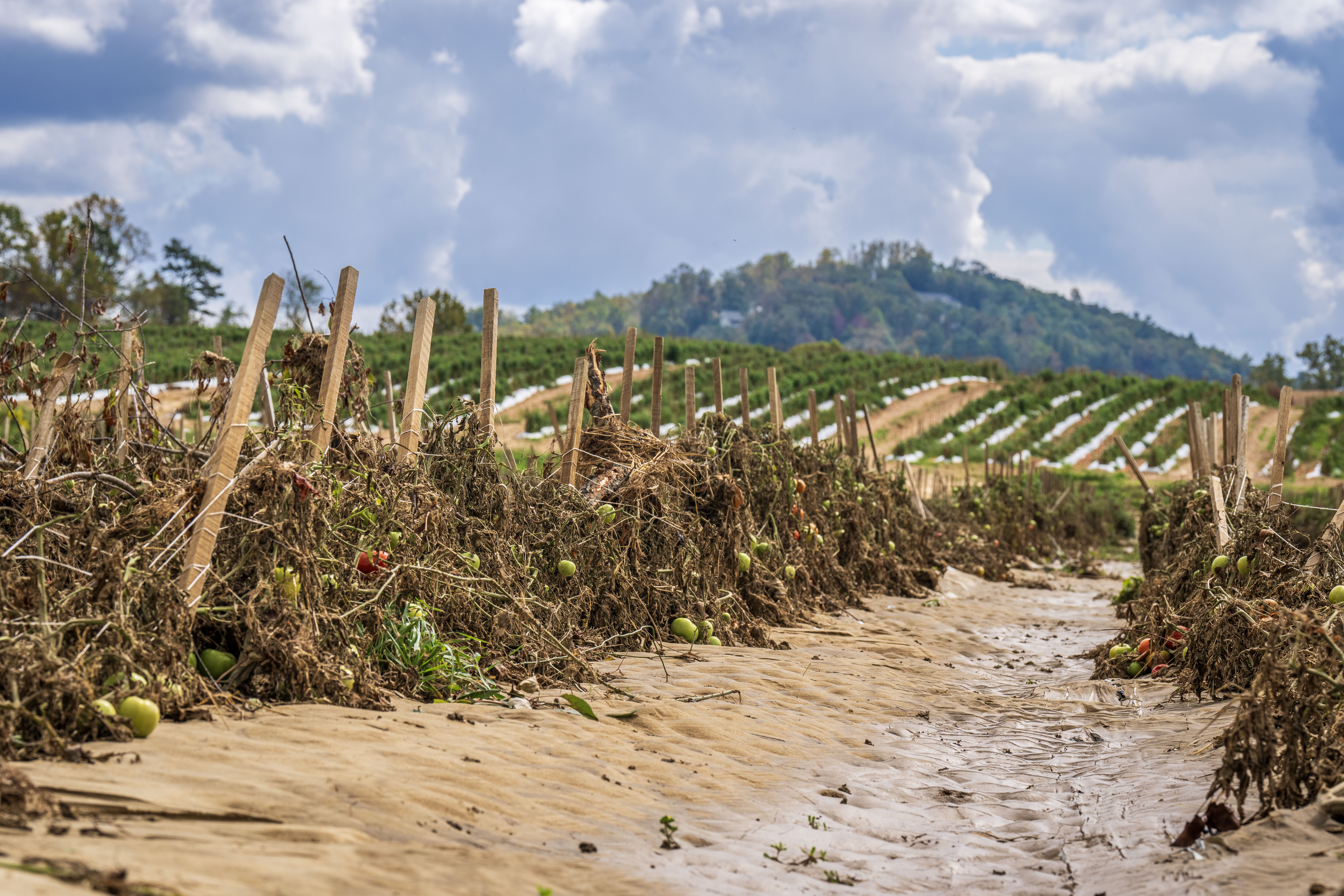
Recent extreme weather—especially devastating floods—has destroyed crops, infrastructure, and livelihoods, with compensation often delayed or inadequate. Soaring production costs and mounting debt have brought many small and medium farmers to breaking point.
A key grievance is the skewed distribution of EU subsidies, which overwhelmingly benefit large landowners and agribusiness through weak oversight and clientelist networks. In Crete, rival patronage groups have even resorted to armed clashes over land and funding access, exposing the violent logic of concentrated rural power.
A Broader Struggle
The Greek revolt echoes similar farmer actions across Europe in 2024–2025, including highway and border blockades in France, Spain, and Portugal. These coincide with rising labour disputes over wages and public services in several southern European countries, often employing disruptive tactics against circulation and trade.
In Greece, memories of the debt crisis, austerity, mass emigration, and tragedies like the 2023 Tempi rail disaster fuel distrust of the neoliberal model. Farmers’ demands—full disaster compensation, lower production costs, debt relief, tax cuts, decent pensions, and fair insurance—challenge the core of EU agricultural policy and agribusiness interests.
By choosing repression over dialogue, the state aims to contain and isolate the movement. Yet the protests’ scale and resilience indicate a deeper contest: who will pay the price of climate breakdown and capitalist restructuring—and whether converging social struggles can force a wider rupture.
Source - https://greekcitytimes.com