Germany - Disastrous situation in fruit growing and viticulture

08.05.2024 447 views

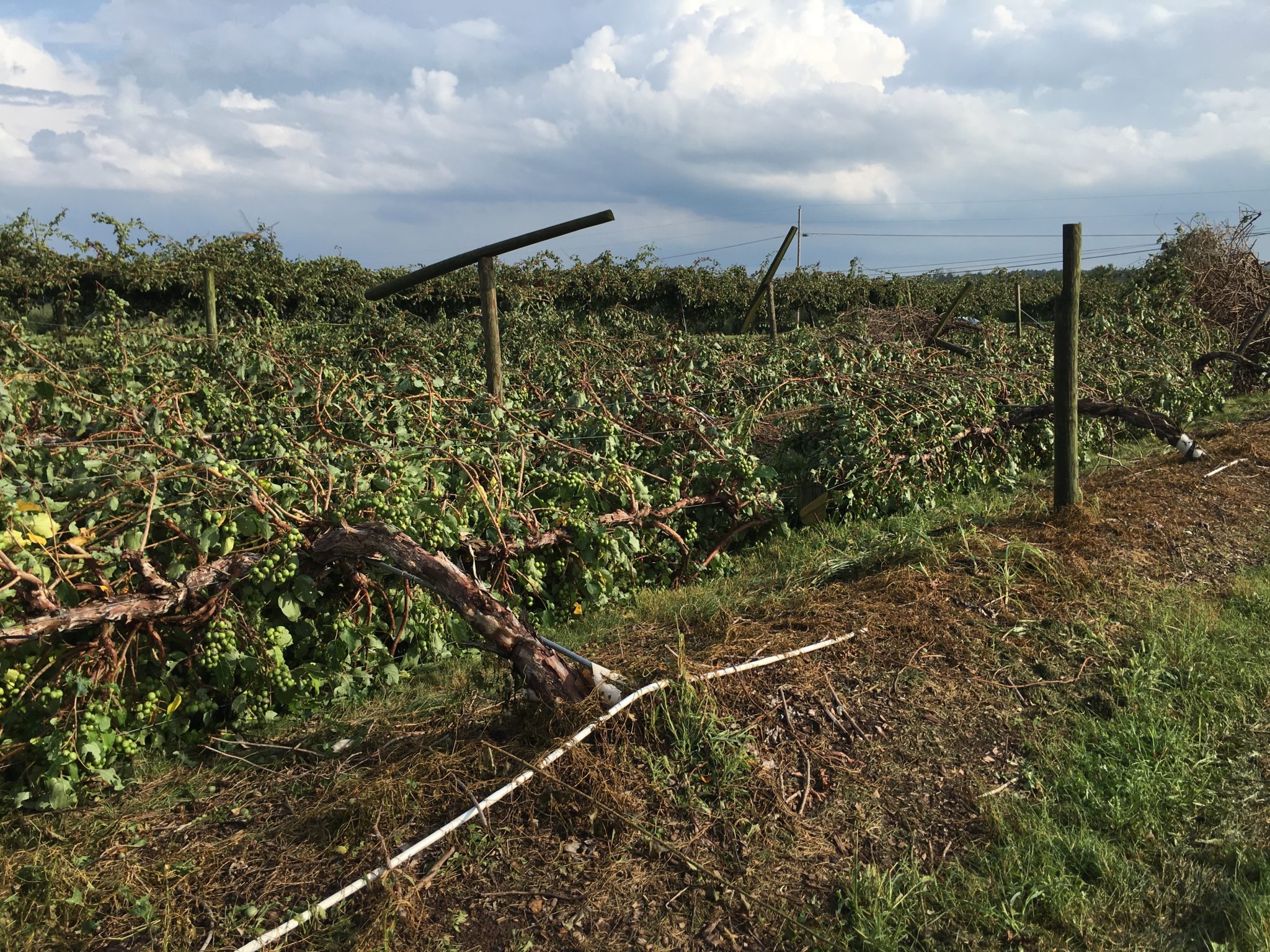
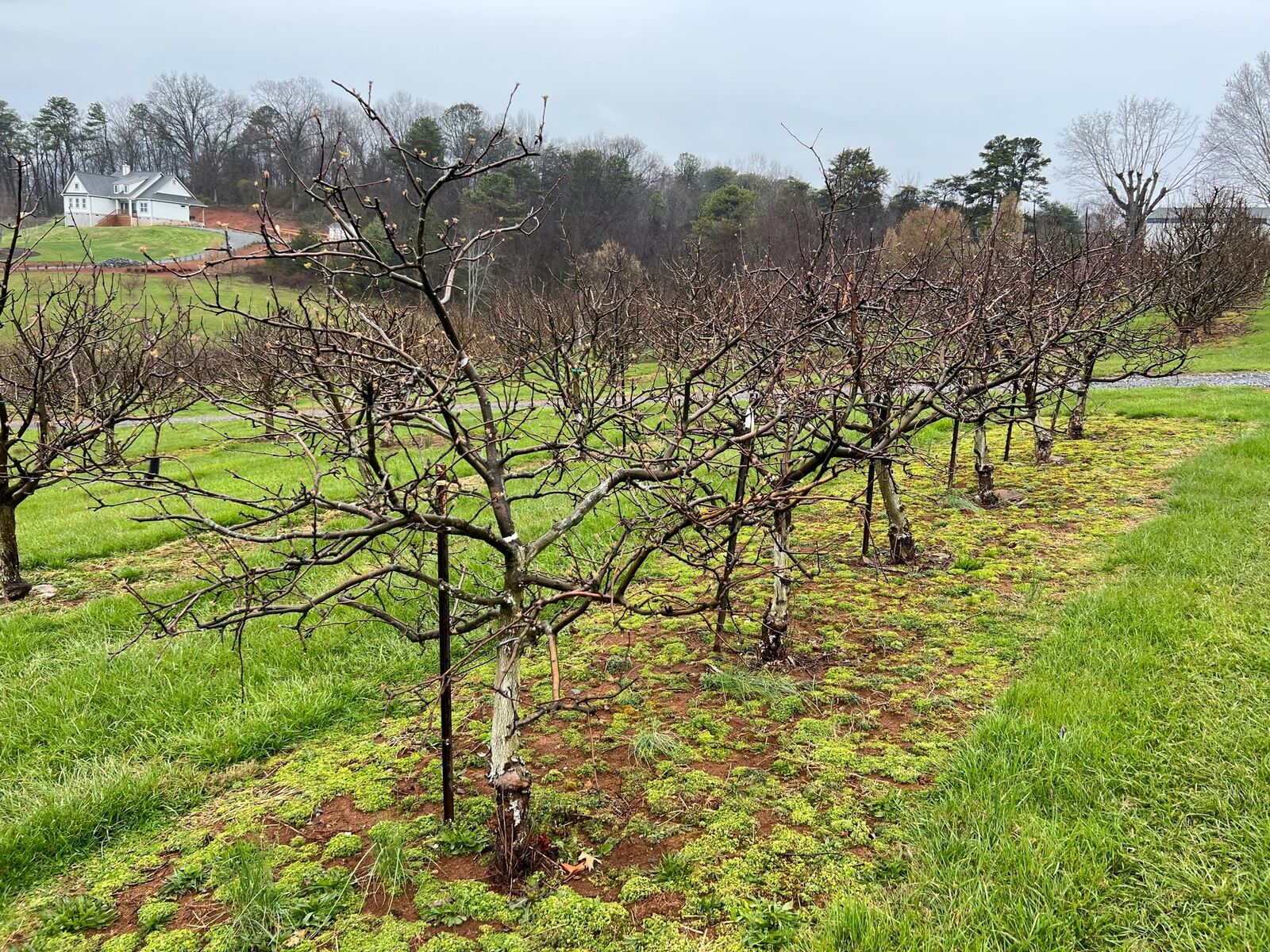
After the sub-zero temperatures at the end of April, Saxony's fruit and wine growers are facing huge harvest losses. A decision on support for the farms is to be made in the coming weeks.

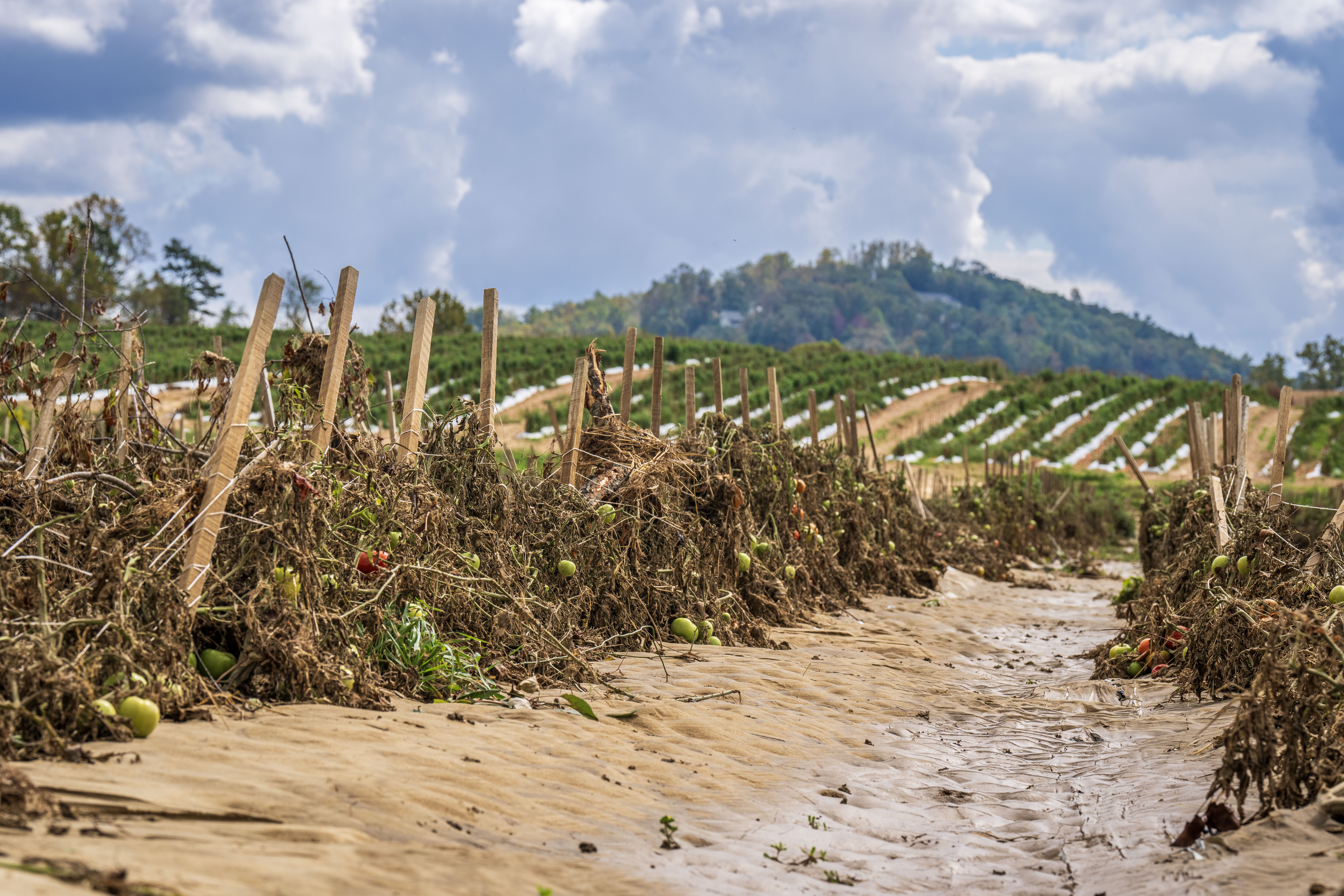
Minister of Agriculture Wolfram Günther (Greens) has described the situation of fruit and wine-growing businesses after the frosty nights at the end of April as catastrophic. The economic damage could not yet be quantified, he said in a statement on Tuesday. "Nevertheless, it is clear that the losses from the 2024 harvest in fruit and winegrowing will be huge." According to the statement, Günther informed the cabinet on Tuesday about the frost damage that had occurred and further steps to be taken.

The Ministry of Agriculture is therefore examining support options together with other departments. The cabinet is expected to make a decision on this in the coming weeks. Saxony is also coordinating with other affected federal states about the expected damage and possible aid programs, said Günther. "A corresponding overview could form the basis for requests for support from the federal government."

In the night of April 23, temperatures in Saxony's fruit and wine-growing regions dropped to as low as -7 degrees Celsius at ground level for several hours. Although night frosts are not unusual in the second half of April, the previously warm temperatures meant that the fruit trees and vines had started flowering particularly early and were already well advanced by the end of April, making the plants particularly susceptible to damage. The Saxony & Saxony-Anhalt Fruit Growers' Association recently estimated the crop loss at between 50 million and 70 million euros. Managing Director Udo Jentzsch spoke of a total loss. The Saxony Winegrowers' Association also expected considerable damage to the harvest. Chairman Felix Hößelbarth expected losses of 90 to 100 percent at the end of April.

Source - https://www.diesachsen.de

22.04.2026

Bangladesh - PM rolls out master plans for 'smart agriculture'

Technology-driven modern farming is in sight in Bangladesh as Prime Minister Tarique Rahman Wednesday unveiled a set of master plans to implement "smart agriculture" initiatives for boosting agricultural production, diversifying farm products and addressing climate-change impacts.

22.04.2026

USA - Capital Farm Credit acquires Ag Crop Insurance Agency

In an effort to provide the best risk protection for ag producers in the High Plains region of Texas, Capital Farm Credit has acquired Ag Crop Insurance Agency.  

22.04.2026

Ukraine - Kherson Farmers Awarded 237.5 Million Hryvnias for Damaged Crops

According to Мін. Економіки: Agricultural producers in the Kherson region have received a total of 237.5 million hryvnias in compensation for crop damage. 

22.04.2026

USA - Game Commission Expands Crop Damage Programs

The Pennsylvania Game Commission took action to further address crop damage issues during its quarterly meeting on April 11.

22.04.2026

India - Unseasonal rains damage crops, farmers stage rasta-roko in Chegunta

Farmers in Chegunta mandal of Medak district blocked a road demanding compensation for crops damaged by unseasonal rains and gales. Officials reported damage to over 4,700 acres of paddy, while concerns remain over further losses due to predicted rainfall.

22.04.2026

Bangladesh - 2,483 farmers in Barguna get crop security insurance money

The insurance claim payment process has been completed among farmers who have taken crop safety insurance under Aman Product-2025 in the coastal district of Barguna. Out of a total of 3,324 insured farmers, 2,483 farmers have received insurance benefits worth about 1.1 million taka.

21.04.2026

New Zealand kiwifruit crop avoids major cyclone damage

Kiwifruit growers in New Zealand appear to have avoided a major impact from Cyclone Vaianu, which hit the east coast of the North Island this month. 

21.04.2026

Africa achieves first gene-edited grapevine using CRISPR for disease resistance, drought tolerance

A resistant grapevine reduces chemical input costs and crop loss.