A multi-national consortium of researchers and policymakers in Ghana is positioning regenerative agriculture as a new frontier for investment, farmer revenue growth and data-driven innovation within the agricultural economy.
As food demand rises, soil fertility declines and climate threats continue to affect smallholder farmers in Ghana and across the continent.
The new collaboration seeks to advance research into sustainable farming practices that would protect the environment and increase agricultural productivity.
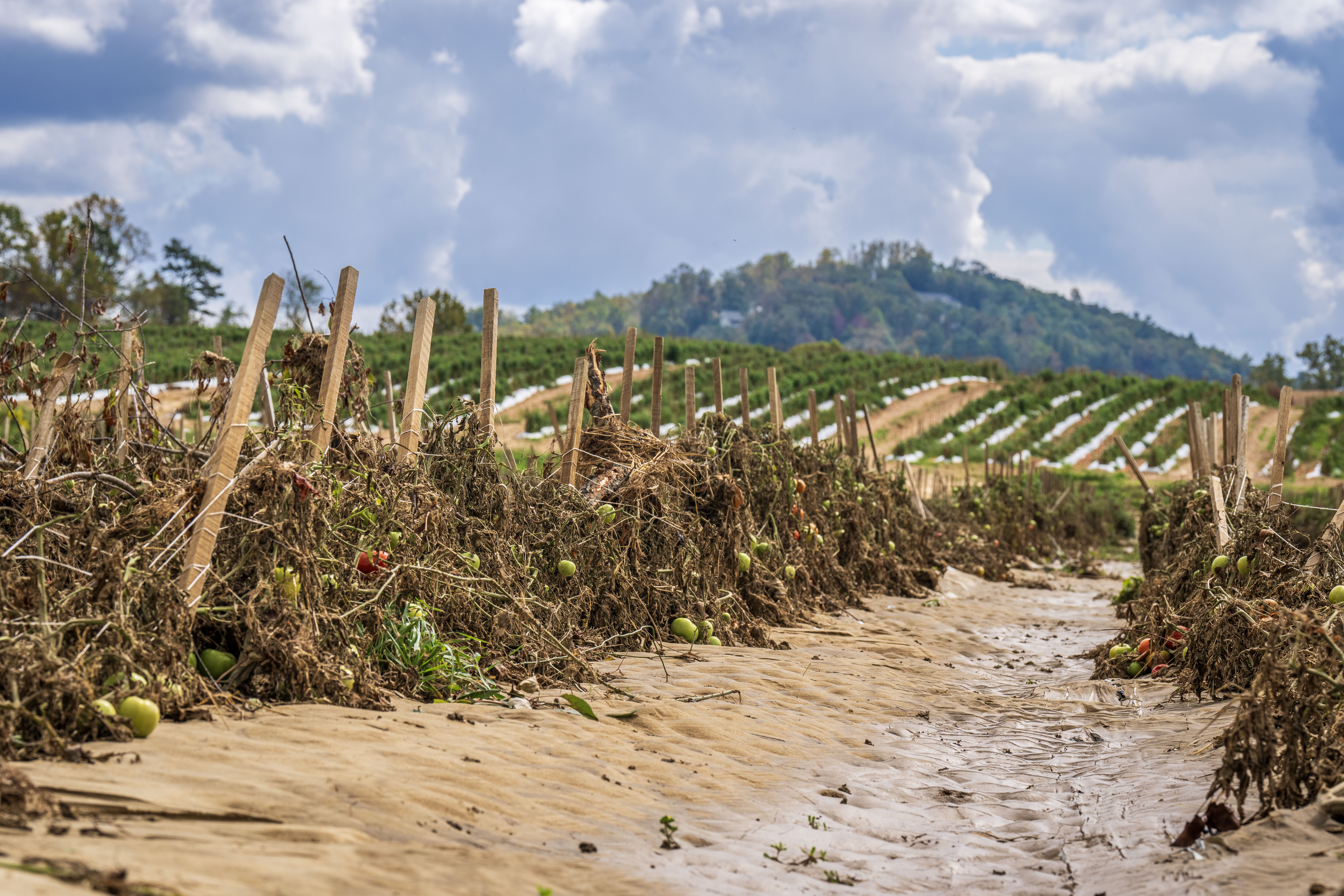
Available data suggests that the agriculture sector contributes about 11% of greenhouse gas emissions globally. This is attributable to the poor farming practices, including overutilization of fertilizers and the slashing and burning of farms.
These environmental challenges are prompting calls for regenerative agriculture – a holistic farming approach focusing on soil health restoration, biodiversity conservation, and ecosystem improvement while promoting sustainable agricultural practices.
The first European Joint Program (EJP) C-arouNd project workshop aims to investigate how short and long-term agricultural management practices affect soil organic matter persistence in the soil profile.
The project seeks to contribute to the inclusion of the effects in national inventories to inform policy to reduce net greenhouse gas emissions and mitigate global change.
Convener of the EJP C-arouNd project, Dr. Caleb Ocansey, explained that regenerative agriculture introduces practices that help farmers store more carbon in the soil while improving crop performance.
“We are looking at local nature-based solutions that can help retain more carbon in the soil,” he said. “When farmers keep biomass on the land, they filter the environment and store carbon. The extra things farmers are doing for the environment must benefit them.”
Dr. Ocansey added that financial rewards through carbon credits could provide an additional income stream as he emphasised the need for government support in developing a traceable and authentic system to measure carbon storage.
“Farmers must be able to monetize these environmental services, and that requires a transparent system,” he noted.
He further stressed the importance of delivering farm inputs on time and providing real-time advisory tools that farmers can access in local languages.
Dr. Abad Chabbi, Co-principal Investigator, revealed that the European Joint Programme aims to consolidate global soil data, particularly from regions where information is limited.
“We need to bring all of this data together to run accurate models and reduce uncertainty,” he explained. “The climate change crisis does not affect one country alone, so we must learn from each other. The data collected through the programme remains open-access because there is no economic business behind this the law prohibits us from selling it.”
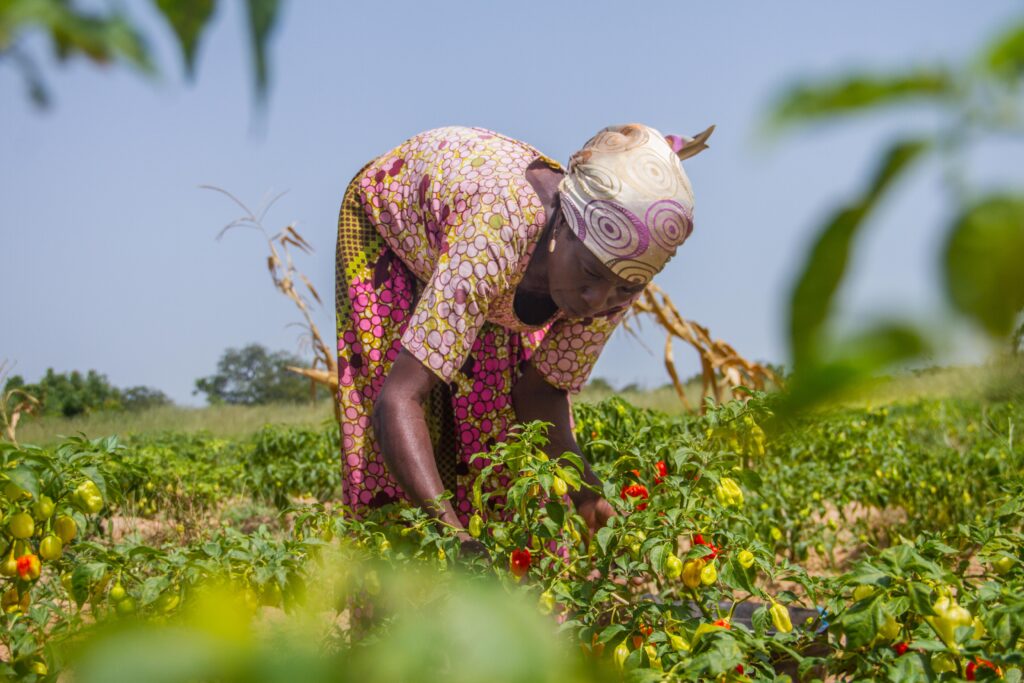
Addressing financing concerns for climate action, Dr. Hupenyu Allan Mupambwa of the University of Namibia underscored the importance of investing in climate adaptation to benefit smallholder farmers.
“The climate is definitely changing, and smallholder farmers are the most affected because they are not able to adapt,” he said. “Research gives us information that helps farmers survive under changing conditions.”
He further stated that science backed policy will guide governments on where investments will yield economic returns, helping the continent meet Sustainable Development Goals, including Zero Hunger and Climate Action.
Head of Crop and Soil Sciences at the Kwame Nkrumah University of Science and Technology (KNUST), Professor Vincent Logah, warns that a growing human population will intensify food demands, stressing the need for sustainable food systems.
He noted that Ghana’s indigenous farming knowledge can be strengthened with modern science to improve soil carbon stocks and diversify cropping systems.
“As we grow in population, food demand will increase. We must crop sustainably so that our systems are not degraded,” he noted.
The researchers are upbeat that regenerative agriculture can create new revenue opportunities through carbon credit schemes, reduce fertilizer costs, improve yields, attract private and donor investment, and support the development of agritech tools powered by integrated soil data.
The programme’s collaborative research approach is expected to shape stronger agricultural policies, improve farmer livelihoods and position regenerative agriculture as a sustainable and profitable business pathway for Africa’s growing food economy.
Source - https://www.myjoyonline.com