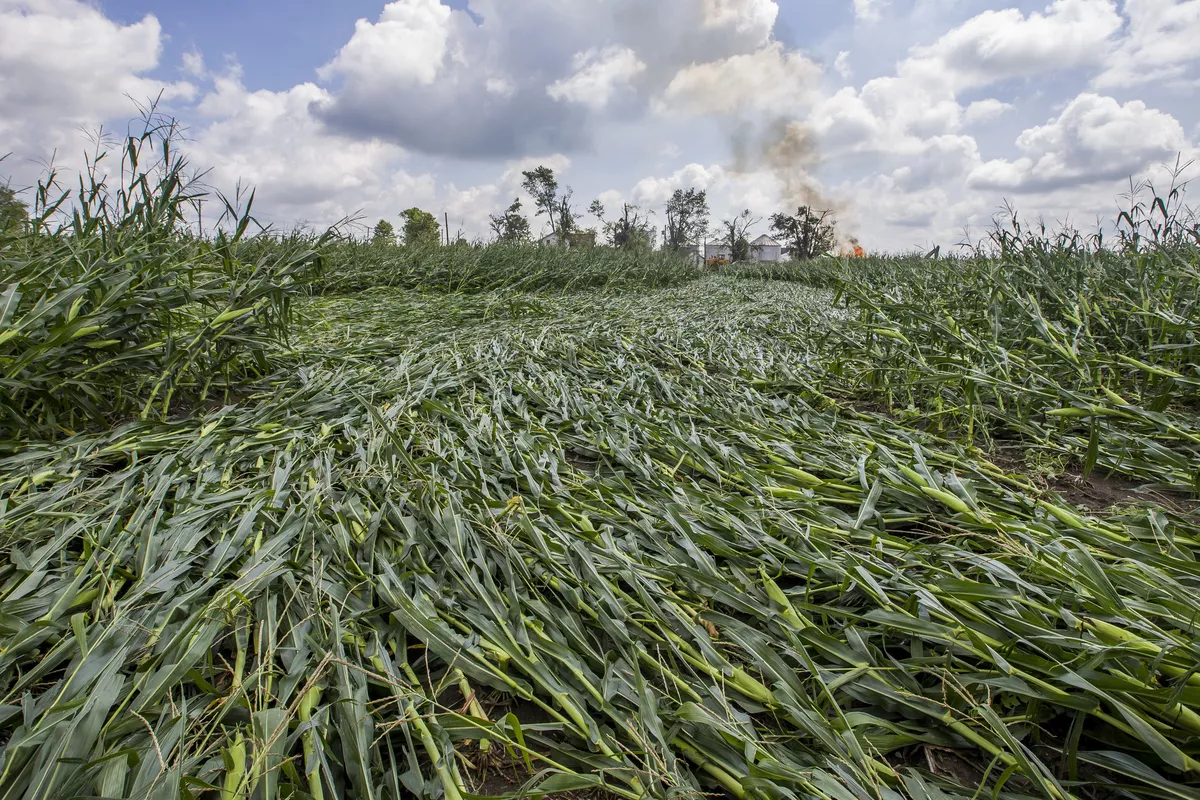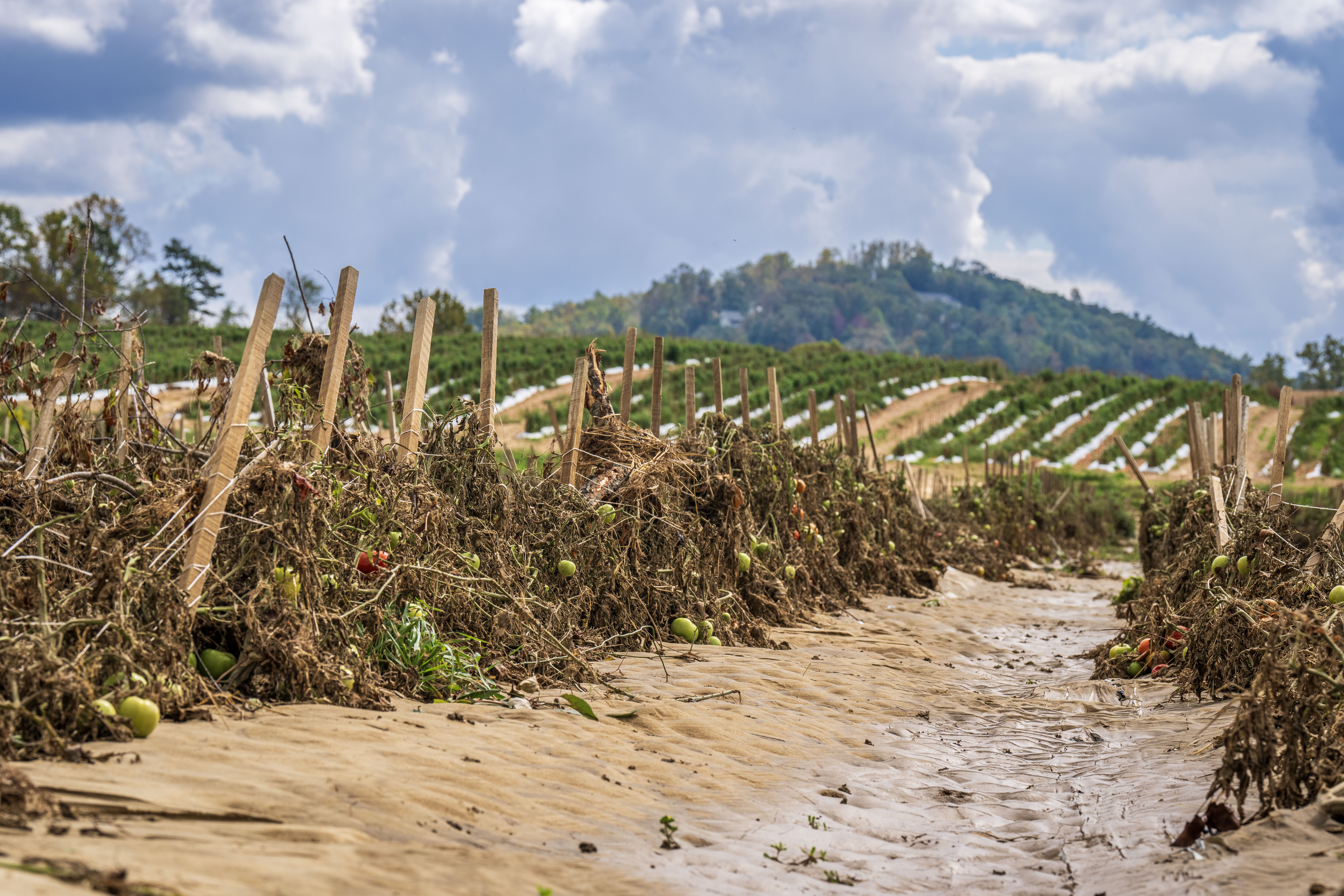
Till the morning of November 26, the grape farmers in Nashik were expecting a bumper harvest that would help recover previous crop losses. However, nature had a different plan in store for them. In 30 minutes, the standing lush green farms turned into ruins as hailstorm, described by many as unprecedented, hit the region.
On that fateful afternoon, the tranquil skies over Nashik turned ominous as a sudden hailstorm, contrary to the India Meteorological Department’s (IMD) forecast of heavy rains, swept through the region. The merciless hailstones – some as big as a tennis ball - pummelled the lush grape vineyards, dashing the hopes of many farmers. Over 30,000 hectares of farmland bore the brunt of the nature’s fury with some grape growers staring at 100% loss.
“Had it only rained without hailstorm, there was still some hope. In a few minutes, everything was over in front of our eyes,” said Vinayak Kushare, a 65-year-old grape grower from Raiwalas Pimpri village in Niphad tehsil, the ground zero of destruction. The fruit was almost ready for harvesting in his 2.5-acre farm and he was looking forward to export it by December-end.
Kushare, like many others here, had invested almost ₹2.5 lakh per acre in the past few months expecting a five-time return that could help recover the losses incurred in the past 10 years due to nature or other reasons.
“Sometimes, I ignored my child’s demand and put that money in farming expecting a bumper crop that will help my family,” said Vikas Aware, another small farmer from neighbouring Ojhar village. Along with his father Pujaram Aware, Vikas their 2.5-acre farm suffered 75% loss.
“How will we be able to clear ₹8 lakh loan borrowed from bank?” Vikas said.
The farmers are left with no option but to cut the plant from trunk and allow it to grow again and bear fruits.
Beating the odds
The resilient grape growers in Nashik have toiled at their farm after facing unpredictable weather patterns, uncertain demands, demonetisation, Covid and other obstacles in the past 10 years.
According to Kailas Bhosale, chairman, Maharashtra grape-growers association, the farmers overcome the setbacks pinning their hopes on a bumper crop that will help offset their past financial setbacks, running into lakhs of rupees.
“It was drought in 2012-13 that lasted for next 24 months, demonetisation in 2016-17, followed by heavy rains in 2019, 2021 and 2023. In between, there was Covid,” said Bhosale.
The perpetual struggle against adverse weather conditions and other hurdles have resulted in a disheartening and seemingly inescapable cycle. The optimism for a prosperous future for these farmers is often met with the harsh reality of uncontrollable elements, leading to continuous financial strain.
As Nashik’s grape growers navigate the balance between hope and adversity, the call for comprehensive support systems and long-term strategies becomes more urgent than ever, said Bhosale.
Wine capital
Nashik, known as the wine capital of India, produces 16 lakh metric tonnes of grapes on 1.75 lakh acre. This is almost half of the overall grapes grown in Maharashtra that produces 35 lakh metric tonnes on 3.5 lakh acres, according to the state agriculture department data.
Sunday’s unseasonal rain with hailstorm affected around 81,000 acres of which 74,000 acres were grape farms. Of the total grapes grown in Nashik, around 2 lakh metric tonnes are exported each year to countries, including Russia, Dubai, European nations, Bangaladesh.
Besides Nashik, Sangli, Solapur, Ahmednagar, and Pune also grow grapes. Last week’s unseasonal rains affected the farms in Solapur and Sangli districts too with farmers recounting same story.
The economic fallout from the hailstorm is not confined to individual farmers; it has broader implications for the local economy and the national agricultural sector.
Preliminary government estimated an overall loss of around ₹1,000 crore, a staggering figure that underscores the magnitude of the disaster. The loss underlines the need for proactive measures to break free farmers from the cycle of uncertainty.
“It will take farmers more than two to three years to overcome from this loss,” said Chhagan Bhujbal, member of state cabinet and guardian minister of Nashik district. Bhujbal, along with many government officials, visited the farms affected by the erratic climate.
Anil Patil, relief and rehabilitation minister, said a survey by the agriculture and revenue department is already undertaken to assess the loss and offer financial aid to farmers. “The loss is huge, and we will do everything possible to help farmers.”
Government aid
Farmers expect concrete steps.
“What the government proposes to offer is just farce. The ₹20,000 per acre financial compensation offered with several conditions will not even cover the pesticide expense,” said 36-year-old Ganesh Gaykhe, who grows grapes on 10 acres since the past few years. A major share of ₹15 lakh that Gaykhe invested in the farm this year is borrowed from financial institutions.
“I was hoping to earn ₹5 lakh per harvest, but lost the crop,” said Gaykhe, who exports grapes to Russia and Dubai. The immediate impact, according to traders, will be visible in the domestic markets, where reduced supply is likely to drive prices upward.
The disruption in the local grape supply chain, however, is unlikely to affect wine production. Most grapes used for making wine come from vineyards and are of different variety not affected in this season.
“Climate-resilient farming practices, technological interventions, and diversification of crops could be explored to reduce vulnerability to unpredictable weather patterns,” said Vikas Garudkar, horticulture expert.
For farmers, to diversify to another crop is not easy and poses equal climate risk.
“It’s true we have been suffering losses due to various reasons, including uncertain weather conditions. But changing the crop involves risk and the returns are not as profitable and timely as grapes,” said Amol Patil and his younger brother Mahesh, as the duo clears dry leftovers of grapes clinging on plants.
As Nashik’s grape growers look at steps to overcome the losses, authorities should take up measures to provide liquidity support, incentive, comprehensive support systems and chalk out long-term strategies to help farmers tide over the crises.
Source - https://www.hindustantimes.com