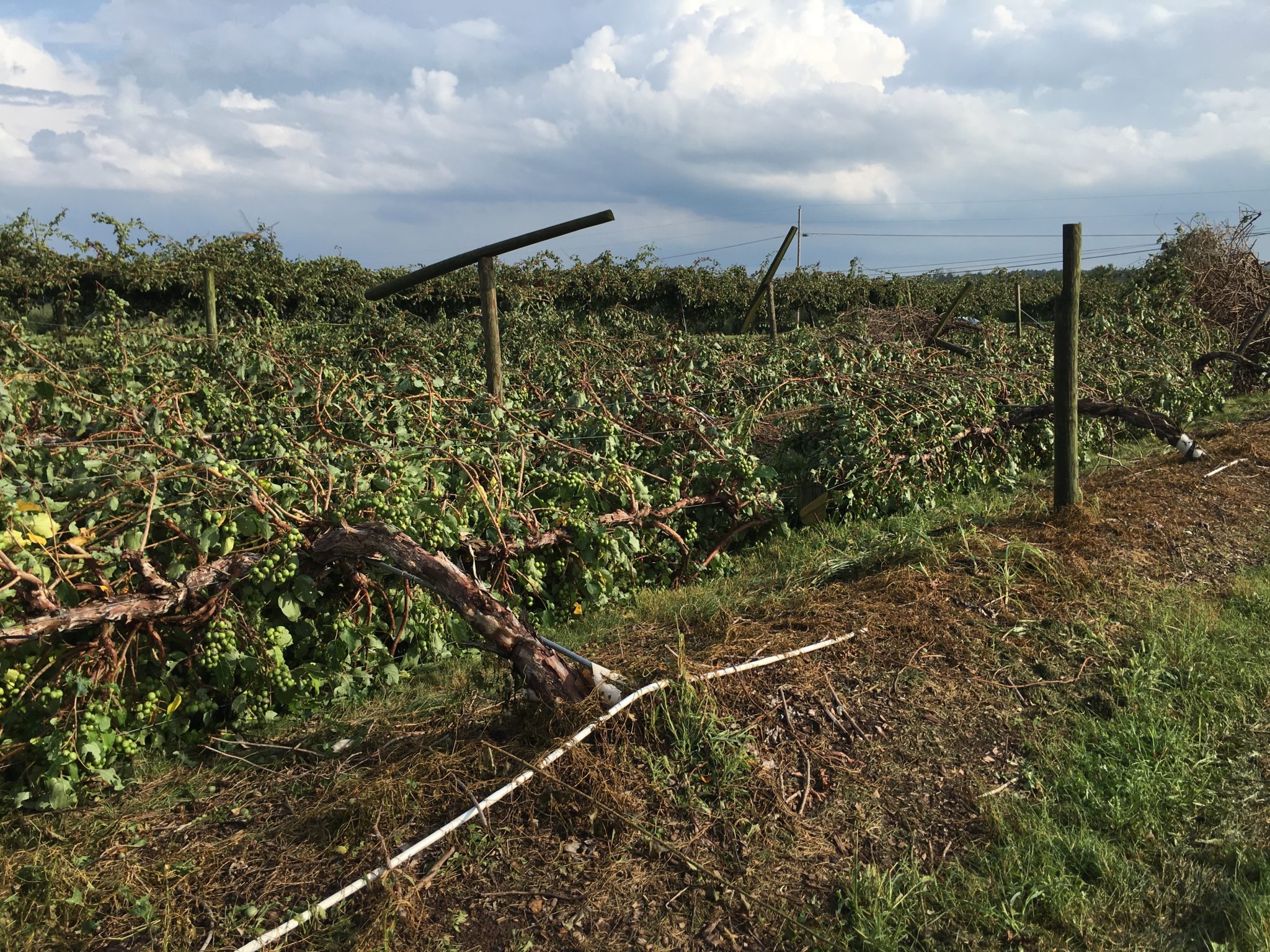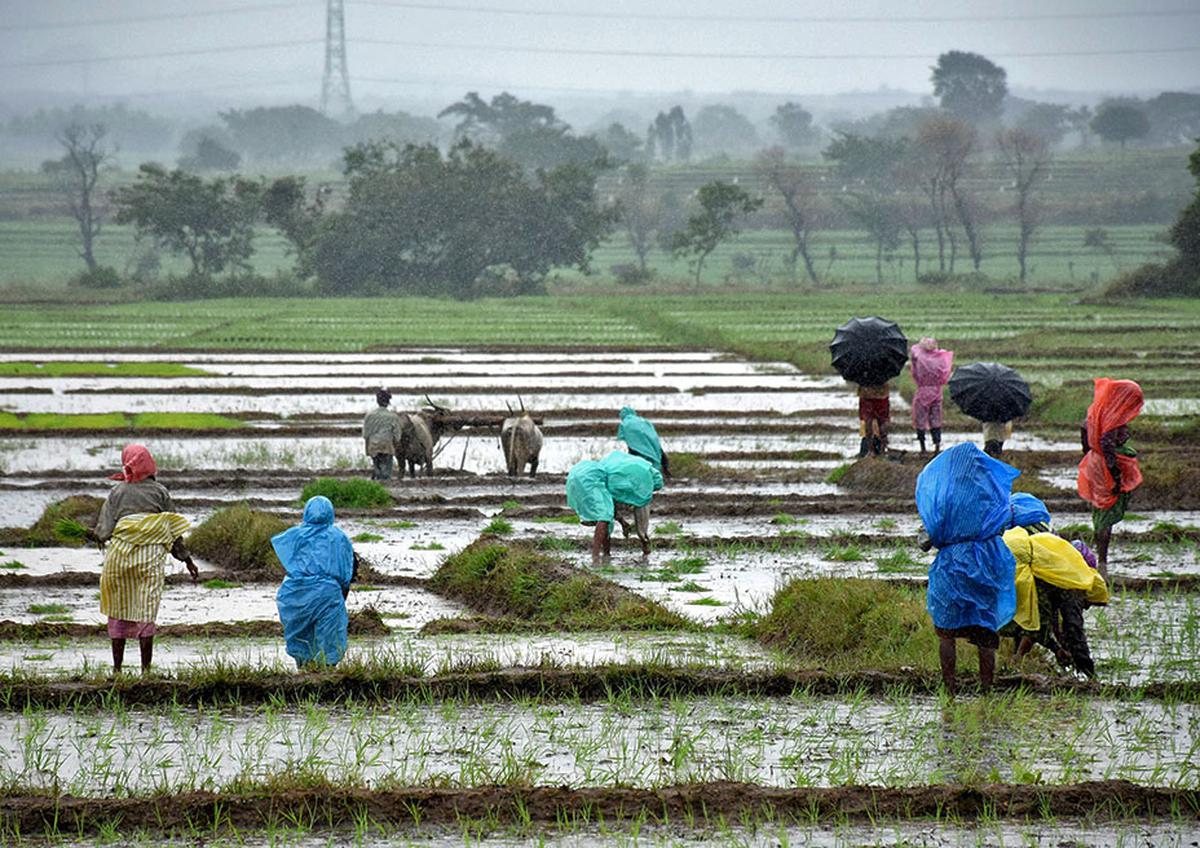
As vegetable prices continue to burn a hole in the common man's pocket, Ernakulam witnessed a huge crop loss of an estimated amount of Rs 26 crore in the heavy rains and strong winds in less than a month and a half, as estimated by agriculture department. Crops like plantain, tapioca, nutmeg and vegetables were destroyed, while rubber trees got uprooted due to heavy winds.
The estimated damage to the tune of Rs 26 crore was reported between June 8 and July 20.
Most of the crop loss was reported in the Nedumbassery area where a whirlwind-like situation was reported a few weeks ago. Crops on an estimated 5,000 hectares got damaged due to nature's fury at Nedumbassery with farmers suffering an estimated loss of Rs 7.33 crore during the period. In Aluva area suffered an estimated loss of Rs 5 crore. Least crop damage has been reported from Njarakkal
area, a coastal belt.
"Of the total crops that suffered damage, more than 90% constitute plantain crop. The actual loss can be known only when we receive applications for claims. Most of the time the amount would be less than the estimated figure. We registered the first information report based on the intimation shared by field officers," said an agriculture official.
As plantain farmers suffered a major loss, the impending Onam season will witness a price hike for home-grown bananas and value-added products from the crop.
Experts in the agriculture field say massive damage to crops in calamities will have adverse impact on internal food production. "As crops are damaged in natural calamities every year, people should acknowledge that climate change is happening. Threat from extreme weather events is already there.
What we need to do is mitigation adaptation methods to ensure food production is not impacted by extreme events," said Kerala state planning board agriculture division head S S Nagesh.
"A lot of research needs to be done on how to combat issues related to climate change. In view of this, suitable crops should be cultivated on suitable land instead of reclaiming paddy fields and cultivating rubber there. Sadly, farmers have not given much attention to crop suitability. We need to engage with agriculture more seriously keeping in mind that climate change will cause more problems, including disease outbreaks and pest attacks," he added.
Source - https://timesofindia.indiatimes.com