India - Delay in monsoon affects cultivation

14.06.2024 559 views

The delay in the arrival of monsoon has placed the fate of numerous farmers in Kendrapara district and its surrounding areas at risk.

Farmers who had begun ploughing their fields have been forced to stop work, and those ready to start are unable to proceed due to the dry conditions.

Typically, monsoon reaches Kendrapara by the first week of June, but this year, there has been no sign of rain-bearing clouds, said Arakhita Jena, a farmer of Marsaghai.

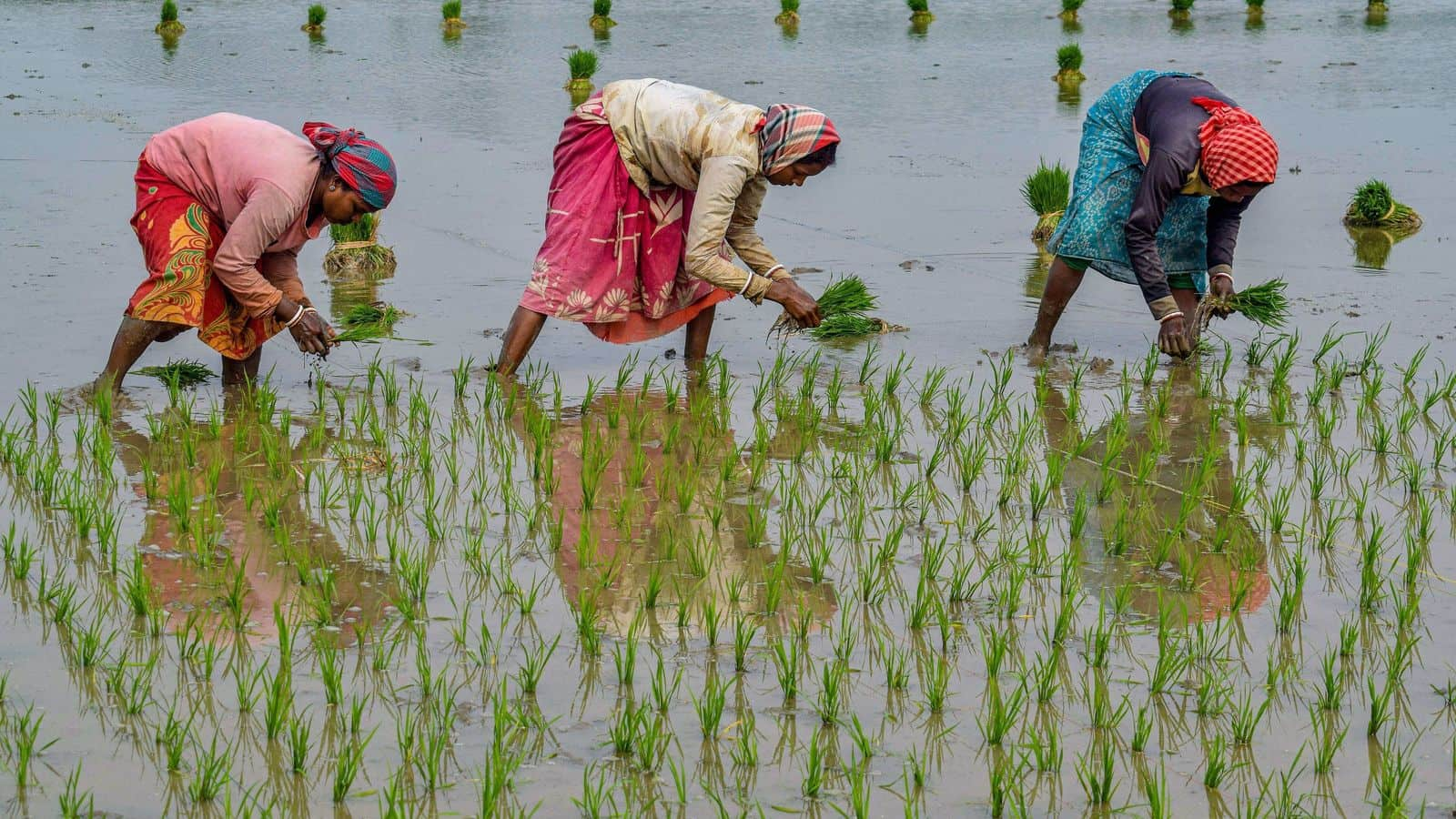
Reports indicate that the lack of rainfall this month, crucial for paddy cultivation, has led farmers to rely on underground water. Additionally, the non-supply of water through canals has made situation precarious.

Farmers’ leader Madhaba Chandra Das, stated, “Farmers in the district cultivate paddy on 1,24,600 hectare of agricultural land each year. The persistent hot and dry weather could affect several crops, including sugarcane, sunflower, and vegetables. Sixty-five per cent of farmers in the district depend on rain for cultivation.”

Sanjay Rout, a farmer from Gandakhia village, also expressed his worry over delayed monsoon. “Non-supply of water into the canals has added to the farmers’ woes,” he said.

Nandakishor Jena, another farmer from Patkura, attributed vulnerability of vegetable crops to the sweltering heat, especially new plantings that require extra care and watering. Amarbar Jena of Iswarapur expressed frustration of the farming community, saying, “Crop loss due to non-availability of water is a familiar problem. Farmers are angry as promises made by elected representatives to alleviate their suffering have proven hollow.”

In many villages, it is now common to see farmers sitting idle during the kharif season, a stark indication of the lack of farm work without rain.

Chief district agriculture officer (CDAO) of Kendrapara, Manas Kumar Chand, however, urged farmers not to panic, citing predictions from the India Meteorological Department (IMD) that monsoon rains will arrive soon. “We hope good rain will mitigate the farmers’ woes,” he said.

Source - https://www.newindianexpress.com

30.08.2026

Serbia's Drought Halves Crop Yields, Few Farms Insured

Drought in July and August 2026 cut yields by more than half in parts of Serbia, but only 15 percent of farmland is insured. A corn policy costs about 4,500 dinars per hectare.

30.08.2026

India - Maharashtra Approves ₹23.33 Crore Aid For 17,245 Farmers Hit By Crop Damage

The Maharashtra government has sanctioned ₹23.33 crore in relief for 17,245 farmers whose crops were damaged by floods, excessive rainfall, cyclones and hailstorms. 

30.08.2026

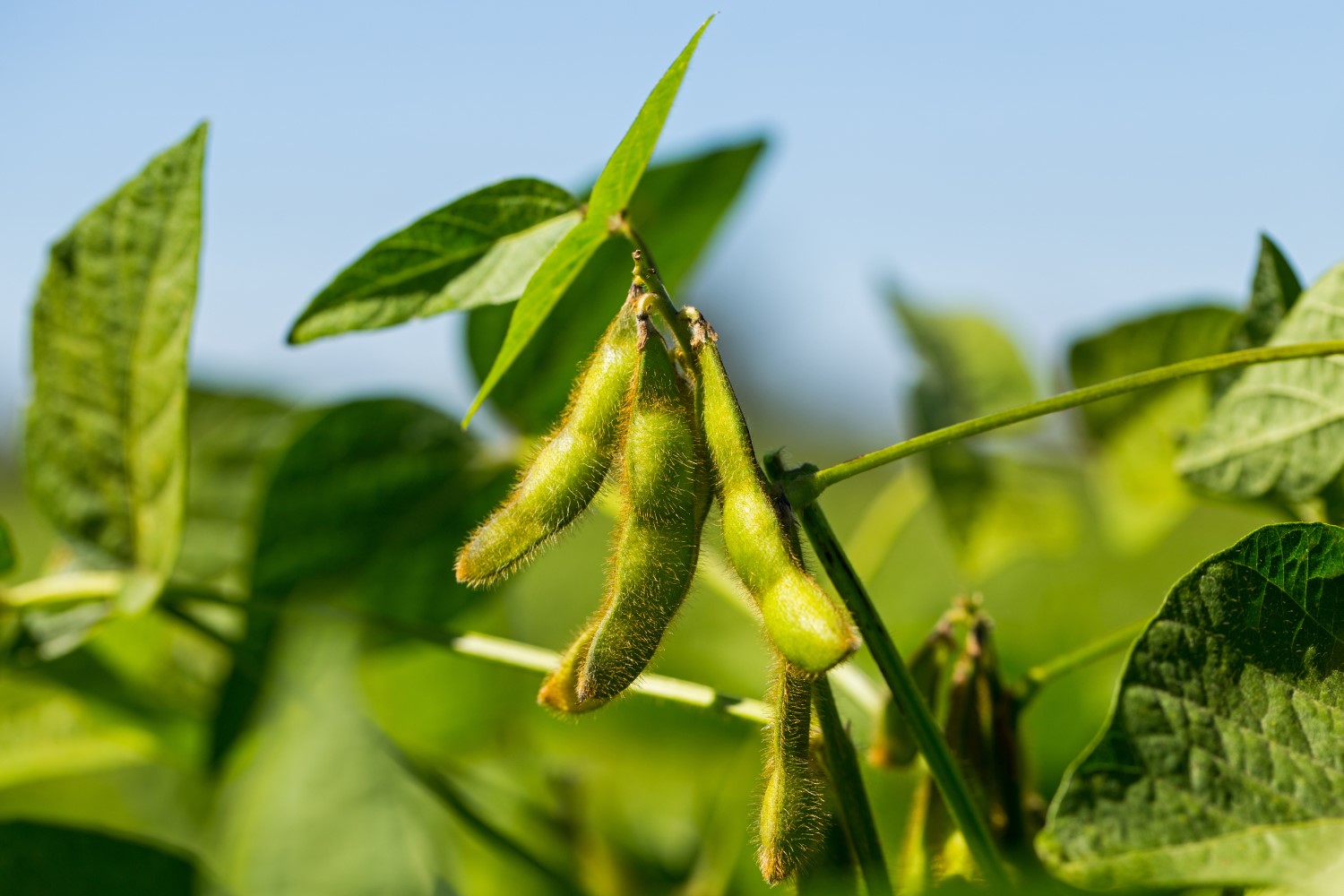
South Korea - Daedong launches soybean-specialized combine DSF85 to cut cracking, crop loss

Daedong has unveiled a new full-feed combine focused on reducing soybean cracking and crop loss during harvest.

30.08.2026

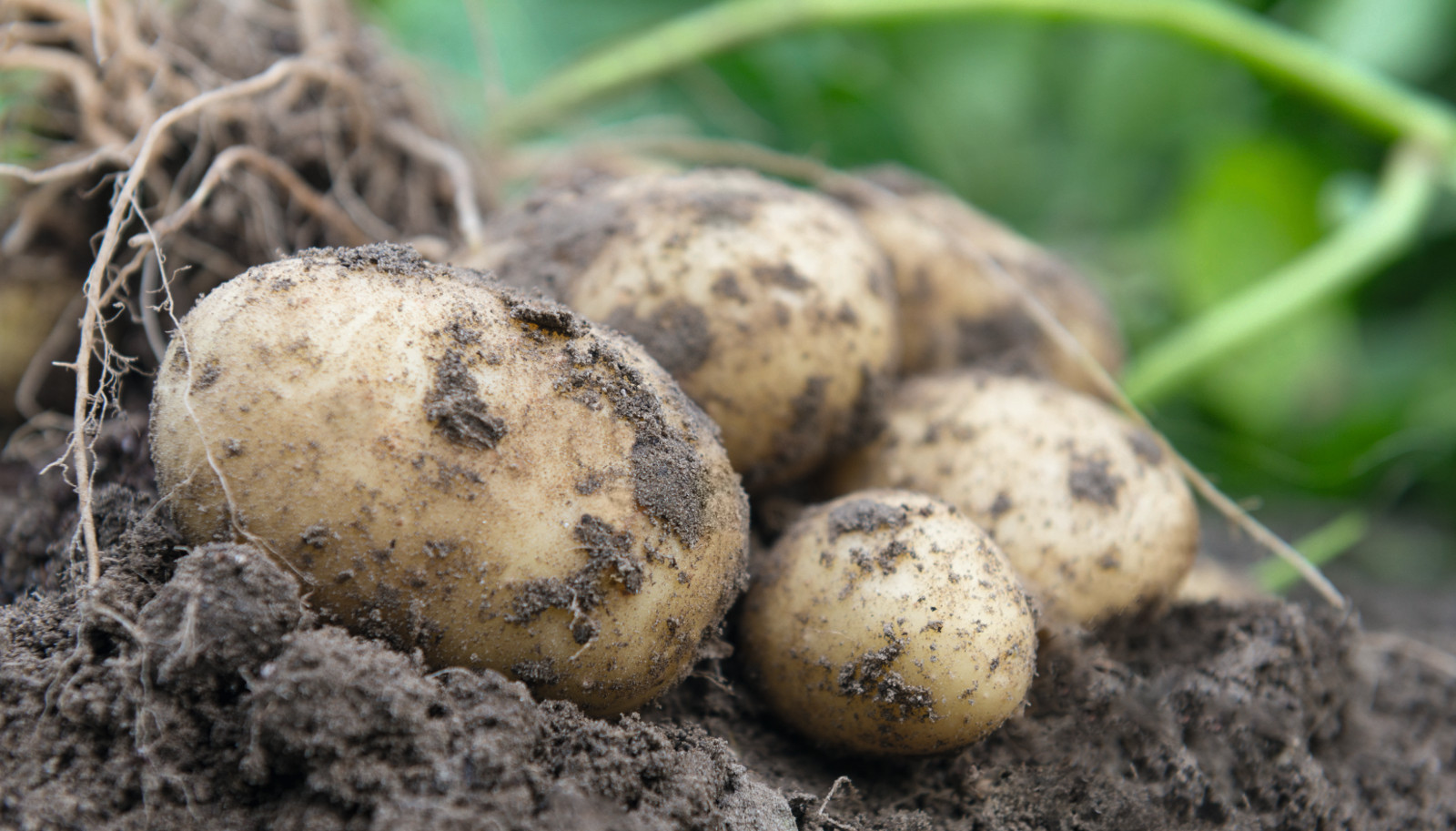
UK drought tightens its grip on potatoes, but scale of crop losses remains uncertain

England and Wales are experiencing an exceptional drought, with potato growers facing reduced tuber growth, irrigation restrictions and increasingly difficult harvesting conditions. The evidence supports serious concern—but not every alarming headline can yet be translated into a national crop-loss figure.

30.08.2026

India Overhauls Farm Insurance Scheme with AI and Satellite Tech

India is upgrading the Pradhan Mantri Fasal Bima Yojana (PMFBY) using AI, drones, and satellite mapping to accelerate insurance claim settlements. 

30.08.2026

Kenya turns to digital livestock IDs to improve animal health, traceability

The system will capture information including an animal’s origin, ownership, health status, vaccination history and movements.

27.08.2026

Crop Insurance Add-Ons Surge as U.S. Farmers Expand Subsidized Coverage Nationwide

U.S. farmers sharply expanded area add-on crop insurance in 2026 after federal subsidies rose to 80%, reshaping coverage and federal costs.

27.08.2026

China grain imports in focus as crop damage hits key producing regions

Extreme heat, heavy rain and flooding across key Chinese farming regions are putting global grain and cotton exporters on alert, as markets assess whether crop damage could increase China’s import needs.