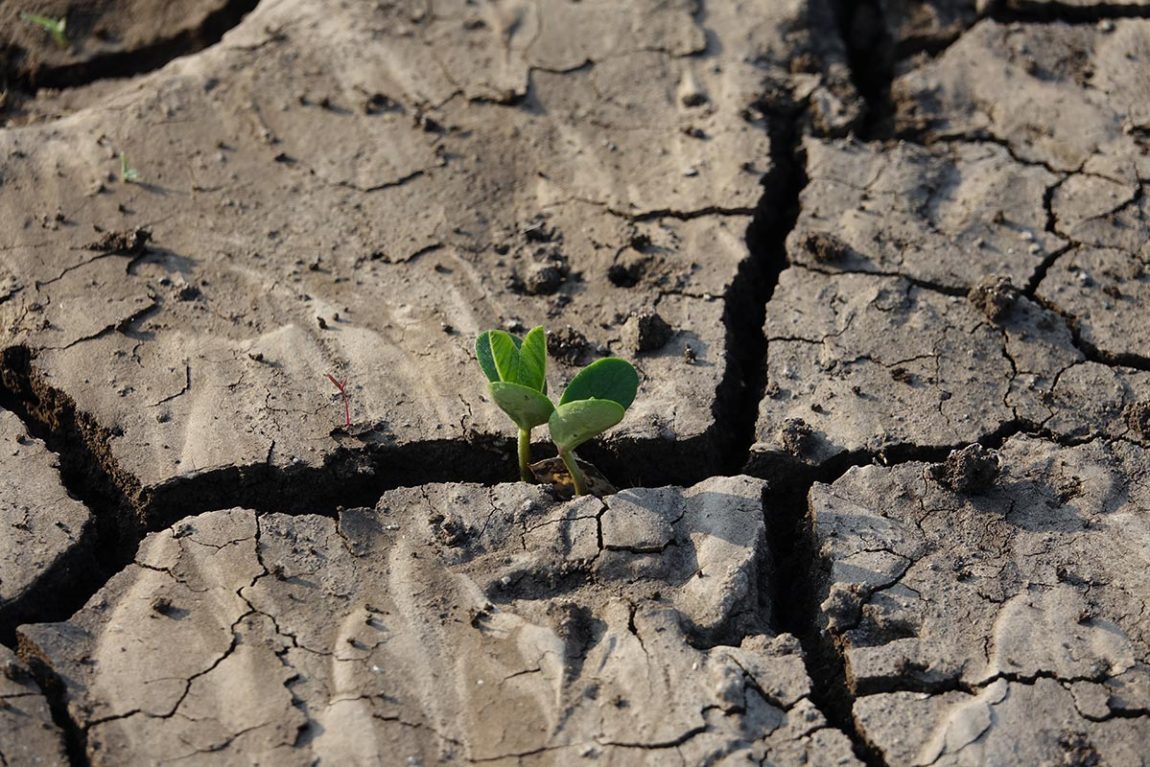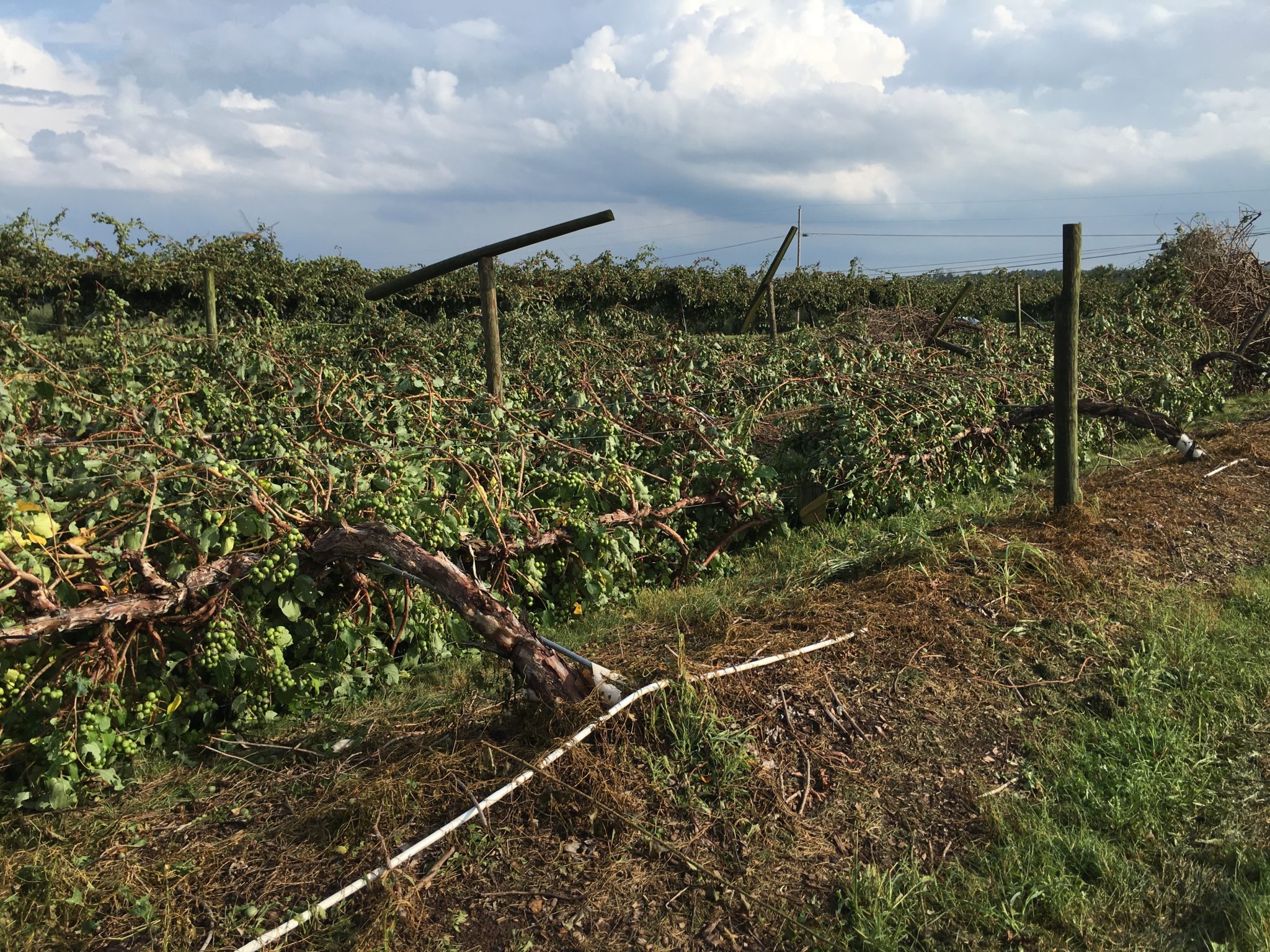
The dry spell across Kodagu is worsening by the day as the district has not received rainfall since January.
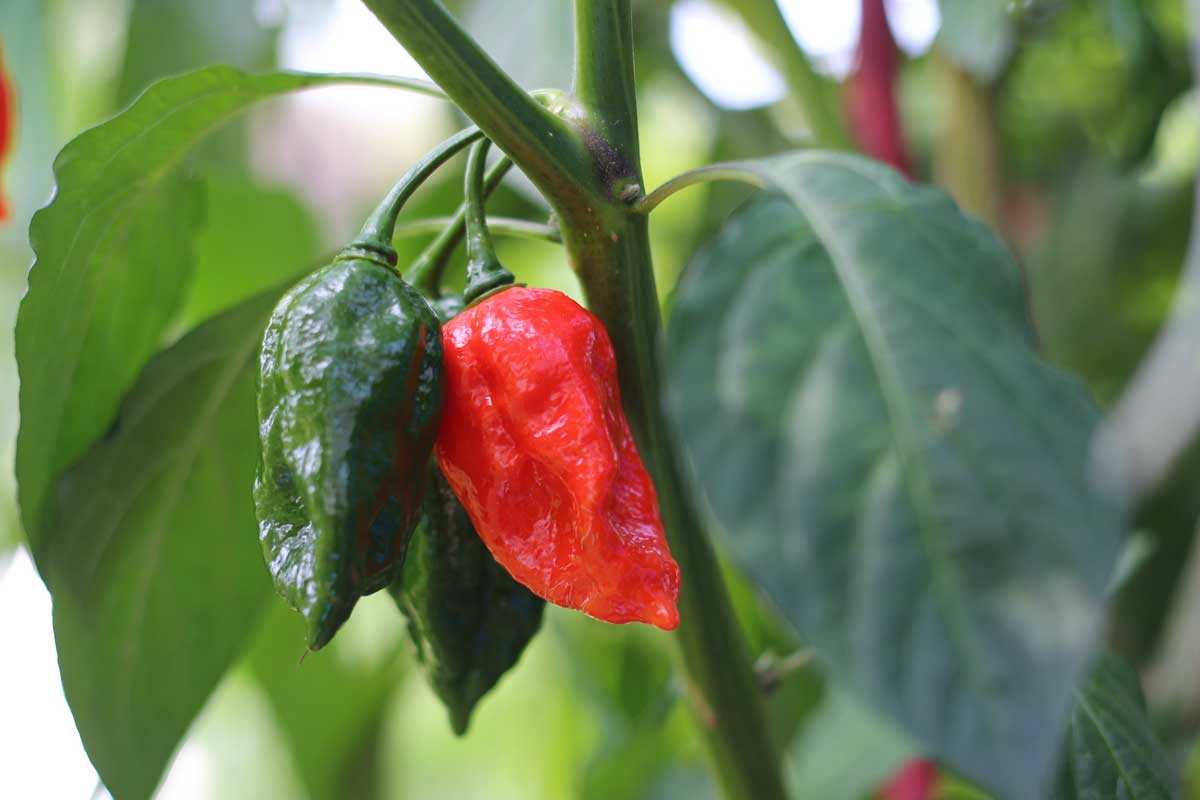
The spice crop of pepper, which recorded low crop loss last monsoon, is now severely threatened by the scorching heat. Despite this, some remedial measures could protect the crop from severe damage.
“The increased heat and drought situation will have an adverse effect on pepper vines. However, timely feeding of nutrients and other remedial measures can control the damage to the crop and protect the yield,” shared Dr. Anke Gowda, scientist and head of the Indian Institute of Spices Research (ICAR) at Appangala.
Pepper vines typically start yielding in three years, and according to research from ICAR, they reach their full yield potential in six years.
The vines usually start to flower in May and June, and irrigation when rains fail is crucial to saving the crop during this critical phase. Dr. Anke Gowda explained that pepper suffers due to a lack of soil moisture from March to May, a crucial period for flower primordial initiation. At least 70 mm of rainfall is required during this phase to trigger the flushing and flowering process.
“Any dry spell, even for a few days during the flowering process, will result in low yield. Low soil moisture, coupled with a high radiation load and high temperature, will result in severe wilting of vines, greatly affecting productivity,” he added.
While basin irrigation is necessary to retain soil moisture, many small growers are unable to implement this due to the current water crisis, including drying up of groundwater and the absence of blossom showers. With restrictions imposed by the administration on drawing water for irrigation from rivers, growers are at a loss on how to save the pepper vines.
“Water harvesting and recycling should be integral parts of spice production, particularly in rain-fed production systems. The practice of mulching conserves moisture in rain-fed systems. Adoption of soil and water conservation practices, use of technologies such as crop varieties resistant to drought, planting techniques, mulching the plant basins, lime spray during summer, micro-irrigation, re-adjustment of cropping and nutrient application patterns, adjusting planting/harvesting depending on rainfall, and prioritization of areas to be brought under irrigation would help realize higher yields under limited water availability,” explained Dr. Anke Gowda.
He emphasized the importance of applying anti-transpirant spray, including 1.5% lime spray, to increase photosynthesis in plants with minimal water loss. However, adopting soil and water conservation alongside rainwater harvesting, coupled with other water-saving techniques, is crucial in Kodagu to save crops, especially in the future.
“Optimum utilization of water, strictly based on the crop's needs, especially during the summer season, will help sustain crop production and enhance water productivity under limited water availability,” he opined.
Source - https://www.newindianexpress.com