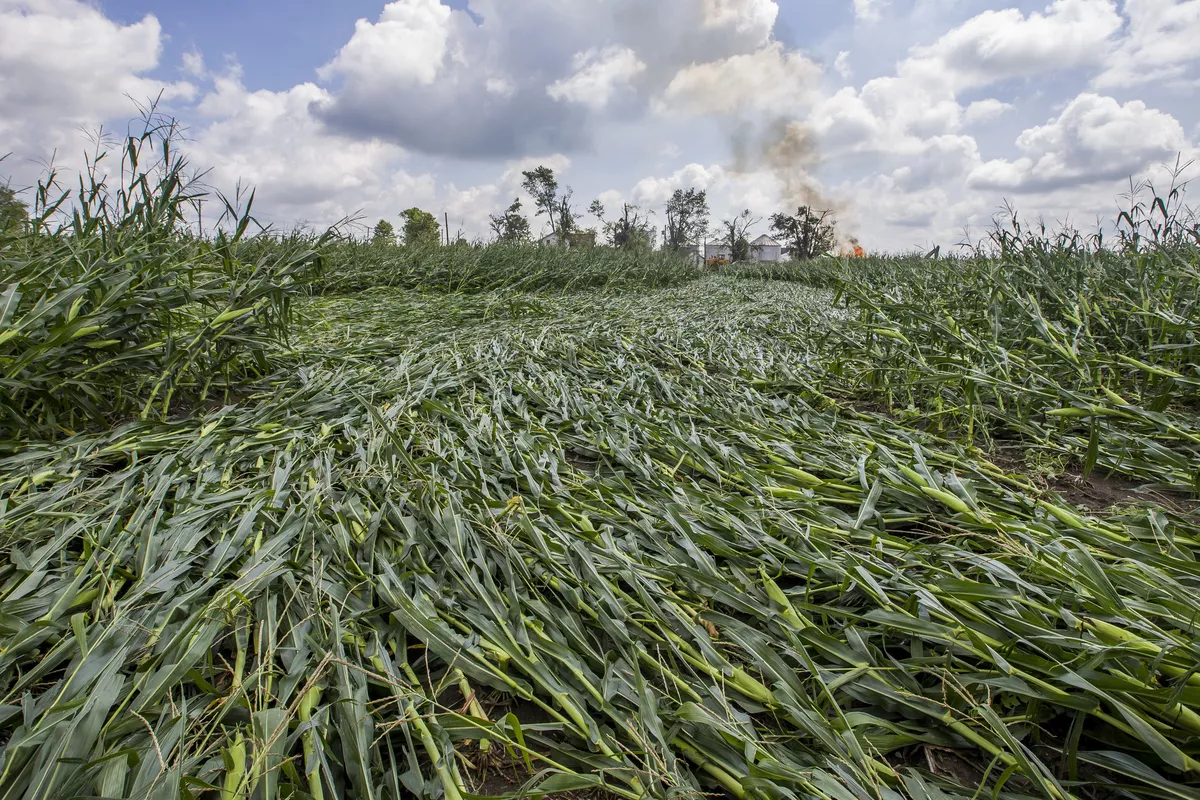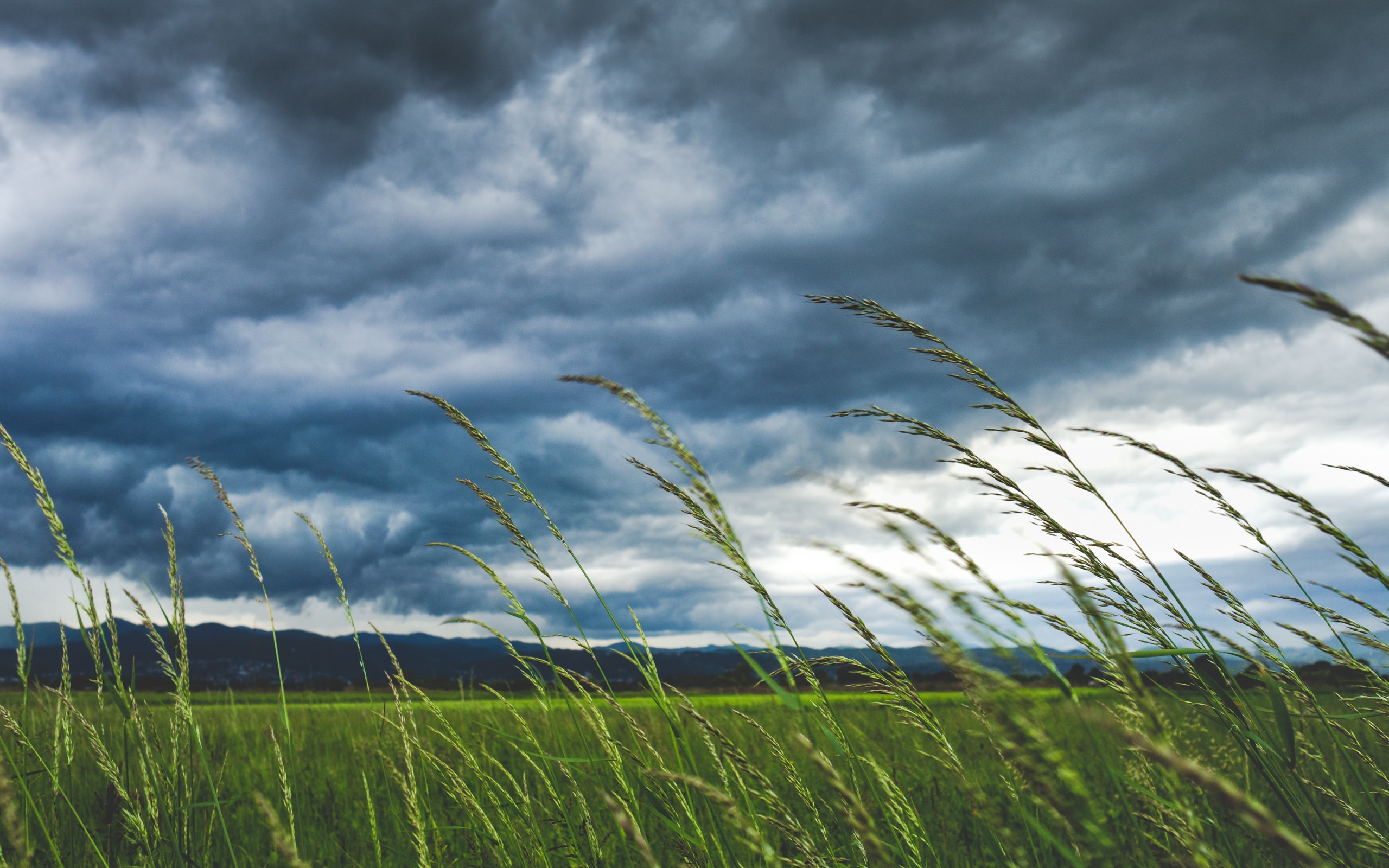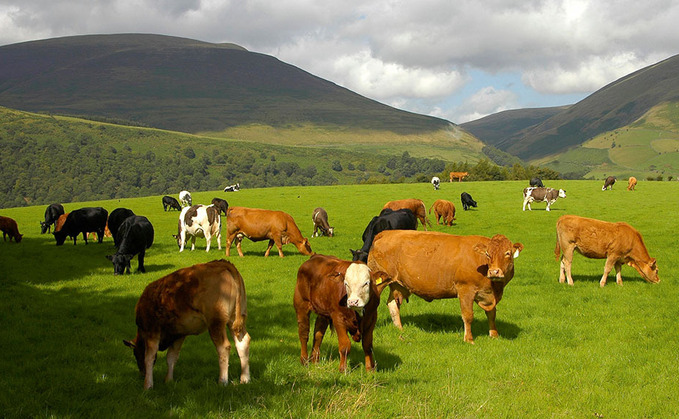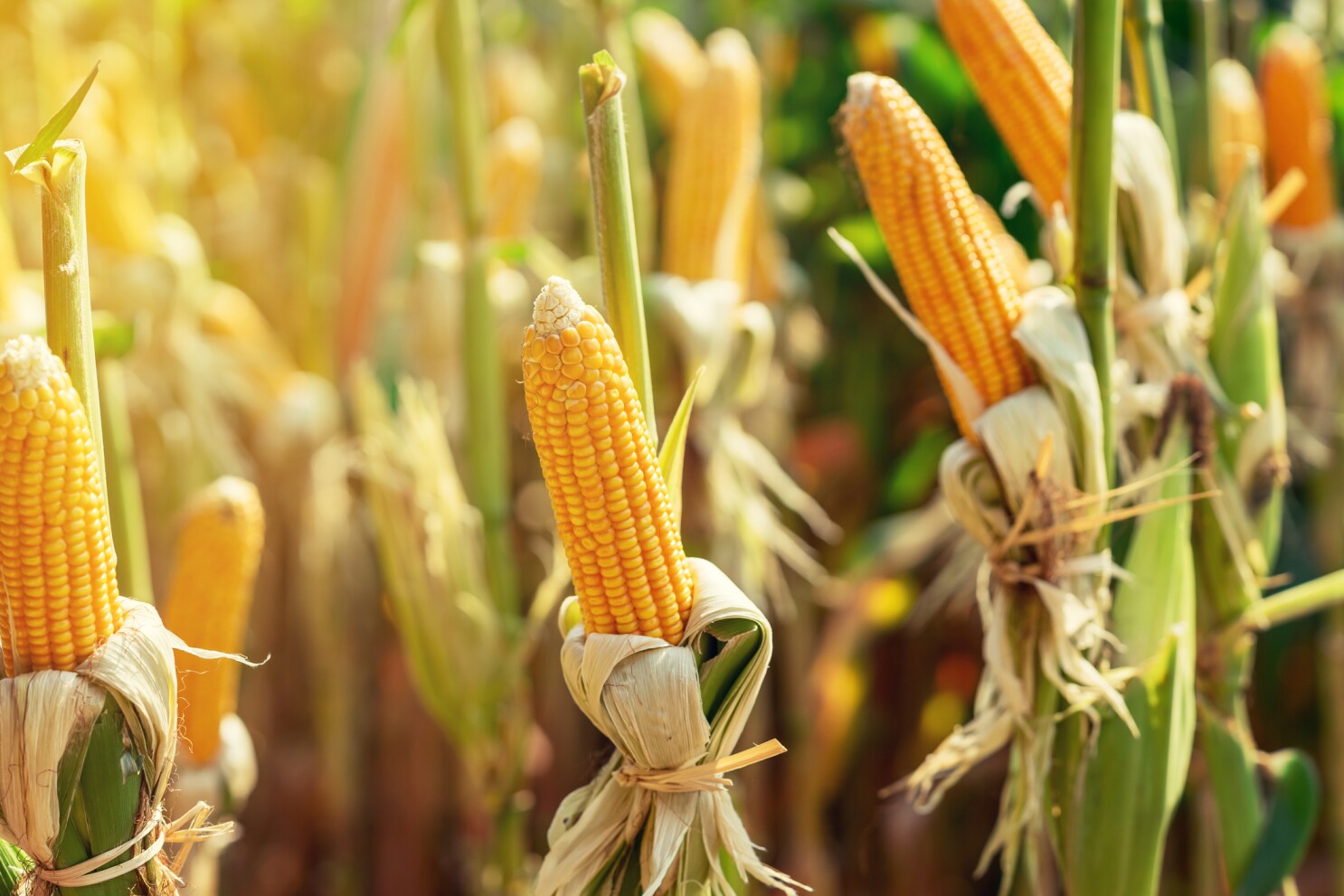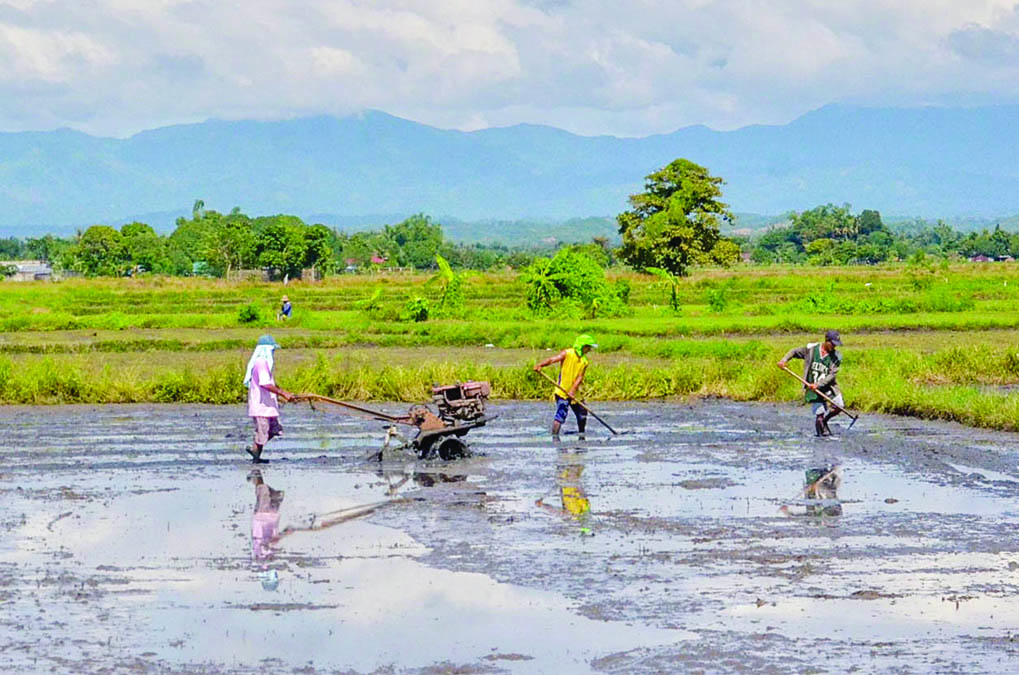
Due to the increasing use of fossil fuel resulting in global warming, problems like change in weather patterns and heatwaves are impacting agricultural production and people of the coastal state of Goa.
Hence, environmentalists suggest planting indigenous trees and taking other measures to counter the effects of climate change on the lives of the people and the environment.
According to experts, the number of vehicles in Goa has increased, resulting in major carbon emissions in the state.
Speaking to IANS, noted environmentalist Rajendra Kerkar said, “The way we are using fossil fuel is adding to global warming. In Goa, the number of vehicles is continuously increasing and as a result, carbon emission has increased.”
He said that emission levels can be controlled by planting indigenous trees which in turn will act as an carbon sink.
“People don’t focus on these plants which can help us to get rid of this problem. We need to plant trees which can help in soil conservation and also protect us from air pollution,” Kerkar said.
“We need to study what type of trees were planted earlier and should follow that. Nowadays we are using a lot of electricity that is mostly generated from coal-based thermal power plants. This adds to the problem,” Kerkar pointed out.
Last year in March, taking a serious note of a heat wave alert by the India Meteorological Department, the Goa Education Department had decided to shut schools before noon for two days.
The maximum temperature of Goa was 4-6°C higher than normal and daytime temperature in the capital city was 38.4°C in March.
The Government said that heavy precipitation events and rise in ambient temperature have had a negative effect on agriculture in the state, though there were no reports of cashew crop loss due to the heatwave.
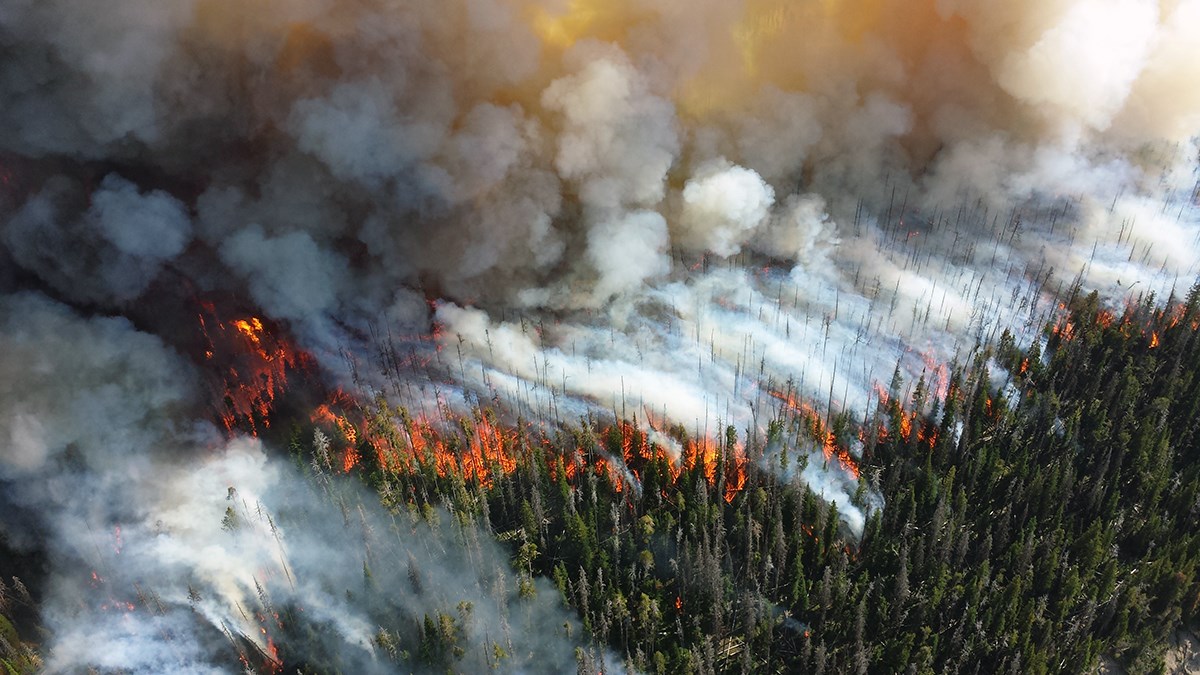
However, last year, around 10,560 cashew trees were destroyed by a massive fire. It was, however, not clear whether it was sparked by the heatwave or it was a case of arson in a bid to clear forest land.
After drawing flak over repeated forest fires, the Goa Government has now decided to keep watch on the vulnerable areas using drones.
Forest Minister Vishwajit Rane recently said that ten drones would be purchased as part of Goa’s measures to prevent forest fires.
“Initially ten drones will be purchased and if needed we will purchase more. Around 600 trekkers will be trained to deal with the situation and even locals will be involved if any incidents take place,” Rane said.
“Issues like global warming, weather change and the change in rain patterns are impacting us. Rain falls even in November and December. We are taking measures to prevent forest fires and will involve locals if any incidents take place,” he said.
He said that drones will keep watch on forest areas and the Goa Government will take action against those who set fires.
“Even if people light fires in their cashew plantation to clean the area, the forest department will take action. Because finally we are held responsible for forest fires,” Rane said.
According to official records, about 470.22 hectares of forest area was affected by 200 incidents of forest fires from 2019 till March 2023.
Environmentalist Abhijit Prabhudesai also said that climate change is impacting agriculture and hence the government should resolve these issues by making maximum provisions in the budget on a priority basis.
“We may also suffer a shortage of potable water if the ground water doesn’t recharge. There are several issues. Now the rain pattern has changed, we never know what will happen in future. Rather than spending huge amounts on fancy projects, it should be spent on addressing climate change,” he said.
Source - https://goemkarponn.com