Smallholder farmers in India are reporting crop losses due to erratic and extreme rainfall induced partly by climate change, according to a report by Forum of Enterprises for Equitable Development, an independent non-profit and Development Intelligence Unit.
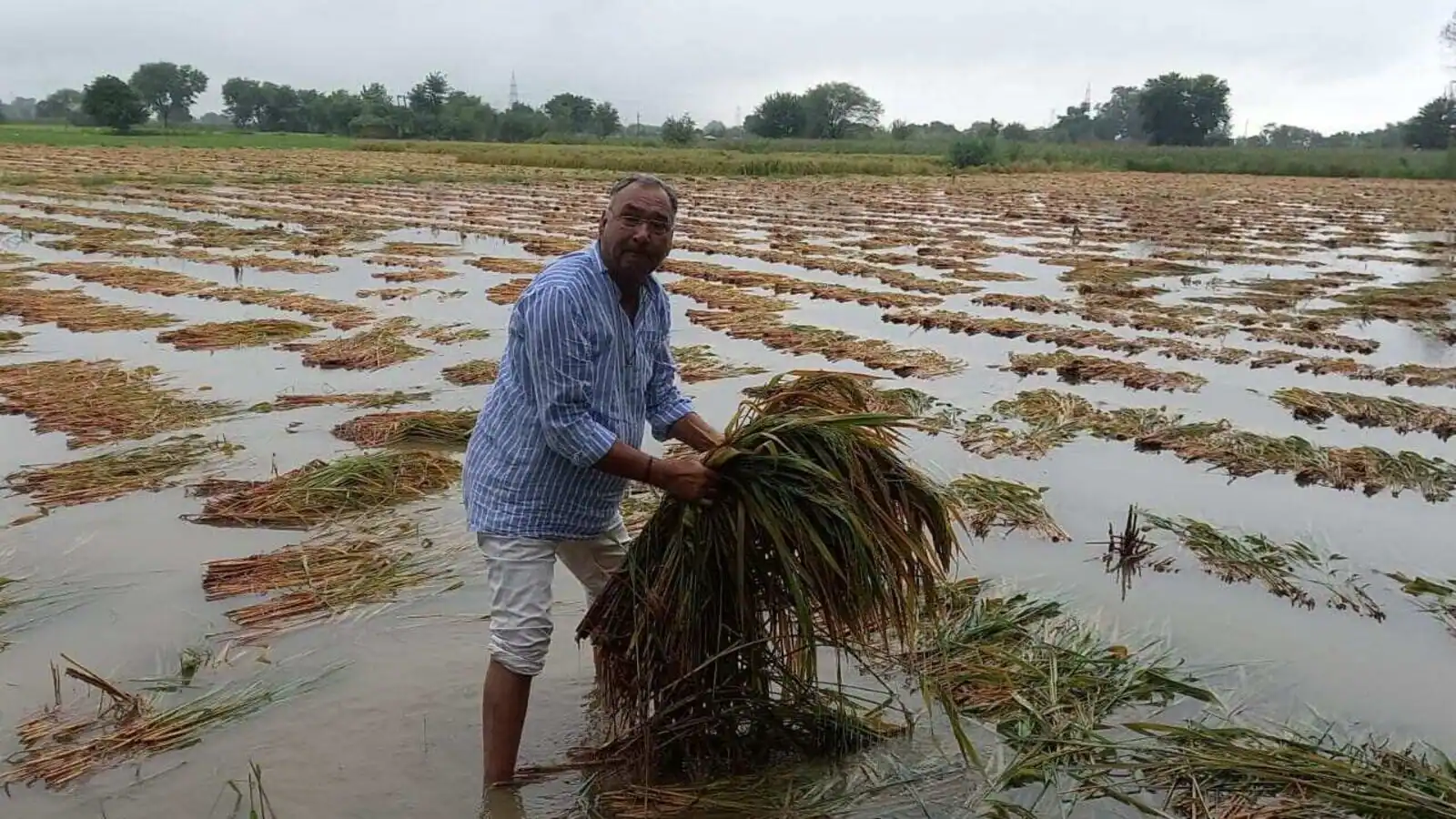
Nearly 50% of rice and wheat farmers surveyed for the analysis reported crop loss due to the last extreme weather event to hit them. Of them, 50% lost at least half their standing rice crop during the event, while 42% lost at least half of their standing wheat crop, the report found. On an average, each marginal farmer faced a loss of ₹8,400 for rice during crop loss and a loss of ₹9,200 for winter wheat, said the report released on Tuesday.
The researchers surveyed 6,615 farmers across 20 states in India, providing a granular view of how climate change is impacting them. Around 41% of respondents reported extreme weather events were related to drought or seasons with scanty rainfall, while close to one in three reported excessive or unseasonal rain.
In India, a marginal farmer cultivates up to one hectare of land. Farming households owning less than two hectares of land was as much as 89.4% of total agriculturist households in India, according to a 2019 survey by the National Sample Survey Office.
A little less than a quarter of the respondents cited early withdrawal or late arrival of the monsoon, which adversely impact their cropping cycle, the FEED report said. Excessive rainfall leading to floods was reported by over 17% of the survey participants. Only less than 10% of the farmers reported no crop loss due to extreme weather, the report said.
“Farmers have seemingly adapted well to extreme temperature events. Over 40% of them reported either no crop loss or only a small proportion of their crops were affected by prolonged summer, an excessive number of hot days,” the report said. “The most significant impact has been due to excessive or non-seasonal rains, prolonged winter conditions, droughts and floods, with over 50% of farmers reporting that half or more of their standing crops have been lost.”
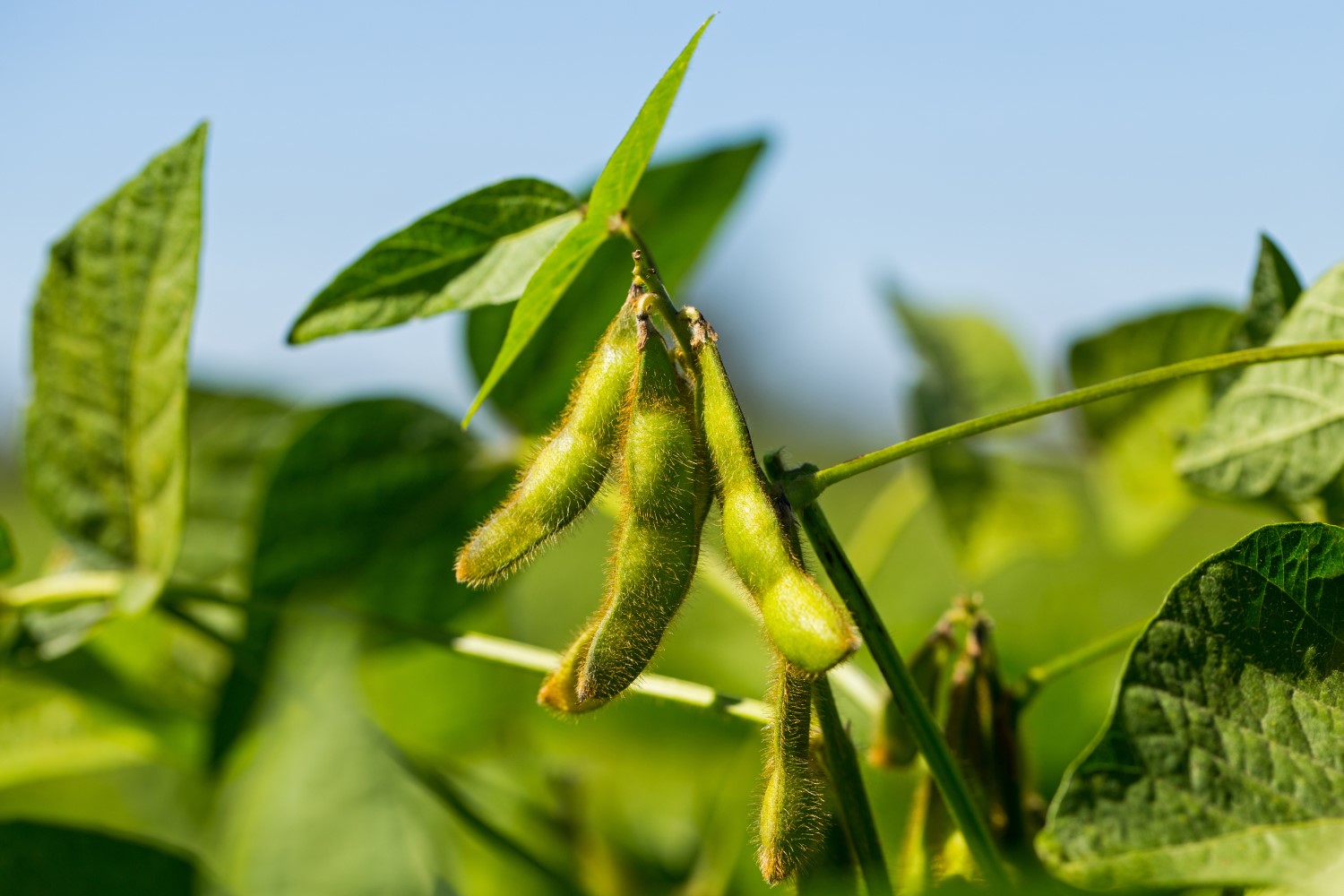
Rice, vegetables and pulses are significantly affected by the uneven rainfall distribution. Rice fields in northern states can remain submerged for more than a week, destroying seedlings and forcing farmers to wait for the waters to recede so they can replant. Scanty rainfall can delay the planting of rice, corn, cotton, soybean, groundnut and pulses in states including Maharashtra, Telangana, Andhra Pradesh, Chhattisgarh, Bihar and West Bengal, the report said.
Delays in planting after mid-July typically result in lower yields in much of India. For summer crops, delays in planting lead to delays in harvesting, ultimately resulting in the late sowing of winter crops such as wheat, rapeseed and chickpeas. Cold weather is crucial for winter crops, but higher temperatures in recent years during the maturity phase have resulted in yield losses.
“The problem of marginal farmers’ livelihood was and, to some extent, continues to be aggravated due to the lack of adequate use of quality inputs, poor irrigation facilities, absence of timely advisory, poor extension services leading to low yield, and crop failure, among others,” the report said. “But perhaps the biggest production risks are defined by unfavourable weather conditions, including drought, flood, extended periods of high or low temperatures, etc. Weather events that occur during the course of a cropping season can have a tremendous impact on crop survival, growth, and productivity.”
“There are two things we are seeing across the country. In June and July, monsoon breaks are becoming longer which is delaying sowing. Then there is extremely heavy rain episodes in September and October which is a double impact. Surviving these two are becoming difficult for farmers in most regions. The high heat in both June and July impact vegetables which are most sensitive but more importantly entire cropping pattern is shifting leading to a delay in Rabi crop also,” Ramanjaneyulu GV, Executive Director, Centre for Sustainable Agriculture said on Monday.
Source - https://www.hindustantimes.com