Days after the experts from Punjab Agricultural University (PAU) had cautioned farmers against the late blight disease attack on potato crop, the worst fears of the potato farmers have come true.
In a full-blown attack by the disease (late blight), more than 50% potato crop in the fields has suffered extensive damage leading to heavy losses for the farmers who had opted for diversification instead of growing wheat after paddy.
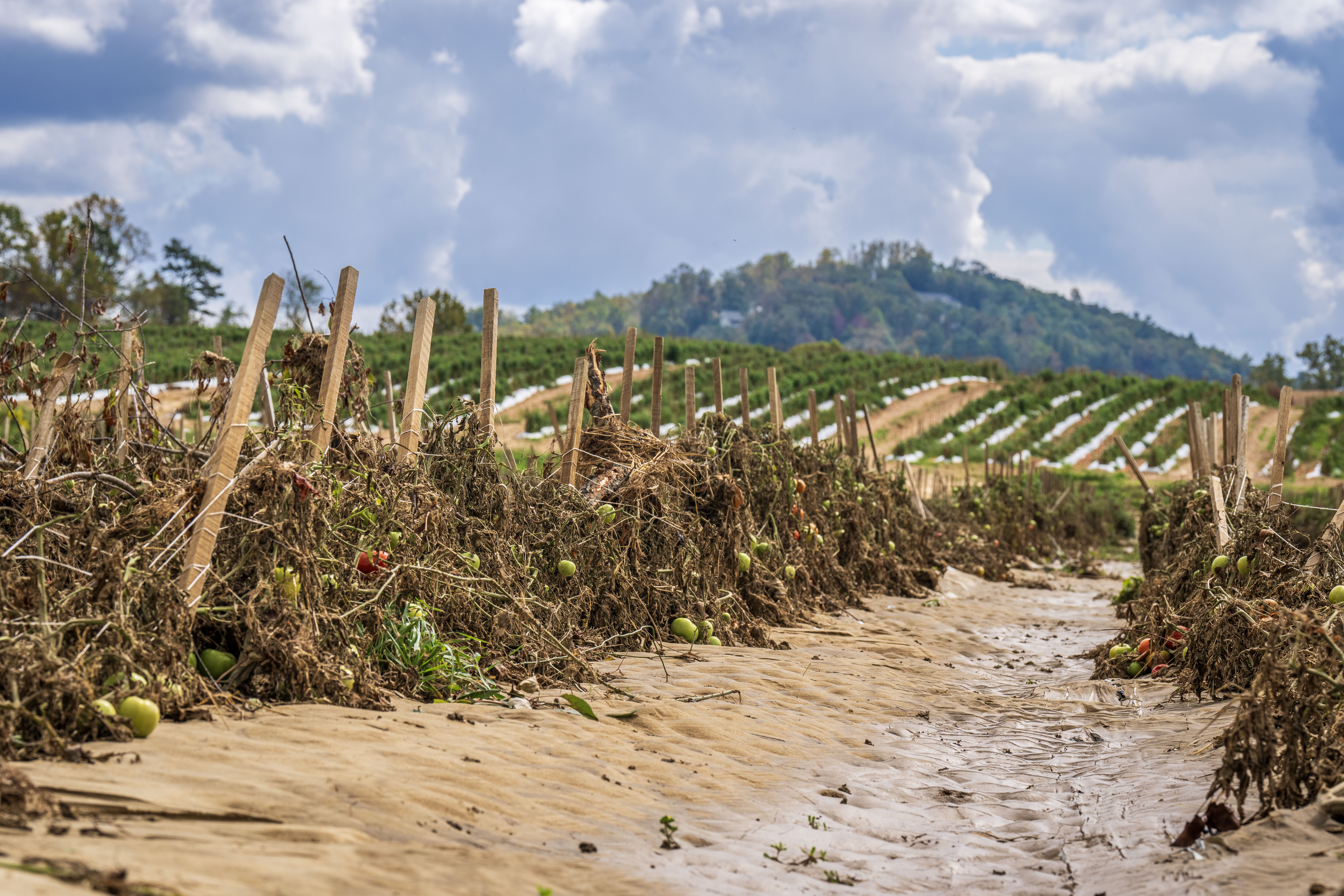
According to the inputs gathered by farmers from several districts, in Machhiwara, Samrala, Khanna, Amloh, Nabha, Hoshiarpur and other areas, potatoes were rotting in the field even before farmers could harvest them. Farmers say it’s a double whammy for those who had gone for diversification as not only the disease has damaged the crop but also the wholesale rate of potatoes has crashed in the market.
Joginder Singh Seh, former chairman, market committee, Samrala, and a commercial potato farmer from Sehjo Majra village near Machhiwara of Ludhiana district, said that more than 60% crop in his 280-acre farm has been left completely rotten due to late blight attack.
“Despite spraying fungicides recommended by PAU, we could not save the crop. It is a big blow for potato farmers in the state. For the past many days, there was high humidity in the night which was extremely conducive to blight attack. The baby potatoes have been completely damaged. There is no use of even harvesting them now and spend money on labour,” he said.
Seh said even harvest of potatoes was a costly affair. “It costs Rs 35 per acre for labour and Rs 20 is the cost of each bag. Last year companies, which manufacture potato chips and other processed snacks, had purchased the produce for Rs 24-27/kg which has crashed to Rs 9/kg this year. Similarly, the wholesale rate of table potato, which is consumed in households, has also crashed from Rs 12/kg to Rs 4-6/kg this year. The government should allow us to export produce to rescue potato farmers from this heavy loss. The potato is sold at Rs 30-40/kg in Pakistan but we are not allowed to export it,” he added.
Farmers further said that it was highly unlikely that any government, either state or Centre, would compensate them for their loss. “It costs at least Rs 70,000 to Rs 80,000 to produce an acre of potato including seed price. One acre consumes at least 30 seed bags. Neither any previous government has ever compensated us for crop loss due to diseases or natural calamities, nor are we expecting it now. The fact is that farmers who chose to go for diversification have been devastated and there is no one to support us,” said Sukhwinder Singh Bhattian, from Bhattian village of Machhiwara, who has an 80-acre potato farm.
Another potato farmer Parminder Singh Gill from Machhiwara said that how can the government expect other farmers to leave wheat-paddy cycle and go for diversification when it can’t give minimum support price (MSP), or compensation when the crop suffers damage due to nature’s vagaries.
“The ultimate loser is always the farmer who tries to break wheat-paddy cycle because the government never holds his hand during tough times,” he added.
What is late blight?
Late blight is a fungal disease which, if not properly managed in time, can damage the entire potato crop.
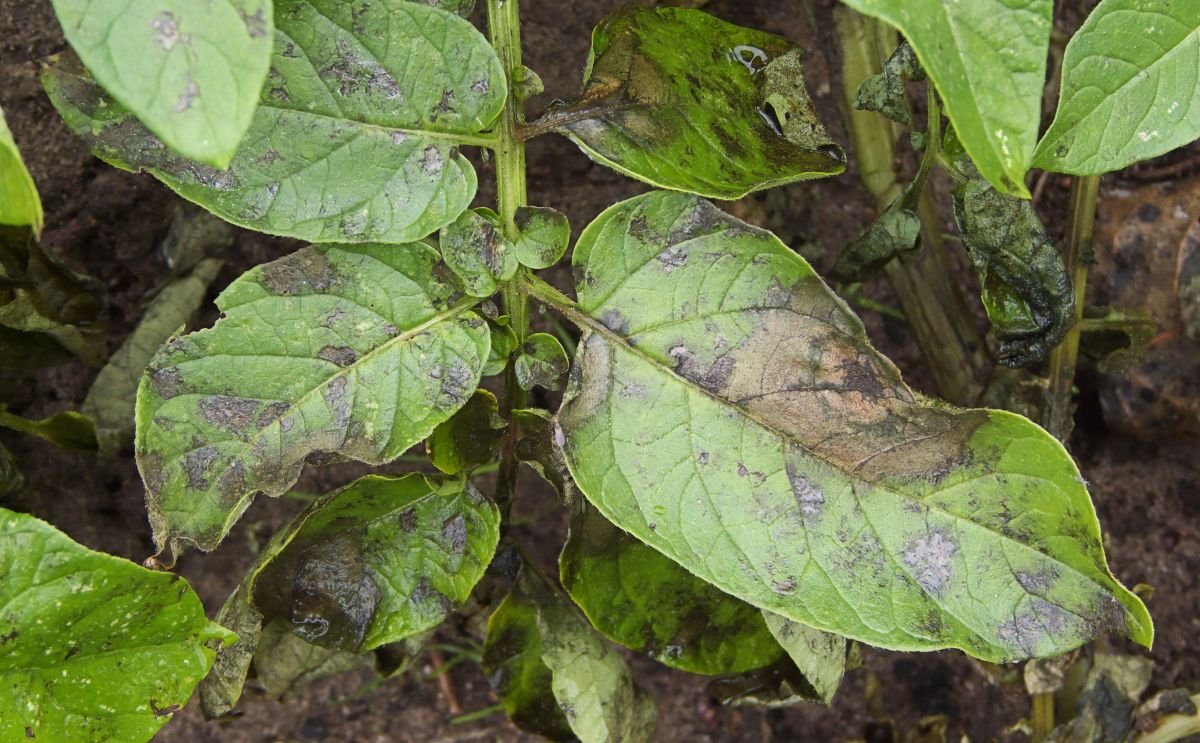
Dr P S Sandhu, principal plant pathologist-cum-head, department of plant pathology, PAU, said: “The first symptoms of late blight appear as small, light to dark green, circular to irregular-shaped water-soaked spots. During cool, moist weather, these lesions expand rapidly into large, dark brown or black lesions, often appearing greasy. A pale green to yellow border often surrounds the lesions.”
PAU vice-chancellor, Dr S S Gosal, cautioned farmers against using unrecommended varieties, as they are highly susceptible to this disease, which could lead to early crop loss. Maintaining proper spacing between plants within the canopy was another key aspect. Adequate spacing promotes better aeration and helps mitigate the risk of late blight development, he said.
Dr Ajmer Singh Dhatt, director research, PAU, suggested the prompt destruction of infected crop residue to prevent the spread of the disease to nearby fields. Advising farmers to avoid the overhead sprinkler irrigation, Dr Dhatt encouraged the use of drip irrigation where feasible and emphasised daytime irrigation so that foliage dries before nightfall and the risk of disease proliferation is minimised.
Source - https://indianexpress.com