Sadar Upazila Nirbahi Officer (UNO) Naznin Akhter confirmed awareness of the issue.
An organised group is illegally removing fertile topsoil from agricultural land under the cover of night at Sharifpur in Sadar upazila of Jamalpur, posing serious threat to food security and environment.
Local residents say it has been continuing for months, with trucks and tractors transporting soil nightly after 11:00 pm, apparently evading oversight from local authorities. The removal of topsoil—essential for crop production—has already begun to degrade farmland, while the constant movement of heavy vehicles has damaged local roads and disrupted community life.
“The noise from soil-laden trucks continues throughout the night,” one of the residents said. “Elderly people, patients, women, and children are unable to sleep at night, and the roads are being destroyed.”
During visit to the area, it was observed that a group allegedly led by Akram of Shrirampur, Phani Fakir of Raghunathpur, and Anwar Hossain Anju of Shrirampur has been excavating agricultural land using heavy machinery, including excavators. The soil is reportedly sold to brick kilns and other construction-related businesses.
Under environmental and land protection laws, cutting soil from agricultural land is a punishable offence. However, locals allege that landowners are being coerced or enticed with financial incentives to allow soil extraction from double-cropped farmland. Fear of retaliation by influential individuals has prevented many residents from speaking out publicly.
Witnesses said that soil extraction is not only limited to private land but also government-owned (khas) land and areas adjacent to homesteads are being targeted. In one incident, residents who attempted to stop truck drivers from operating at night were allegedly threatened with violence. Several trucks reportedly operate without visible registration plates.
Rafiqul Islam, a power tiller owner, said soil removal has made cultivation nearly impossible in affected fields. “The land has become uneven and hard to work on. Many plots may remain uncultivated,” he said.
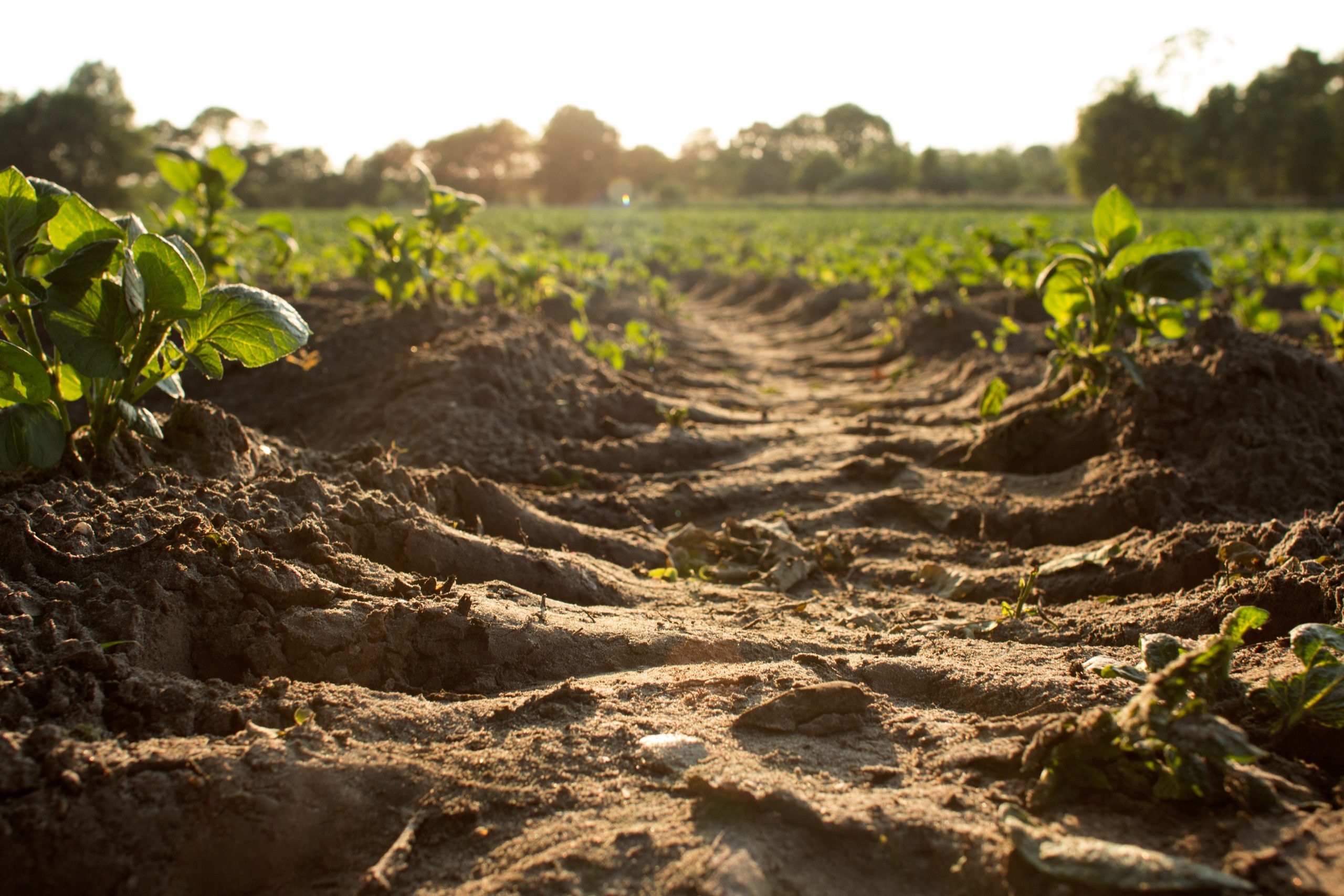
Agricultural experts warn of long-term consequences. “The top 8 to 10 inches of soil contain the core nutrients necessary for crop production,” said Md. Emdadul Haque, Agriculture Officer of Jamalpur Sadar Upazila. “Once this layer is removed, the land becomes infertile for years. Farmers will need double the amount of fertiliser, yields will decline, and continued soil extraction could permanently render farmland unusable.”
When contacted, Akram acknowledged cutting soil at night, stating that daytime operations create “various problems,” and claiming nighttime work avoids inconvenience to others.
Sadar Upazila Nirbahi Officer (UNO) Naznin Akhter confirmed awareness of the issue. “We have received reports and are investigating,” she said. “Legal action will be taken based on our findings.”
Environmentalists warn that unchecked soil extraction could have devastating effects on agricultural productivity and ecological balance in the region, urging swift action to protect diminishing arable land.
Source - https://www.dhakatribune.com