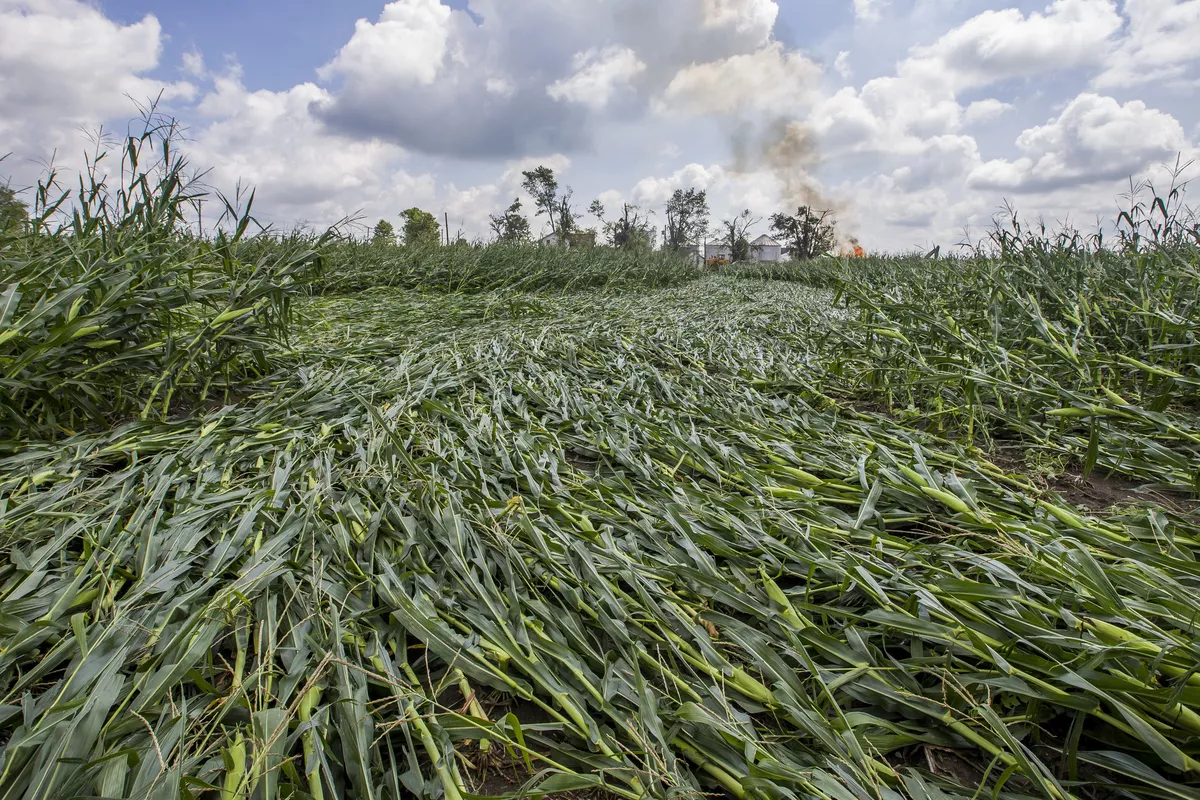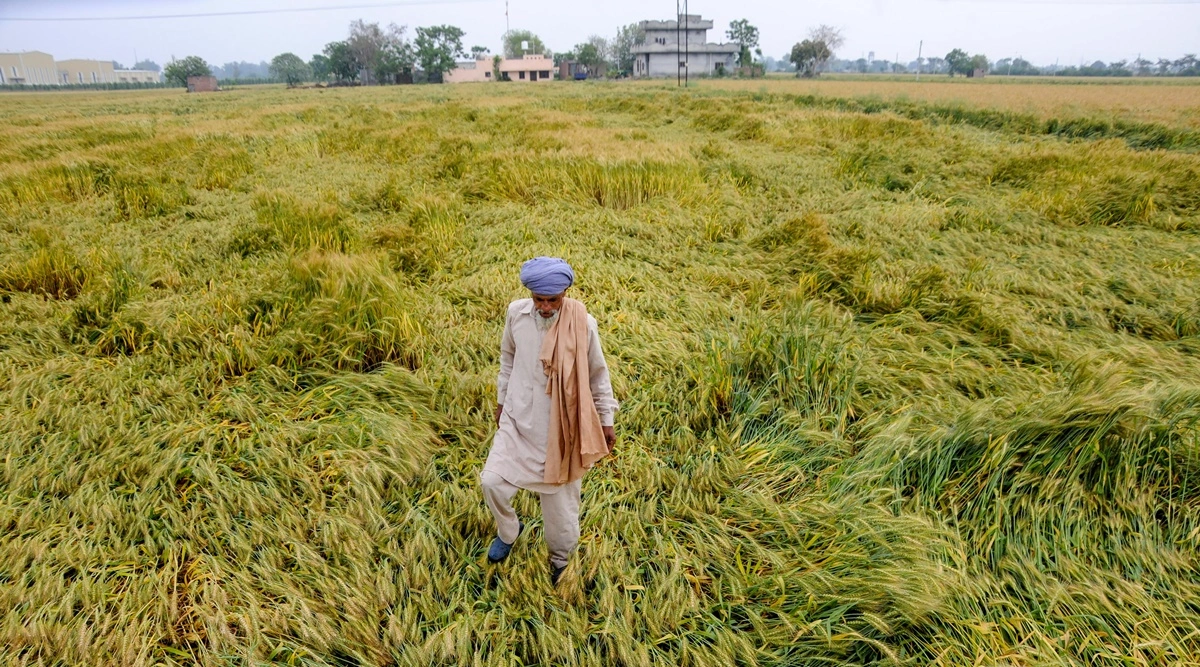
Punjab, renowned as a leading agricultural state in India, needs an essential transformation in the midst of agrarian and climatic crises. The recent floods and the resultant losses for the farmers, with their wheat and paddy crops, are compelling a revaluation of Punjab’s stance on crop insurance. It is worth mentioning here that Punjab has not had any crop insurance scheme for a long time. The Pradhan Mantri Fasal Bima Yojana (PMFBY), which could have offered hope to the state’s struggling farmers, remains largely unnoticed and unadopted even today.
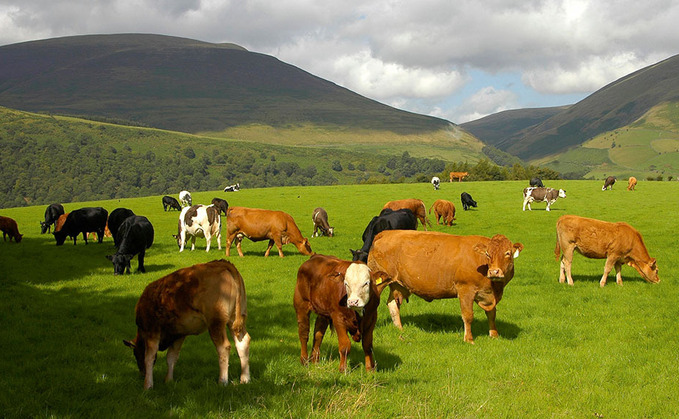
Punjab, despite its historical agricultural significance, has been hesitant to adopt crop insurance schemes. The reluctance stretches back through the annals of time, from the Individual Approach Basis Insurance Scheme (IABIS) to the Comprehensive Crop Insurance Scheme (CCIS). Though India has run various insurance schemes, Punjab has resisted these schemes. Punjab had not even adopted the very first insurance scheme of the country — IABIS (1972-1978), and CCIS (1985 - 1999) for rain-fed crops. The state adopted only a few schemes for a very short period, even for selected crops, like the pilot scheme on seed crop insurance, rabi 1999-2000, the farm income insurance scheme in the Sangrur district, and the livestock insurance scheme (2006-2007) in select districts. The ongoing central insurance scheme, PMFBY, launched in 2016, has been adopted by 17 states in 2023 but has failed to find favour in Punjab.
Why Punjab is not keen on this scheme
Reasons cited for the non-adoption of the scheme include secured irrigation, low indemnity level, a decade-old crop size benchmark, the burden of ₹1,500 per acre premium and more. Yet, adversity has a way of reshaping priorities. Unseasonal rains and repeated pest infestations on cotton crops in the last few years and recent floods have forced the state to contemplate and reconsider its stance on this crop insurance policy urgently.
The PMFBY, which is implemented by various public and private insurance companies, is overseen by the ministry of agriculture and farmers welfare. This scheme offers newfound flexibility with its latest amendments to expand its reach. It is no longer mandatory for loanee farmers, offers multi-year contracts to insurers, and has widened its subsidy parameters. Earlier, this scheme was compulsory for loanee farmers who take a loan from any financial institution and was voluntary for non-loanee farmers, but from kharif 2020, it is no longer mandatory for loanee farmers.
Several noteworthy modifications have been implemented in the scheme, such as extending the insurance contract duration to three years instead of one, capping premium subsidies at 30% for un-irrigated areas and 25% for irrigated areas, introducing Aadhar card linkage, enhancing premium subsidies from 50% to 90% for north-eastern states, establishing specific deadlines for states to disburse premium subsidies (March 31 for kharif and September 30 for rabi seasons), granting states the flexibility to select crop loss parameters, and instituting a new provision for insurance companies, mandating them to allocate 0.5% of the total premium for information and education purposes, among others.
Furthermore, the government is considering enhancements to this scheme through the integration of artificial intelligence (AI) technologies, the introduction of a new model for claim settlement, and the adoption of competitive bidding for premium quotes from insurance providers, among other measures. However, to truly make PMFBY succeed in Punjab, a profound understanding of the state’s agrarian dynamics is essential.
A lesson from Haryana
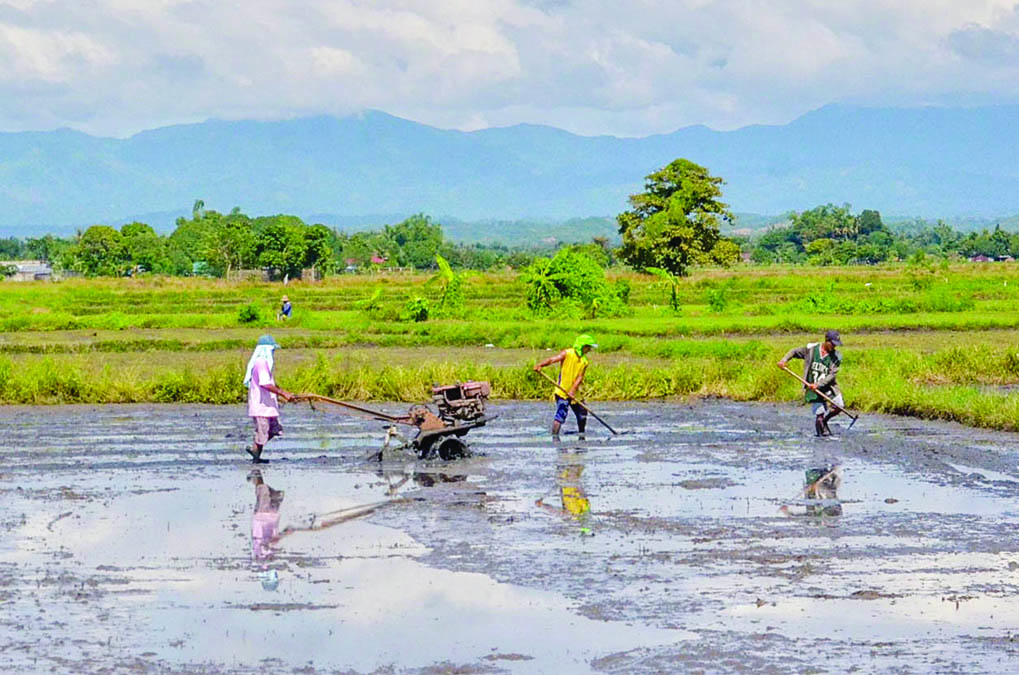
Haryana, with a similar agricultural landscape, adopted PMFBY in 2016, albeit with limited success. The number of farmers benefiting in Haryana was lower as compared to many states. This might be one of the reasons for its non-adoption in the Punjab. Of many reasons for Haryana’s low participation in the scheme, the delay in receipt of compensation is the biggest one. Moreover, there is a big trend of land leases in Haryana and Punjab, which are mostly informal and undocumented. It is also noted that farmers in Punjab and Haryana heavily rely on private commission agents for obtaining credit.
However, enrolment of PMFBY demands land lease documentation. Farmers who do not receive loans from public institutions face problems in participating in PMFBY in Haryana.
Therefore, banks should facilitate participation in crop insurance programs for farmers who borrow from informal sources and for those who do not receive loans. To surmount these challenges, Punjab must facilitate enrolment for farmers who rely on private commission agents for credit if PMFBY is implemented in Punjab.
The complexity of its insurance process has made this scheme unreachable to many farmers in Haryana as there are many stakeholders involved, including the central government, state government, banks and insurance companies.
Simplify the complex insurance process
Simplifying the complex insurance process through a single-window system would also be a game-changer. It will not only reduce the procedural time and difficulties faced by farmers but also push the many states, including Punjab to adopt it.
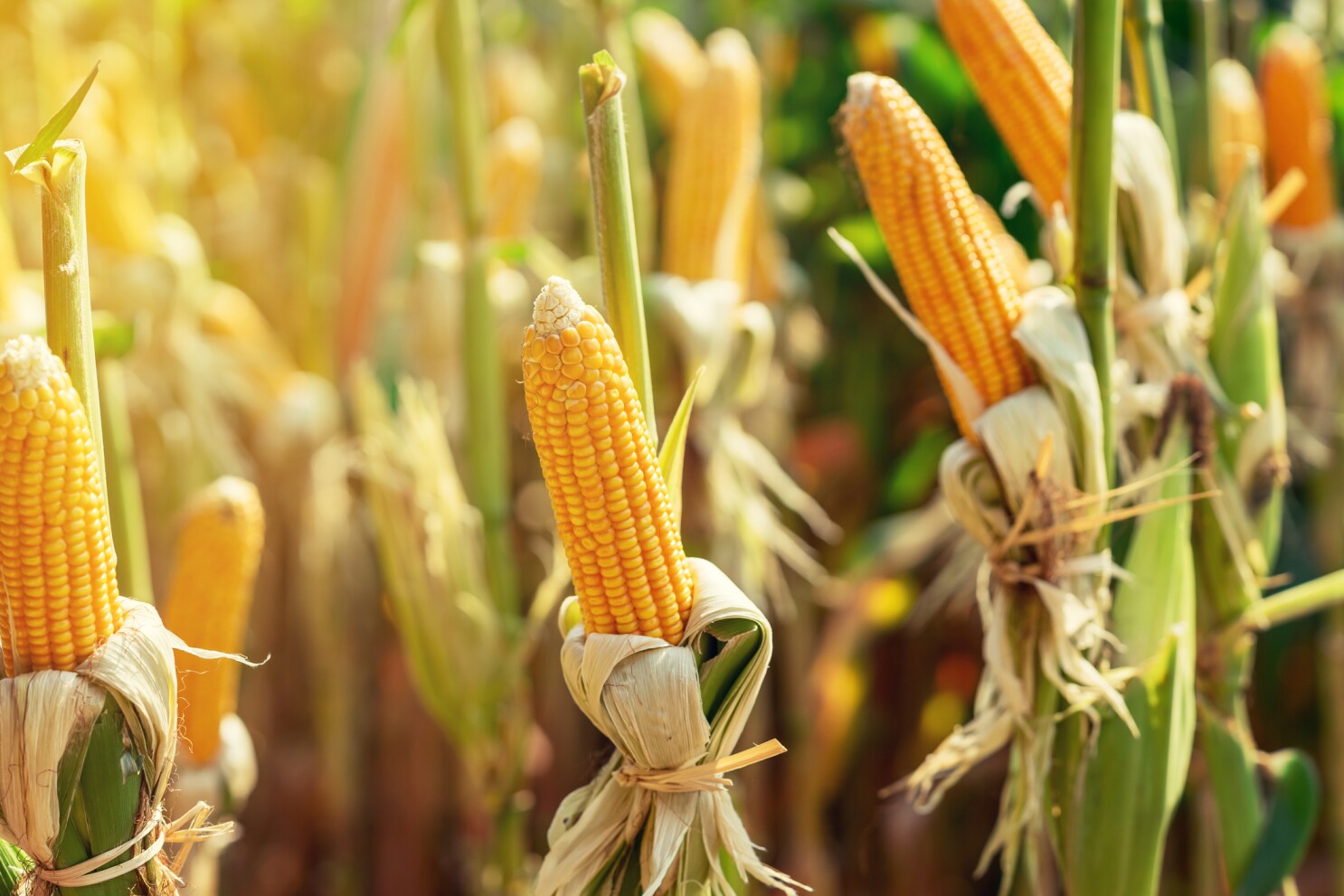
The central insurance scheme covers post-harvest losses but should be extended considering the unique market dynamics of Punjab and Haryana. It’s difficult for farmers to sell their crops within two weeks after harvesting in Punjab and Haryana. Crop damage during storage or while awaiting sale is a reality that cannot be ignored. There is no provision for coverage of losses when the crop is at the market for sale.
The crop at the market suffered damage on multiple occasions, including instances of unseasonal rain and even during the recent flood. There is a need to extend the period of post-harvesting losses, including market losses. If some of these changes are made in PMFBY, it would encourage Haryana farmers to adopt it. Similarly, Punjab can also rethink its implementation.
Scheme’s village-centric approach holds merit
The PMFBY takes the whole village as a unit. The policy’s village-centric approach holds merit, especially considering the devastating floods that have affected entire villages. The absence of this policy is felt in Punjab, prompting the state government to re-evaluate its stance on this matter.
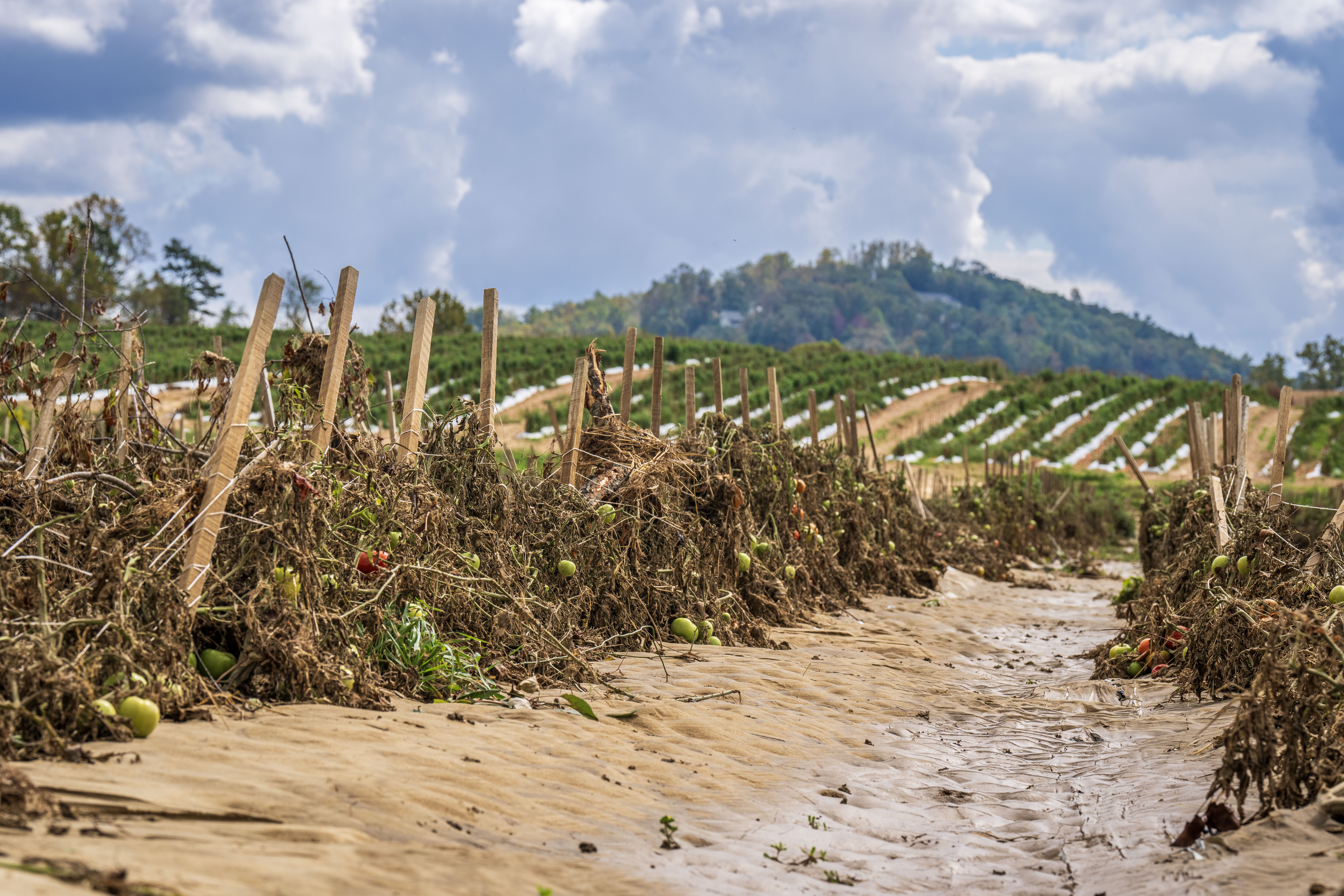
The Punjab government announced a relief package of Rs. 640 crore and ₹416 crore in 2015-16 and 2021-22, respectively, to compensate the farmers, who faced a cotton crop failure due to white fly and pink bollworm attacks. Also, for heavy rain and floods, the state has announced compensatory packages to farmers from time to time. The state has also announced ₹186 crore as flood relief to compensate the farmers of 16 flood-affected districts. Had the government implemented a crop insurance scheme, then this expenditure on relief packages could have been redirected to subsidise premiums and protect farmers against crop losses.
In conclusion, Punjab stands at a juncture, where the PMFBY can offer a lifeline to its farmers confronted with increasing climatic uncertainties. The central and state governments should unite to address and tackle the intricacies for insuring the crops in the country’s food bowl. It is a crucial moment for Punjab to rethink and embrace the promise of PM Fasal Bima Yojana, securing the future of its agrarian heartland.
Source - https://www.hindustantimes.com