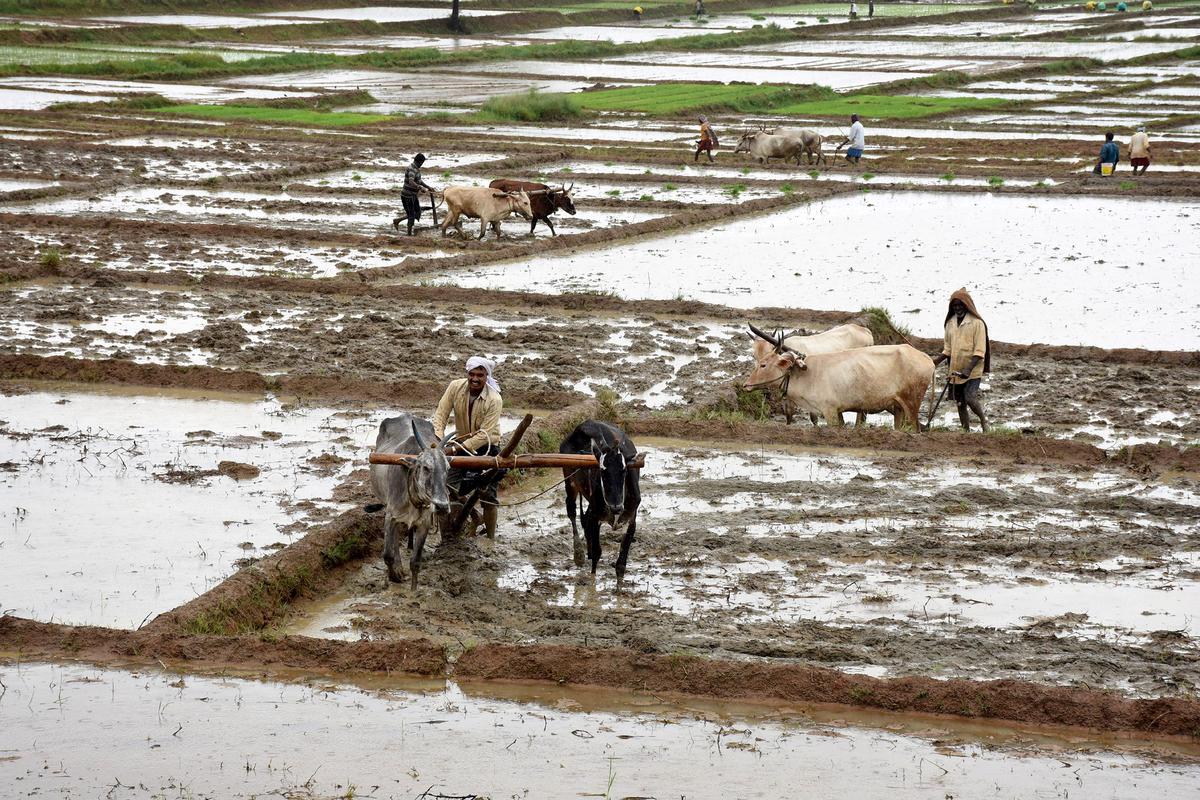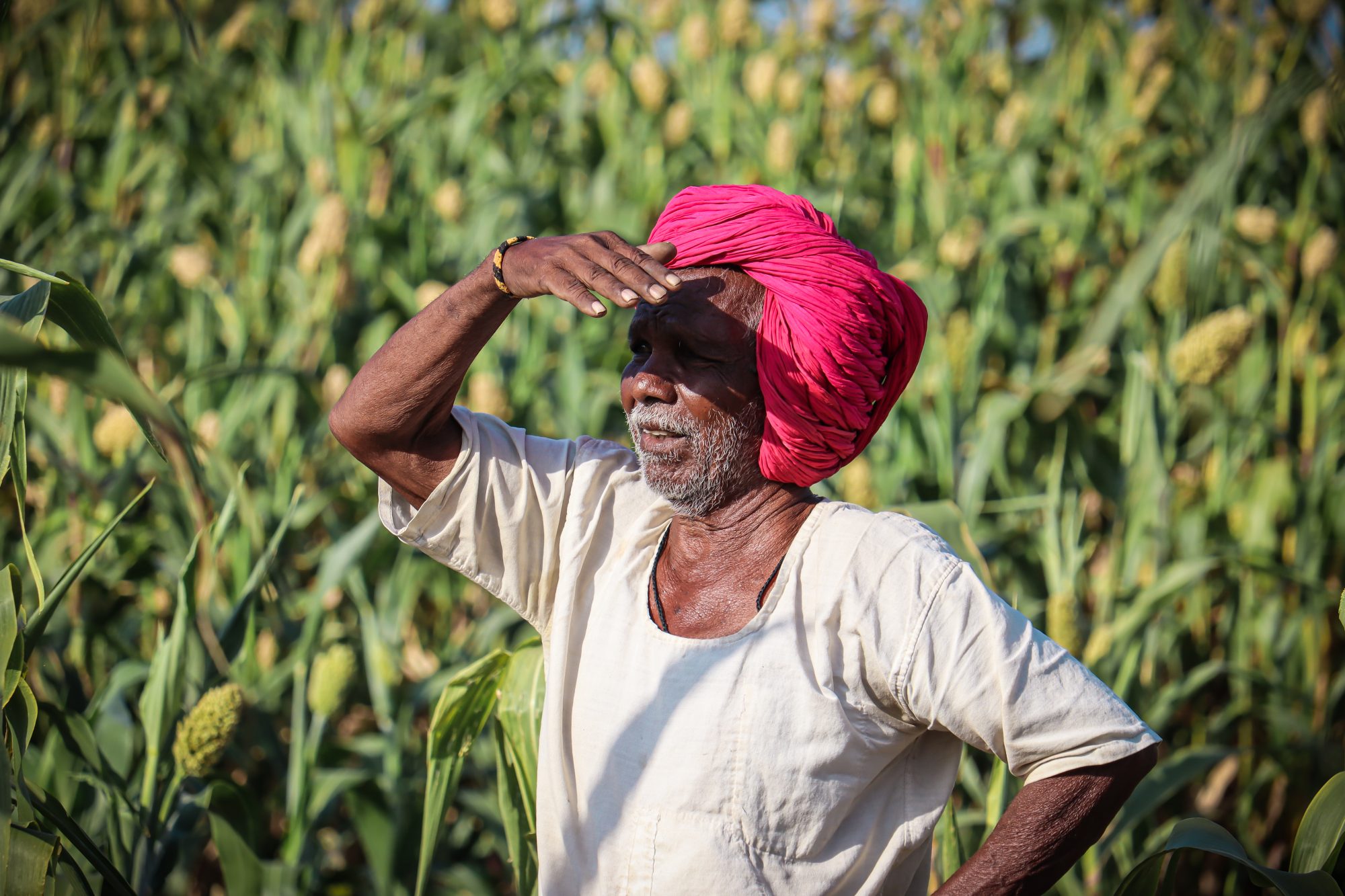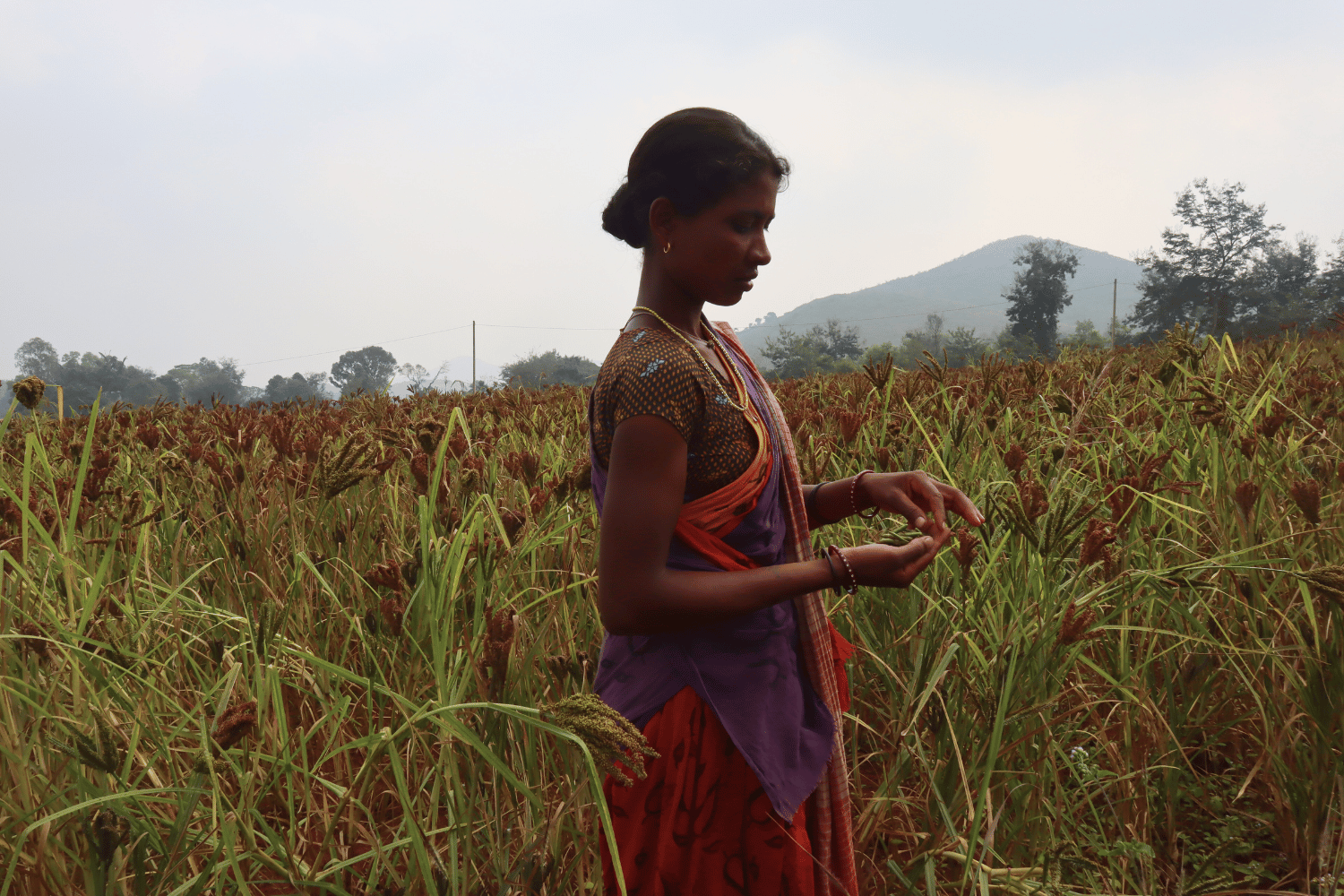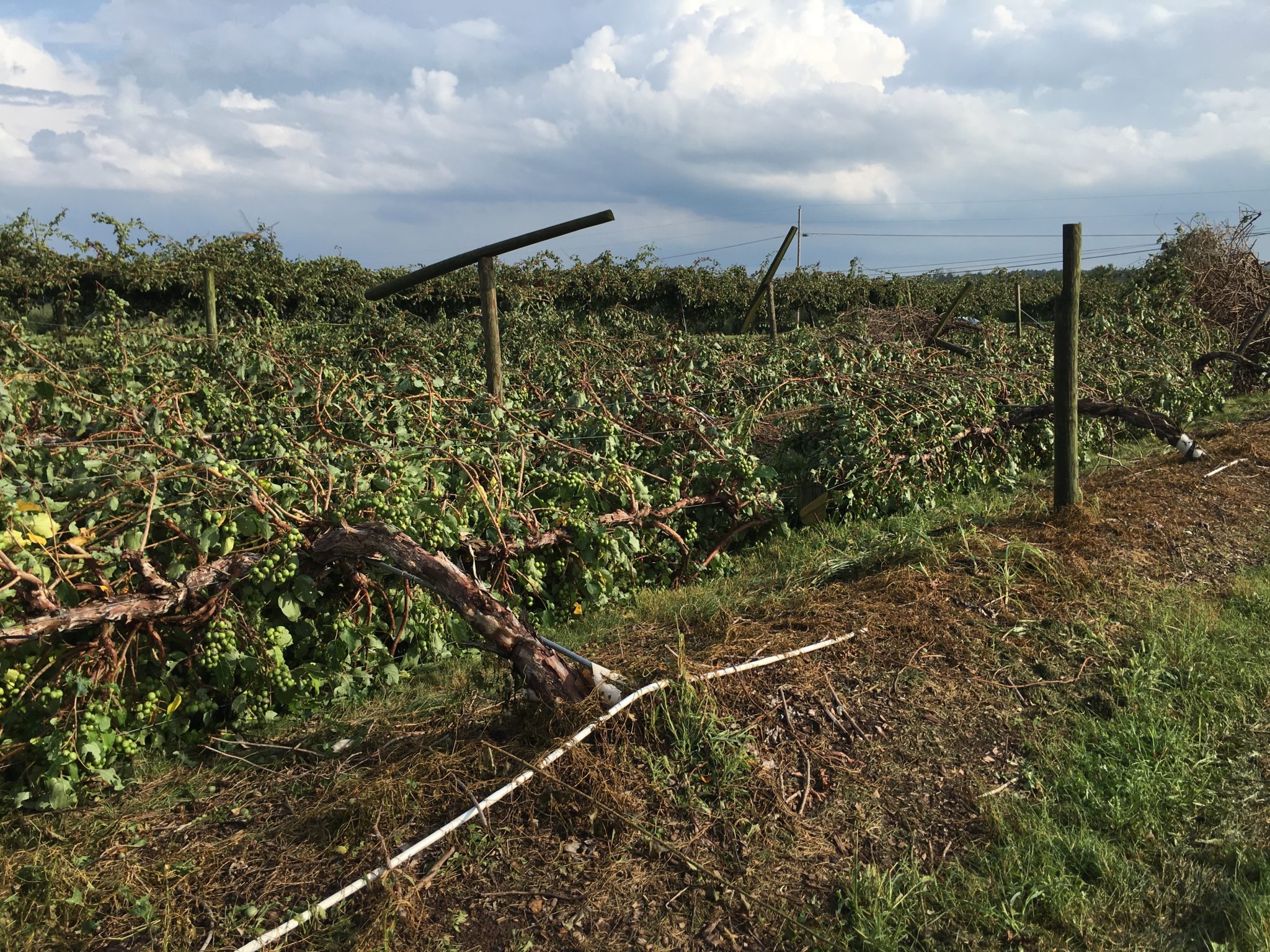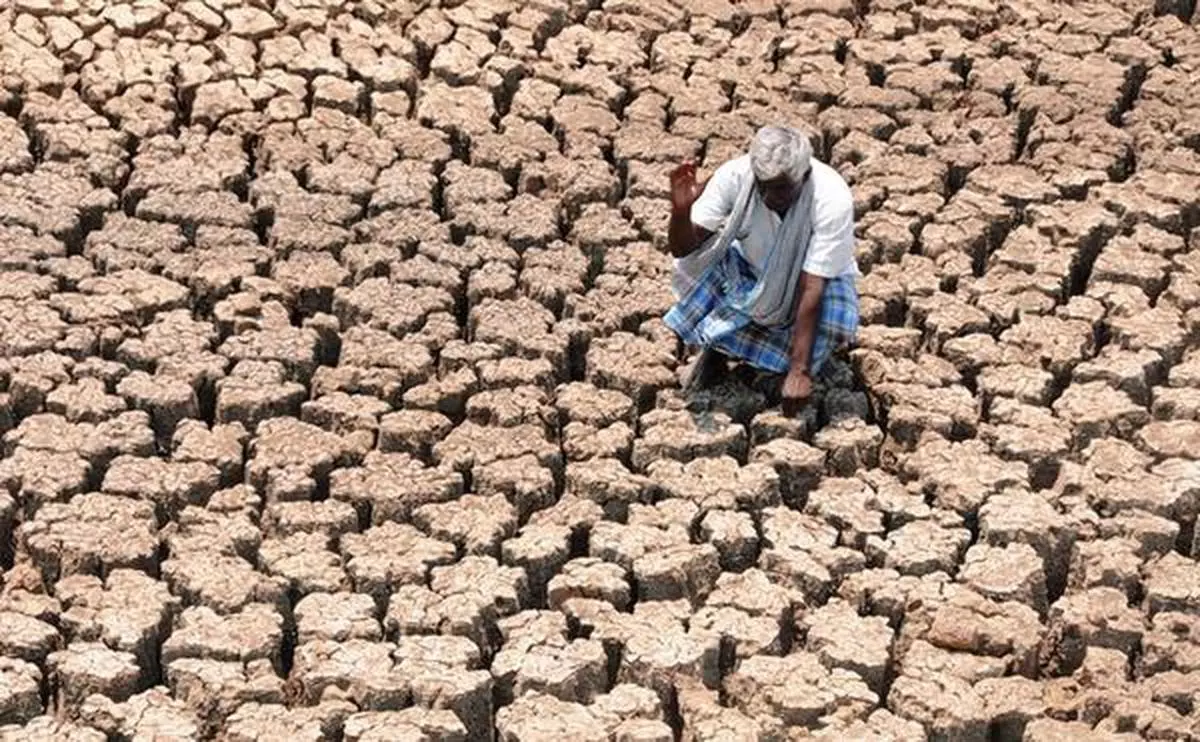
Karnataka has become the first state to witness a disastrous winter harvest this year, requesting central assistance of ₹ 1,417 crore after rabi crop worth ₹ 7,209 crore was damaged. The south Indian state has lost rabi crop in more than 70% of the sown area.
This comes at a time when an unusually dry and warm winter has not only affected planting across India, but also raised fears of another failed crop, especially in parched states such as Maharashtra and Uttar Pradesh.
Winter planting has already been cut by 3 million hectares in the country, data from India’s agriculture ministry shows. A failed rabi crop will mean the fourth consecutive crop failure for Indian farmers, coming on the back of two failed kharif crops (in 2014 and 2015), interspersed with a spate of unseasonal rains that damaged last year’s winter harvest in 15 states.
This could sharpen the rural distress and push many farmers into a condition of grave indebtedness or, in some cases, even take extreme steps. According to the state’s farm ministry, over a thousand farmers have killed themselves in Karnataka in the last year, a record.
Karnataka submitted a memorandum to the central government on 23 January stating that rabi crop has been affected in 24.64 lakh hectares, said Manjunatha Prasad, Karnataka’s principal secretary (agriculture).
As the estimated crop loss is more than 33%, the state qualifies for aid from the Union government’s National Disaster Relief Funds (NDRF), he said.
“We have sought ₹ 1,416.9 crore towards mitigating ₹ 1,290 crore crop failure, ₹ 74.67 crore animal husbandry damage and roughly ₹ 52 crore to provide water assistance to rural and urban settlements,” he said.
The centre has acknowledged the memorandum, he confirmed, adding that the state is “soon expecting an inter-ministerial central team to assess the situation on the ground”.
According to the state agriculture department, crops of jowar (sorghum), chickpea, sunflower, linseed and safflower suffered the most, while wheat, cotton and rice are partially affected.
Karnataka was also the first Indian state to announce drought in as many as 27 out of its 37 districts in August last year.
Later, the June-September southwest monsoon deficit widened with as many as 302 out of 640 Indian districts recording a shortfall of 20% or more.
Over this period, rural distress worsened across the country and by December 2015, as many as 10 states followed Karnataka to declare drought.
Altogether, between August and December, these states have sought a central relief of over ₹ 38,000 crore.
The failure of rabi crop also raises questions about how much the poor monsoon alone could be blamed for the country’s drought tragedy.
In Karnataka, for instance, the 12 districts that have recorded extensive damage of rabi crops are from north interior Karnataka, according to the state’s farm ministry.
For context, north interior Karnataka is so arid that only Rajasthan deserts are supposed to beat them in that regard in India. Historically, in the absence of proper irrigation facilities, these districts have been rain-dependent for agriculture. By the end of 2015, Prasad said, there was absolutely no moisture. “Dry spells even lasted for about eight weeks,” he added.
Clearly, it was no rocket science to predict moisture stress after a subpar monsoon period. After farmers suffered kharif damage of ₹ 14,471 crore, both state and central governments had two months to prepare for monsoon management. There were no efforts made for any efficient planning, said Ashok Gulati, agriculture chair professor at the Indian Council for Research on International Economic Relations, Delhi.
“Rabi depends on moisture. Karnataka is one of the lowest irrigated states and if it doesn’t rain in kharif, rabi has to suffer,” said Gulati. “This is the fourth event of a back-to-back drought in the last 115 years. And what are they (central and state government) doing?” he asked.
Source - https://www.livemint.com