Even as climate change intensifies and weather patterns grow increasingly erratic, Kashmir’s horticulture sector – turnover valued at nearly Rs 15,000 crore annually – continues to function without any crop insurance cover, leaving thousands of fruit growers exposed to mounting financial risk.
Despite years of policy announcements and repeated assurances, an insurance safety net for horticulture crops remains absent on the ground.
A senior official in the Agriculture Department said the long-pending Weather-Based Crop Insurance Scheme (WBCIS) is nearing completion at the administrative level.
“The tendering process for the selection of an insurance company, from among firms empanelled by the Government of India, is currently in its final stage,” the official said.
Minister of Horticulture, Javid Ahmad Dar, during the Assembly session in October, said, “If the insurance scheme does not materialise, the government is considering a Market Intervention Scheme (MIS) to protect the interests of fruit growers across Jammu and Kashmir.”
The official said that under the Re-structured Weather-Based Crop Insurance Scheme (RWBCIS), key horticulture crops, including apple, saffron, mango, and litchi, have already been notified.
“The tendering process for selection of the insurance company is underway to offer formal crop insurance coverage to these horticulture crops,” the official said.
Speaking to Greater Kashmir, President of the Kashmir Valley Fruit Growers Union, Bashir Ahmad Basheer, said crop insurance had been a long-pending demand of orchardists.
“Climate change is no longer a theory. It is a reality we are facing every season. Despite being the mainstay of Kashmir’s economy, the fruit industry continues to remain without any insurance cover. Even in years of good production, we are witnessing huge losses due to weather-induced events such as prolonged dry spells, heat stress, hailstorms, and untimely snowfall. Without a safety net, a single adverse weather event can wipe out an entire year’s income for growers,” he said.
According to an RTI reply from the J&K Agriculture Department, high premium rates and lack of participation by insurance companies have rendered the scheme unviable in J&K.
“The delay in implementation of crop insurance for horticulture crops has been mainly due to non-participation and absence of healthy competition, coupled with high premium rates. The scheme could not be implemented in J&K to date,” the RTI reply states.
The absence of crop insurance has emerged as a major setback for fruit growers, particularly apple orchardists, at a time when climate stress is already affecting productivity.
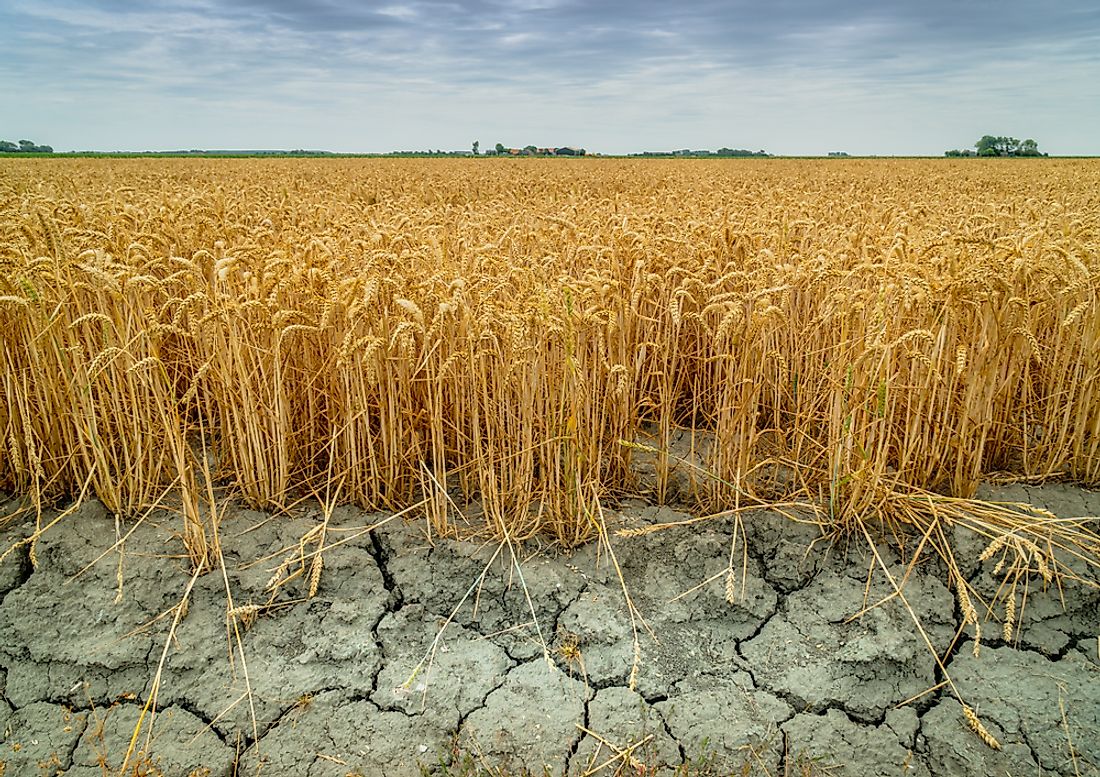
This year, prolonged dry spells and unusually high temperatures have impacted fruit development across several parts of Kashmir, resulting in underdeveloped fruit, reduced weight and lower market returns.
Crop insurance, along with the introduction of a Minimum Support Price (MSP) for apples, has long been among the key demands of Kashmir’s fruit growers.
Both demands remain unfulfilled, even as climate variability continues to increase production risks.
According to the RTI reply, although the Pradhan Mantri Fasal Bima Yojana (PMFBY) and the Re-structured Weather-Based Crop Insurance Scheme were formally adopted in Jammu and Kashmir in 2016, they have never been implemented for horticulture crops.
In November 2024, bids were invited from empanelled insurance companies to implement RWBCIS in both the Kashmir and Jammu divisions.
For Kashmir, bids were received from the Agriculture Insurance Company of India and Iffco-Tokio for apple and saffron crops, with Iffco-Tokio emerging as the lowest bidder.
However, the premium rates quoted – ranging from 15.15 percent to nearly 30 percent – were found to be prohibitively high.
“The L1 companies have quoted rates in the range of 15.15 percent to 29.95 percent in the Kashmir Division for apple and saffron crops,” the RTI reply said.
The issue was later examined by the State Level Coordination Committee on Crop Insurance, chaired by the Chief Secretary, which raised concerns about the affordability of premiums and the past performance of shortlisted insurers in other insurance sectors operating in J&K.
The committee eventually decided to cancel the process and re-tender the scheme in the hope of attracting more bidders and securing competitive rates.
The delay persists despite steady growth in the horticulture sector.
Between 2018-19 and 2023-24, Jammu and Kashmir’s fresh and dry fruit production increased from 20.06 lakh metric tonnes to 26.43 lakh metric tonnes, a rise officials often cite as evidence of the sector’s resilience and importance to rural livelihoods.
Source - https://www.greaterkashmir.com